Asia
Philippines
An archipelago of 7,641 islands with world-class diving and breathtaking lagoons — the Philippines are the ultimate Southeast Asian island paradise.
- Capital
- Manille
- Currency
- Peso philippin (PHP)
- Languages
- Filipino (tagalog), Anglais
- Budget
- Mid-range — from around €45/day per person
Philippines at a glance
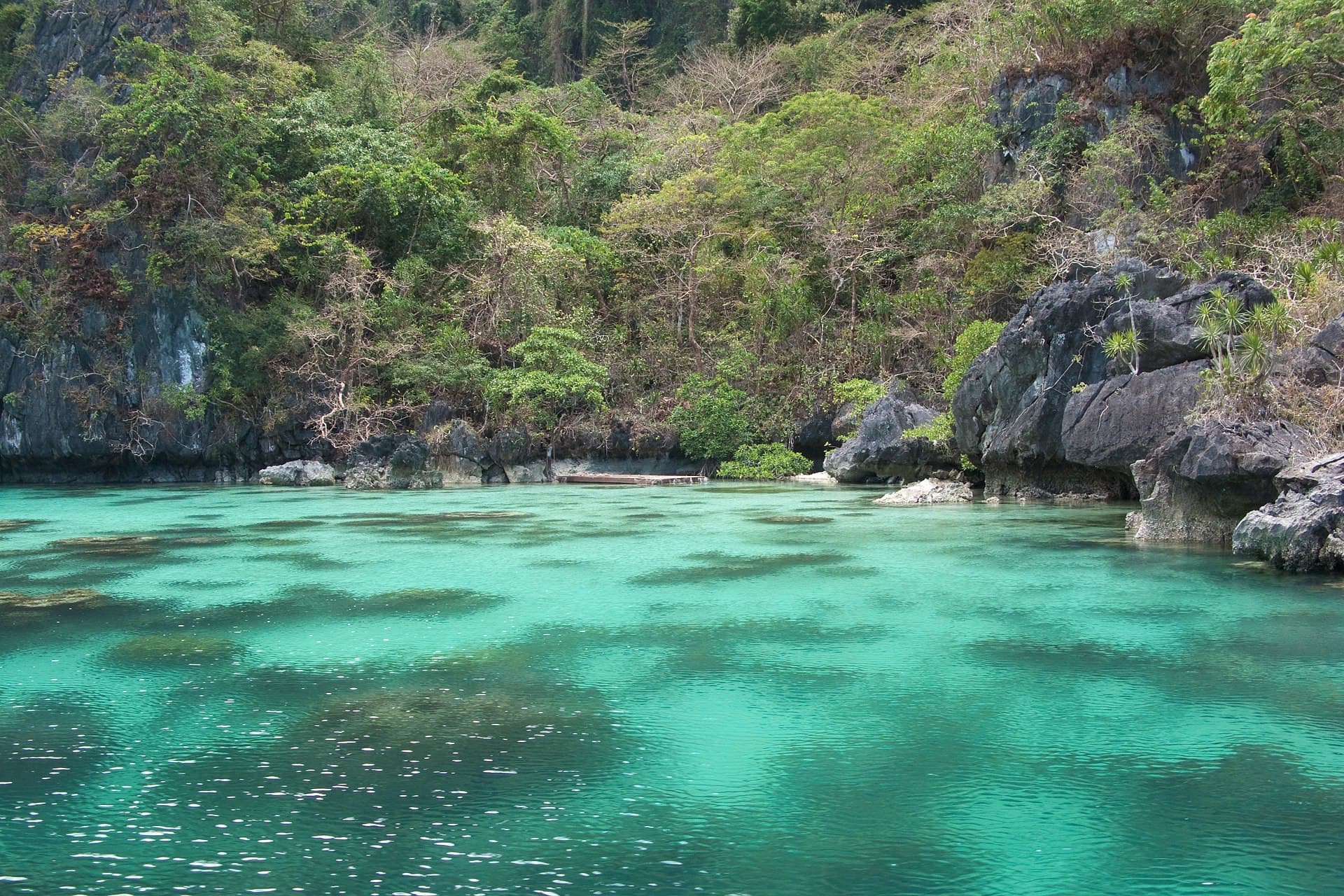
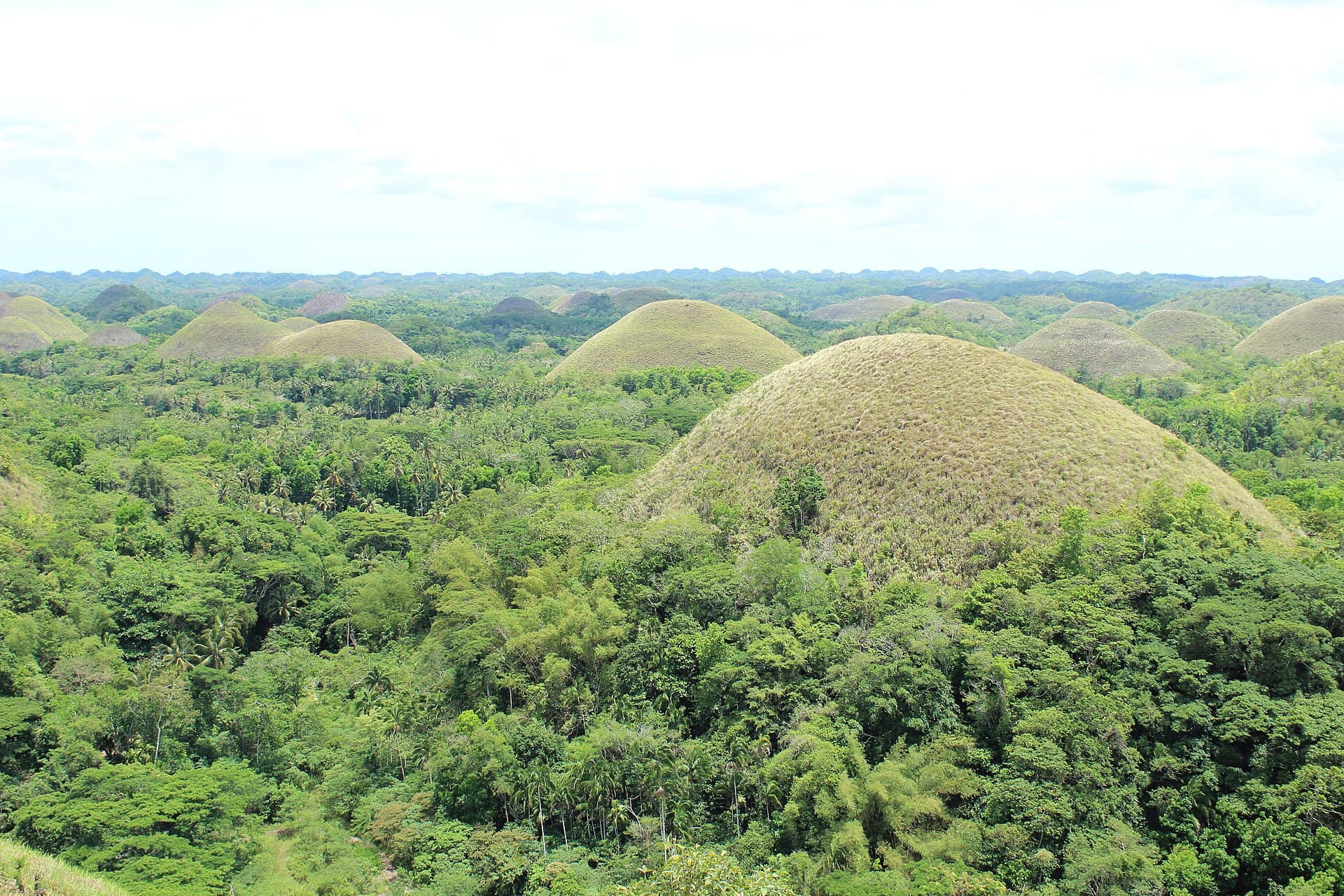
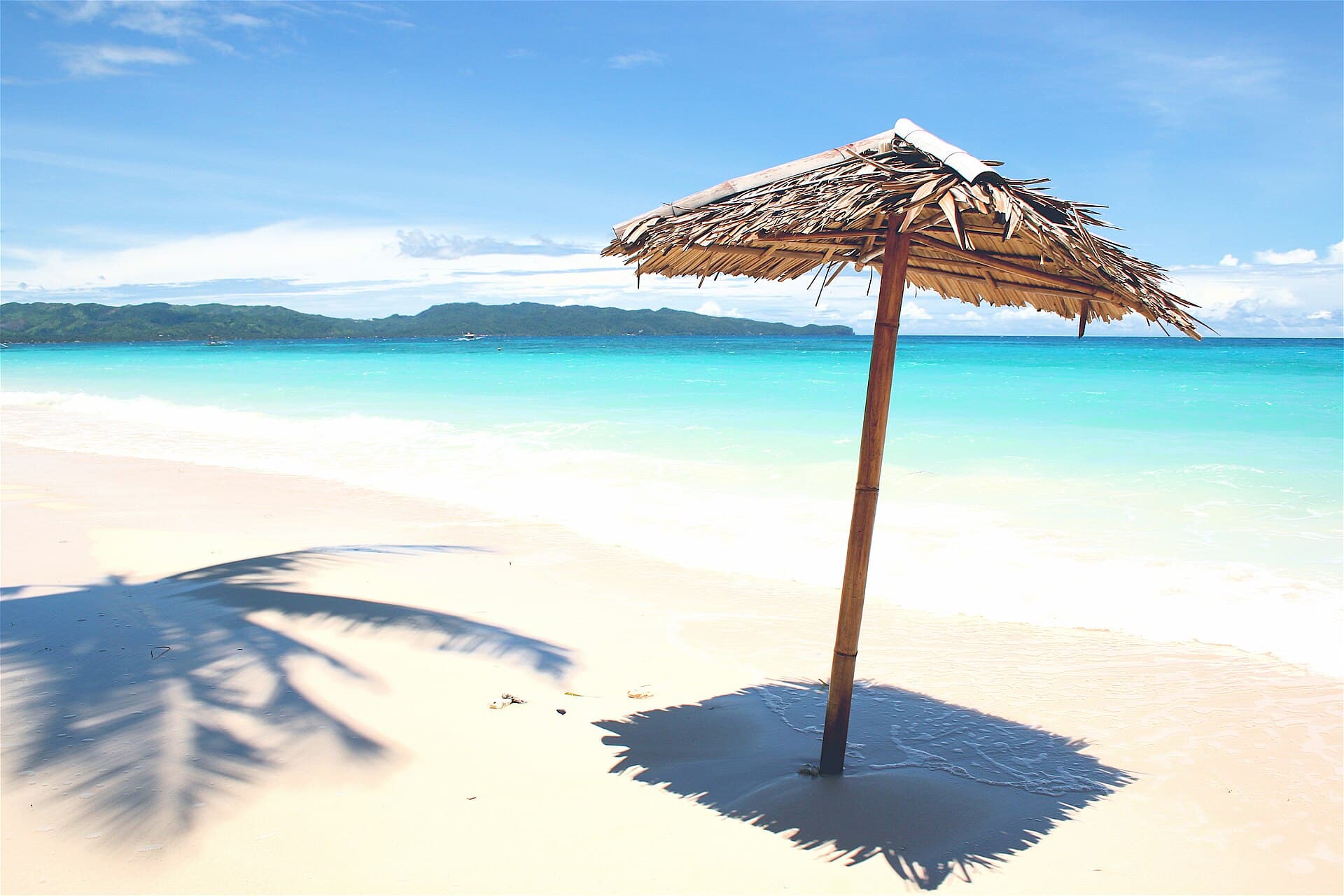
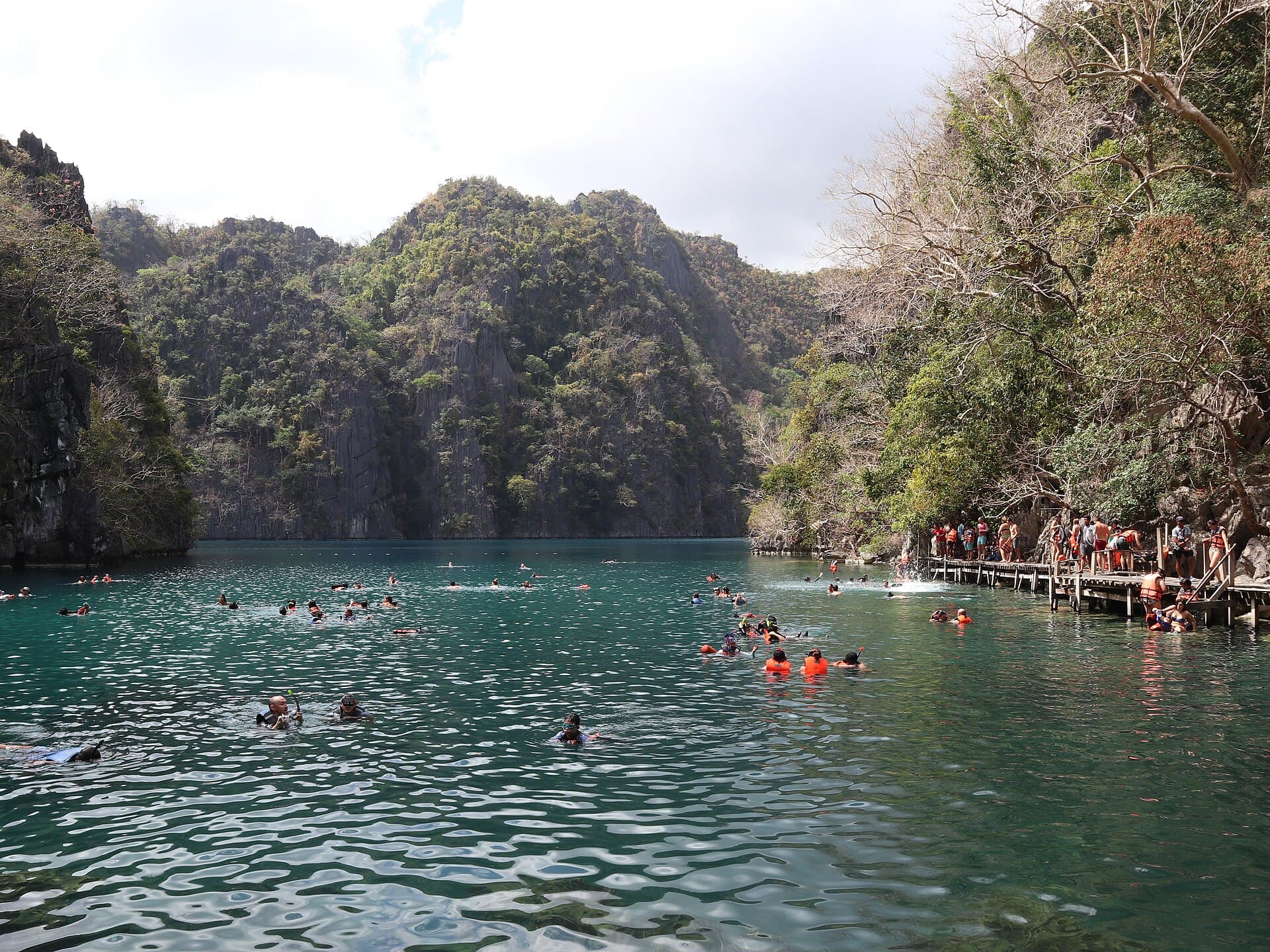
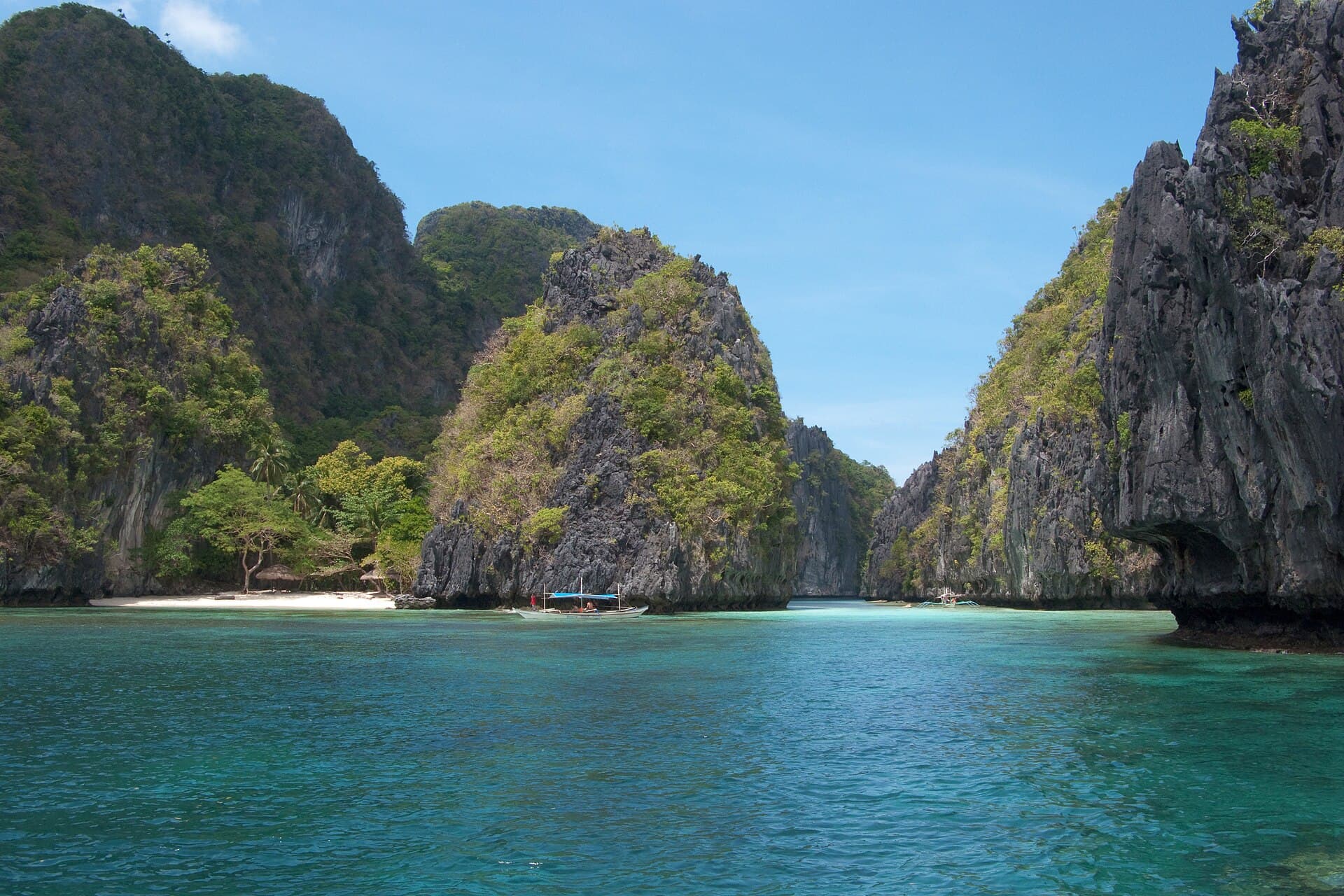
The Philippines spread across 7,641 islands between the South China Sea and the Pacific Ocean, offering a mosaic of landscapes that rivals any beach destination in the world. Palawan, repeatedly voted the most beautiful island on the planet by Travel + Leisure and Conde Nast readers, hides emerald lagoons, a UNESCO-listed underground river and some of the richest marine biodiversity on the Coral Triangle. The central Visayas concentrate a string of legendary diving sites — Tubbataha, Apo Reef, the WWII wrecks of Coron — while Bohol pairs the surreal Chocolate Hills with one of the world's smallest primates, the tarsier. Boracay's White Beach still claims a spot on every shortlist of Asia's finest stretches of sand, restored and tightly regulated since the landmark 2018 closure.
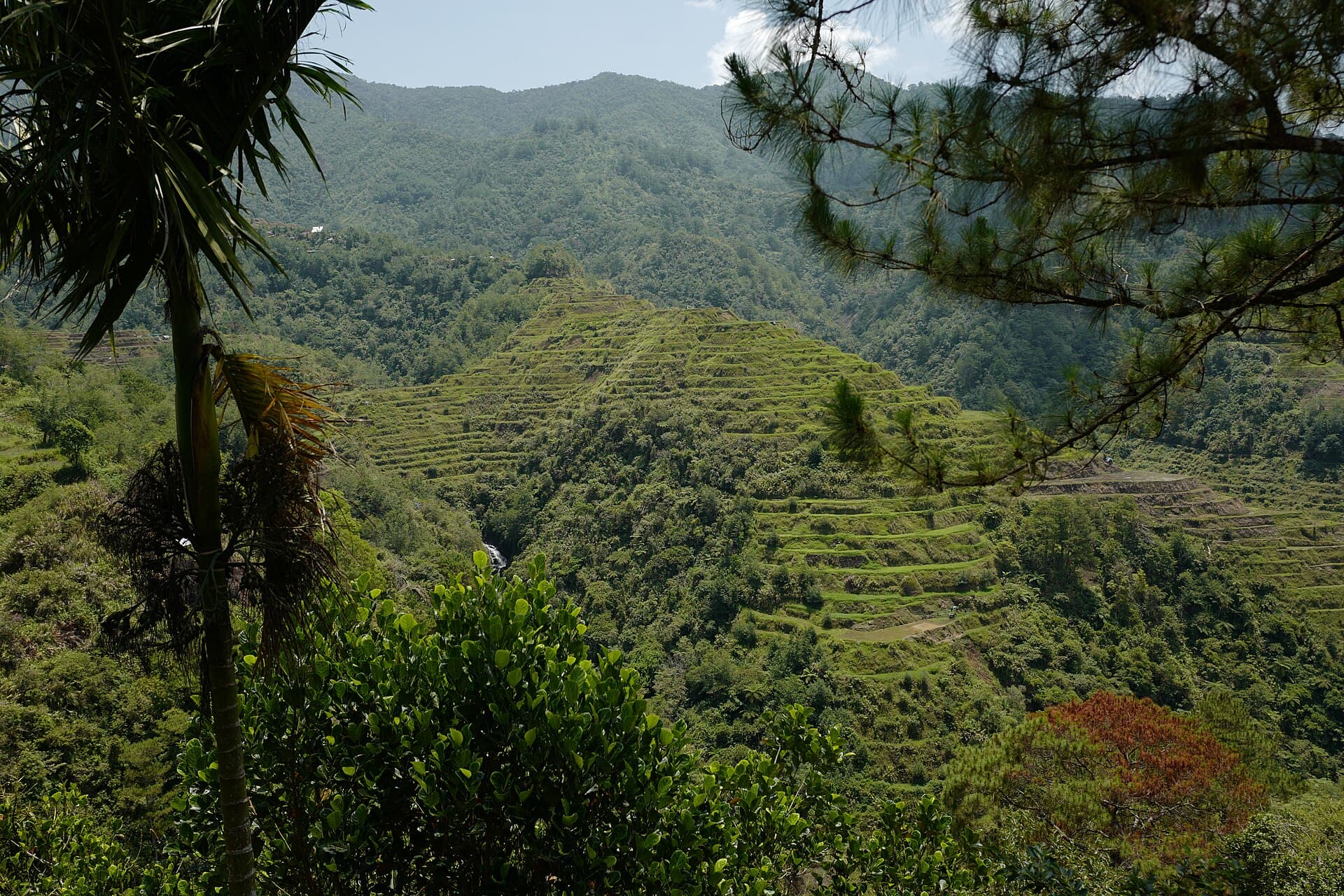
The country also stands out for its rare cultural blend, the legacy of three centuries of Spanish rule, half a century of American presence and a deep Malay-Austronesian foundation. Roman Catholicism shapes a vibrant calendar of fiestas, baroque churches and the world's longest Christmas season. Crucially for international travelers, English is one of two official languages and is spoken almost everywhere — signs, menus, hotel receptions, boat captains — which makes the Philippines one of the most accessible destinations in Asia for first-time visitors from the United States, Canada, Australia and the United Kingdom. Add a famously warm welcome (the bayanihan ethic of mutual help is a cultural anchor), a favorable cost base for European and North American budgets, and the sheer variety on offer — diving, hiking up active volcanoes, terraced rice fields in Banaue, surf on Siargao — and the Philippines start to look less like a single trip and more like a lifetime project.
What we love
- ✅7,641 islands for every taste: white-sand beaches, hidden lagoons, active volcanoes and terraced rice fields
- ✅World-class diving and snorkeling (Coral Triangle waters, WWII wrecks at Coron, sardine runs at Moalboal)
- ✅English spoken everywhere, which makes logistics, negotiation and conversation strikingly easy
- ✅Exceptional hospitality — the bayanihan culture of mutual support shapes how visitors are welcomed
- ✅Genuinely affordable: backpacker rooms, local meals and inter-island travel remain accessible for most budgets
What to know
- ❌Long, sometimes draining inter-island transfers (domestic flights, ferries, banca boats)
- ❌Typhoon season from June to November, which can disrupt itineraries at short notice
- ❌Uneven infrastructure: rough roads, blackouts and patchy Wi-Fi in remote areas
- ❌Manila suffers from serious traffic and air pollution — best treated as a transit point, not a destination
Explore Philippines
Regions
Popular spots
Situation
Où se situe Philippines ?
Ouvrir la carte en grand sur OpenStreetMap →Frequently asked questions
Do US, UK or Australian travelers need a visa for the Philippines?+
When is the best time to visit the Philippines?+
How many days do I need in the Philippines?+
El Nido vs Coron — which one should I pick?+
Is Boracay still worth visiting after the 2018 closure?+
Is the Chocolate Hills tour in Bohol worth it?+
How do I get around between the islands in the Philippines?+
Are the Philippines safe for travelers?+
Our verdict
The Philippines rank among the most spectacular and least packaged island destinations in Southeast Asia, combining world-class diving, iconic lagoons and the kind of warm hospitality that other countries advertise but Filipinos actually deliver. The depth of the archipelago is rare: between the UNESCO-listed Puerto Princesa Underground River, the Bacuit lagoons at El Nido, the WWII wrecks of Coron, the White Beach of Boracay and the Chocolate Hills of Bohol, every island opens a fresh chapter. The ease of communication in English and affordable day-to-day prices — €25–35 for backpackers, €50–80 for comfortable mid-range, €200+ for the high-end eco-resorts on Palawan — make the country a confident first foray into Asian island travel as well as a deeply rewarding return destination for divers and photographers.
The friction is real but rarely deal-breaking. Inter-island logistics — domestic flights, fast ferries, banca boats — require patience, padding in the itinerary and a willingness to lose half a day to a cancelled crossing. The typhoon season (June to October, with a statistical peak in September-October) can derail tightly planned schedules and should be respected rather than ignored. For a first visit, target December to March, focus on Palawan paired with one Visayan island, and book domestic flights as soon as your dates are locked in. Come with low expectations on infrastructure outside major tourist nodes and high expectations on natural beauty — the Philippines reward both, and quietly outperform almost every other tropical destination in the region on a like-for-like basis. Bring reef-safe sunscreen, learn to say salamat (thank you), and plan a follow-up trip before you leave: nobody we know has visited the Philippines once.
Réserver votre séjour
Liens partenaires — une commission peut nous être reversée, sans surcoût pour vous.
HébergementAnnulation gratuiteHôtels & resorts aux Philippines
Des auberges de plage aux resorts insulaires d'El Nido, Boracay et Bohol : comparez les hébergements de tout l'archipel.
ActivitéCoup de cœurÎle-hopping & plongée aux Philippines
Tours d'île à El Nido, plongée sur épaves à Coron, rencontre avec les tarsiers de Bohol : réservez vos activités.
VolComparateurVols vers les Philippines
Manille et Cebu via une escale en Asie ou au Moyen-Orient : comparez les compagnies sur 15 à 18 h de trajet.

Expert on Philippines · 1 contributions