Region
The Visayas
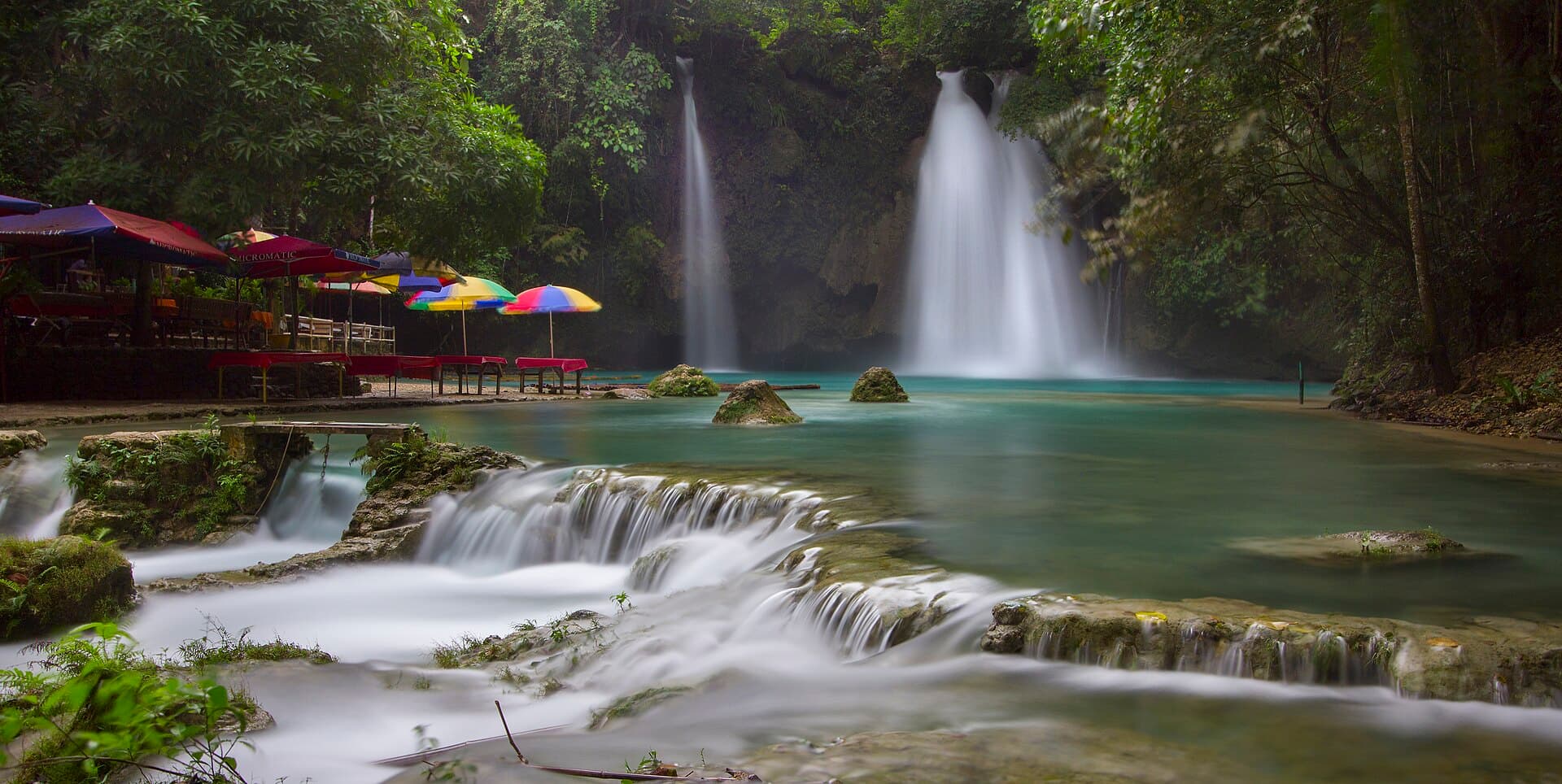
Coral reefs, volcanic hills and white-sand beaches at the heart of the Philippines — the Filipino postcard in all its glory.
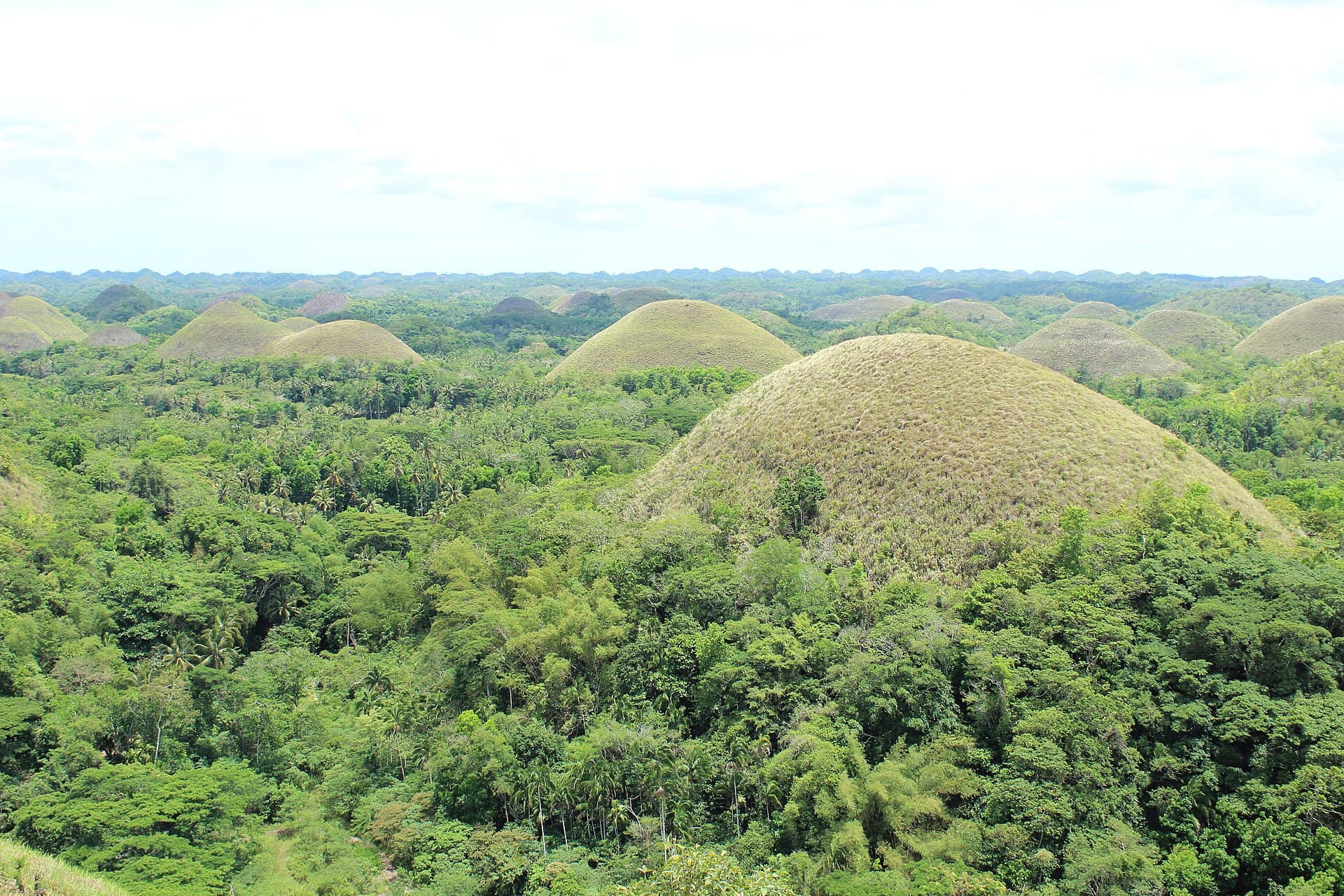
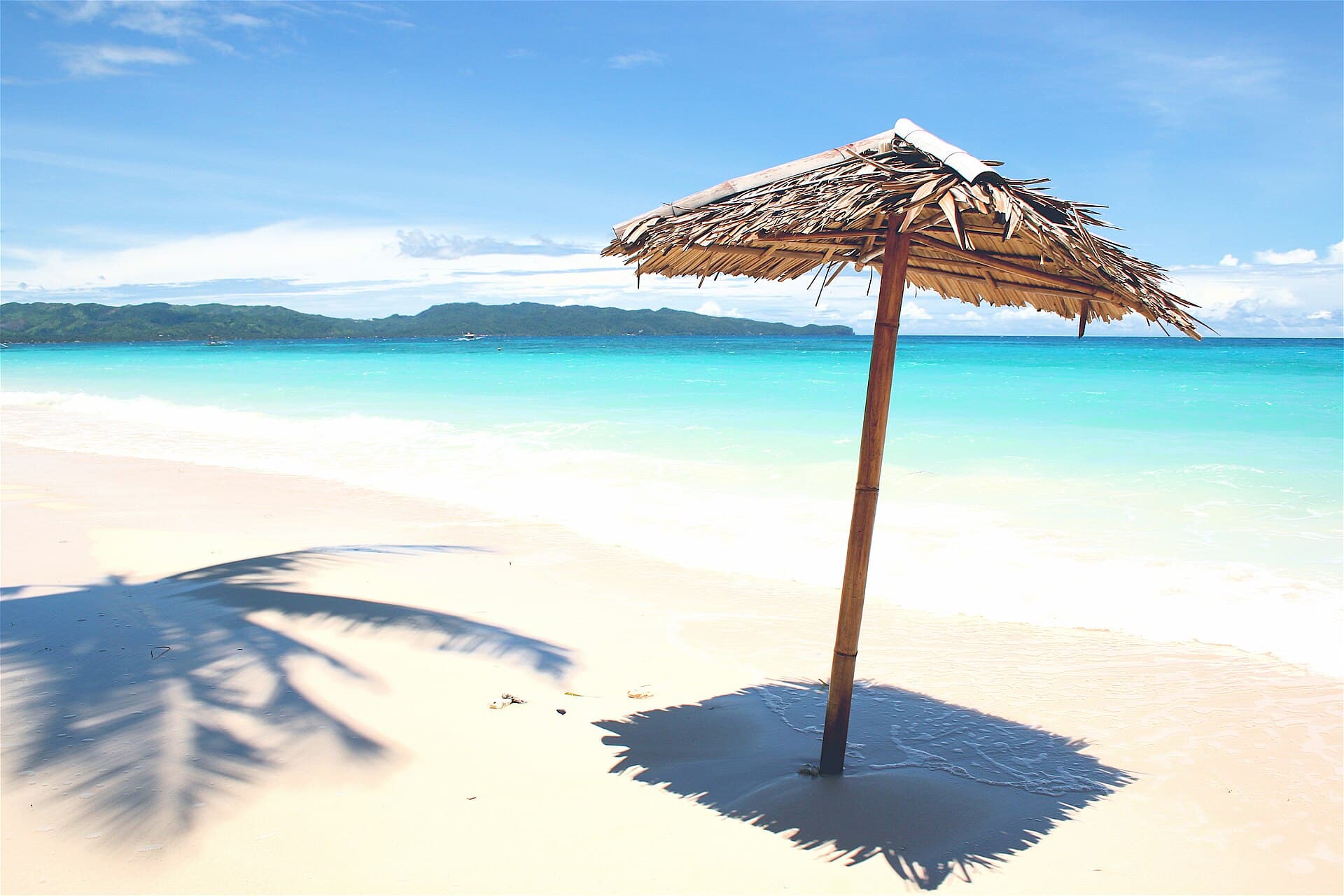
The Visayas form the central archipelago of the Philippines, organized around a handful of large islands — Cebu, Bohol, Panay (which hosts Boracay), Negros, Samar, Leyte and Siquijor — and hundreds of smaller islets scattered across crystalline seas. As the country's maritime and tourist crossroads, the region concentrates the most spectacular assets of the Philippines in a single, manageable area: powder-white beaches ranked among Asia's finest, coral reefs of exceptional biodiversity, one-of-a-kind natural sights like the Chocolate Hills and the Bohol tarsiers, and some of the richest dive routes in the Pacific.
Cebu, a busy metropolis that doubles as the country's second air hub and a major ferry port, makes it possible to radiate out toward almost any island in the region. Bohol, two hours away by fast ferry, charms with its chocolate-brown hills, tarsier sanctuaries and the white-sand beaches of Panglao. Boracay, in the northwest, is the most famous beach in the country: White Beach lines up its powder-soft sand and coconut palms in front of one of Asia's most photographed sunsets. Siquijor, more discreet, attracts divers and travelers looking for an off-the-radar atmosphere. Negros, between sugar-cane plantations and volcanoes, completes the picture of a region that is at once hyper-accessible and genuinely wild.
The Visayas work as well for travelers in search of beach time as for divers and snorkelers exploring preserved marine ecosystems, or for the culturally curious drawn to the warm, distinctive Filipino welcome — shaped by Spanish heritage and a deeply rooted fiesta tradition.
Spots in the region
Situation
Où se situe The Visayas ?
Ouvrir la carte en grand sur OpenStreetMap →Frequently asked questions
How many days do I need in the Visayas?+
How do I get between Boracay and Bohol?+
When is the best time to visit the Visayas?+
Are the Visayas good for beginner divers?+
Do US, UK or Australian travelers need a visa for the Visayas?+
Are there typhoon risks in the Visayas?+
How do I get around between the islands of the Visayas?+
What else should I see besides Boracay and Bohol in the Visayas?+
Our verdict
The Visayas are the essential Philippine region for a first encounter with the country: diversity of landscapes, the logistical ease of routing through Cebu, the quality of the dive sites, and the charm of lesser-known islands like Siquijor and the Camotes. The ideal window remains December to May. Boracay sometimes disappoints with its sheer level of activity; Bohol and the smaller islands compensate with their authenticity. With one to two weeks you can build an island circuit of real depth without ever feeling rushed.
Our recommendation: anchor your logistics on Cebu and travel between January and April for the most reliable weather. Combine three to four days in Bohol (Chocolate Hills, tarsiers, Panglao diving) with three nights on Boracay for the beach and sunset rituals, and add Siquijor or Moalboal if you have a second week. Pad a buffer night between every island leg — ferry cancellations in the Visayas happen often enough that the discipline pays for itself. The Visayas work equally well for first-time visitors to Asia and for returning divers chasing the thresher sharks of Malapascua or the sardine run at Moalboal, and remain one of the most well-balanced regions in the entire Philippines.