ville
Coron
Diving the Japanese WWII wrecks and swimming through the thermocline of Barracuda Lake — two experiences found nowhere else on Earth.
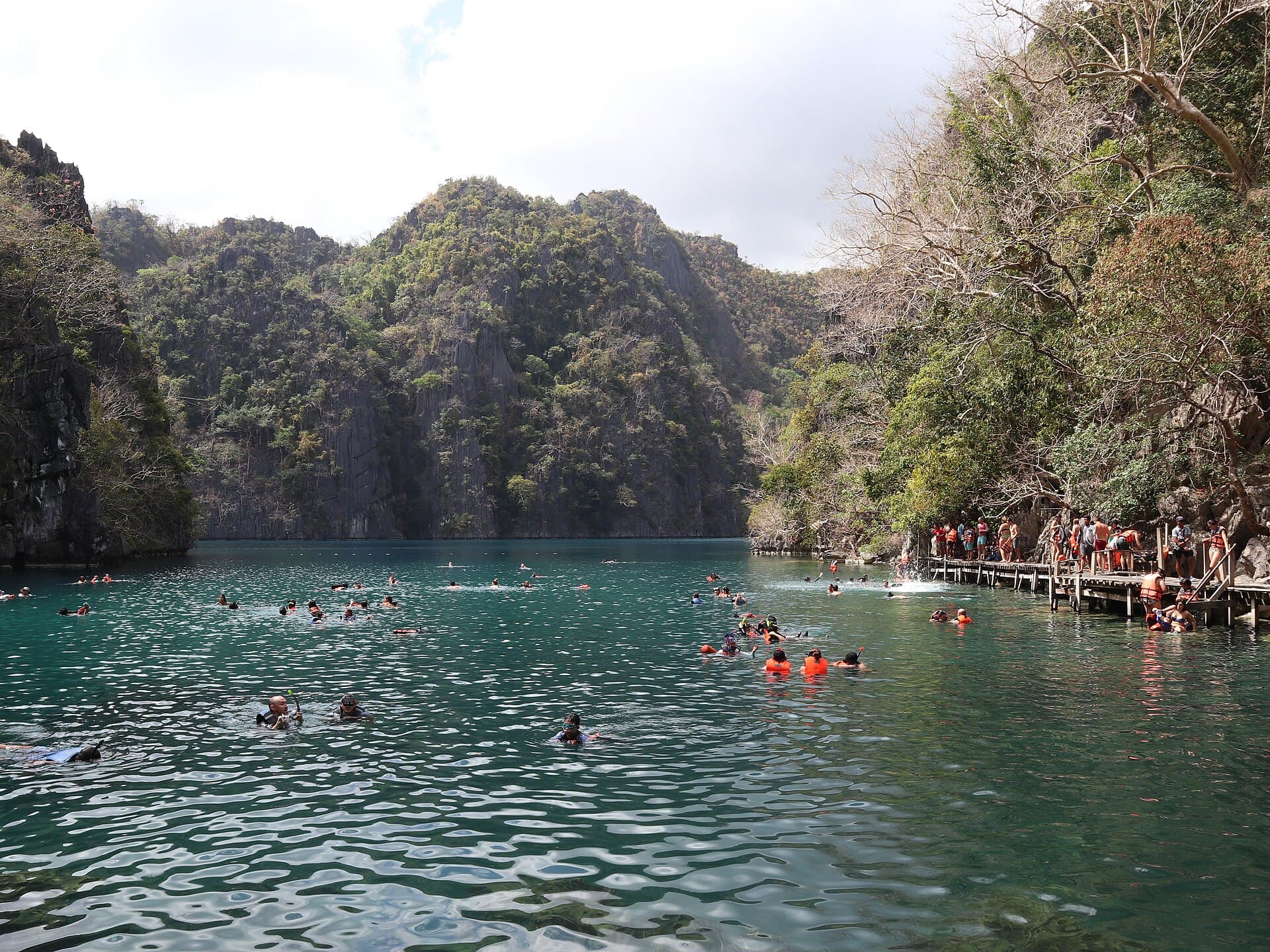
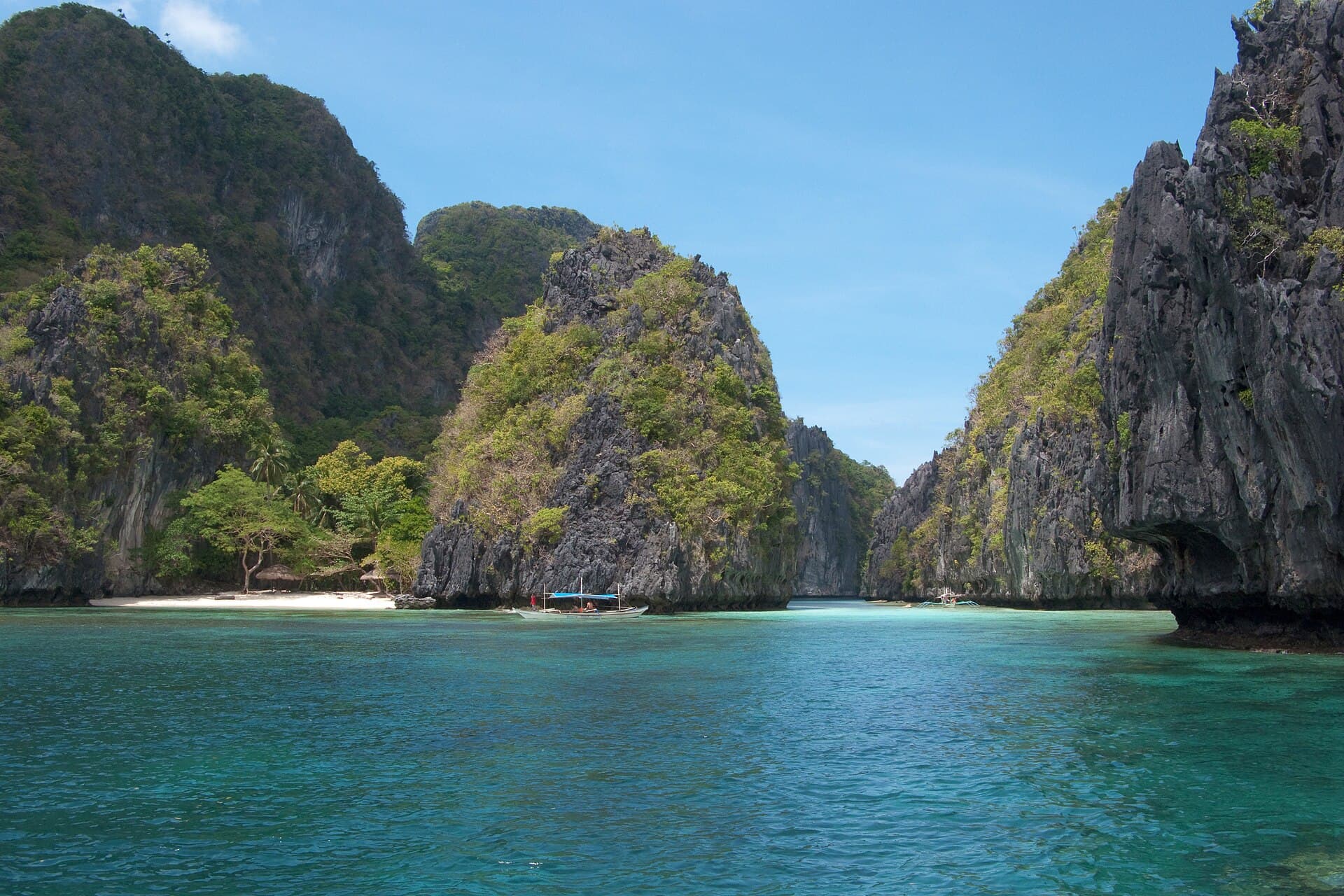
Coron is a town on Busuanga Island, in the northern part of Palawan in the Philippines. The name is also that of the neighboring island — Coron Island — whose sheer karst cliffs drop straight into impossibly blue lagoons. This is where the essentials of what makes the destination exceptional are concentrated: Kayangan Lake, frequently described as the cleanest lake in the Philippines, Barracuda Lake with its eerie thermocline layers, and Twin Lagoon, reachable at high tide through a slit in the limestone.
But Coron's international reputation rests above all on its wrecks. In September 1944, a supply fleet of the Imperial Japanese Navy was sunk by US naval aviation in the strait that separates Busuanga from Coron Island. Today a dozen wrecks rest at depths of 10 to 40 meters, colonized by corals and patrolled by tropical fish. Diving the Olympia Maru, the Irako or the Akitsushima ranks among the most intense wreck dives in Southeast Asia, and probably the world.
Coron remains an authentic destination, still relatively spared by mass tourism despite rising visitor numbers. The lively, affordable town center contrasts with the wild beauty of the surrounding seascape. It's an ideal base from which to explore the lagoons and islands, and an essential leg of any trip to Palawan — particularly when paired with El Nido via the 4–5 hour fast ferry.
What we love
- ✅WWII wrecks: a wreck-diving experience unique in Southeast Asia
- ✅Coron Island lakes of striking beauty and clarity
- ✅Destination still authentic and affordable by Palawan standards
- ✅Lagoons, islands and karst landscapes of exceptional richness
- ✅The natural Maquinit hot springs, perfect after a day of diving
What to know
- ❌Long, complex access from Europe (minimum 20 hours of travel)
- ❌Severe wet season: tours frequently cancelled from July to October
- ❌Tourist infrastructure still limited by international comfort standards
- ❌Coron Island can only be visited on an organized tour — little independent access
Situation
Où se situe Coron ?
Ouvrir la carte en grand sur OpenStreetMap →Frequently asked questions
How many days should I spend in Coron?+
Do I need to dive to enjoy the wrecks of Coron?+
How do I get to Coron from Manila or El Nido?+
Coron or El Nido — which should I pick?+
Are organized tours mandatory on Coron Island?+
What budget should I plan for a wreck dive day?+
When is the best time to visit Coron?+
Can you swim in Kayangan Lake?+
Our verdict
Coron is one of the great revelations of the Philippine archipelago: it pairs the underwater richness of the 1944 wrecks with the terrestrial beauty of the lakes and lagoons of Coron Island, in a setting that is still well-preserved and accessible on a reasonable budget. This isn't a beach-lounging destination — it's an exploration destination. Every day organizes itself around a boat trip, a dive or a hike up to the Mount Tapyas viewpoint at sunset. For travelers in the dry season (December to May), Coron is one of the essential experiences in Southeast Asia and an easy argument for the long flight to the Philippines.
Our recommendation: budget at least four to five days, combine one or two diving days on the wrecks with a full day on Coron Island, save an evening for the Maquinit hot springs and an early morning for Mount Tapyas before the heat. Skeleton Wreck and the Olympia Maru are accessible to certified open-water divers; the Irako rewards more experienced divers willing to do a deeper, longer dive. If your trip allows, link Coron to El Nido via the fast ferry — the two destinations complement each other and together make up the strongest case for choosing Palawan over the more crowded Visayas. Travel between January and March for the most stable weather, book domestic flights as soon as your dates are confirmed, and bring reef-safe sunscreen.
Réserver votre séjour
Liens partenaires — une commission peut nous être reversée, sans surcoût pour vous.
 HébergementAnnulation gratuite
Hôtels & resorts aux Philippines
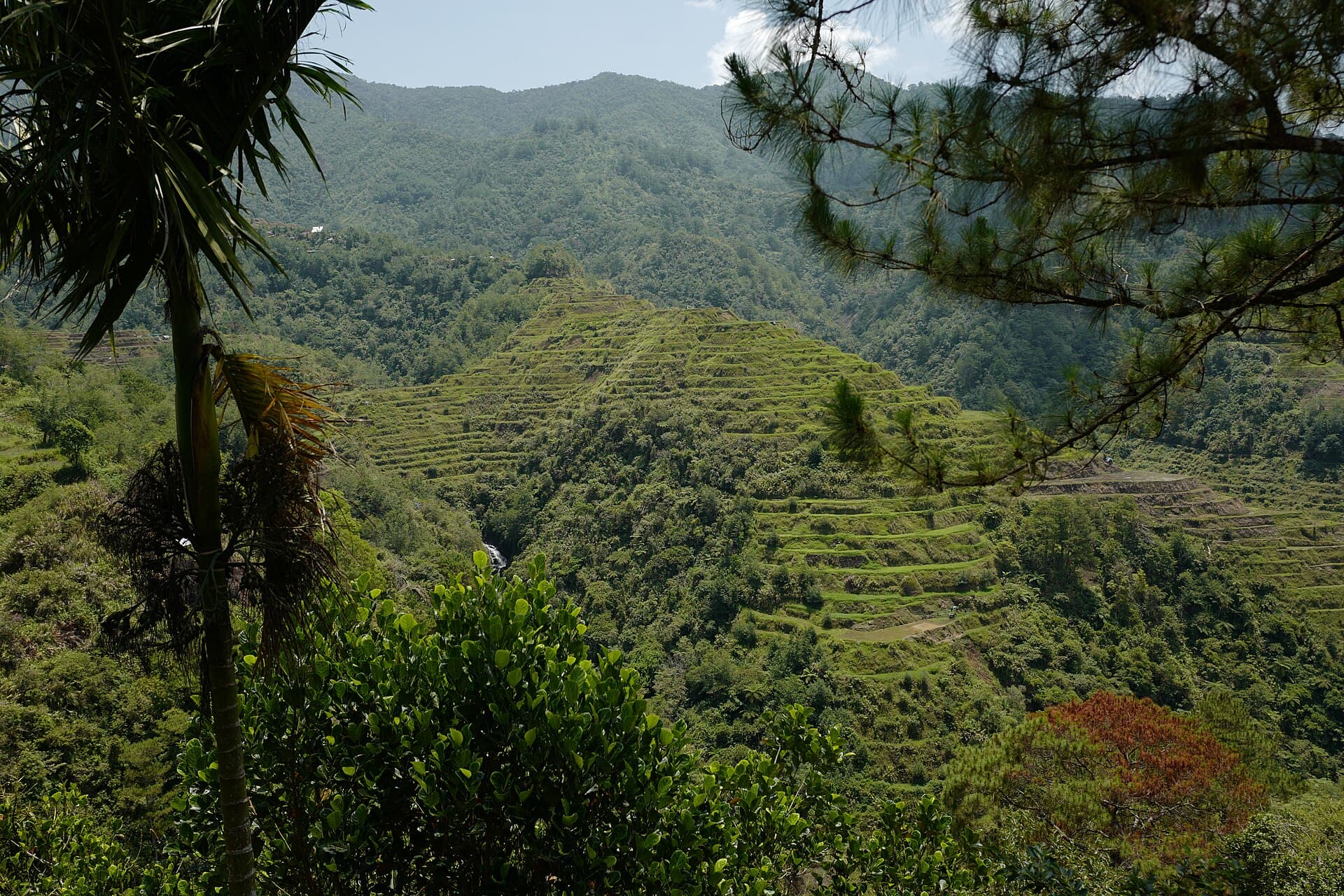
Des auberges de plage aux resorts insulaires d'El Nido, Boracay et Bohol : comparez les hébergements de tout l'archipel.
ActivitéCoup de cœurÎle-hopping & plongée aux Philippines
Tours d'île à El Nido, plongée sur épaves à Coron, rencontre avec les tarsiers de Bohol : réservez vos activités.
VolComparateurVols vers les Philippines
Manille et Cebu via une escale en Asie ou au Moyen-Orient : comparez les compagnies sur 15 à 18 h de trajet.
Nearby

"Janvier est le meilleur mois : ciel bleu garanti, mer plate et visibilité sous-marine de 20 à 30 mètres — réservez les sorties plongée dès l'arrivée."
Expert on Coron · 1 contributions