ile
Boracay
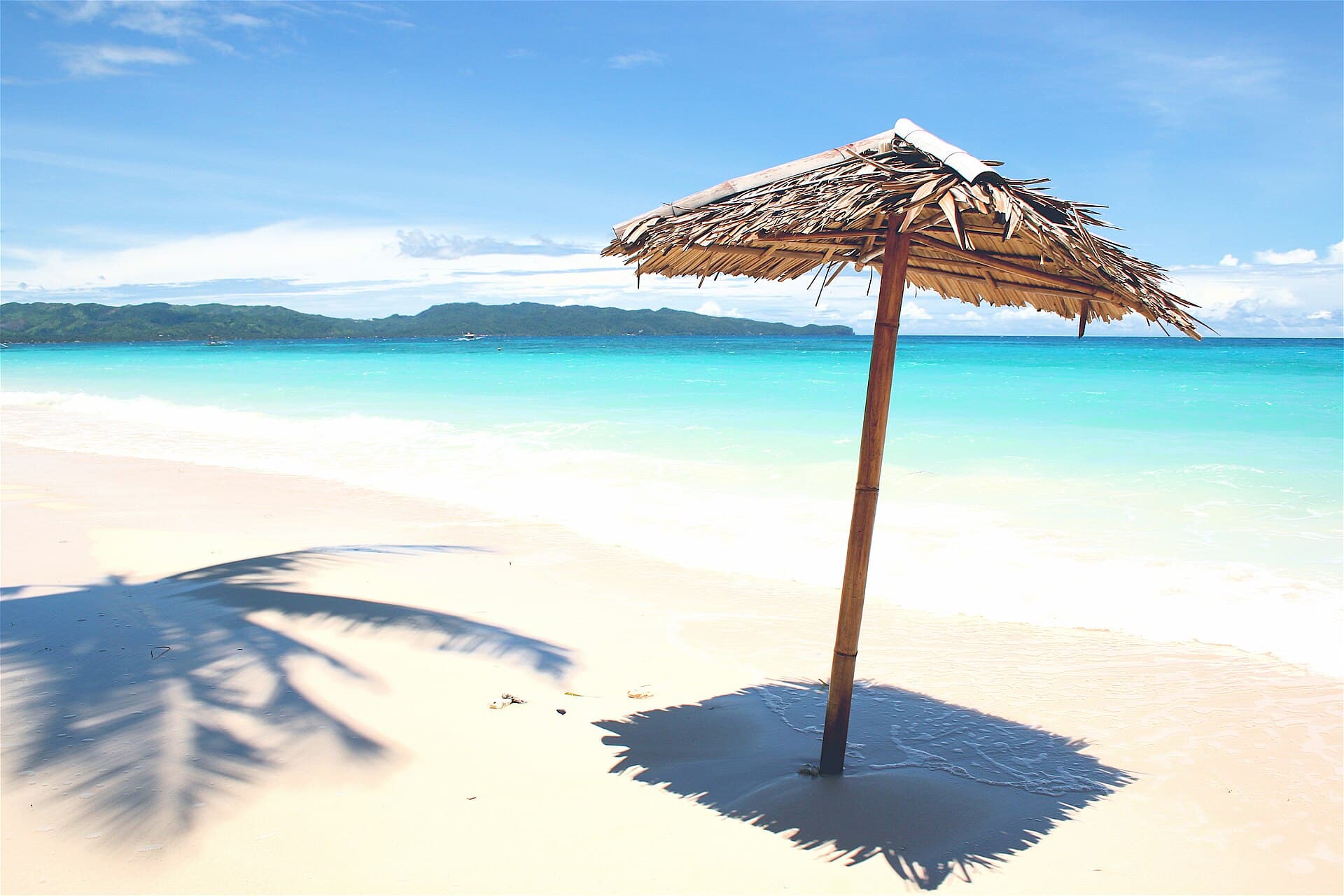
White Beach and its flour-soft sand, three kilometres of coconut palms, paraw sunset sailing and kitesurfing at Bulabog — Boracay is the Philippine tropical island dream.
Boracay is a small island in the province of Aklan, in the central Visayas of the Philippines, and the country's most famous beach destination. Barely 7 kilometers long, it owes its reputation to White Beach: three kilometers of sand as fine as flour, lined with coconut palms and washed by water in every shade of turquoise and azure. The strip is framed by Stations 1, 2 and 3, three numbered zones with very different personalities — quiet luxury in the north, lively dining and shopping in the middle, backpacker energy and value in the south.
After years of unchecked development, the Philippine authorities took the radical step of closing the island for six months in 2018 for a full clean-up: rebuilt sewage system, illegal beachfront structures torn down, daily visitor capacity capped. Boracay reopened in October 2018 in a state widely judged better than before the shutdown. The rehabilitation has been a clear success — the water is clearer, the beaches are cleaner, and tourism is now framed by strict environmental rules. The small environmental fee of PHP 75 (about US$1.30) is collected on arrival and funds ongoing maintenance.
Boracay also has Puka Beach at the northern tip, wild and lightly visited, and Bulabog Beach on the east coast, a world-class kitesurfing and windsurfing arena thanks to the steady amihan winds from November to May. For divers and snorkelers, the reefs around Crocodile Island and Laurel Island reveal exceptional marine life. In the evening, Station 2 comes alive with beachside bars and restaurants where you sip a passion-fruit shake while the sun drops into the Sulu Sea — a ritual that on its own justifies a stop on the island.
What we love
- ✅White Beach: one of the finest white-sand stretches in Southeast Asia
- ✅World-class kitesurfing and windsurfing on Bulabog Beach
- ✅Diving and snorkeling on well-preserved coral reefs
- ✅Island rehabilitated in 2018: cleaner waters and tighter environmental management
- ✅Wide accommodation range from budget to luxury, suitable for any traveler profile
What to know
- ❌Very busy in high season — White Beach can feel crowded
- ❌Lively nightlife around Station 2: not for travelers seeking total quiet
- ❌Wet season (June–October) brings real typhoon risk
- ❌Multi-leg access (flight plus ferry) longer than for some other Philippine islands
Situation
Où se situe Boracay ?
Ouvrir la carte en grand sur OpenStreetMap →Frequently asked questions
How many days do I need in Boracay?+
Which White Beach station should I pick on Boracay?+
How do I get to Boracay from Manila or Europe?+
Is Boracay still worth it after the 2018 closure?+
Do US, UK or Australian travelers need a visa for the Philippines?+
When is the best time to kitesurf on Boracay?+
Can you dive on Boracay?+
Are there typhoon risks on Boracay?+
Our verdict
Boracay fully earns its place among the most beautiful islands in Southeast Asia. The 2018 closure-and-rehabilitation gave it back its sparkle, and the regulated tourism framework today delivers a noticeably more enjoyable experience than it did in the late 2000s. White Beach remains a benchmark, and the variety of activities — kitesurfing, diving, paraw sailing, island day trips — keeps the destination from feeling one-note. The crowd factor is real but easily managed: walk White Beach at sunrise, head north to Puka Beach for the quietest mid-day, and choose your station to match your travel style.
For the best balance of weather and value, come between November and March, book ahead if you're targeting peak season, and pick your station based on your priorities: Station 1 for calm and high-end resorts, Station 2 for the heart of the action and the easiest logistics, Station 3 for budget travelers and a more local feel. Pair Boracay with three or four days in Bohol for the Chocolate Hills and Balicasag diving, and you've got a strong Visayan week. Boracay is no longer the cautionary tale it briefly was a decade ago — it's a regulated, well-run destination that rewards travelers who plan a little ahead and bring realistic expectations about the level of activity around them.
Réserver votre séjour
Liens partenaires — une commission peut nous être reversée, sans surcoût pour vous.
 HébergementAnnulation gratuite
Hôtels & resorts aux Philippines
Des auberges de plage aux resorts insulaires d'El Nido, Boracay et Bohol : comparez les hébergements de tout l'archipel.
ActivitéCoup de cœurÎle-hopping & plongée aux Philippines
Tours d'île à El Nido, plongée sur épaves à Coron, rencontre avec les tarsiers de Bohol : réservez vos activités.
VolComparateurVols vers les Philippines
Manille et Cebu via une escale en Asie ou au Moyen-Orient : comparez les compagnies sur 15 à 18 h de trajet.
Nearby

"Janvier est le mois de l'amihan à son meilleur : ciel bleu, brise légère, mer turquoise côté White Beach. Le meilleur moment pour le kitesurf et pour profiter des couchers de soleil sans nuages."
Expert on Boracay · 1 contributions