Region
Palawan
The island-province of secret lagoons and WWII shipwrecks, consistently ranked among the world's most beautiful islands.
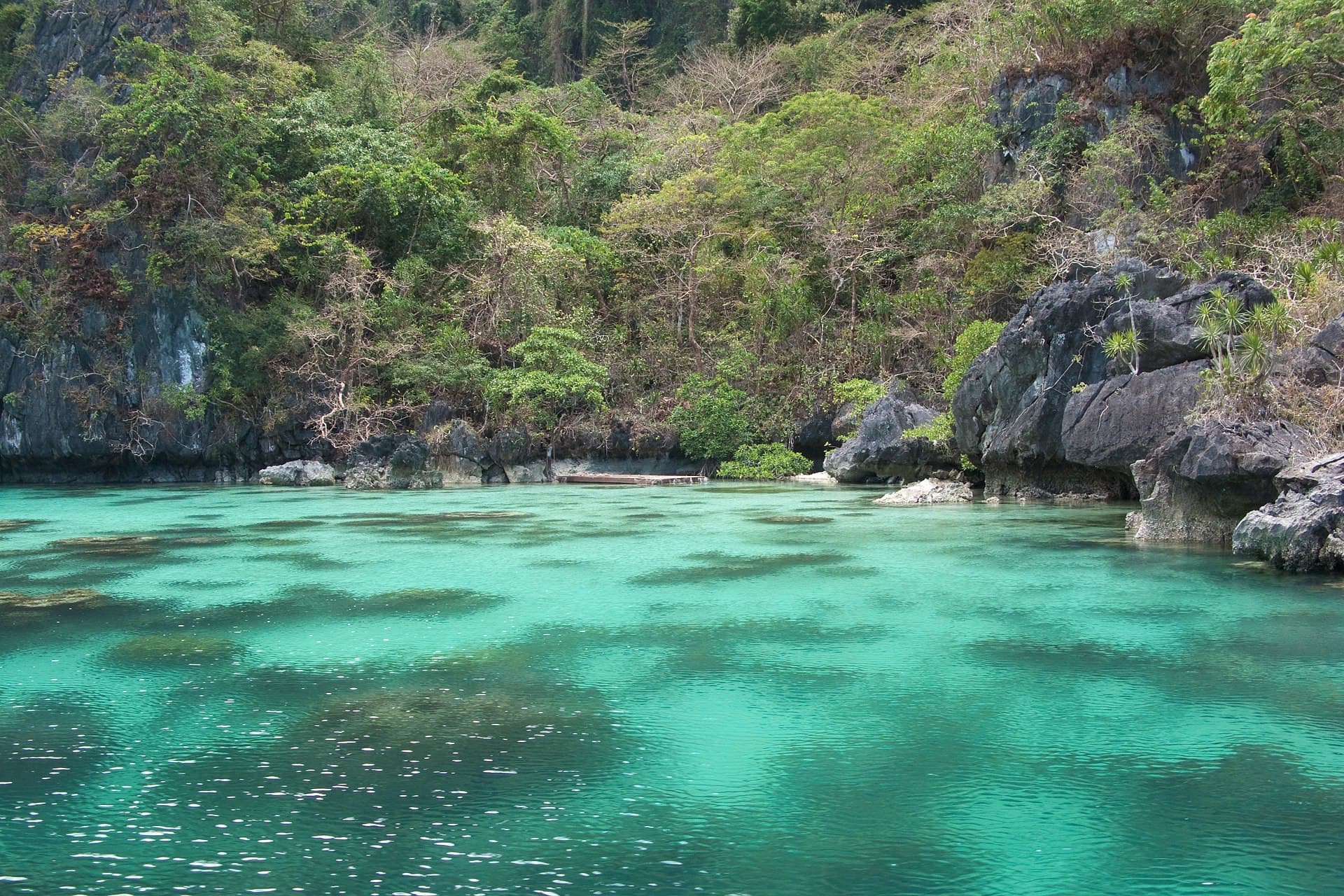
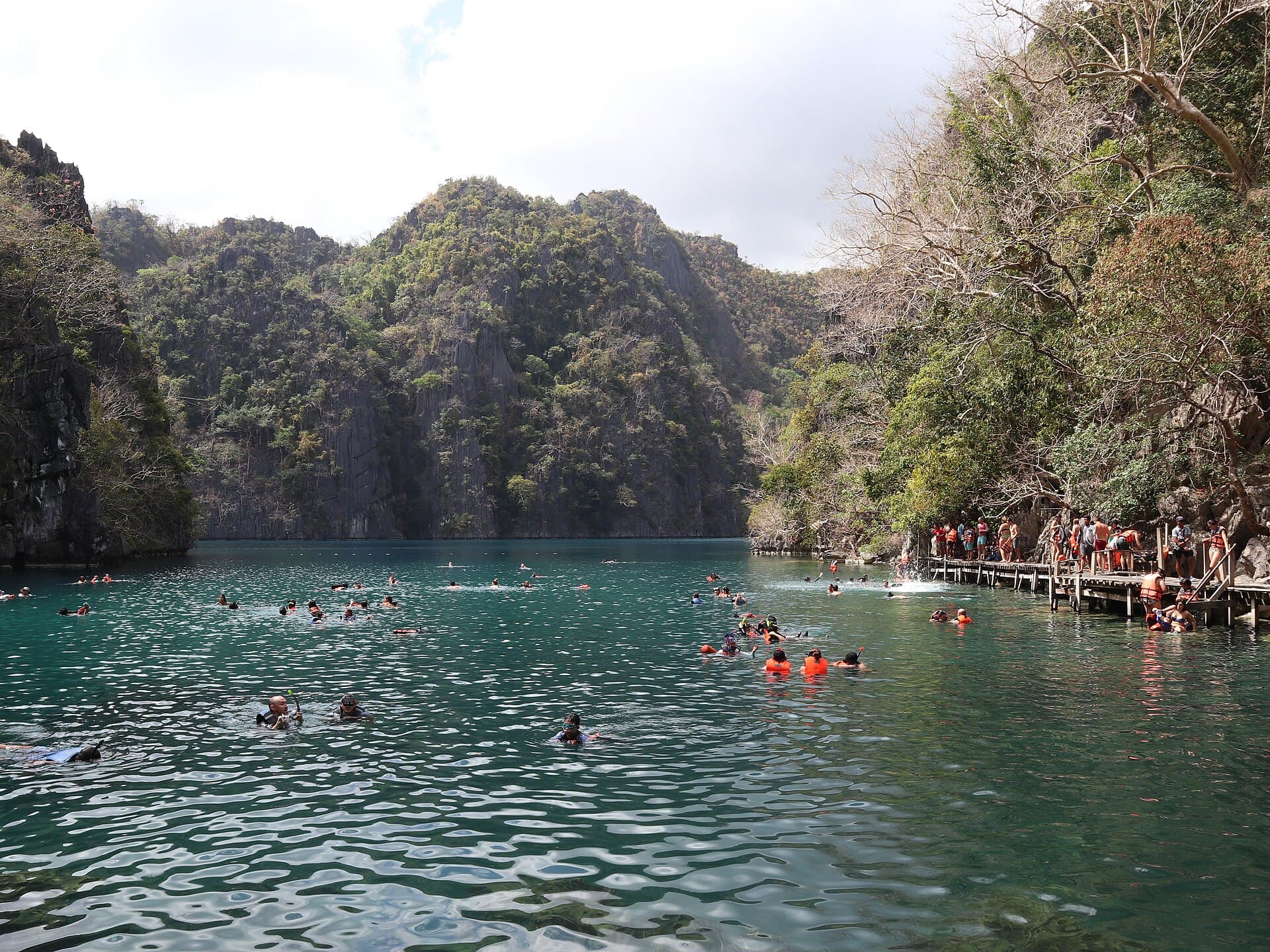
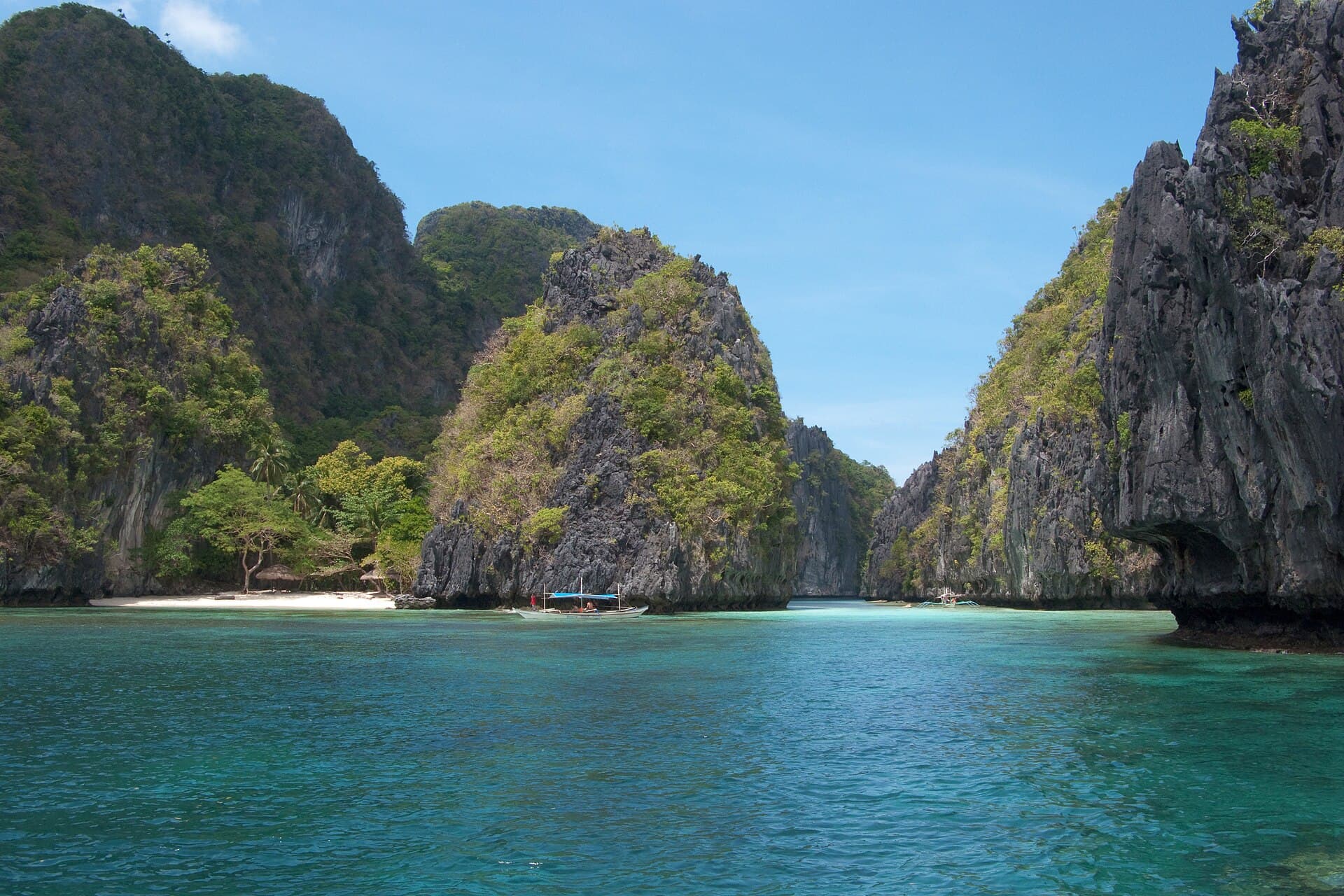
Palawan is a long, narrow island-province stretching more than 400 km through the southwest of the Philippines, and a near-permanent fixture on global lists of the world's most beautiful islands. It concentrates two complementary destinations that together built its legend: at the north, El Nido and the Bacuit archipelago of vertical limestone cliffs, hidden lagoons and powdery white beaches; at the northeast, Coron on Busuanga Island, whose waters shelter a sunken Japanese fleet from 1944 that has become one of the world's premier wreck-diving sites.
Between these two anchor points, Palawan unfolds a biodiversity rare even by Southeast Asian standards: untouched coral reefs, primary forest classified as a UNESCO Biosphere Reserve, and the Puerto Princesa Subterranean River — itself a UNESCO World Heritage site and one of the longest navigable underground rivers on the planet. The Sulu Sea and the Mindoro Strait frame the archipelago with some of the richest waters of the Coral Triangle, the global epicenter of marine biodiversity. Palawan is not just a postcard image — it's an adventure, diving and exploration destination that fully justifies the long flight, with infrastructure that has matured enough to host first-time visitors comfortably without losing the wildness that made the region famous.
Spots in the region
Situation
Où se situe Palawan ?
Ouvrir la carte en grand sur OpenStreetMap →Frequently asked questions
How many days do I need in Palawan?+
How do I get between El Nido and Coron?+
When is the best time to visit Palawan?+
Do I need to be a diver to enjoy Palawan?+
How do I get to Palawan from the United States or Europe?+
Is Palawan a good solo travel destination?+
Are there typhoon risks in Palawan?+
Our verdict
Palawan fully deserves its reputation as one of the most beautiful islands on the planet. The duality of the province — the photogenic El Nido in the north, the dive-focused Coron in the northeast — makes it possible to build a rich, varied trip whether your priority is snorkeling from a banca, technical wreck diving or simply doing nothing on a deserted beach. The logistical friction (long-haul flight, domestic connections, weather-dependent ferries) is real, but it's part of what has kept Palawan from being overrun and what still preserves the wildness that makes a visit worthwhile.
Our recommendation: come in the dry season, ideally December to April, and budget at least seven days so you can split time between El Nido and Coron without spending the whole trip in transit. Pair the lagoon tours of Bacuit Bay with two or three wreck dives in Coron, leave a buffer day for the inter-island ferry, and consider extending southward to Port Barton or Puerto Princesa for a quieter coda. Book domestic flights the moment your international dates are confirmed — fares double during Christmas, Easter and Chinese New Year, and the best island-hopping tours fill up weeks in advance. Palawan rewards travelers who arrive with a flexible mindset and a willingness to be moved by genuinely extraordinary landscapes.