
Expert on Philippines · 1 contributions
The best periods
The best time to visit Philippines is December to May (dry season).
Saison sèche — haute saison touristique
- ✅Ciel clair et mer calme, idéal pour la plongée et la navigation entre les îles
- ✅Conditions parfaites pour explorer Palawan et les Visayas
- ✅Luminosité exceptionnelle pour la photo sous-marine
- ❌Haute saison : prix en hausse et sites phares comme El Nido plus fréquentés
- ❌Chaleur intense de mars à mai (35-38 °C), humidité importante
Saison des pluies — typhons et verdure
- ✅Tarifs nettement plus bas en hébergement et sur les vols
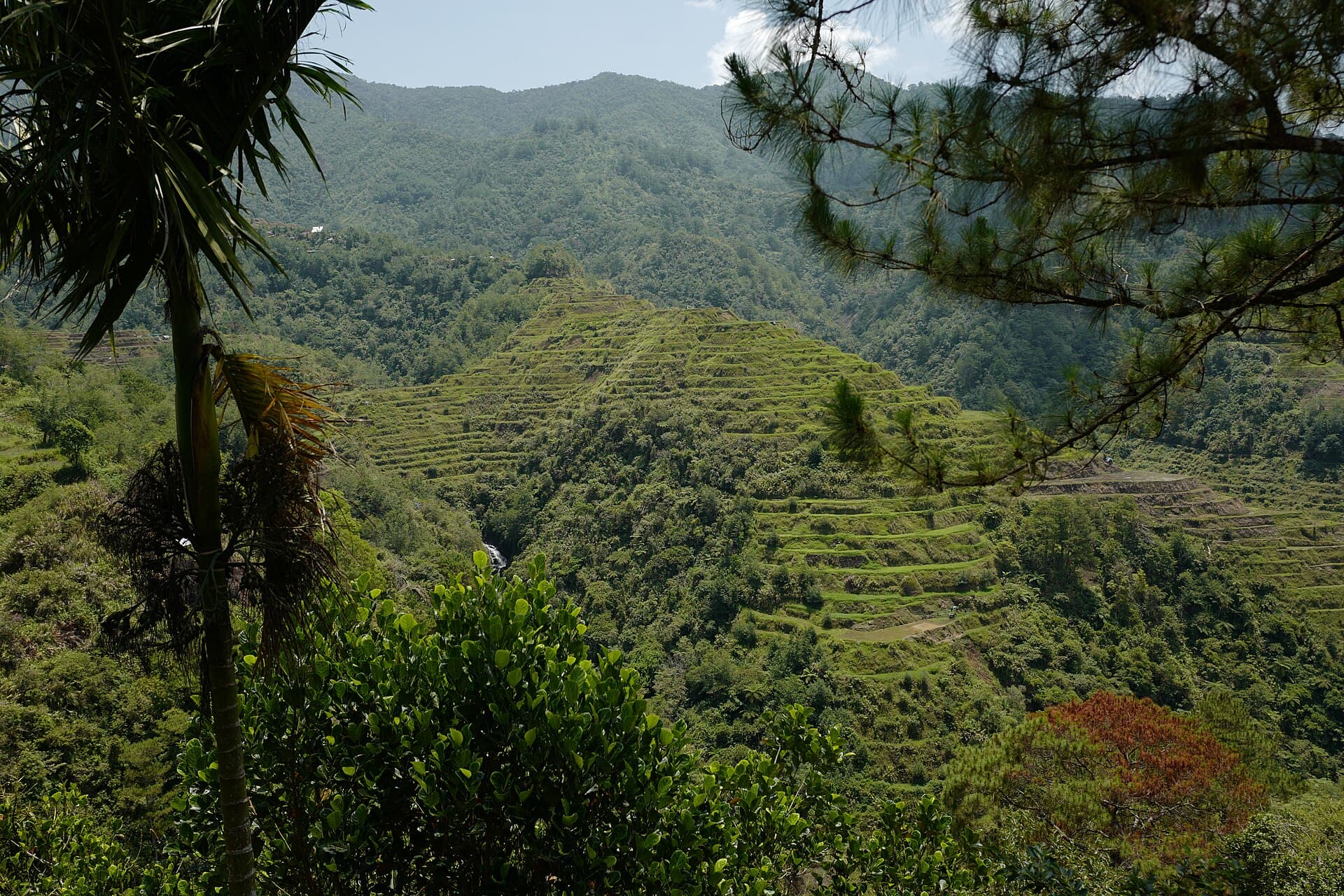
- ✅Végétation luxuriante, paysages plus verts et moins de foule
- ❌Typhons fréquents entre juillet et octobre, pouvant perturber la navigation
- ❌Certaines liaisons inter-îles annulées ; activités nautiques réduites
- ❌Précipitations importantes, surtout sur la côte Est des îles
Fin de saison sèche — chaleur et effervescence
- ✅Fêtes populaires (Sinulog à Cebu en janvier, Ati-Atihan à Aklan)
- ✅Eaux cristallines au maximum de leur clarté pour la plongée
- ❌Températures au pic (37-39 °C à Manille en avril-mai)
- ❌Affluence maximale sur les plages de Boracay
Climate by destination
The climate varies sharply from one region to another. See the month-by-month detail — temperatures, sea, crowds and flight prices — on each destination's 'when to go' page.
Frequently asked questions
Do US, UK or Australian travelers need a visa for the Philippines?+
When is the best time to visit the Philippines?+
How many days do I need in the Philippines?+
El Nido vs Coron — which one should I pick?+
Is Boracay still worth visiting after the 2018 closure?+
Is the Chocolate Hills tour in Bohol worth it?+
How do I get around between the islands in the Philippines?+
Are the Philippines safe for travelers?+
Our verdict
The Philippines rank among the most spectacular and least packaged island destinations in Southeast Asia, combining world-class diving, iconic lagoons and the kind of warm hospitality that other countries advertise but Filipinos actually deliver. The depth of the archipelago is rare: between the UNESCO-listed Puerto Princesa Underground River, the Bacuit lagoons at El Nido, the WWII wrecks of Coron, the White Beach of Boracay and the Chocolate Hills of Bohol, every island opens a fresh chapter. The ease of communication in English and affordable day-to-day prices — €25–35 for backpackers, €50–80 for comfortable mid-range, €200+ for the high-end eco-resorts on Palawan — make the country a confident first foray into Asian island travel as well as a deeply rewarding return destination for divers and photographers.
The friction is real but rarely deal-breaking. Inter-island logistics — domestic flights, fast ferries, banca boats — require patience, padding in the itinerary and a willingness to lose half a day to a cancelled crossing. The typhoon season (June to October, with a statistical peak in September-October) can derail tightly planned schedules and should be respected rather than ignored. For a first visit, target December to March, focus on Palawan paired with one Visayan island, and book domestic flights as soon as your dates are locked in. Come with low expectations on infrastructure outside major tourist nodes and high expectations on natural beauty — the Philippines reward both, and quietly outperform almost every other tropical destination in the region on a like-for-like basis. Bring reef-safe sunscreen, learn to say salamat (thank you), and plan a follow-up trip before you leave: nobody we know has visited the Philippines once.
Réserver votre séjour
Liens partenaires — une commission peut nous être reversée, sans surcoût pour vous.
 HébergementAnnulation gratuite
Hôtels & resorts aux Philippines
Des auberges de plage aux resorts insulaires d'El Nido, Boracay et Bohol : comparez les hébergements de tout l'archipel.
ActivitéCoup de cœurÎle-hopping & plongée aux Philippines
Tours d'île à El Nido, plongée sur épaves à Coron, rencontre avec les tarsiers de Bohol : réservez vos activités.
VolComparateurVols vers les Philippines
Manille et Cebu via une escale en Asie ou au Moyen-Orient : comparez les compagnies sur 15 à 18 h de trajet.