Region
Mamoudzou & north
Mayotte's main island (363 km²): the lively prefecture of Mamoudzou, the northern beaches (Mtsamboro, Choizil islet), the southern beaches (Saziley, Bandrélé) and the densest mangrove in the western Indian Ocean.
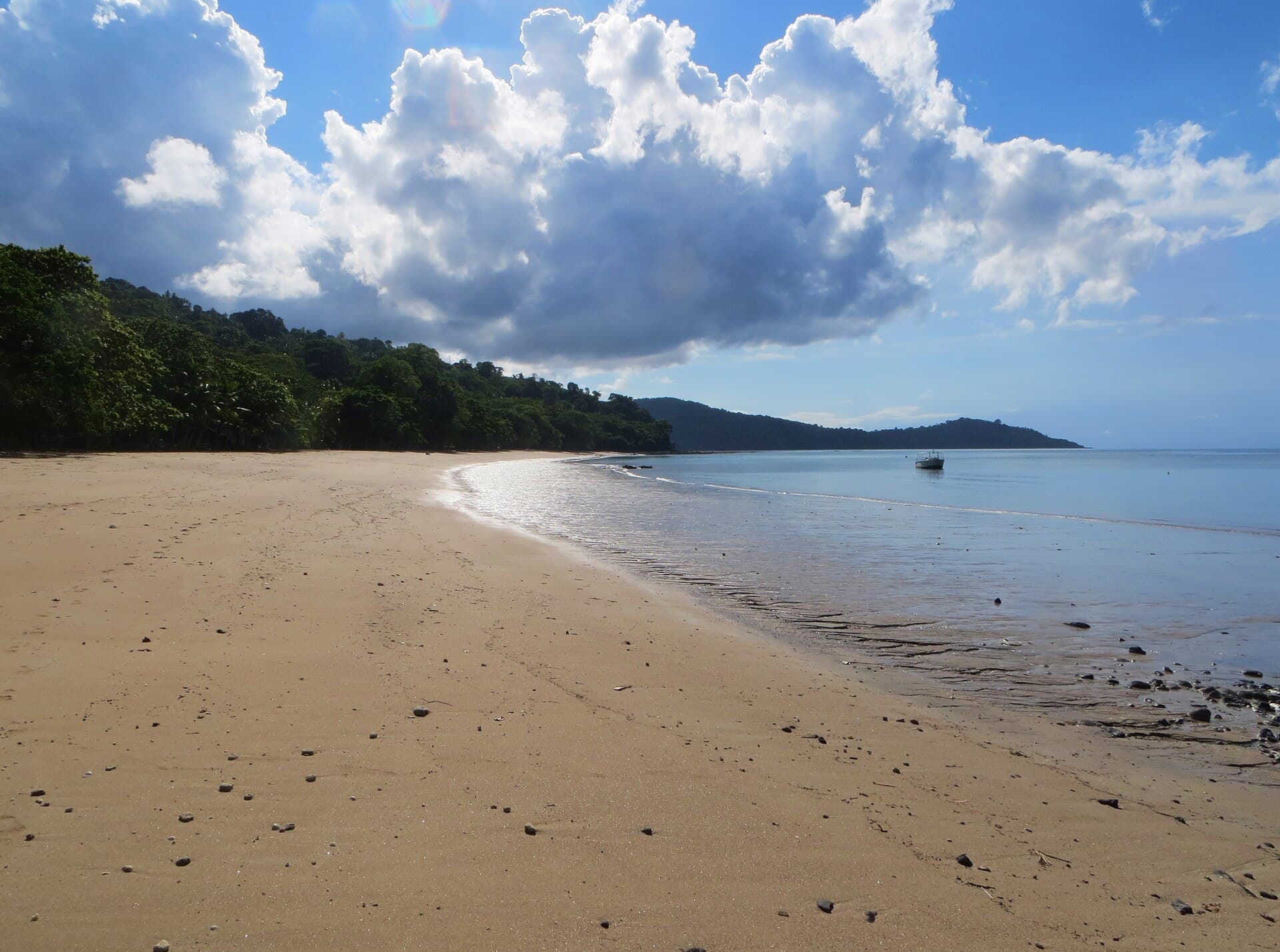
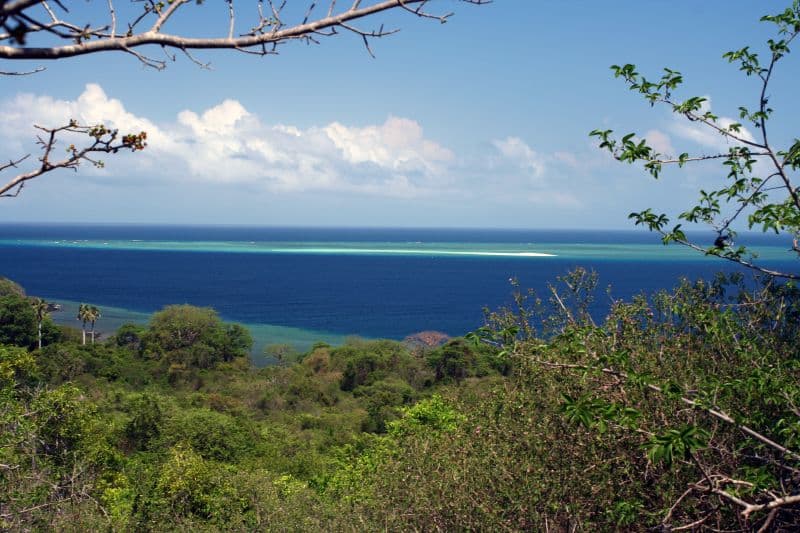
Grande-Terre — called Maore in Shimaore — is Mayotte's main island (363 km²), 40 km long and 20 km wide. Its eroded volcanic relief culminates at 660 metres at Mount Bénara and 594 metres at Mount Choungui, an emblematic sugarloaf-shaped peak visible from the entire south of the island. The centre is covered with agricultural plantations (cassava, banana, ylang-ylang, vanilla), while the coasts alternate white sand beaches (Mtsamboro, Saziley, Bandrélé), black sand beaches of volcanic origin (east coast) and dense mangroves (Bouéni and Tsingoni bays).
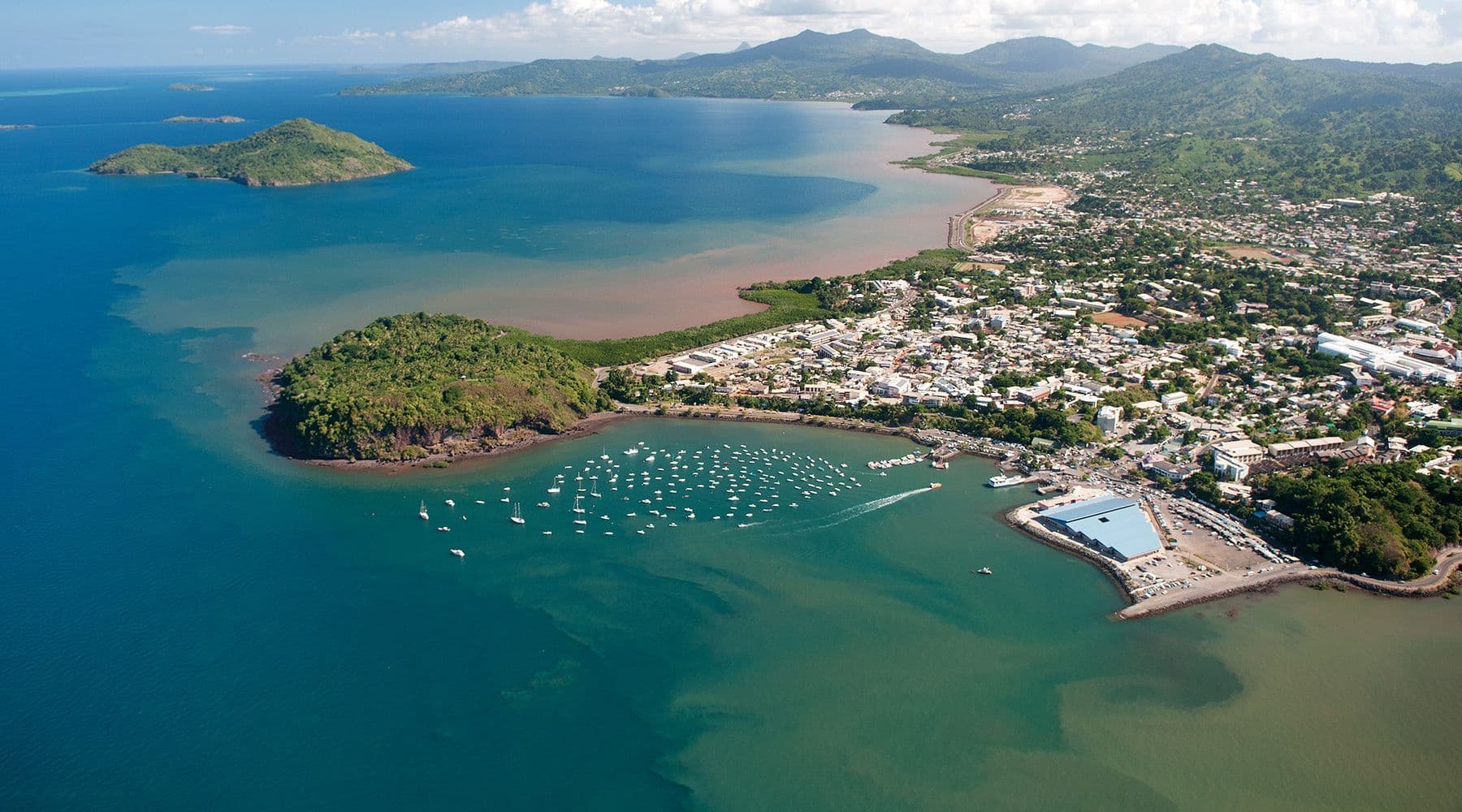
Mamoudzou, the prefecture, concentrates most of the population (about 70,000 inhabitants intra-muros, over 100,000 with the suburbs) and most of the island's administrative, commercial and hospital services. It is a rapidly changing city, marked by strong demographic and migratory pressure, with its colourful markets (covered market, fish market at the port), shops and popular neighbourhoods. The Mahabou point, south of the city, offers a seaside promenade and a view of Petite-Terre. The crossing to Petite-Terre and the airport is by ferry (15 minutes) from Mamoudzou.
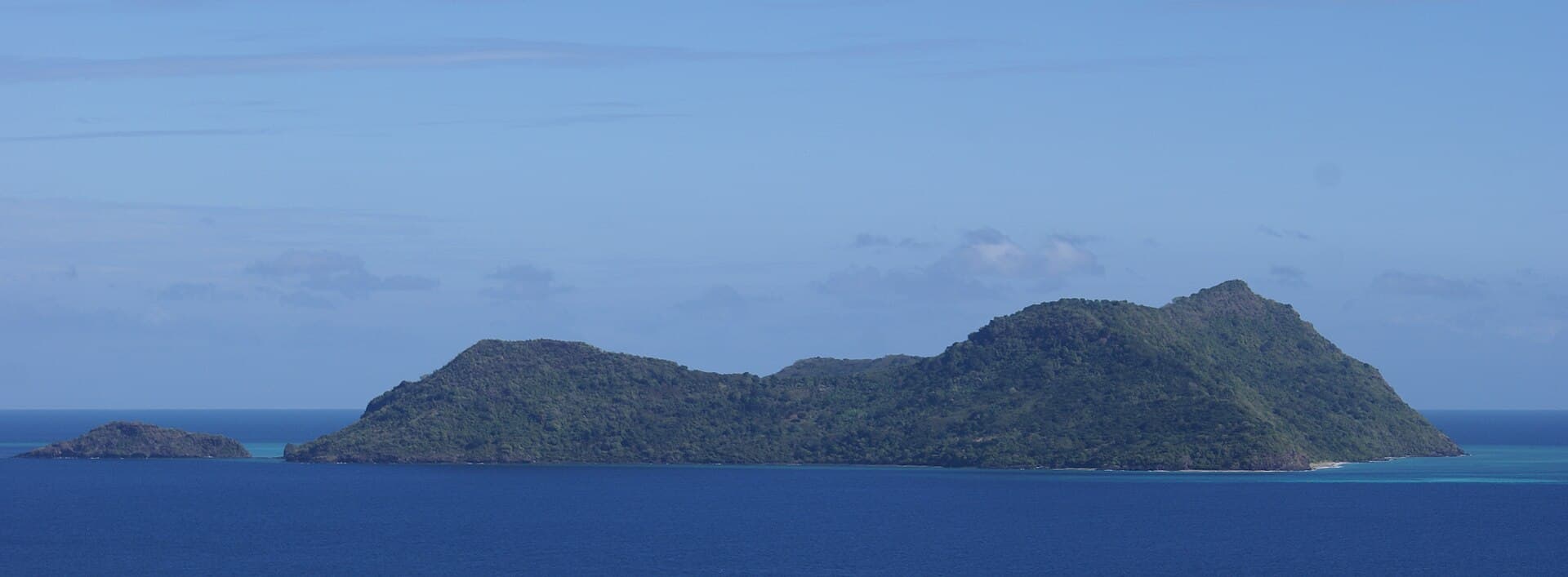
The north of Grande-Terre — communes of Mtsamboro, Acoua, Mtsangamouji — is one of the most beautiful sectors of the island. The beaches of Mtsamboro are among the most beautiful, lined with coconut trees, facing Mtsamboro islet and Choizil islet (about 2 km offshore) accessible by pirogue or boat for exceptional snorkelling days. The region grows ylang-ylang (world's second-largest producer) and houses several traditional distilleries open for visits. The northern Mahoran villages (Acoua, M'tsahara, Hamjago) preserve a traditional way of life with their colourful bangas, palm-roof mosques and cob dwellings.
The south of Grande-Terre — communes of Bouéni, Chirongui, Kani-Kéli, Bandrélé — is even more rural and preserved. The Saziley beach, at the end of a track in the namesake nature reserve, is one of Mayotte's most spectacular sites: white sand, snorkelling with turtles, palm trees in the background, few people. The Bandrélé beach, more accessible, is known for its beach huts and turtle sightings. The mangrove is also very dense here (3,000 hectares, the richest in the western Indian Ocean). Mount Choungui can be climbed in 2-3 hours round trip from the village of the same name, for a 360° panorama over the entire south of the island.
Explore Mamoudzou & north
Spots in the region
Situation
Où se situe Mamoudzou & north ?
Ouvrir la carte en grand sur OpenStreetMap →Frequently asked questions
How many days do you need to visit Grande-Terre?+
How to get around Grande-Terre?+
Where to stay on Grande-Terre?+
What to do in Mamoudzou?+
How to access Choizil islet?+
Is Mount Choungui difficult to climb?+
Our verdict
Grande-Terre is the heart of Mayotte — the island where you truly discover what this singular destination is. Mamoudzou for the administrative and commercial pulse, the north (Mtsamboro, Choizil islet) for the most beautiful beaches and ylang-ylang distilleries, the south (Saziley, Bandrélé, Mount Choungui) for preserved nature and turtles. Dedicate at least 4 to 6 days to Grande-Terre, complete with 2-3 days on Petite-Terre, and dare the lagoon outings for humpback whales and offshore snorkelling. Preferably stay in the south (Sakouli, Bandrélé) or north (Mtsamboro Lodge) to escape Mamoudzou's urban pressure.