Region
The Lagoon
One of the world's largest lagoons (1,500 km²), enclosed by a unique 195 km double coral barrier — sanctuary of 15 cetacean species, 5 turtle species and 250 coral species.
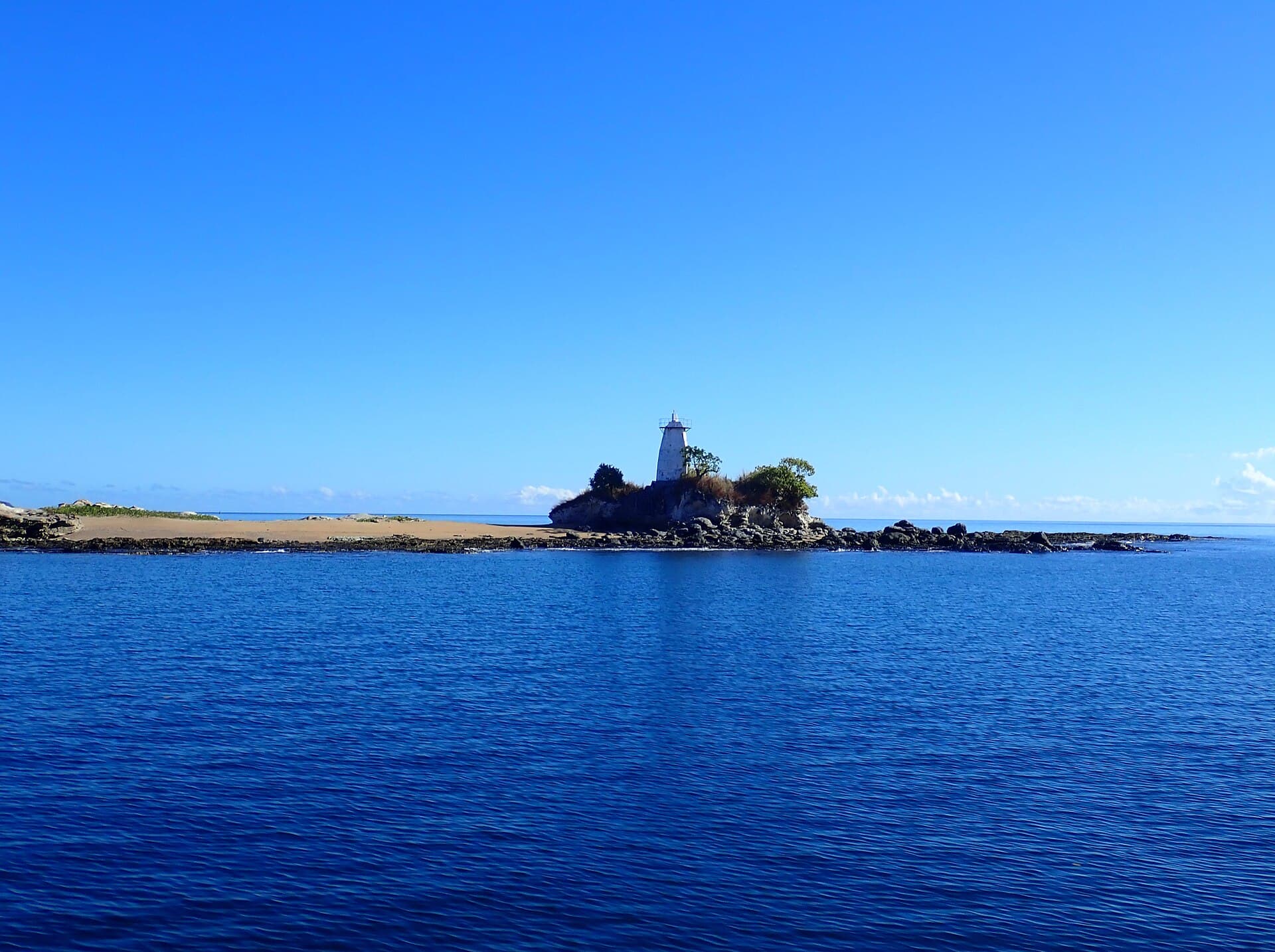
The Lagoon of Mayotte is one of the world's largest lagoons — 1,500 km² of turquoise sea enclosing both main islands and their thirty or so islets, sealed by an exceptional double coral barrier 195 km in circumference. This geological feature is rare worldwide: only New Caledonia, the Bahamas and Belize present a similar system. The double barrier protects a marine sanctuary of spectacular biodiversity: 15 cetacean species observed (humpback whales, dolphins, pilot whales, rorquals), 5 sea turtle species (green, hawksbill, loggerhead, leatherback, olive ridley), over 250 coral species and 760 fish species.
The inner lagoon, between the coasts and the first barrier, extends over 1,100 km² with average depths of 30 to 80 metres. Calm turquoise waters, populated with corals, reef fish, turtles, rays and small harmless sharks (whitetip, lemon). This is where most activities take place: snorkelling at Choizil islet (north) and M'Bouzi islet (centre), kayaking in the mangrove at Bouéni and Tsingoni, traditional pirogue offshore.
The S-pass (Sasamogu) is the most famous pass — an S-shaped opening in the double barrier west of the island, crossed by cetaceans and sharks between the open ocean and the lagoon. It is Mayotte's major diving site: strong currents, abundant pelagic fauna, spectacular coral formations. Confirmed level required.
The humpback whales (Megaptera novaeangliae) are the great seasonal star. From July to October, they migrate from Antarctica to give birth and mate in the warm Mozambique Channel waters — Mayotte is one of the most accessible world sites to observe them. Boat outings (€70-90/person, 4-5 hours) depart from Mamoudzou, Mtsamboro or Bandrélé and offer spectacular sightings: breaches, songs, mothers and calves. Providers respect the approach charter (minimum 100 m distance, no more than 20 minutes with the same group).
The dolphins (5 resident species: bottlenose, spinner, spotted, Risso's, false killer whales) are observable year-round. The sea turtles (mainly green) are visible while snorkelling from the shore at several spots (N'Gouja, Saziley, Moya) and during nocturnal nestings (November to March).
Explore The Lagoon
Situation
Où se situe The Lagoon ?
Ouvrir la carte en grand sur OpenStreetMap →Frequently asked questions
When to watch humpback whales in Mayotte?+
What are Mayotte's best diving sites?+
Can you snorkel from the shore in Mayotte?+
How to access M'Bouzi islet?+
Do sea turtles nest in Mayotte?+
Is the Lagoon of Mayotte dangerous?+
How much do boat outings cost in Mayotte?+
Our verdict
The Lagoon of Mayotte is the soul of the archipelago — one of the world's largest lagoons, enclosed by a unique double coral barrier, populated with humpback whales in season, dolphins year-round and sea turtles. It is this turquoise sea and its biodiversity that alone justify the trip to Mayotte. Plan at least 2-3 boat outings during your stay: a whale watching (in season, July-October), a dive at the S-pass if confirmed, a snorkelling day at Choizil islet or M'Bouzi. Come between June and October, book your outings well in advance, and accept the rhythm dictated by the sea (possible cancellations depending on weather).