Italian culture is the product of an extraordinarily dense history: Etruscan civilisation, the Roman Empire, the medieval city-states, the Renaissance, the nineteenth-century unification — each era has left its mark on the urban landscape and on the national psyche. Regional identity remains one of the keys to understanding Italy: a Lombard, a Sicilian and a Venetian share a nationality but inhabit cultures, dialects, kitchens and temperaments that set them sharply apart. The country only unified in 1861, and the sense of belonging to a city or region often runs deeper than the sense of belonging to the nation.
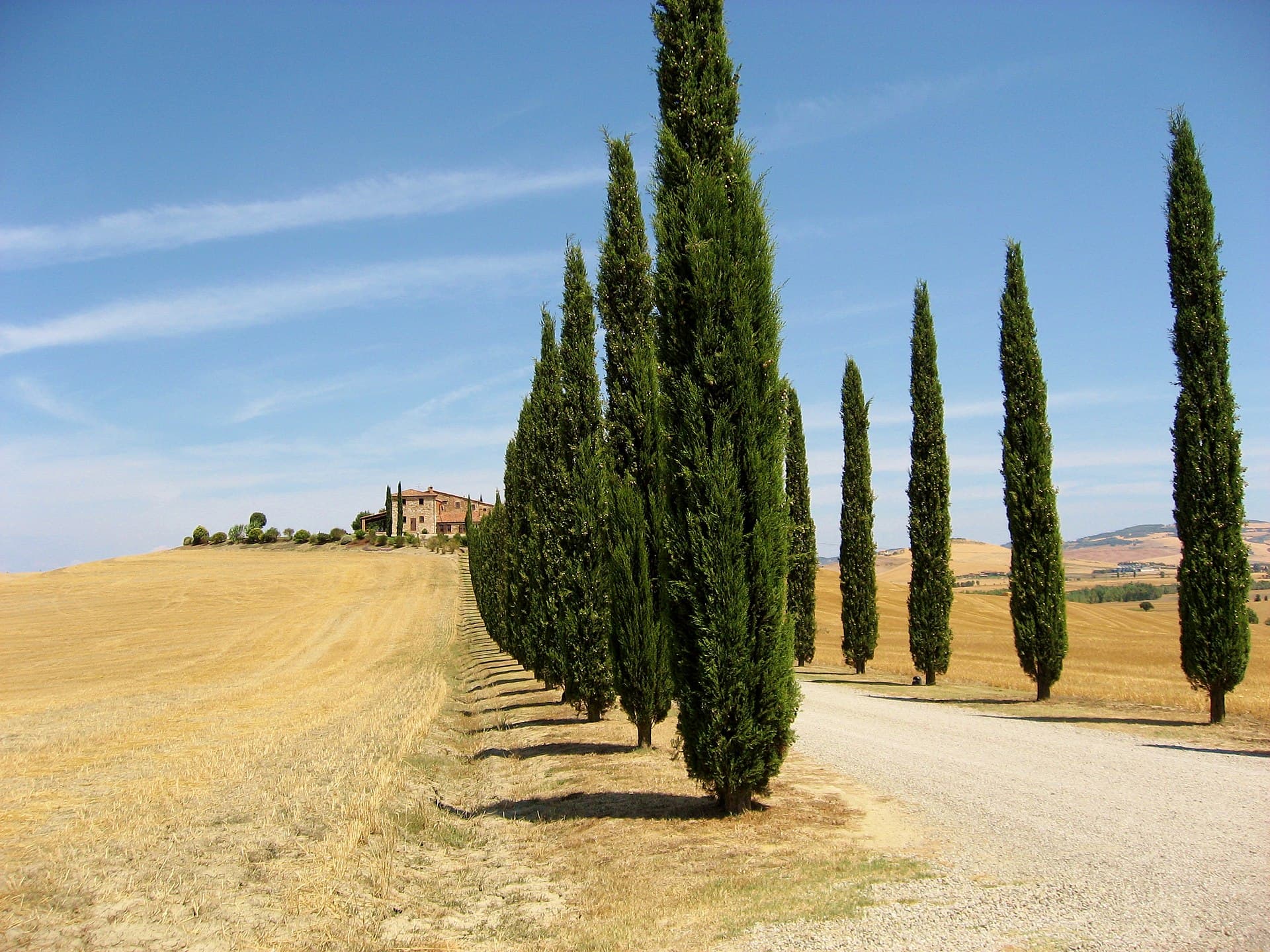
Art is woven into everyday life. The UNESCO listings cover sites as varied as the historic centre of Rome, Giotto's frescoes in Padua, the villages of the Cinque Terre, the trulli of Alberobello and the Val d'Orcia in southern Tuscany. The country's museums hold collections that have no equal anywhere else: the Uffizi in Florence brings together the greatest concentration of Renaissance painting in the world — Botticelli, Leonardo, Michelangelo, Raphael — while the Naples Archaeological Museum holds the treasures recovered from Pompeii and Herculaneum, and the Vatican Museums shelter Michelangelo's Sistine Chapel.
Italian itself is a cultural artefact. The literary Tuscan of Dante, Petrarch and Boccaccio became the basis of modern Italian in the fourteenth century, and the language is now among the most studied of the Romance tongues, thanks in no small part to its central role in classical music and opera. Italians invariably appreciate the effort: a buongiorno on entering a shop or a grazie mille on leaving opens far more doors than any phrasebook can promise.
The cultural calendar is studded with world-class events. The Venice Biennale (art and architecture in alternating years), the Venice Film Festival in early September, the opera season at La Scala in Milan (December to July), Siena's Palio in July and August and the Carnevale di Venezia in February draw visitors from around the globe. At village level, every borgo celebrates its patron saint with processions, concerts and communal feasts — these sagre, themed food festivals built around a single ingredient (truffle, chestnut, wild boar, porcini), are among the most authentic moments to be had anywhere in Italy.
Read also
- Central Italy: Rome and Florence — The historic heart of Italy, from ancient Rome to Renaissance Florence and the rolling hills of Tuscany.
- Northern Italy: Venice and the Cinque Terre — The Venetian lagoon, cliffside Ligurian villages and the gastronomic powerhouses of the Po Valley.
- Rome, the Eternal City — The Roman Forum, the Colosseum, the Vatican and dolce vita in Italy's capital.
- Florence, cradle of the Renaissance — The Uffizi, Brunelleschi's Dome and the Chianti hills on the city's doorstep.
- Venice, La Serenissima — Canals, Gothic palaces and an atmosphere found nowhere else in the world.