Region
Northern Italy
Venice, the world's most singular city on water, and the five cliffside Cinque Terre villages — two global icons in a single region.
Northern Italy stretches from the Po Valley up to the Alps and across to the shores of the Adriatic and the Ligurian Sea, weaving together landscapes and cultures of exceptional richness. Its two headline destinations are world-famous: Venice, La Serenissima, a city built on a lagoon whose Gothic and Byzantine palaces overlook a maze of canals threaded by gondolas and vaporetti; and the Cinque Terre, five candy-coloured villages clinging to the cliffs of the Ligurian Riviera, linked by walking trails that hang above a deep blue Mediterranean.
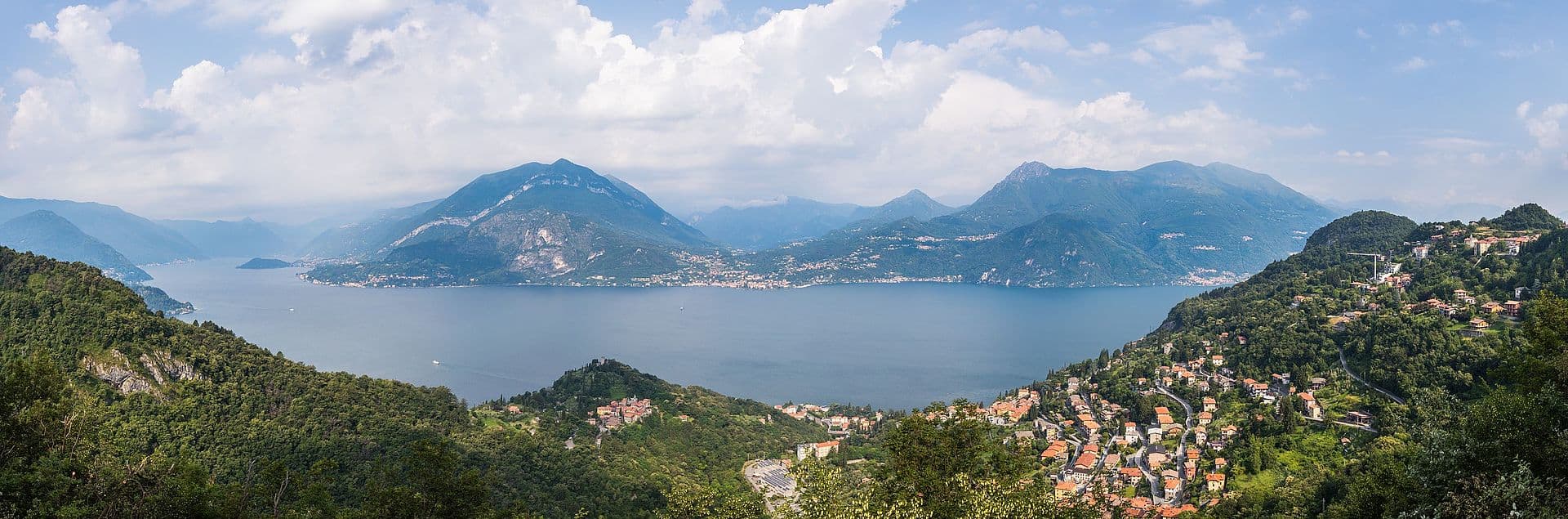
But Northern Italy goes far beyond those two icons. Verona offers Shakespeare and a Roman arena that still hosts opera under the stars. The Italian Lakes — Como, Garda, Maggiore — line up villas, gardens and ferries against an alpine backdrop. Bologna 'la Grassa' rewards food travellers with its porticoes, pasta and prosciutto; the Dolomites, UNESCO-listed since 2009, pierce the Veneto sky with pink limestone towers that catch fire at dawn. The Po Valley itself shelters Italy's most celebrated culinary terroir: Parma ham, Parmigiano Reggiano, Lambrusco, Aceto Balsamico di Modena and the original tagliatelle al ragù.
Logistically, this is one of the easiest corners of Northern Italy to explore by train. Milan, Venice, Bologna and Verona sit on the country's busiest high-speed line, and a sub-three-hour hop puts you anywhere in the region. Add a Frecciarossa down to Florence or a regional train across to La Spezia for the Cinque Terre, and you have a region that compresses urban culture, alpine grandeur and Mediterranean coastline into a tightly scheduled fortnight.
Situation
Où se situe Northern Italy ?
Ouvrir la carte en grand sur OpenStreetMap →Frequently asked questions
Can I combine Venice and the Cinque Terre in one trip?+
When is the best time to visit the Cinque Terre?+
When can I visit Venice without the crowds?+
How do I get to the Cinque Terre?+
Do I have to pay to hike in the Cinque Terre?+
Which Cinque Terre village should I stay in?+
What's the easiest way to reach Venice from major European cities?+
Our verdict
Northern Italy is a region that comfortably overshadows its two headline names. Venice deserves a visit despite the crowds — but please not in July or August, when the city groans under a daily tide of day-trippers. The Cinque Terre reward walkers who turn up in May or September, well clear of the high-summer surge. And beyond those two icons, the region quietly hides treasures that often outshine the famous names: Verona's piazzas and Arena, the slow shimmer of Lake Como, the limestone drama of the Dolomites, the obsessive food scene of Bologna and Modena. Each is a justified destination in its own right.
Our advice for a Northern Italy itinerary: book Venice's marquee sights (Doge's Palace, Saint Mark's, the Accademia) well ahead, sleep on the island for at least two nights to feel the city after the day boats have left, and don't try to do the Cinque Terre as a single day trip — spend a night in Vernazza or Manarola and walk the trails before 9 am. With a week, pair Venice with the Cinque Terre via Milan; with ten days, weave in Verona and a couple of nights in the food capitals of the Po Valley. Northern Italy rewards travellers who plan their headline visits carefully and leave room for the region's quieter, often more lasting pleasures.