
Mowando

Climate & seasons

When to visit Italy?

By La rédaction · Updated 22/05/2026

The Editors
The Editorsauteur principal✓ Verified

Expert on Italy · 1 contributions

The best periods

The best time to visit Italy is April to June and September to October.

Avr, Mai, Juin

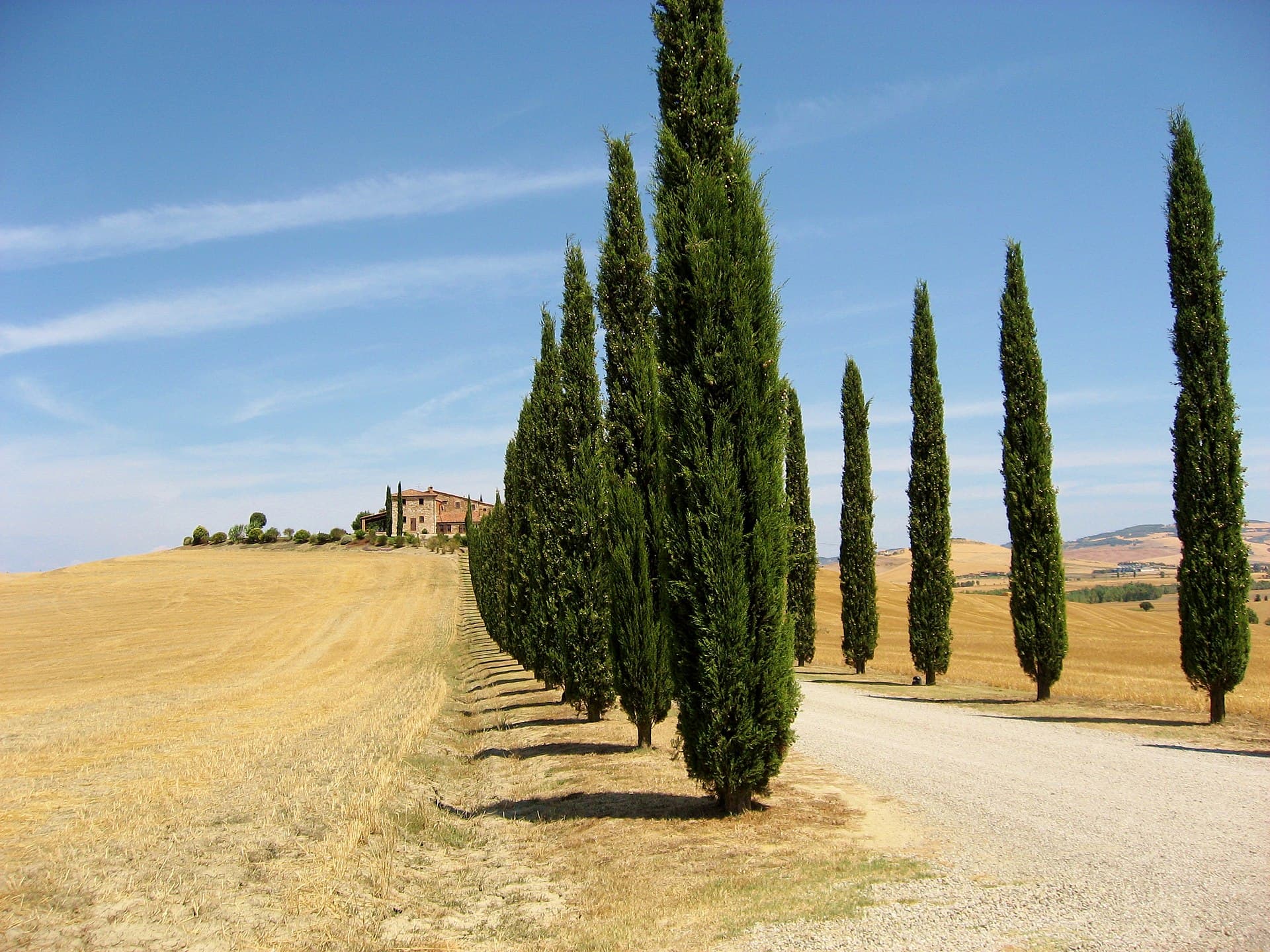
Printemps — la belle saison

  • Températures douces (15-25 °C) et ensoleillement généreux
  • Foule encore raisonnable avant le pic estival
  • Campagne en fleurs, vignes en bourgeons et marchés de saison
  • Pluies printanières possibles, surtout en avril au nord
  • Réservations nécessaires pour les musées et sites populaires
Jui, Aoû

Été — haute saison et chaleur

  • Mer chaude et plages au mieux sur les côtes méditerranéennes
  • Festivals culturels, concerts en plein air, marché nocturne animé
  • Chaleur intense dans les grandes villes (35-38 °C à Rome en août)
  • Foule maximale sur tous les sites phares, prix au plus haut
  • Fermetures de certains commerces en août (Ferragosto)
Sep, Oct

Automne — saison idéale

  • Température idéale (18-26 °C), lumière dorée et vendanges en Toscane
  • Affluence en baisse, atmosphère plus sereine dans les musées
  • Gastronomie à son apogée : truffes, châtaignes, vins nouveaux
  • Pluies possibles en octobre, notamment au nord
  • Certaines stations balnéaires ferment fin septembre

Frequently asked questions

Do I need a visa to travel to Italy?+
Citizens of the UK, US, Canada, Australia and most EU countries do not need a visa for tourist stays in Italy of up to 90 days within any 180-day period. Italy is part of the Schengen Area, so the same rule applies across most of mainland Europe. Your passport must be valid for at least three months beyond your planned departure date. From 2025 onwards, non-EU visitors will also need to register through the ETIAS system before travel — a quick online formality, not a visa.
Is Italy safe for tourists?+
Yes, Italy is one of the safest countries in Europe for travellers. Violent crime against tourists is extremely rare. The main risk is petty theft — pickpockets are very active around the Colosseum and Trevi Fountain in Rome, the Uffizi and Ponte Vecchio in Florence, and on Venice's busiest vaporetto lines. Keep valuables zipped away, wear your backpack on your front in crowds, and stay alert for staged distractions. No part of the country is considered off-limits to visitors.
When is the best time to visit Italy?+
April to June and September to October are the ideal windows for visiting Italy: temperatures sit between 18 and 26 °C, the light is generous and the crowds are still manageable. July and August are technically possible but city centres swelter at 35-38 °C and museums, queues and prices all peak. Winter (November to March) is quiet and inexpensive but some rural restaurants and beach towns close, and the days are short. Spring suits cultural travel; autumn adds harvest festivals, truffles and golden Tuscan light.
How much does a trip to Italy cost?+
A comfortable trip to Italy averages around €110 per person per day, covering a three-star hotel or characterful B&B, two meals out and a couple of museum entries. Budget travellers staying in B&Bs and eating at trattorie can manage on €55-70 a day. Rome and Venice are the most expensive cities; Tuscany, Umbria and the south offer better value. Allow extra for the Frecciarossa fast trains between cities — prices climb sharply if you book on the day rather than weeks ahead.
Do I need to tip in Italy?+
Tipping in Italy is not expected the way it is in the United States. Most restaurants apply a coperto (cover charge) of €1.50 to €3 per person, printed on the menu — this is legal and not a scam. Rounding up the bill or leaving 5-10% at a smarter restaurant is appreciated but never required. Taxi drivers, baristas and hotel porters are usually tipped a euro or two for good service. Service is not added to most restaurant bills, so always check before adding anything extra.
What is the best way to get around Italy?+
Italy has one of Europe's best rail networks. Trenitalia and Italo run Frecciarossa high-speed services between Rome, Florence, Venice, Milan and Naples, often beating door-to-door flight times. Book a week or two ahead to lock in fares from €19-29. Regional trains cover smaller towns at low cost. Renting a car only pays off in the Tuscan countryside, Puglia or the Dolomites — and never in historic city centres, where ZTL zones trigger automatic fines. Within cities, walking, the metro (Rome, Milan) and Venice's vaporetto handle most needs.
What currency is used in Italy?+
Italy uses the euro (€). Card payments — including contactless via Apple Pay, Google Pay or a UK-issued debit card — are accepted almost everywhere, including at markets and small bars. Still, it's worth carrying €30-50 in cash for tips, small purchases and the occasional rural trattoria. ATMs (bancomat) are plentiful and offer the best exchange rate; avoid the high-street currency exchange booths at airports and around major sights, where margins are punitive.
How many days do I need for Rome, Florence and Venice?+
The classic 'golden triangle' itinerary needs at least seven to ten days to be enjoyable: three days in Rome (Vatican, Colosseum, Forum, Trastevere), two to three days in Florence (Uffizi, Duomo, Chianti) and two days in Venice (Grand Canal, Doge's Palace, the lagoon islands). With 14 days you can add Bologna or Siena and a slower pace. Trying to compress the three cities into five days is doable but exhausting — and means racing through Italy's most demanding sights at the worst times of day.

Our verdict

Italy stands, year after year, as Europe's defining cultural destination — and the reputation is entirely deserved. Nowhere else on the continent will you find such a dense layering of art, architecture, regional cuisine and quietly pleasurable everyday living. The frustrations are real — summer crowds, climbing prices, an imperfect rail network, the occasional strike — but they never quite manage to dent an experience that touches something essential about Western culture. The country's secret is its astonishing diversity within a small footprint: in a single fortnight you can pair the Forum at sunrise with vineyards in Chianti, then trade the gondolas of Venice for the cliffs of the Cinque Terre, all without ever opening a phrasebook beyond grazie and prego.

Our firm advice: come in spring or autumn, when the weather is generous and the queues are bearable, and resist the temptation to see everything. Pick three anchors — usually Rome, Florence and Venice for first-timers — and accept that the rest of Italy will pull you back for a second, third and fourth trip. Book the headline museums weeks ahead, sleep in neighbourhoods rather than alongside the main sights, and leave room in every day for a long lunch, a slow walk and an espresso al banco. Italy is best savoured slowly, and rewards every hour you invest in it.

When to visit Italy — climate and best travel seasons · Mowando