Europe
Iceland
An island of 103,000 km² straddling the Mid-Atlantic Ridge at the edge of the Arctic Circle, where volcanoes, glaciers, geysers and aurorae make up one of the most active geological laboratories on the planet.
- Capital
- Reykjavik
- Currency
- Couronne islandaise (ISK)
- Languages
- Islandais
- Budget
- From around €150/day/person — Iceland is among Europe's most expensive destinations
Iceland at a glance
Iceland is one of the youngest and most active islands on the planet: straddling the Mid-Atlantic Ridge where the Eurasian and North American tectonic plates drift apart by a few centimetres each year, it is a full-scale geological laboratory where volcanoes, geysers, glaciers and fissures continue to shape the landscape before travellers' eyes. In 2010, the eruption of Eyjafjallajökull grounded European air traffic for six days; in 2021, 2022 and 2023, the Reykjanes peninsula returned to dramatic eruptive activity visible just a few kilometres from the capital.
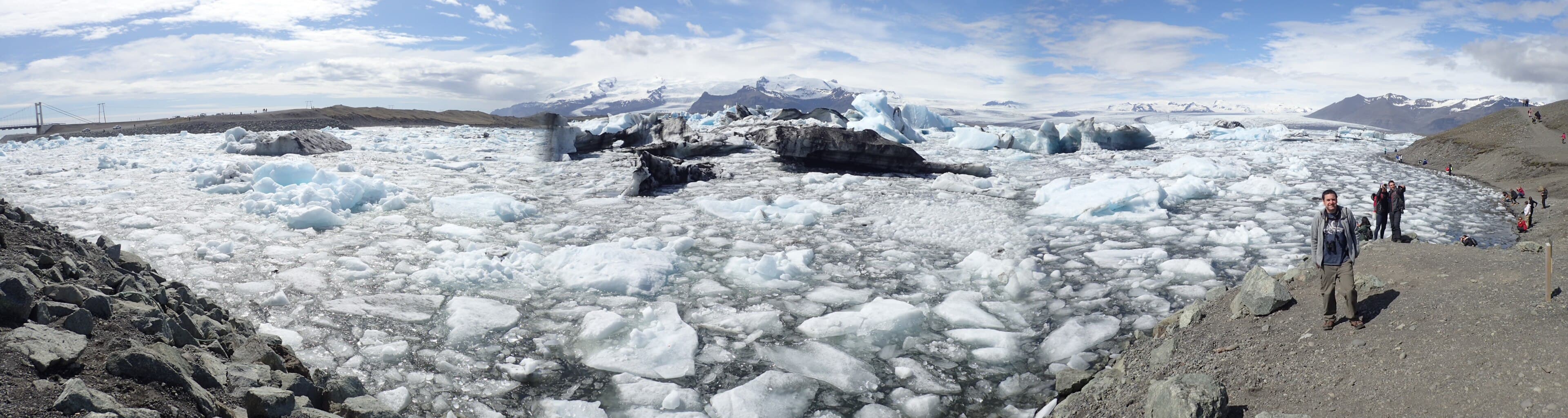
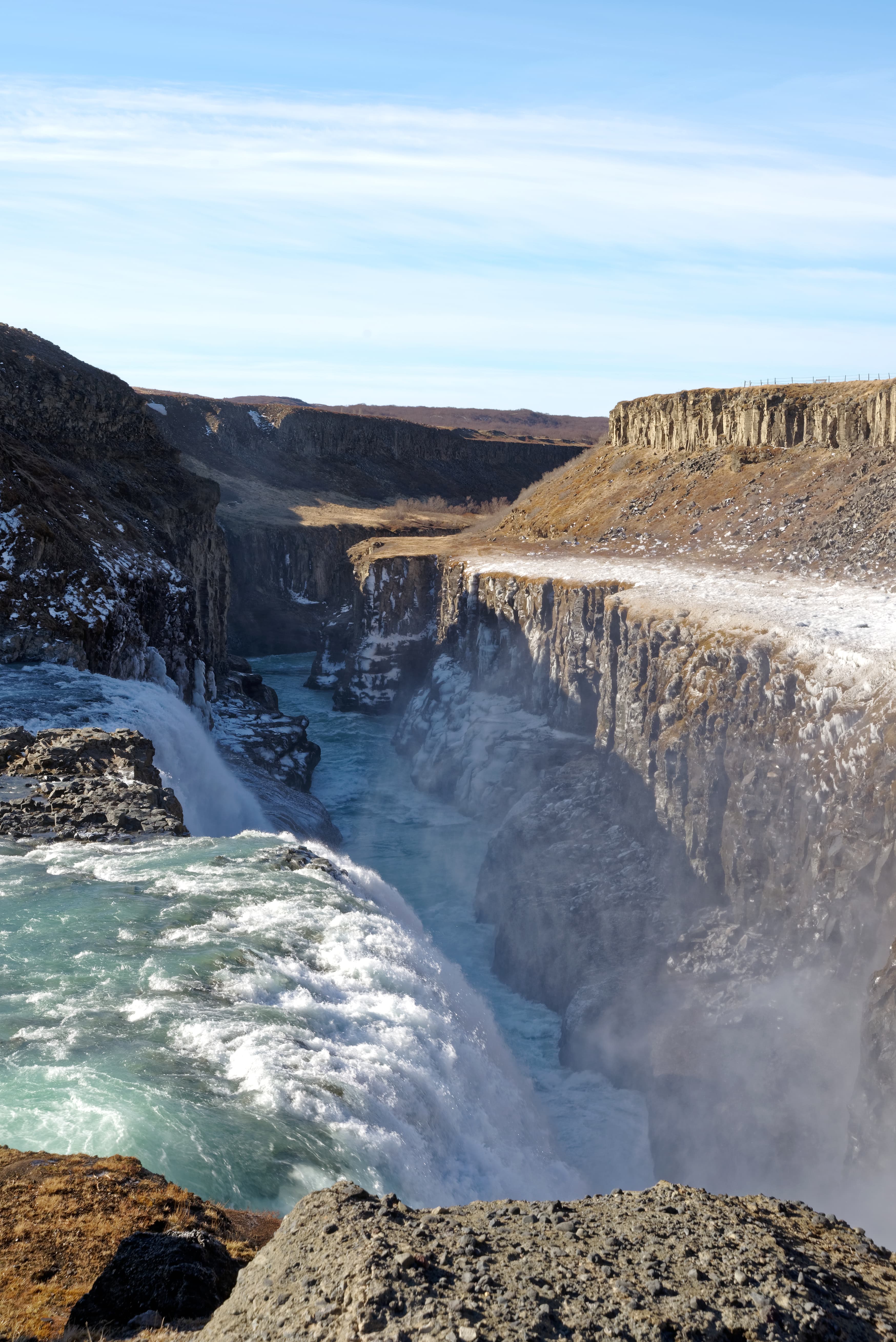
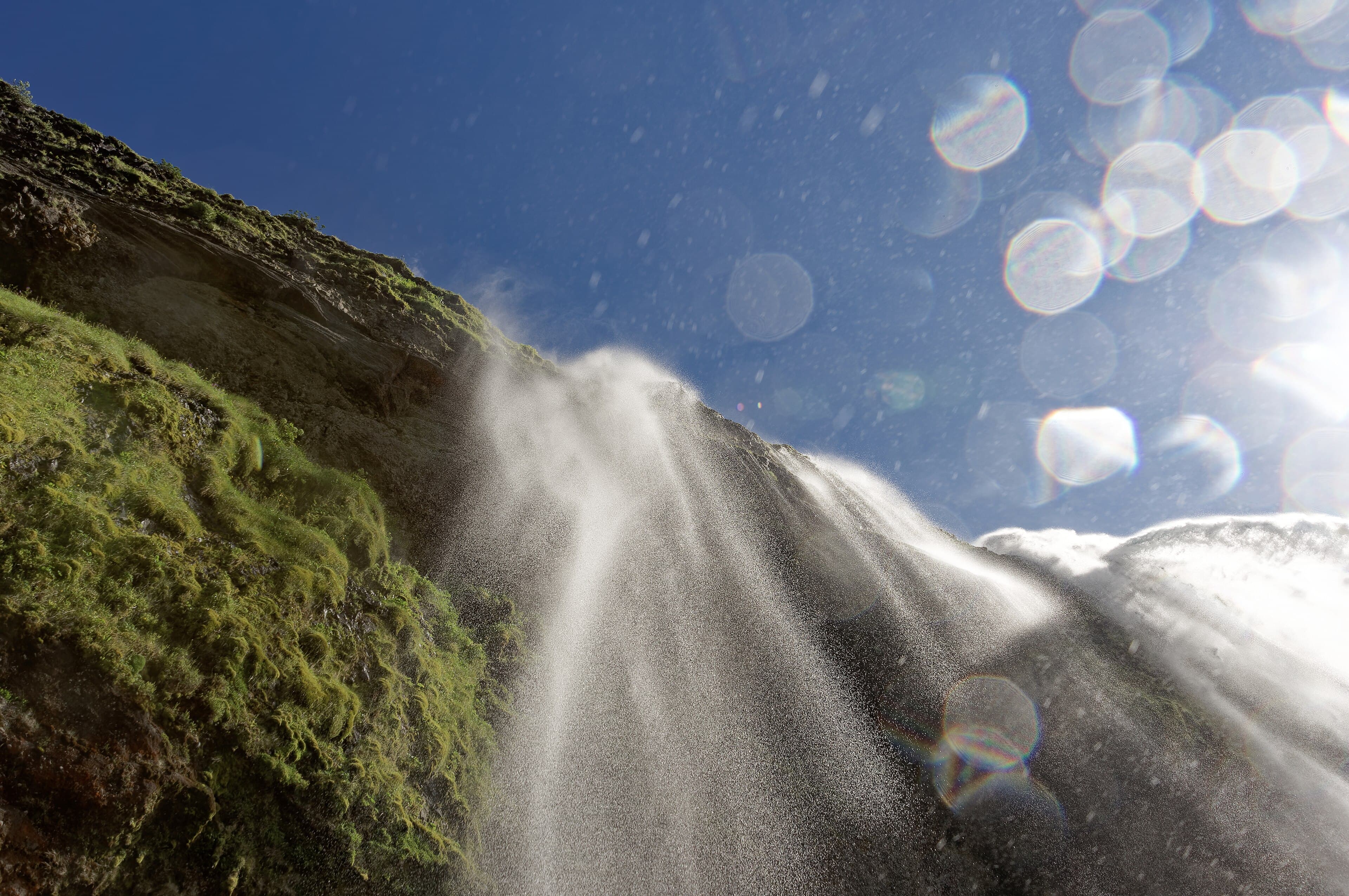
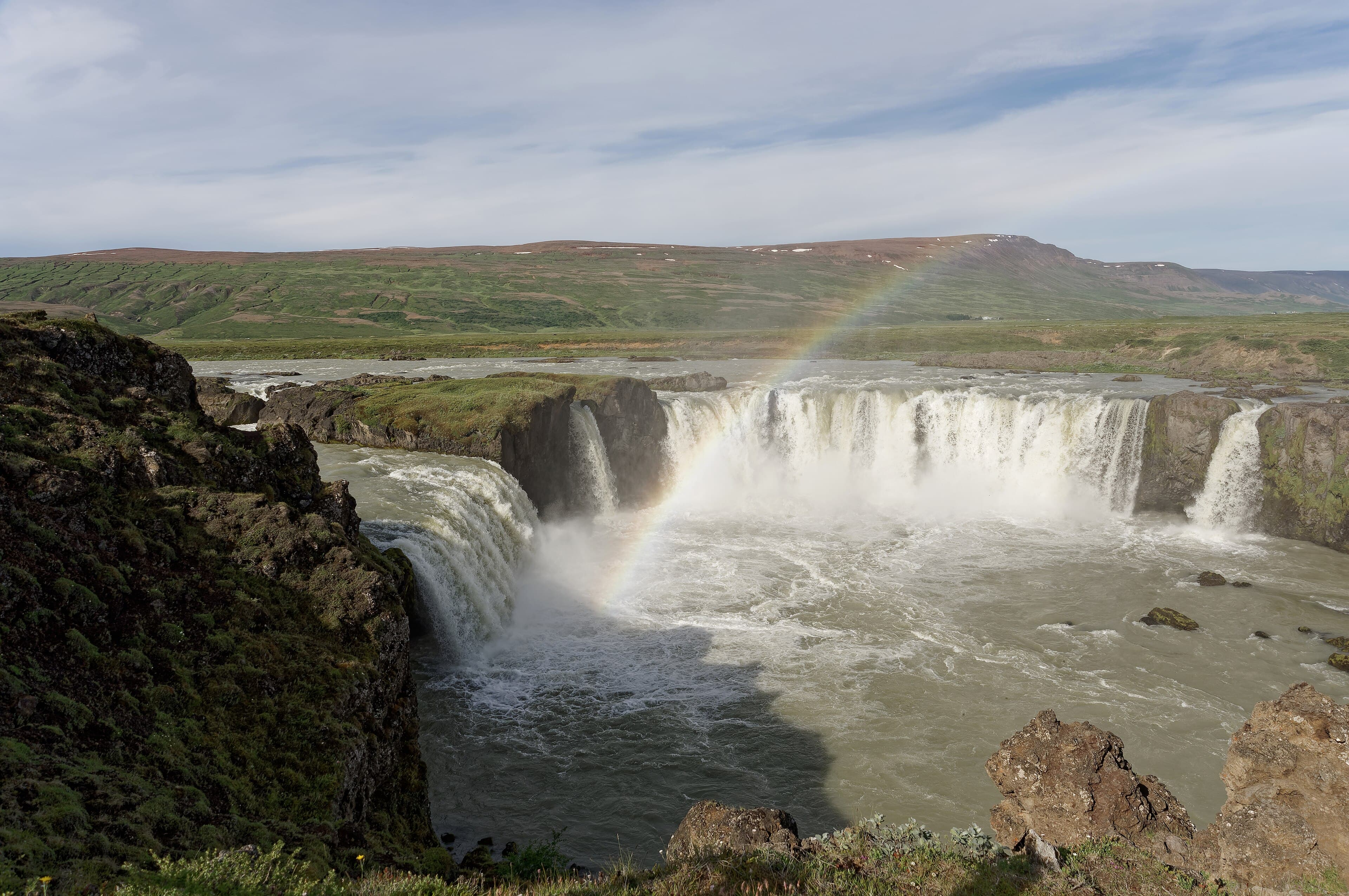
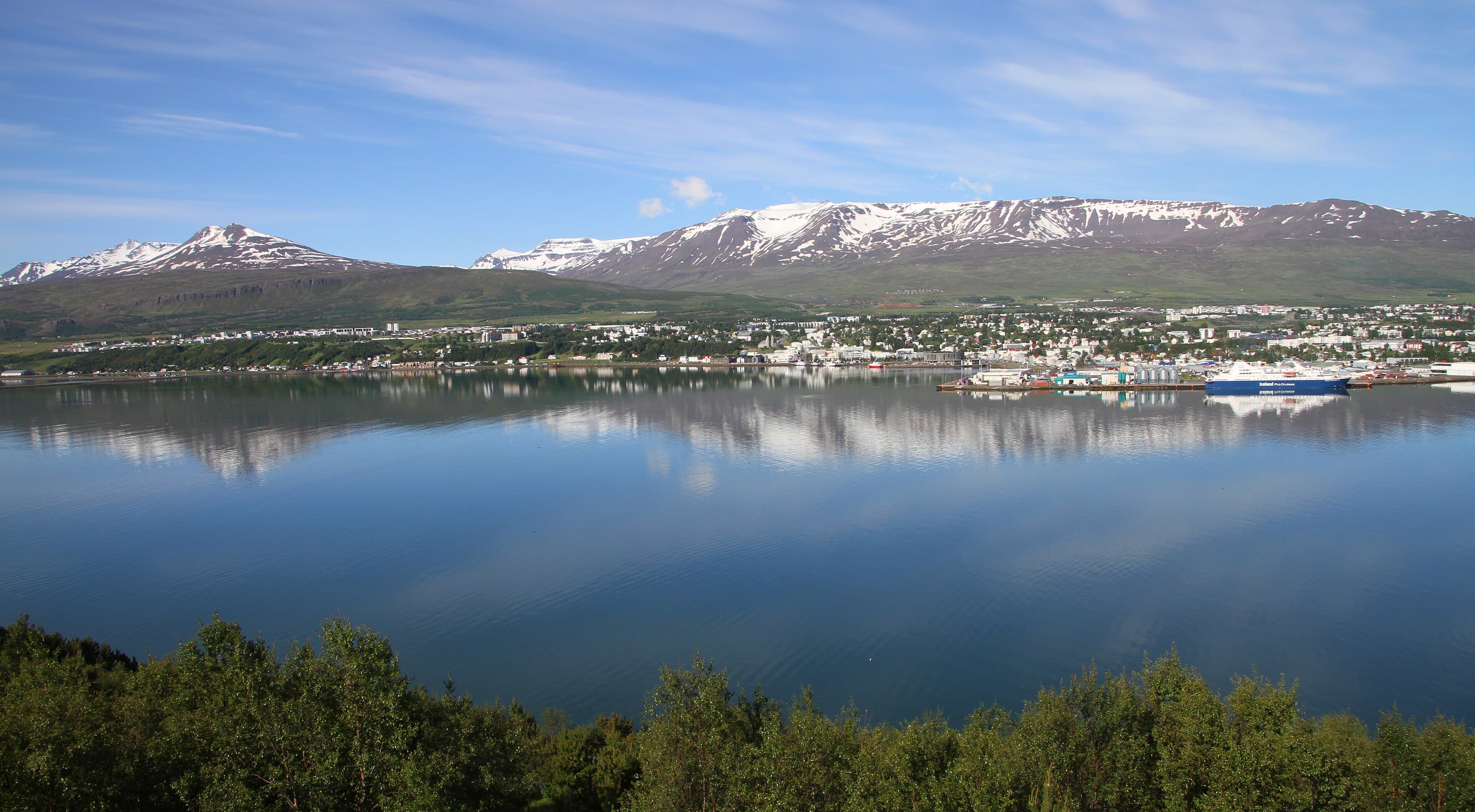
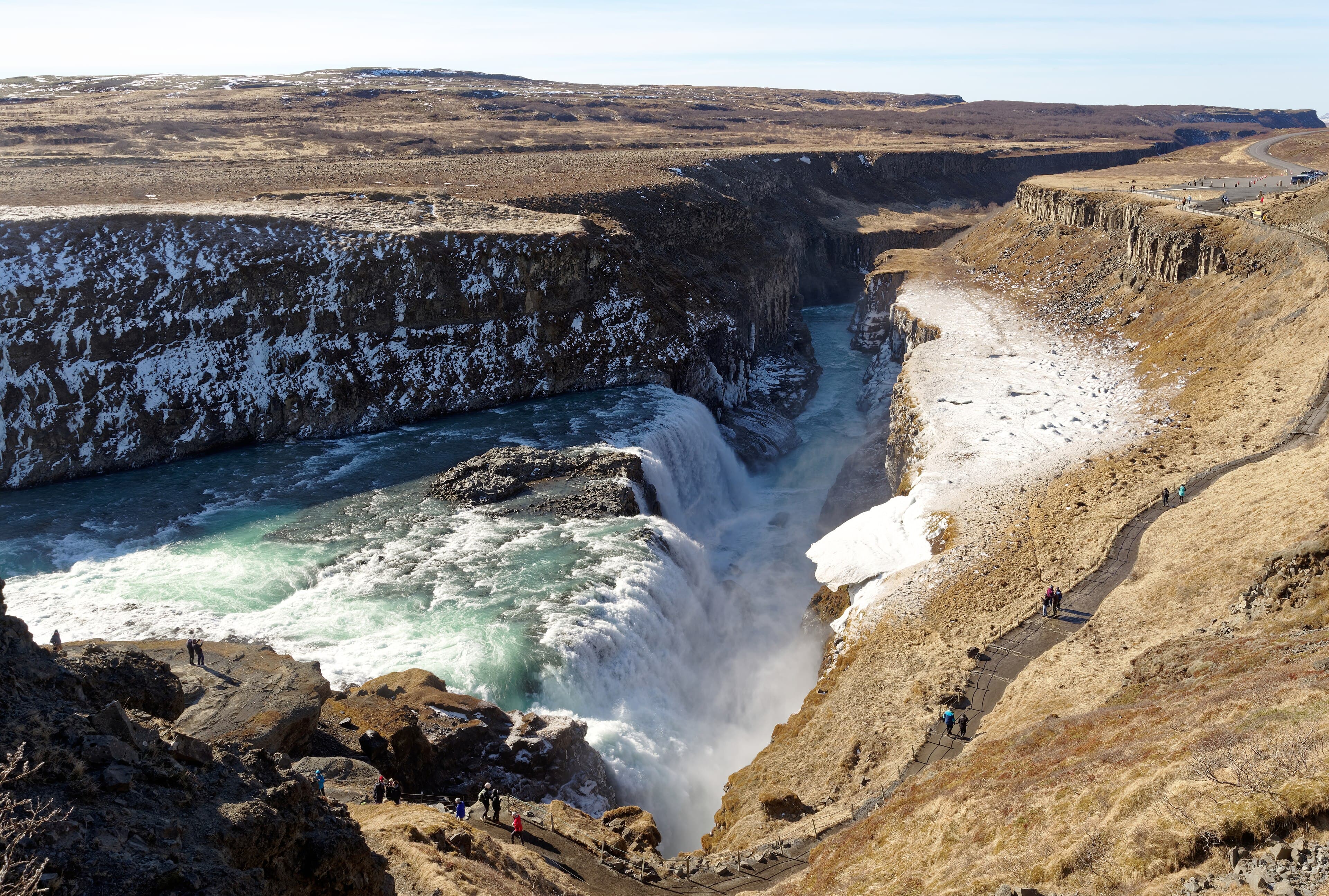
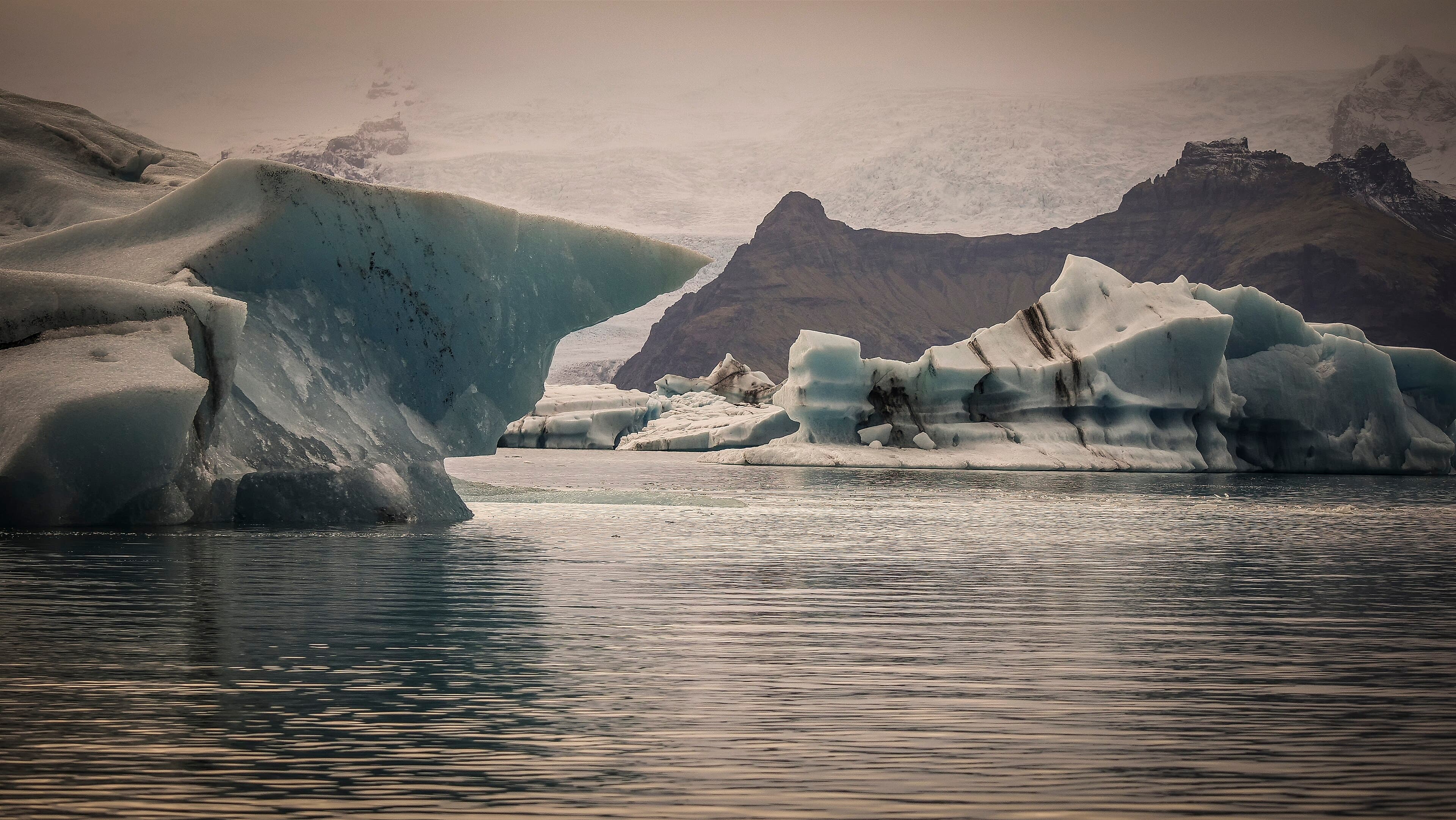
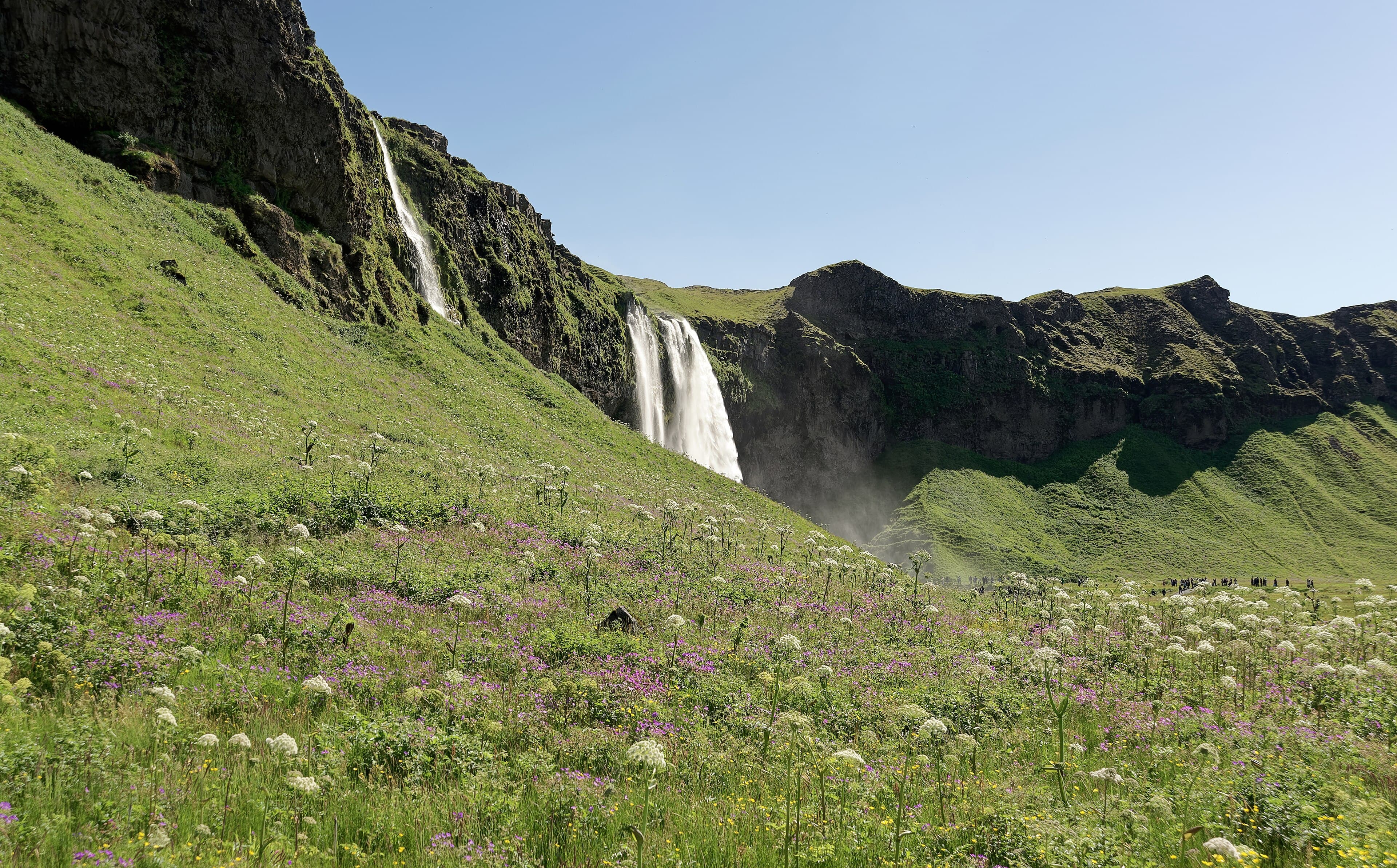
But Iceland is not only a land of fire: it is also a land of ice. The Vatnajökull glacier covers 8% of the country's surface and is Europe's largest by volume — a thousand-metre-thick dome of ice beneath which several active volcanoes still simmer. The Ring Road (route 1) unfurls 1,332 km of uninterrupted panorama: waterfalls (Skógafoss, Seljalandsfoss, Goðafoss, Dettifoss), deeply cut fjords to the east and west, black-sand beaches bristling with basalt columns (Reynisfjara), glacial lagoons studded with blue icebergs (Jökulsárlón), steaming geothermal fields (Geysir, Mývatn) and pale green meadows where Icelandic sheep and horses graze.
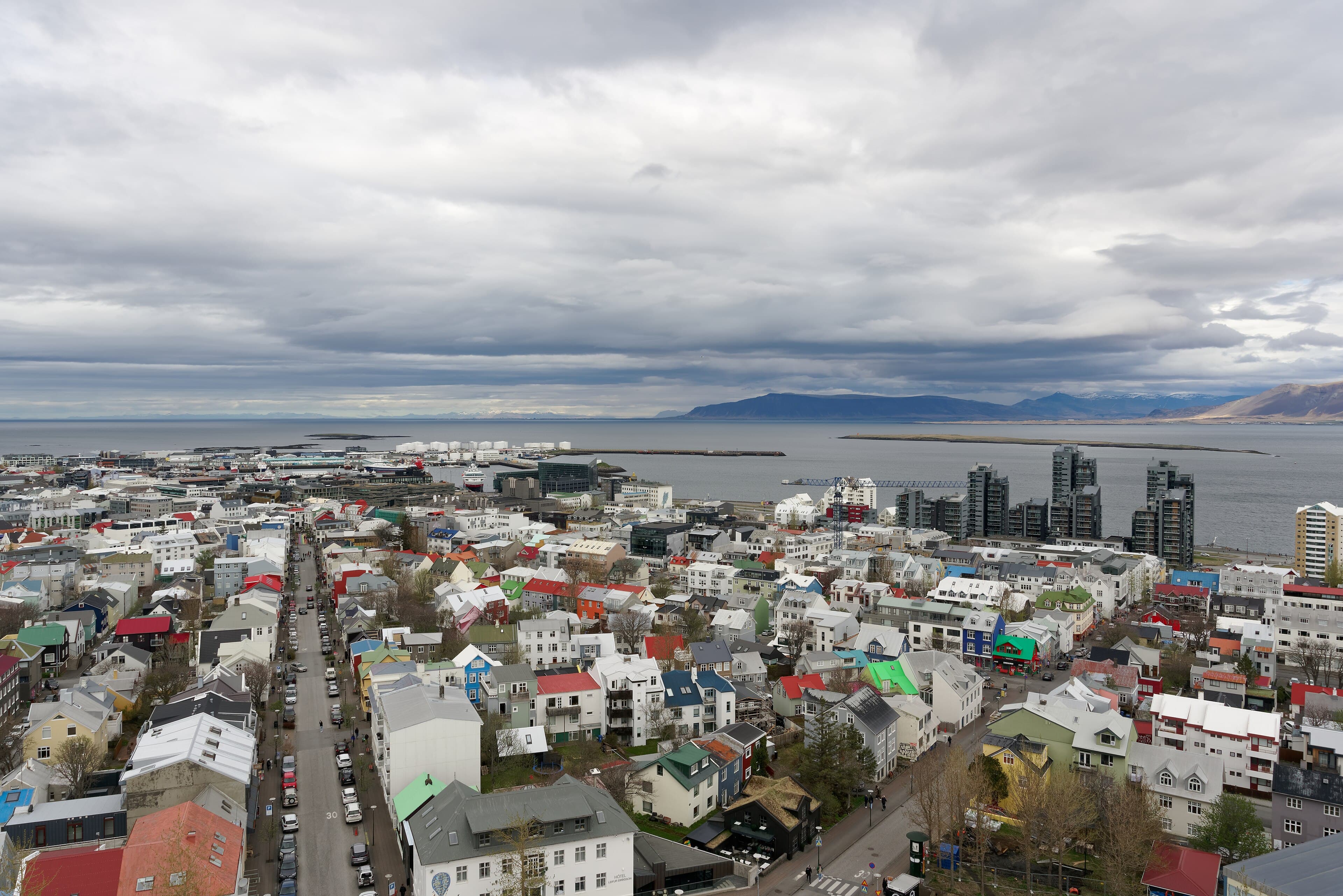
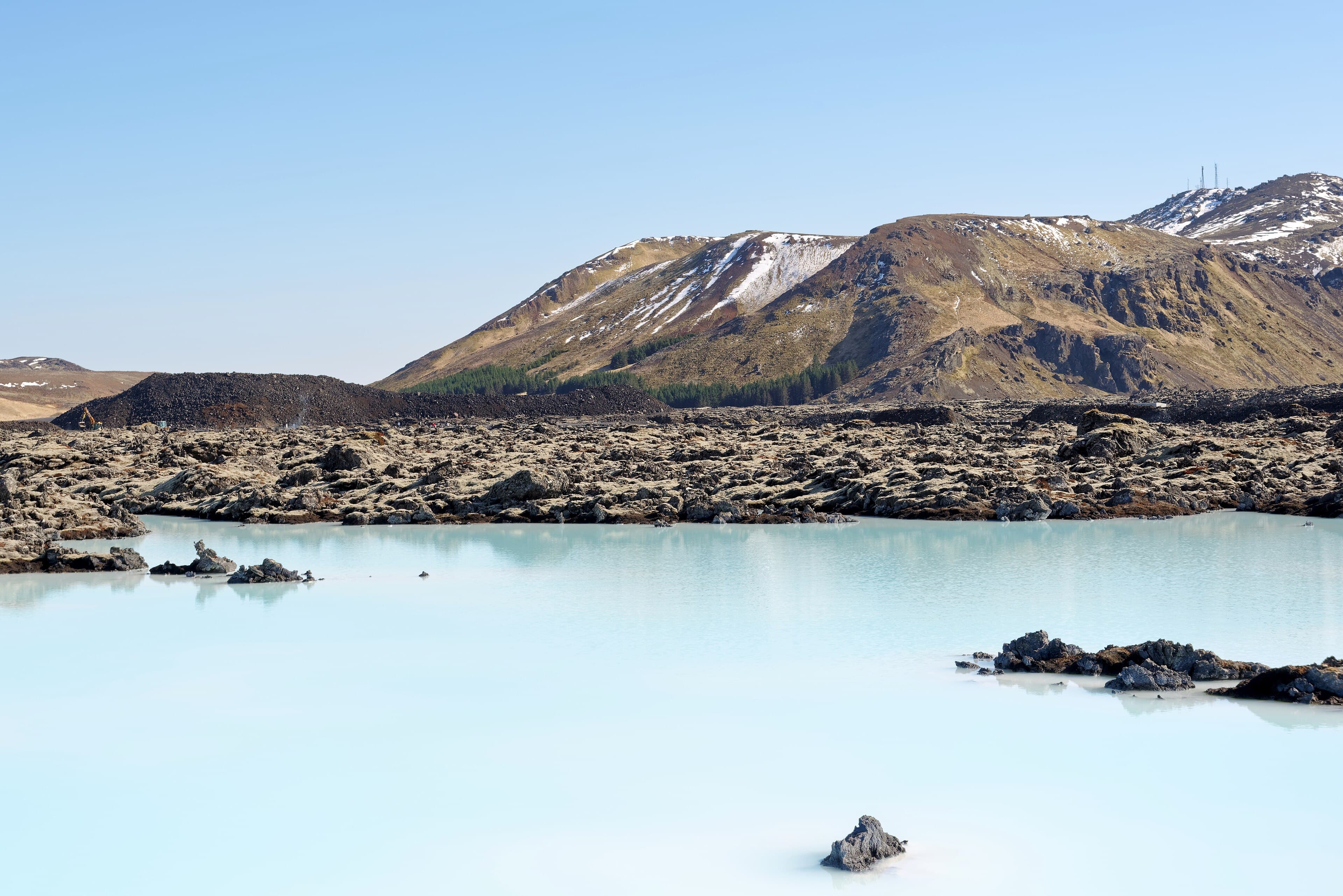
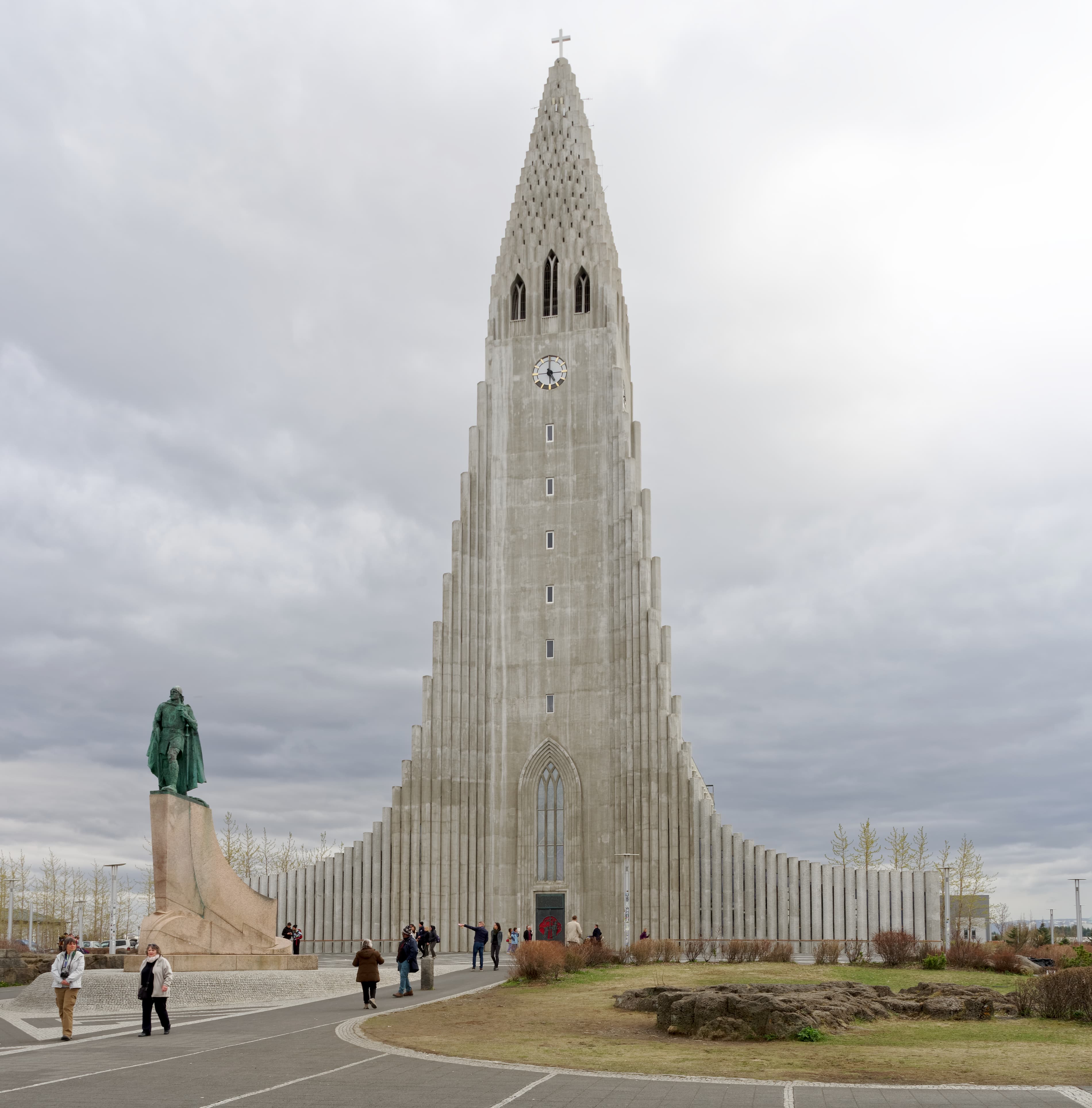
The capital Reykjavik is the world's northernmost capital and a city on a human scale (130,000 inhabitants) with a distinctively Nordic charm: brightly painted rooftops beneath the soaring concrete spire of the Hallgrímskirkja, a thriving cultural scene (music, design, new Nordic gastronomy) and street art on every corner. It is also the almost obligatory starting point of any trip to Iceland, 50 minutes by bus from the Blue Lagoon and one hour from the Golden Circle sites.
Iceland is one of the most expensive destinations in Europe — count on around €150/day/person for a modest comfort trip — but it offers in return a raw nature experience that few other countries on Earth can rival. It is also one of the most egalitarian, safest and most modern societies in the world, with 100% renewable electricity (geothermal and hydroelectric), almost no crime and a warm welcome from the Icelanders (340,000 inhabitants spread across 103,000 km²) that more than makes up for the harsh climate.
What we love
- ✅Natural spectacle unmatched in Europe: erupting volcanoes, immense glaciers, Northern Lights, geysers and waterfalls in abundance
- ✅An extremely safe and egalitarian society: virtually no crime, modern infrastructure, English spoken everywhere
- ✅100% renewable energy and the purest tap water in the world — a global environmental model
- ✅Easy access from Europe: 3 hours from London or Paris, no visa, same time zone (in winter)
- ✅A 1,332 km Ring Road that lets you self-drive the entire island in 10-14 days
What to know
- ❌Very high cost of living: Iceland ranks in the top 3 most expensive countries in Europe — dining out and alcohol are prohibitive
- ❌Extremely changeable weather: violent winds, snow possible at altitude year-round, unreliable forecasts
- ❌Strong seasonality: highlands inaccessible 9 months a year, no Northern Lights in summer
- ❌A car is essential beyond Reykjavik and the Golden Circle: public transport is virtually non-existent outside the capital
Explore Iceland
Our itineraries
Regions
Popular spots
Situation
Où se situe Iceland ?
Ouvrir la carte en grand sur OpenStreetMap →Frequently asked questions
Do I need a passport or just a national ID card for Iceland?+
When is the best time to see the Northern Lights in Iceland?+
What budget should I plan for a trip to Iceland?+
Do I need to hire a car in Iceland?+
Can you swim in all of Iceland's geothermal springs?+
Our verdict
Iceland is one of Europe's most singular destinations and probably one of the world's most striking — a country-laboratory where the planet is still being formed before the traveller's eyes, where the polar night of winter is torn open by the Northern Lights and where summer barely knows a night. Travelling in Iceland is demanding: the weather sets the agenda, distances are large, prices are high, driving can be tough. But the experience is unlike anywhere else. For a first trip, plan 7 to 10 days in June-August to cover the full Ring Road, or 5 to 7 days in winter combining Reykjavik, the Golden Circle, the south coast and an aurora hunt. Book 4 to 6 months ahead for the busiest windows. And don't forget that Iceland's tap water is the best in the world: there is no need to buy bottled water.
Similar destinations

Expert on Iceland · 1 contributions
 Mediterranean Desk — Mowando·Editor