- Visa
- Not required
- Passport validity
- 0 months
- Safety level
- Très élevée
- Recommended vaccines
- None specific
L'Islande est membre de l'espace Schengen depuis 2001 (sans être membre de l'Union européenne) : les ressortissants français n'ont besoin d'aucun visa pour s'y rendre, et la carte nationale d'identité française en cours de validité suffit pour entrer et séjourner librement sur le territoire islandais, sans limitation de durée pour un ressortissant de l'UE. Le passeport reste recommandé pour faciliter les contrôles à l'aéroport de Keflavík, surtout depuis que la Schengen a renforcé certaines vérifications d'identité pour les vols hors UE arrivant en correspondance.
Aucune formalité douanière particulière n'est requise à l'entrée pour un séjour touristique classique. L'Islande applique en revanche des restrictions strictes sur l'importation de produits frais (viandes, produits laitiers, œufs) afin de protéger un écosystème insulaire fragile : ne tentez pas d'entrer avec du jambon, du fromage ou des saucissons, même sous vide. Les médicaments sur ordonnance doivent être accompagnés de leur prescription en anglais. Les équipements de pêche et de randonnée doivent être désinfectés avant l'entrée (déclaration obligatoire en arrivant à Keflavík) pour éviter la propagation de pathogènes étrangers dans les rivières et fjords islandais.
Côté santé, aucun vaccin n'est obligatoire ni recommandé spécifiquement pour un voyage en Islande depuis la France, si vos vaccinations habituelles (DTP) sont à jour. La Carte Européenne d'Assurance Maladie (CEAM), délivrée gratuitement par votre caisse d'assurance maladie, vous permet de bénéficier de soins médicaux aux mêmes conditions que les ressortissants islandais dans les établissements publics. Une assurance voyage complémentaire est vivement recommandée pour couvrir le rapatriement, les frais d'évacuation héliportée en cas d'accident sur les glaciers ou en zones reculées (la facture peut atteindre plusieurs dizaines de milliers d'euros) et les annulations liées à la météo, particulièrement capricieuse en hiver.
Iceland is consistently ranked among the safest countries in the world in the Global Peace Index, where it has held the number one global spot uninterrupted since 2008. Crime is virtually non-existent: no pickpockets, no significant tourist scams, no armed robbery — Reykjavik has gone entire years without a single murder. The French Foreign Ministry, the UK Foreign Office and the US State Department all classify Iceland at the lowest vigilance level (green) across the entire territory.
The main risks in Iceland come from nature, not from people. Extreme weather is the leading cause of incidents: winds capable of tearing car doors off (always hold the door firmly when opening in strong wind), winter storms that paralyse traffic, sudden fogs that reduce visibility to zero on the tracks. Systematically check vedur.is (weather) and road.is (road conditions) before any movement, and file your travel plan on safetravel.is.
Geological risks (volcanoes, earthquakes) are monitored in real time by the Icelandic Met Office (Vedur): no recent eruption has caused loss of life (the 2021-2024 Reykjanes peninsula eruptions have been safely managed tourist spectacles), but always respect safety perimeters and road closures in case of activity.
Wild geothermal springs can reach 80-100 °C: never step into an unmarked spring, and even in tourist zones (Geysir, Hverir, Námafjall), strictly stay on marked paths — mineral crusts can give way under weight and cause serious burns.
Reynisfjara beach (south coast) has caused several tourist deaths in recent years due to sneaker waves — unusually powerful waves that can appear without warning and sweep careless visitors out to sea. Strictly observe the warning signs, never turn your back to the ocean, and stay more than 30 metres from the edge.
The F-roads (highlands) are forbidden to 2WD vehicles and may contain river fords that can be dangerous: never cross a ford without knowing its current level (consult local rangers or safetravel.is). In an emergency, the universal number is 112 — covered by foreign operators in roaming. The 112 Iceland app allows you to send a precise geolocation to rescue services in case of breakdown or accident in an isolated zone.
Read also
- Reykjavik and the Southwest — The capital, the Reykjanes peninsula and the Blue Lagoon: Iceland's urban and geothermal heart.
- The Golden Circle — Þingvellir (Viking parliament), Geysir and Gullfoss: the must-do day loop from Reykjavik.
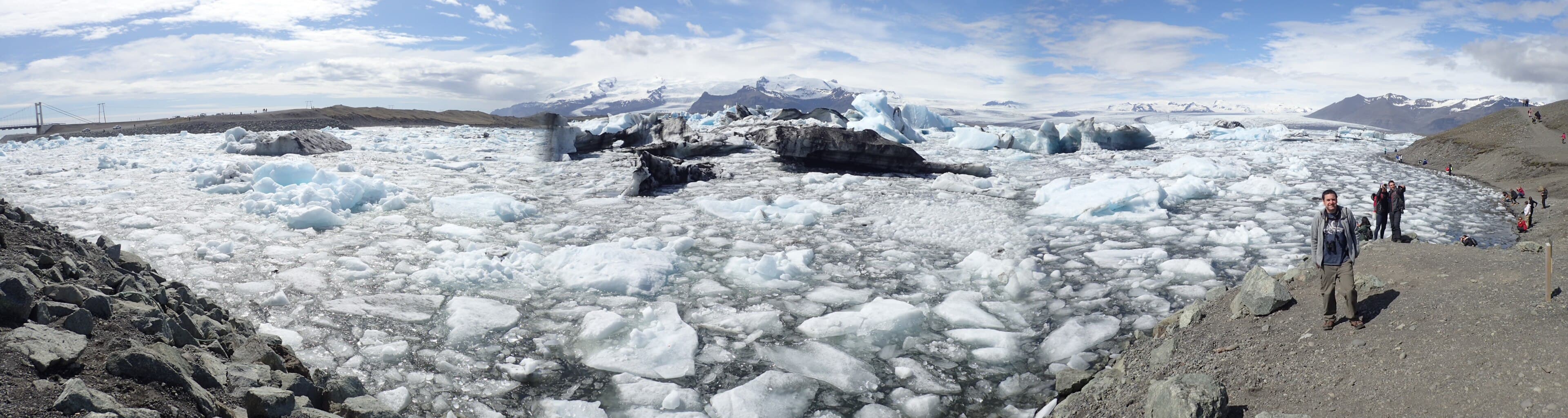
- The South Coast — Seljalandsfoss and Skógafoss waterfalls, Reynisfjara black-sand beach, Jökulsárlón glacial lagoon.
- The East Fjords — Egilsstaðir, Seyðisfjörður and the wildest stretch of the Ring Road, between reindeer and whales.
- The North and Akureyri — Akureyri, Mývatn, Goðafoss waterfall and the whales of Húsavík: the volcanic, lake-strewn north.