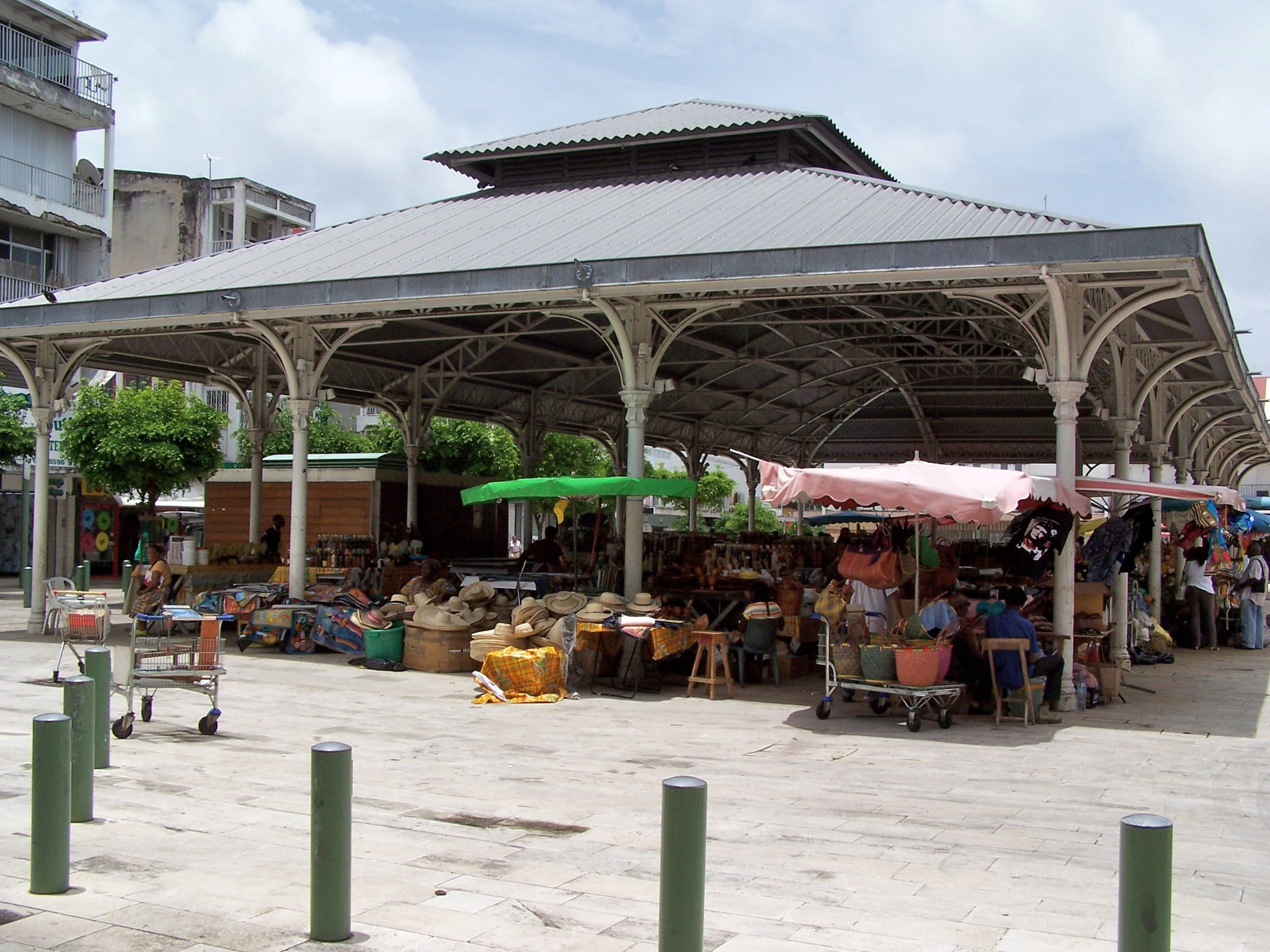

"Janvier est l'apogée de la saison sèche : alizés frais, ciel dégagé, ambiance carnavalesque qui commence à monter. Mois idéal pour visiter Pointe-à-Pitre et son marché Saint-Antoine."
Expert on Pointe-à-Pitre · 1 contributions
 Africa & Americas Desk — Mowando·Editor
The best periods
The best time to visit Pointe-à-Pitre is December to April. The most recommended months are Janvier, Février, Mars, Avril, Mai, Juin, Juillet, Août, Septembre, Octobre, Novembre, Décembre.
Saison sèche — la meilleure période
- ✅Marché Saint-Antoine à son apogée : étals débordants, ambiance maximale en saison touristique
- ✅Mémorial ACTe et visites culturelles dans des conditions idéales (24-30 °C, faible humidité)
- ✅Carnaval guadeloupéen en janvier-février : ferveur créole authentique dans les rues
- ❌Embouteillages au pont de la Gabarre aux heures de pointe (vers 7h30-9h, 16h30-18h)
- ❌Hôtels du centre-ville assez chers en haute saison, peu d'options sous 100 €/nuit
Mai-juin — intersaison agréable
- ✅Moins de touristes, expérience plus authentique au marché et dans les rues
- ✅Tarifs hôtels en baisse, restaurants accessibles sans réservation
- ✅Premières chaleurs tropicales mais encore supportables (29-31 °C)
- ❌Premières averses tropicales possibles en fin de mois
- ❌Quelques événements culturels en pause après le Carnaval
Hivernage — saison humide et chaude
- ✅Tarifs au plus bas hors juillet-août, hôtels du centre-ville en promotion
- ✅Vie locale plus authentique, marché Saint-Antoine vibrant de couleurs
- ✅Fête patronale de Saint-Pierre-et-Saint-Paul fin juin, animations populaires
- ❌Chaleur étouffante et humidité écrasante (31-34 °C, taux 80 %+)
- ❌Risque cyclonique d'août à octobre, pluies tropicales intenses
- ❌Quelques restaurants en congés annuels en septembre-octobre
Month-by-month climate
Temperatures, rainfall and sunshine in Pointe-à-Pitre across the 12 months.
| Jan | Fév | Mar | Avr | Mai | Juin | Jui | Aoû | Sep | Oct | Nov | Déc | |
|---|---|---|---|---|---|---|---|---|---|---|---|---|
| Min | 23° | 23° | 23° | 24° | 25° | 26° | 25° | 25° | 25° | 25° | 24° | 23° |
| Max | 28° | 29° | 29° | 30° | 31° | 31° | 31° | 31° | 31° | 30° | 29° | 29° |
| Mer | 26° | 26° | 26° | 27° | 27° | 28° | 28° | 28° | 28° | 28° | 27° | 27° |
| Pluie | 38mm | 53mm | 64mm | 59mm | 49mm | 91mm | 128mm | 150mm | 198mm | 177mm | 145mm | 53mm |
| Soleil/j | 10.5h | 10.7h | 11.3h | 11.4h | 11.2h | 11.1h | 11h | 10.9h | 10.7h | 9.9h | 10.1h | 10.3h |
Tourist crowds
Monthly attendance levels (0 = empty, 100 = saturated).
Average flight prices
Average round-trip Paris → Pointe-à-Pitre by month.
Frequently asked questions
How much time should I spend in Pointe-à-Pitre?+
When to visit the Saint-Antoine market?+
What is the ACTe Memorial and should I visit it?+
Is Pointe-à-Pitre dangerous?+
Where to stay if I want to be near Pointe-à-Pitre?+
Our verdict
Pointe-à-Pitre is the unmissable gateway to Guadeloupe and the cultural heart of the archipelago. A full day is enough for the essentials (morning Saint-Antoine market, ACTe Memorial, lunch on the Darse, stroll around Place de la Victoire), but two days allow you to deepen with the Saint-Pierre-and-Saint-Paul Cathedral (Eiffel pillars), the Schoelcher House (memory of abolition) and the working-class Creole neighbourhoods. Prefer Sainte-Anne or Gosier for sleeping, and come to Pointe-à-Pitre on a day excursion — you'll thus enjoy the urban animation without enduring the stifling heat of summer nights in the city centre.
Similar destinations