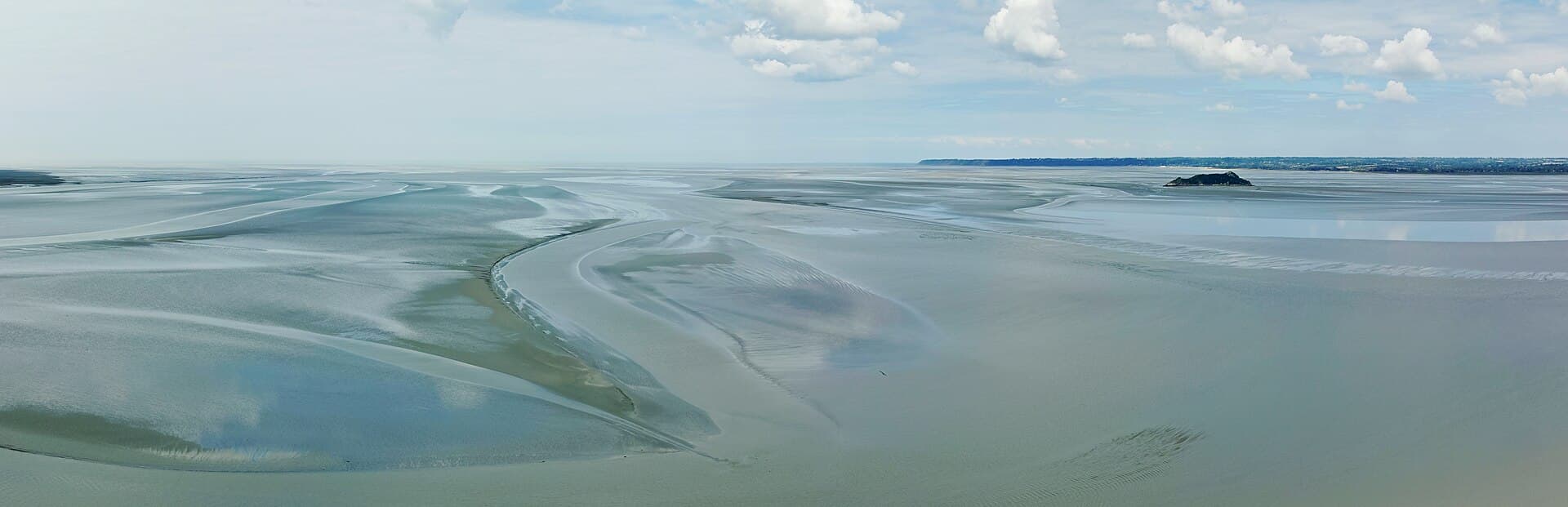
Normandy enjoys a temperate oceanic climate, cool and humid, without excesses of heat or cold. Average temperatures range from 5 °C in January to 19 °C in July, with rainfall spread across the year (700-900 mm/year, or 130-150 rainy days). The lush Norman bocage is a direct consequence of this humid climate.
Spring (April-June) is the ideal season for the bocage and Pays d'Auge: apple trees in bloom in April-May, Norman cows in meadows, temperatures rising gradually (12-20 °C). May and June are the best months: rains rarer, sun increasingly present, days lengthening to 16 hours of daylight in June. Major sites (Mont-Saint-Michel, D-Day beaches, Étretat) are still accessible without excessive crowds.
Summer (July-August) is high season: 20-24 °C on average (temperate climate, ideal refuge during southern heatwaves), long days, pleasant sea for coastal walks (but cool for swimming, 17-18 °C). It's also the most frequented period: Mont-Saint-Michel can reach 25,000 visitors/day in August, Étretat is saturated, D-Day beaches attract tour buses from around the world. Hotels need booking 6 months in advance in these zones.
September is the perfect season: still-mild temperatures (16-22 °C), crowds plummeting from mid-month, golden light on cliffs and bocage, cider harvest. The Deauville American Film Festival (early September) animates the Côte Fleurie. Accommodation prices drop 20-30%.
Autumn (October-November) is melancholic but beautiful: golden foliage on apple trees, dramatic skies over cliffs, deserted beaches. Rains intensify (15-18 days/month). It's the best season for scallops (fishing opens late October) and oysters. Tourism is much reduced, perfect for a quiet getaway.
Winter (December-March) is cold (5-9 °C during the day) and humid, but has its own charm. Mont-Saint-Michel in mist or a winter sunset is unforgettable. The Christmas markets of Rouen, Caen and Honfleur are charming. More than half of seaside accommodation closes from December to March — check before you go.
Read also
- Mont-Saint-Michel, wonder of the West — The thousand-year-old abbey between sky and sea, one of France's most-visited UNESCO sites.
- Étretat, the alabaster cliffs — Iconic natural arches of the Alabaster Coast that inspired the Impressionists.
- France — Complete country guide: entry rules, regions, budget, gastronomy.
- Brittany — Wild coastline, megaliths and corsair cities just west of Normandy.