Region
Brittany
Pink Granite Coast, Carnac megaliths, walled Saint-Malo and the Gulf of Morbihan: Brittany is a uniquely identified French region, between sea and Celtic heritage.
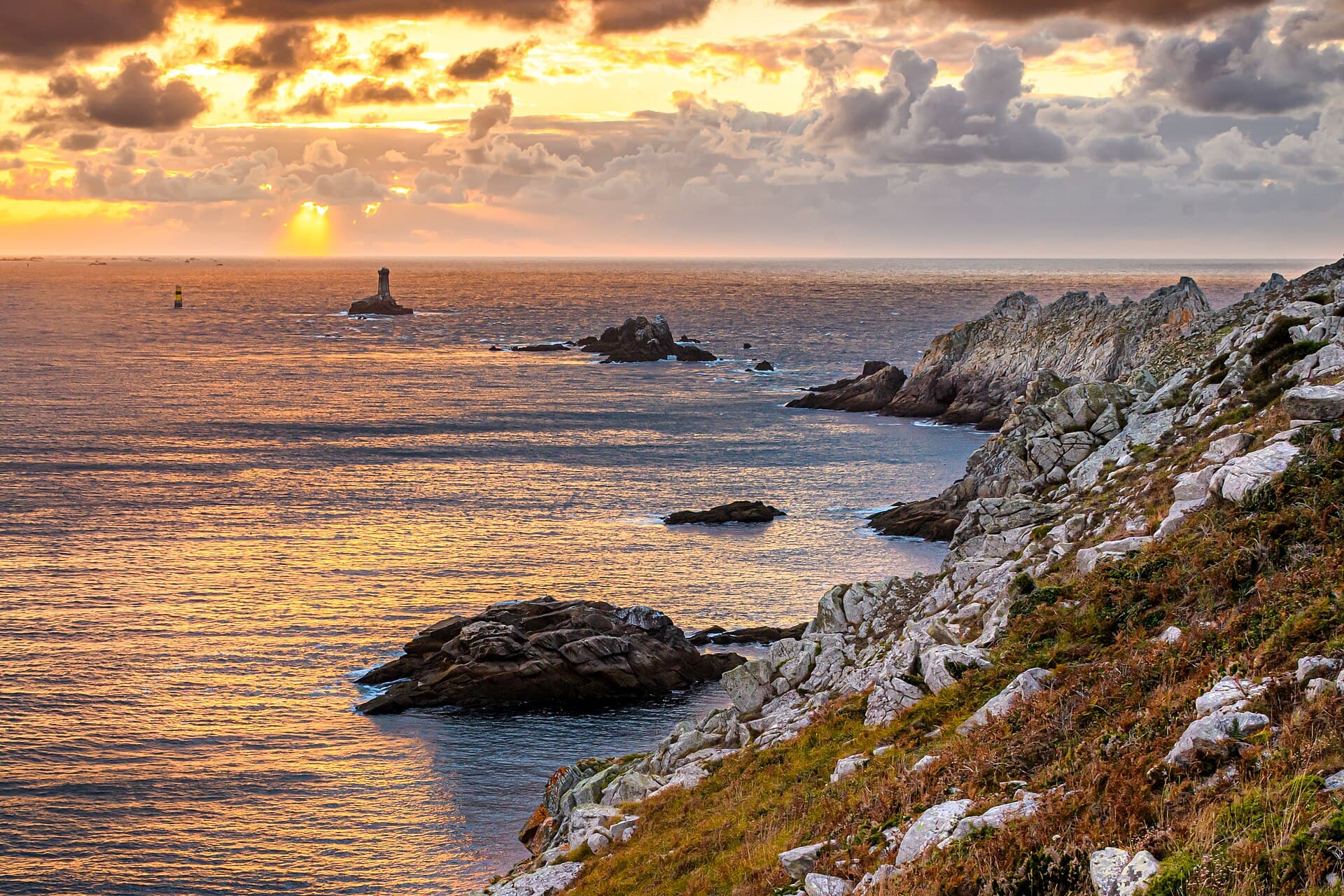
Brittany is one of France's most singular regions — a territory with its own language (Breton, spoken by 200,000 people), its musical culture (festoù-noz, biniou, bombarde), its specific gastronomy (crêpes, kouign-amann, seafood, cider, chouchen) and its deep maritime identity. It stretches across 2,700 km of coastline — a third of the entire French coast — between the English Channel to the north and the Atlantic Ocean to the south, with the Pointe du Finistère (the "end of the world" for the Romans) at its westernmost tip.
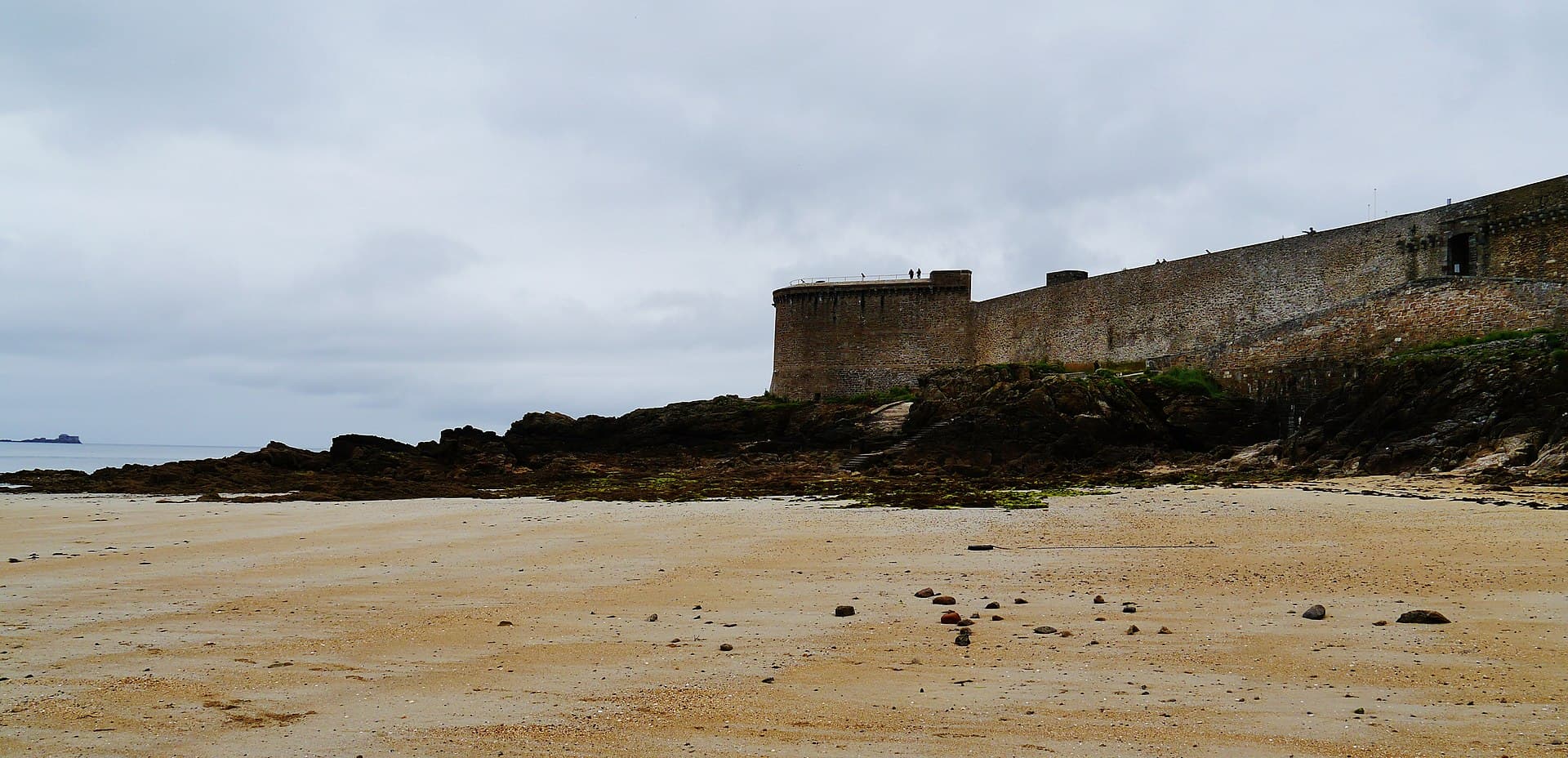
Four major sites embody the region's appeal. Saint-Malo, an intra-muros corsair city entirely rebuilt after the destruction of 1944, offers one of Europe's most beautiful rampart walks (1.8 km around the fortifications, panoramic views over the archipelago). The Pink Granite Coast, between Perros-Guirec and Trébeurden, unfolds its pink rocky chaos sculpted by erosion over 25 km of coastline — one of the most photographed sites in Brittany. The Carnac megaliths (3,000 standing stones aligned over 4 km, erected around 4500 BC, UNESCO listing in progress) form the largest Neolithic alignment in the world. The Gulf of Morbihan and its 42 islands, classified as a Regional Nature Park, is one of France's most beautiful coastal landscapes.
But Brittany is also a wild coast with preserved nature: Pointe du Raz (Finistère, classified Grand Site de France), Pointe de Penhir and Cap de la Chèvre on the Crozon peninsula, cliffs of the Côte Sauvage of Quiberon, the Glénan archipelago (turquoise waters worthy of the Maldives), island of Ouessant and island of Bréhat. Inland, the Argoat ("land of wood" in Breton) unfolds its bocage, its forests of Brocéliande (Arthurian legends), its medieval cities (Dinan, Josselin, Vannes) and its regional nature parks (Armorique, Brière).
Explore Brittany
Spots in the region
Situation
Où se situe Brittany ?
Ouvrir la carte en grand sur OpenStreetMap →Frequently asked questions
How many days do I need for Brittany?+
When is the best time to visit Brittany?+
Do I need a car in Brittany?+
What are the must-see sites?+
Can you swim in Brittany?+
What to eat in Brittany?+
Which accommodation base to choose in Brittany?+
Our verdict
Brittany is one of France's most authentic and singular regions — a marked cultural identity, exceptional coastal landscapes, specific gastronomy. The region lends itself to a 7-10 day stay to combine the four sub-regions (Emerald Coast with Saint-Malo, Pink Granite Coast, Finistère point, Gulf of Morbihan). Visit from May to September for the mildest climate (July-August being the only months when the sea is warm). A car is highly recommended for isolated coastal sites, but the TGV serves Rennes (1h25 from Paris), Saint-Malo (3h), Brest (3h30), Quimper (4h).