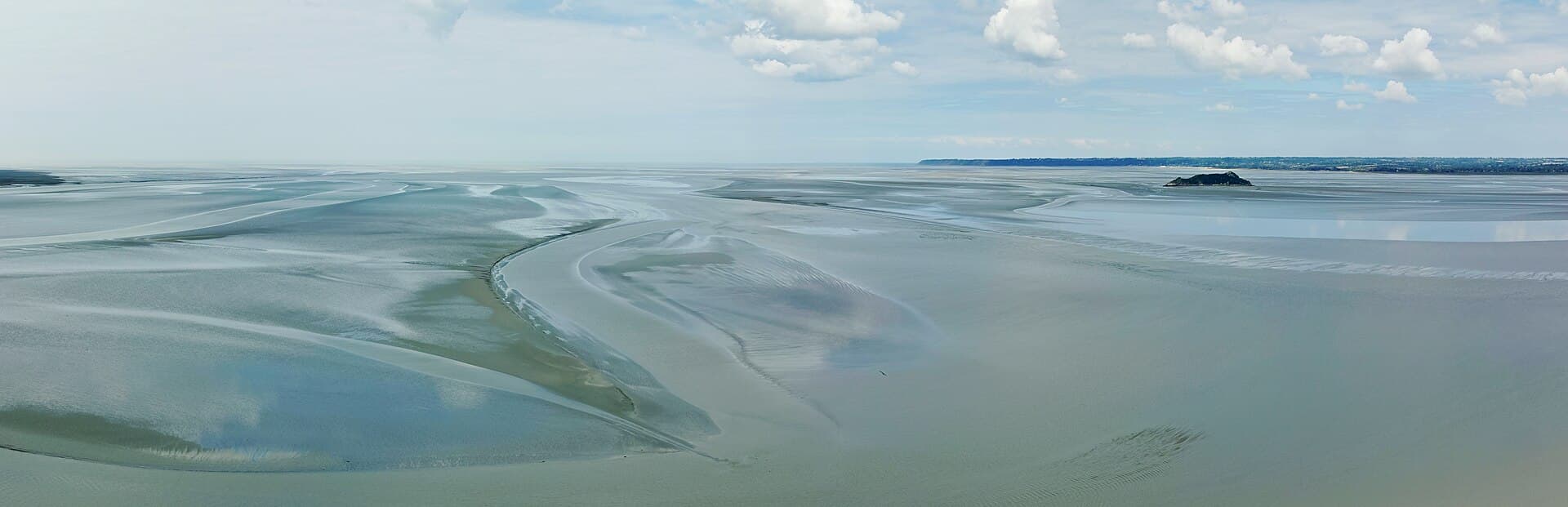
Normandy is one of the most appreciated French regions for international travellers, particularly Americans, British and Canadians — a direct legacy of the 1944 D-Day landings. The region concentrates some of France's most iconic sites: Mont-Saint-Michel, D-Day beaches, Étretat cliffs, Honfleur, Bayeux and its Tapestry. This attraction density, distributed across 600 km of coastline, requires a minimum of 5-7 days to be appreciated without rushing.
For a weekend (3 days), target a single sub-region: Mont-Saint-Michel + Bayeux/D-Day (base in Bayeux), or Honfleur + Côte Fleurie + Pays d'Auge (base in Honfleur or Cabourg), or Étretat + Alabaster Coast + Rouen (base in Rouen). With a week (7 days), the ideal programme combines the three axes: 2 days Mont-Saint-Michel and Bayeux, 2 days Honfleur and Pays d'Auge, 2 days Étretat and Alabaster Coast, 1 day Rouen. Over 10 days, add Giverny (Monet's gardens, on the Île-de-France/Normandy border) and the Cotentin peninsula (Cherbourg, Cité de la Mer, Cap de la Hague).
The key to a successful trip: a car is highly recommended to enjoy the bocage and villages, even if major sites are accessible by train+bus. Book your accommodation months in advance for July-August, especially around Mont-Saint-Michel and in Bayeux. Anticipate the tides for the Mount (consult the official calendar) — at spring tides, the spectacle is unforgettable but access can be temporarily cut.
Read also
- Mont-Saint-Michel, wonder of the West — The thousand-year-old abbey between sky and sea, one of France's most-visited UNESCO sites.
- Étretat, the alabaster cliffs — Iconic natural arches of the Alabaster Coast that inspired the Impressionists.
- France — Complete country guide: entry rules, regions, budget, gastronomy.
- Brittany — Wild coastline, megaliths and corsair cities just west of Normandy.