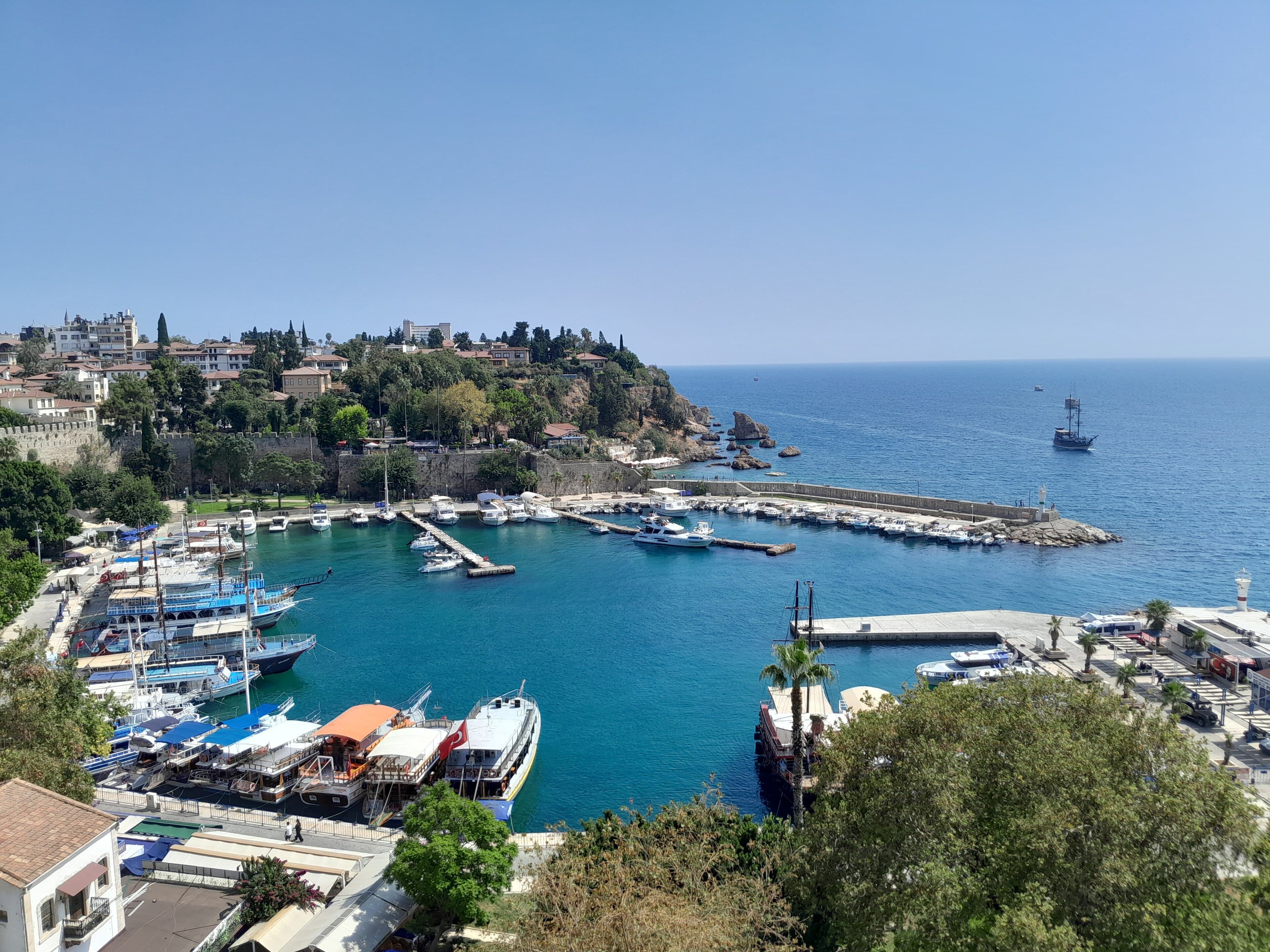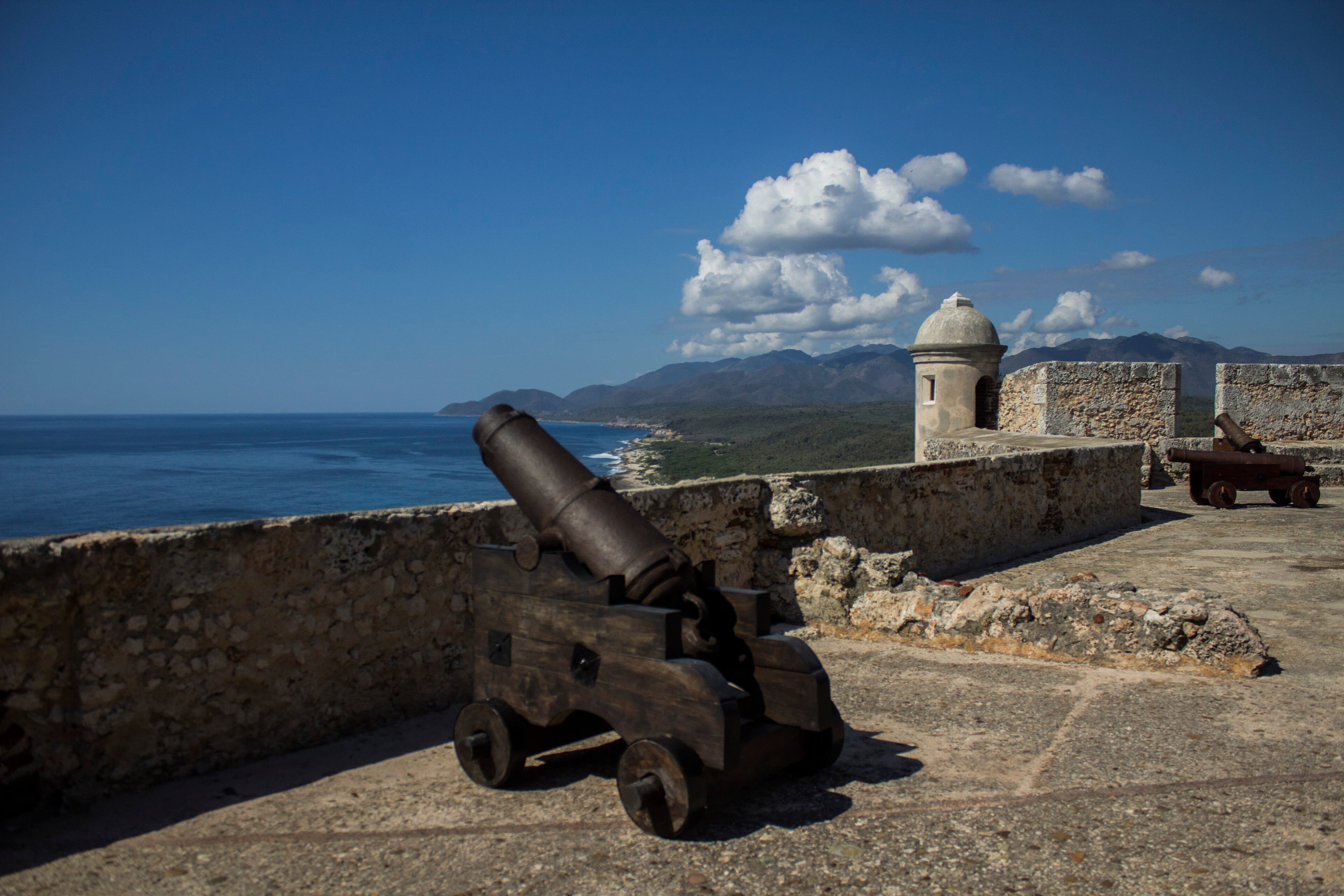

"Janvier est l'un des rares moments de fraîcheur relative à Santiago (29 °C contre 33-35 °C en été). La ville reste festive mais respirable."
Expert on Santiago de Cuba · 1 contributions
 Africa & Americas Desk — Mowando·Editor
The best periods
The best time to visit Santiago de Cuba is November to April (dry season). The most recommended months are Janvier, Février, Mars, Avril, Mai, Juin, Juillet, Août, Septembre, Octobre, Novembre, Décembre.
Saison sèche — la meilleure période
- ✅Climat plus supportable (24-30 °C) qu'en été, humidité réduite
- ✅Atmosphère festive permanente, casas de la trova actives toute l'année
- ✅Excursions vers Baracoa et la Sierra Maestra praticables sans pluies trop fortes
- ❌Santiago reste chaude même en saison sèche (toujours 5-7 °C de plus que La Havane)
- ❌Décembre-février : foule des croisiéristes débarquant à la journée
- ❌Festival de la Trova (mars) très fréquenté, casas à réserver très tôt
Inter-saison — chaleur et orages courts
- ✅Foule réduite, ambiance plus locale et authentique
- ✅Tarifs casas particulares en baisse
- ✅Lumière spectaculaire entre les orages tropicaux
- ❌Chaleur déjà soutenue (32-33 °C en journée)
- ❌Orages quotidiens en fin d'après-midi
Carnaval — l'expérience ultime
- ✅Carnaval de Santiago (3e semaine de juillet) : le plus important de Cuba, défilés de comparsas, conga jusqu'à l'aube
- ✅Ambiance électrique dans toute la ville pendant 10 jours
- ✅Atmosphère festive comme nulle part ailleurs aux Caraïbes
- ❌Chaleur écrasante (33-35 °C, 90 % d'humidité)
- ❌Casas particulares saturées et chères pendant le Carnaval
- ❌Foule cubaine intense, ville en effervescence permanente
Saison cyclonique active
- ✅Très peu de touristes étrangers
- ✅Tarifs au plancher pour casas et excursions
- ❌Risque cyclonique élevé : Santiago régulièrement touchée par les ouragans (Sandy 2012, Matthew 2016)
- ❌Chaleur insupportable, humidité maximale
- ❌Excursions Sierra Maestra et Baracoa fortement perturbées
Month-by-month climate
Temperatures, rainfall and sunshine in Santiago de Cuba across the 12 months.
| Jan | Fév | Mar | Avr | Mai | Juin | Jui | Aoû | Sep | Oct | Nov | Déc | |
|---|---|---|---|---|---|---|---|---|---|---|---|---|
| Min | 20° | 20° | 21° | 22° | 23° | 24° | 24° | 24° | 24° | 24° | 22° | 21° |
| Max | 28° | 29° | 29° | 29° | 29° | 30° | 31° | 31° | 31° | 30° | 29° | 29° |
| Mer | — | — | — | — | — | — | — | — | — | — | — | — |
| Pluie | 15mm | 35mm | 23mm | 68mm | 132mm | 132mm | 97mm | 148mm | 112mm | 116mm | 129mm | 19mm |
| Soleil/j | 10.5h | 10.9h | 11.7h | 11.8h | 11.1h | 10.8h | 11.5h | 11.3h | 11.3h | 10.5h | 9.7h | 9.9h |
Tourist crowds
Monthly attendance levels (0 = empty, 100 = saturated).
Average flight prices
Average round-trip Paris → Santiago de Cuba by month.
Frequently asked questions
How many days do you need in Santiago de Cuba?+
How do you get to Santiago from Havana?+
What is special about the music in Santiago?+
Is the Santiago Carnival really worth it?+
What are the absolute must-sees in Santiago de Cuba?+
Our verdict
Santiago de Cuba is Cuba's most singular city — more African, more Caribbean, more rebellious and more musical than the others. It has to be earned (870 km from Havana, extreme heat, less developed infrastructure) but generously rewards the traveller who ventures there. Plan a minimum of three nights: one day for the historic centre (Parque Céspedes, cathedral, Casa Diego Velázquez, 26 July balcony), one for Castillo del Morro and Santa Ifigenia cemetery, one for the Sierra Maestra or Siboney beach. Stay in a casa particular in the centre or Vista Alegre, and devote at least two evenings to the Casa de la Trova or the local peñas — Santiago's music is unforgettable.
Similar destinations