North America
Canada
The world's 2nd largest country by area for only 39 million inhabitants — Canadian Rockies among the planet's most beautiful alpine landscapes, unique French-speaking Quebec culture, legendary hospitality and nature as far as the eye can see.
- Capital
- Ottawa
- Currency
- Dollar canadien (CAD)
- Languages
- Anglais, Français
- Budget
- Mid to high — around €110/day/person; hotels and dining pricey, especially in Rockies and Vancouver/Toronto
Canada at a glance
Canada is the world's 2nd largest country by area (9.98 million km², just behind Russia), home to only 39 million inhabitants — a density of 4 inhabitants per km², among the planet's lowest. This equation produces the ultimate nature country: between the Atlantic and Pacific, six time zones, landscapes of stunning variety and scale. Endless boreal forests, immense Great Lakes, spectacular Rockies, British Columbia fjords, Arctic tundra, the majestic St Lawrence — Canadian nature is one of the planet's great spectacles, reachable just a few hours' flight from Europe.
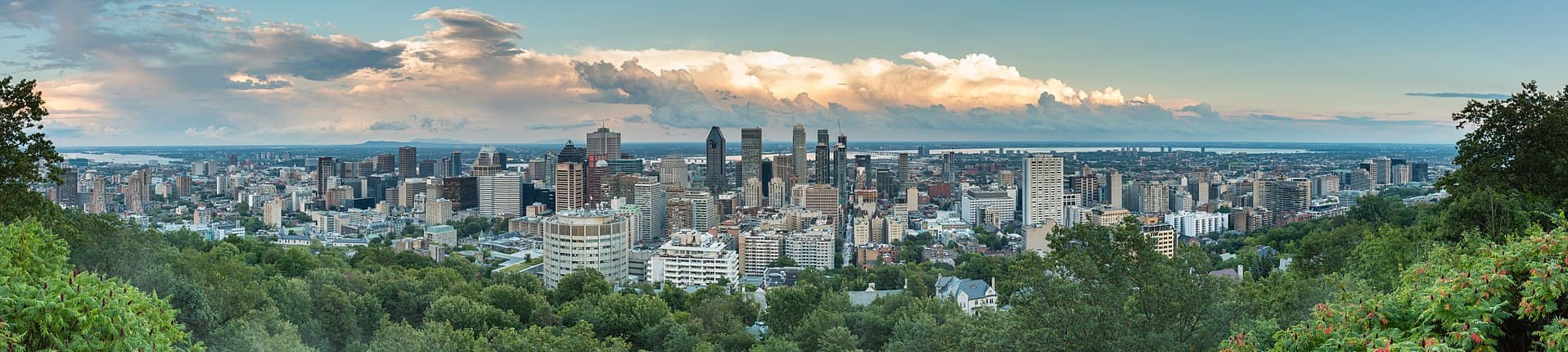
Cultural diversity is equally remarkable. The country has been officially bilingual English-French since the 1969 Official Languages Act — legacy of coexistence between former French Canada (New France colonised in the 17th century) and the British Empire. Quebec (8.7 million inhabitants, 80% francophone) forms a unique francophone enclave in North America, fiercely proud of its identity, language and culture. Montreal, Quebec City, Trois-Rivières, the Outaouais: a French-speaking trip 7 hours from Paris. The rest of the country is anglophone, with a remarkable cosmopolitan mosaic — Toronto (6.3 million inhabitants, 52% foreign-born, one of the world's most multicultural cities), Vancouver (2.8 million, with its historic Chinatown, Indian diaspora, glass towers facing the Pacific), Calgary, Ottawa, Halifax. Indigenous peoples (First Nations, Inuit, Métis, 1.8 million people total) are visible in the northern territories (Nunavut, Northwest Territories, Yukon) and progressively reintegrated into national memory after decades of erasure.
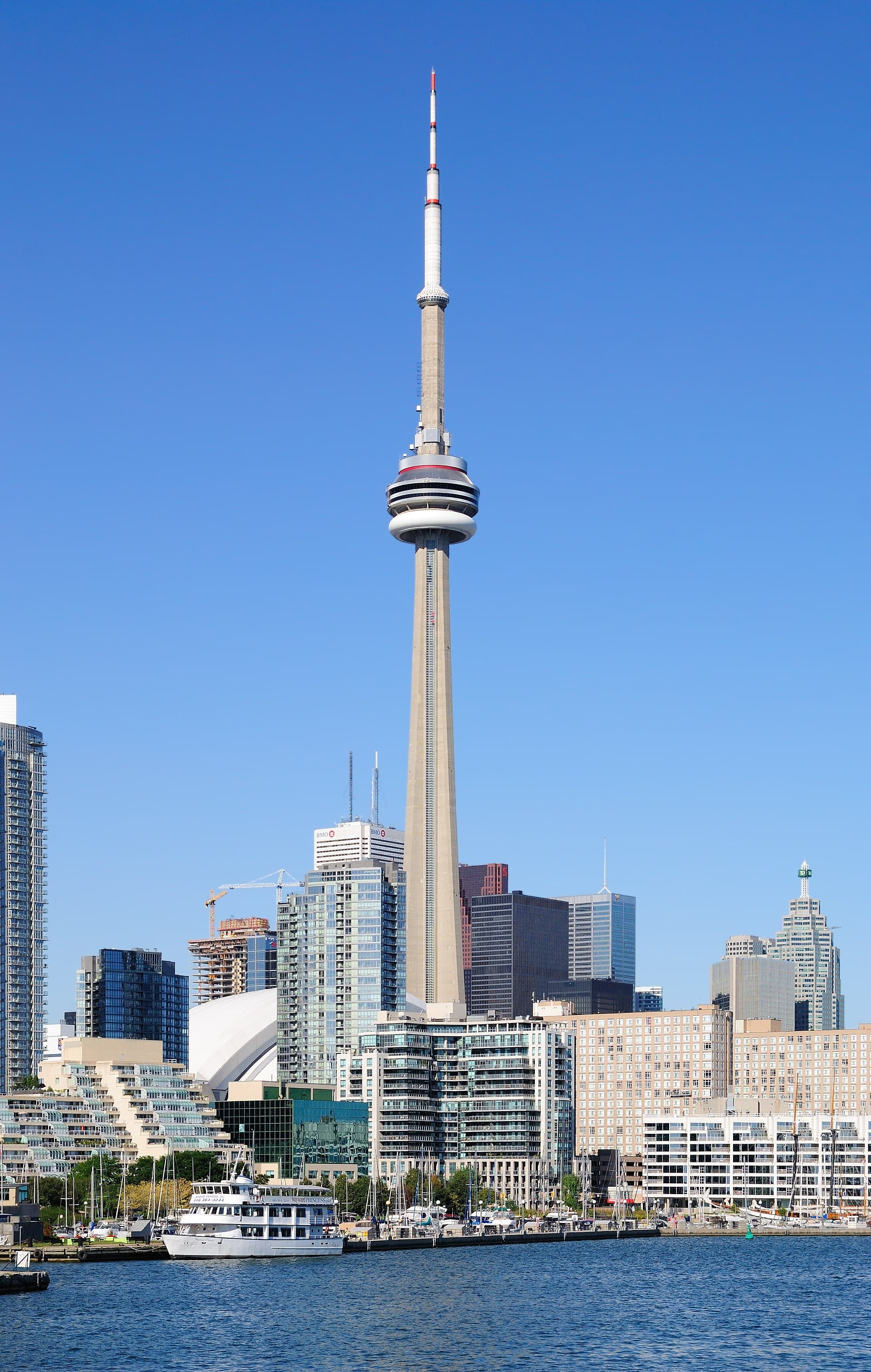
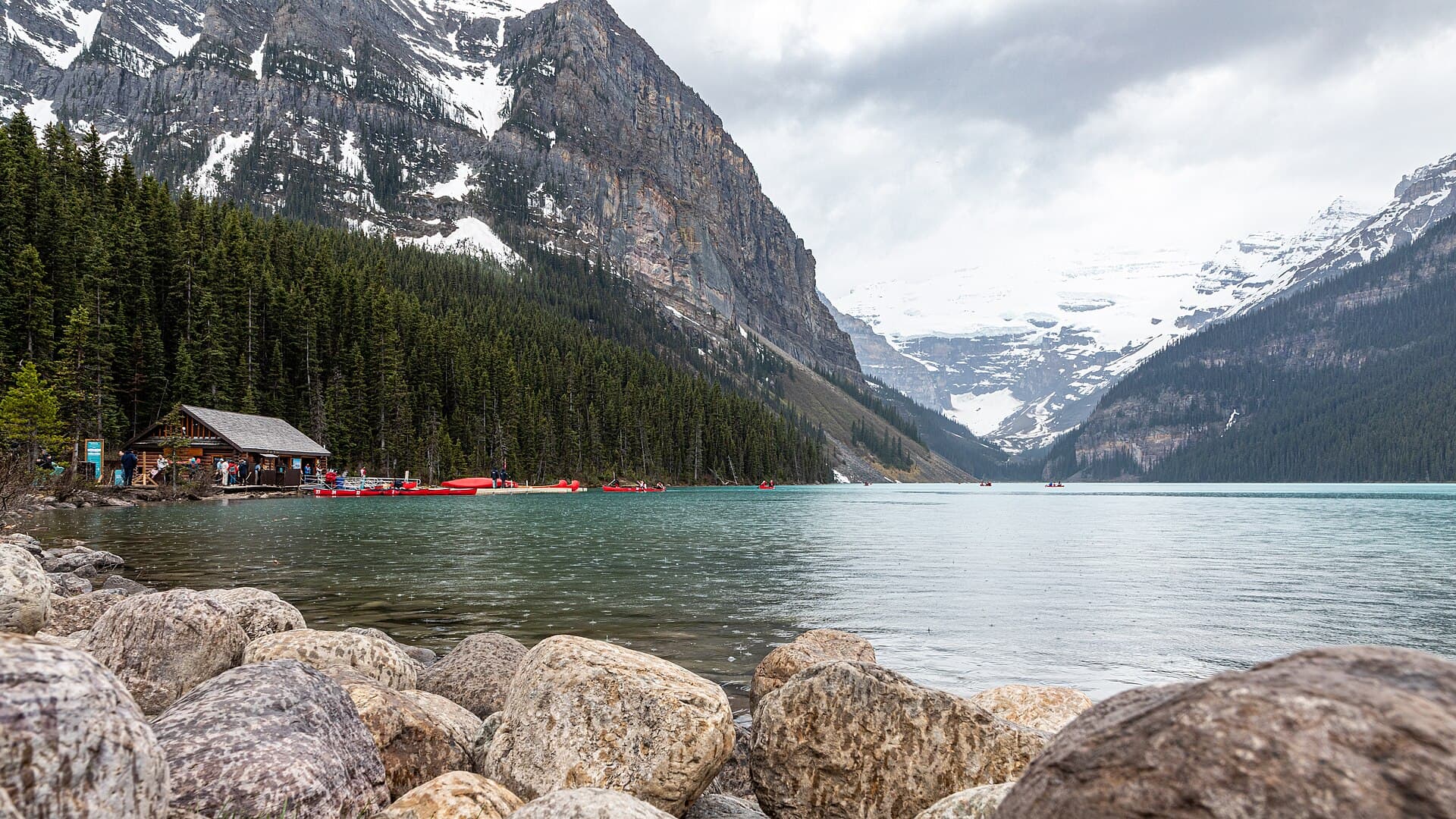
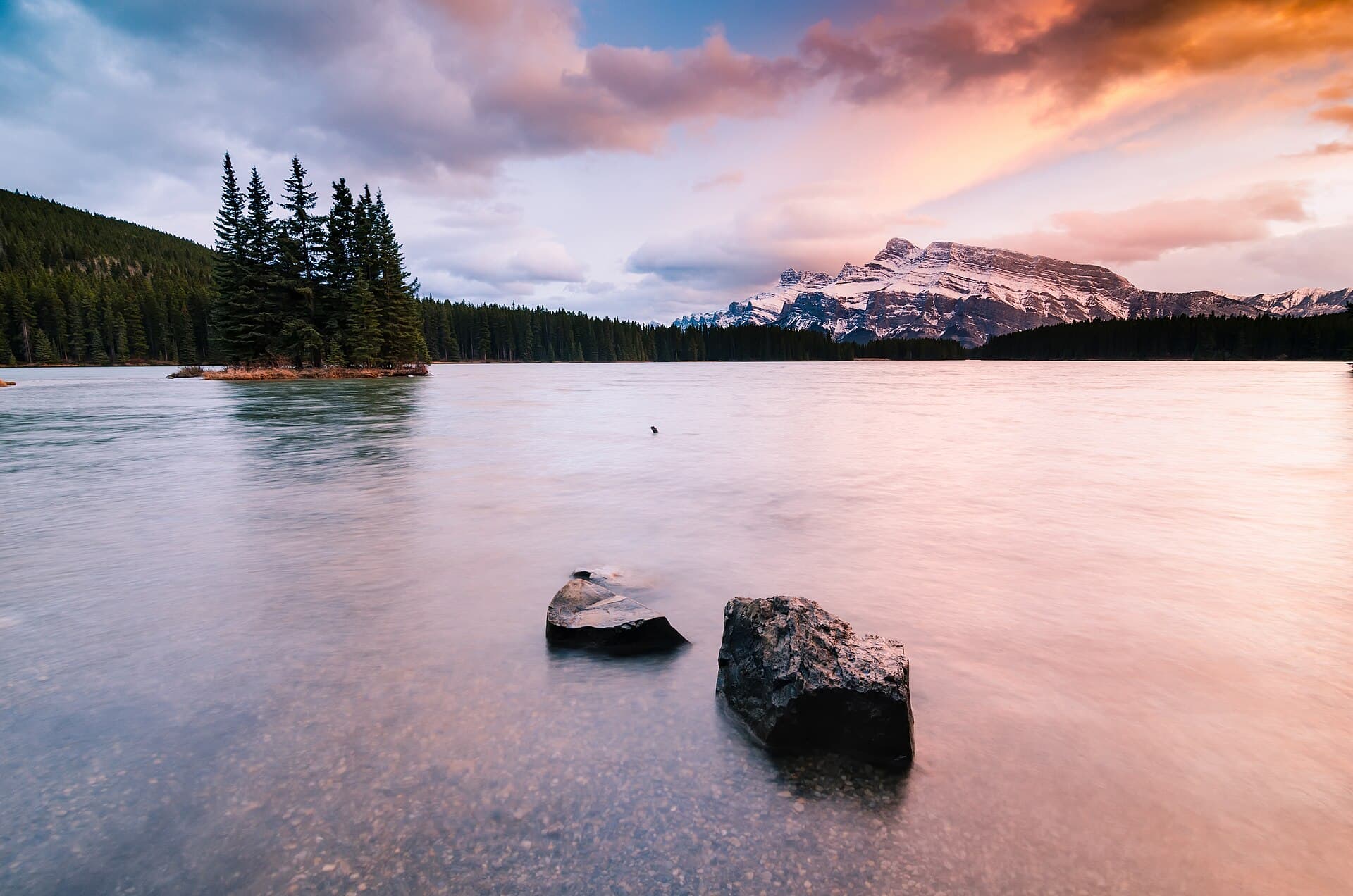
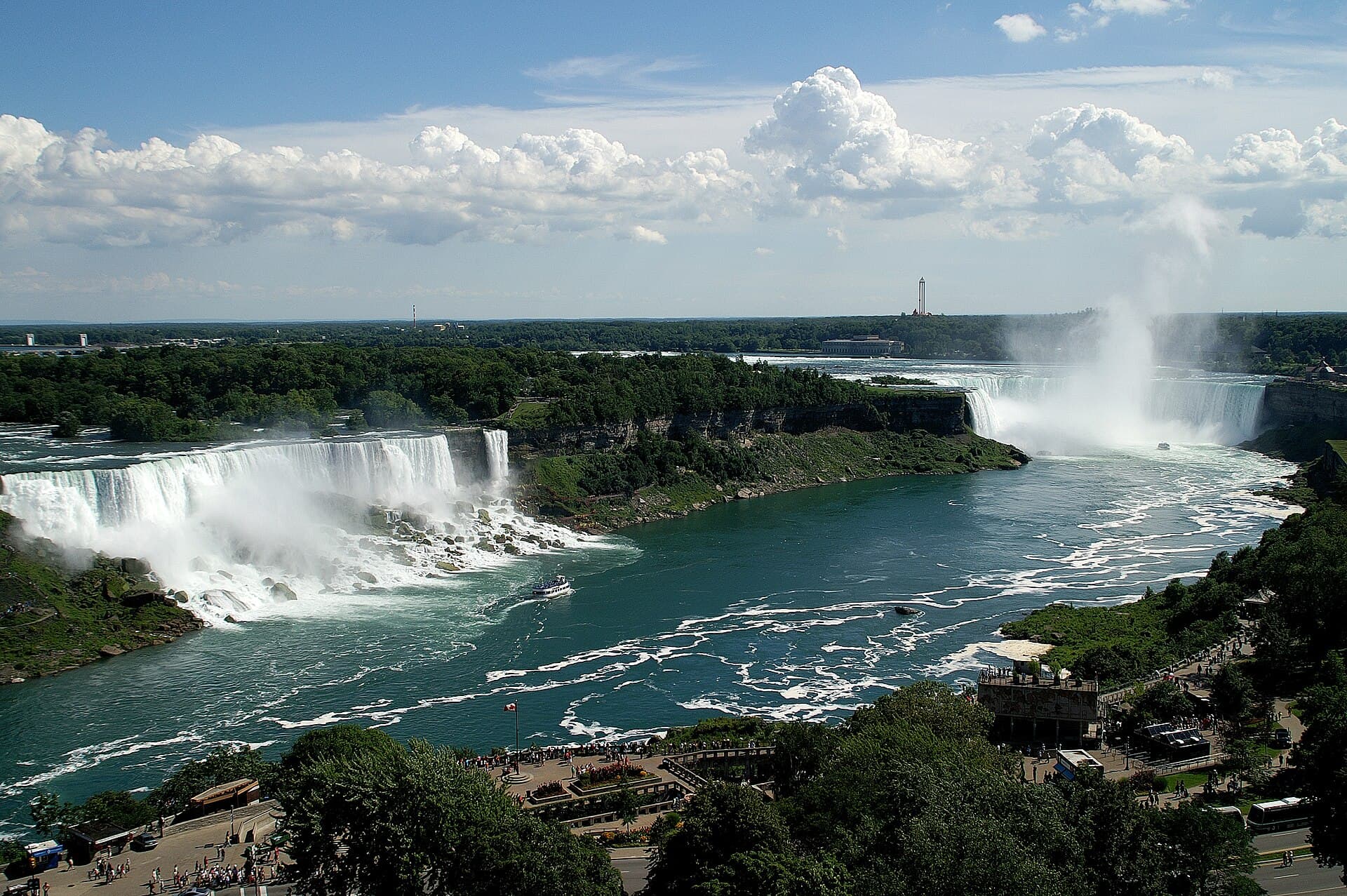
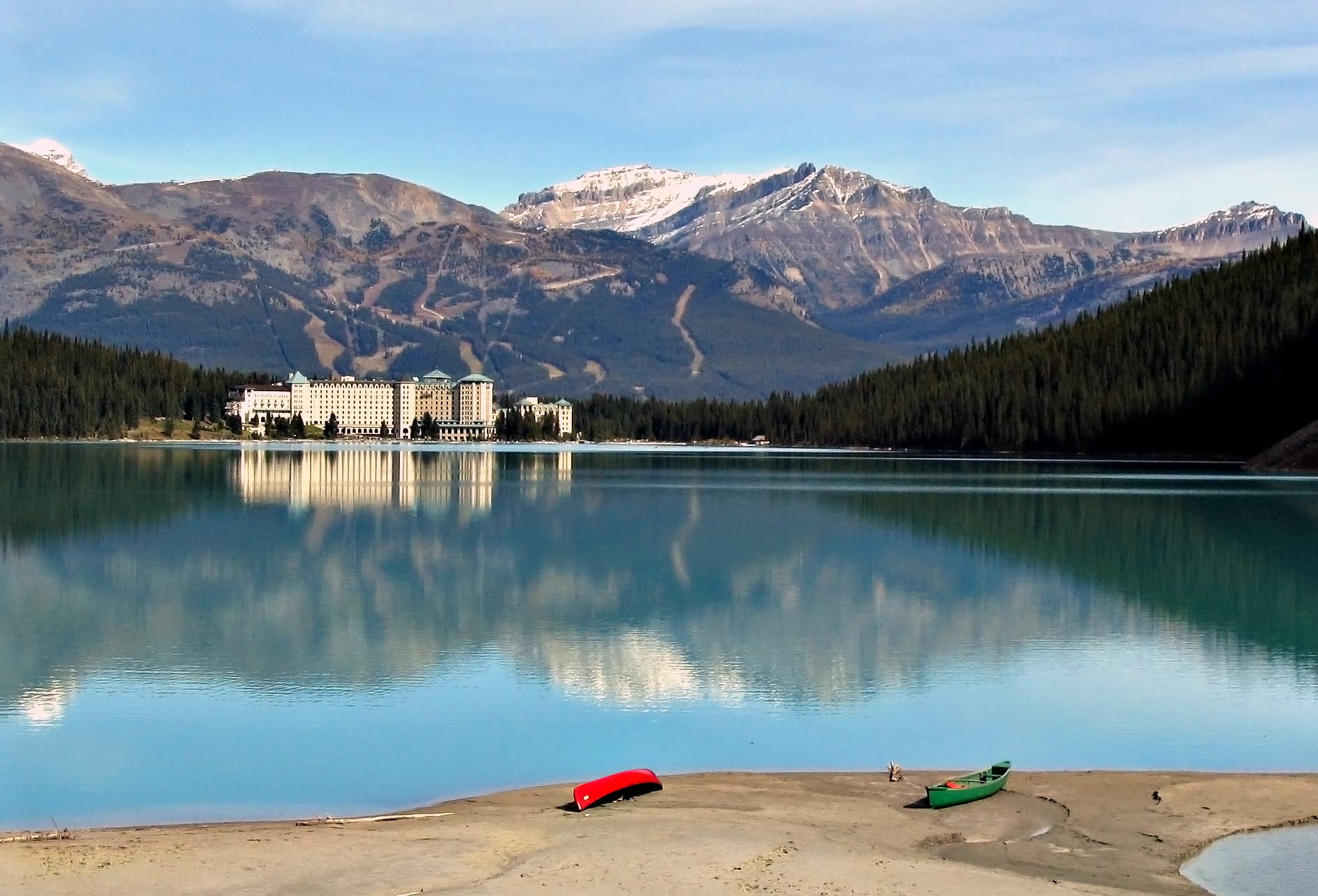
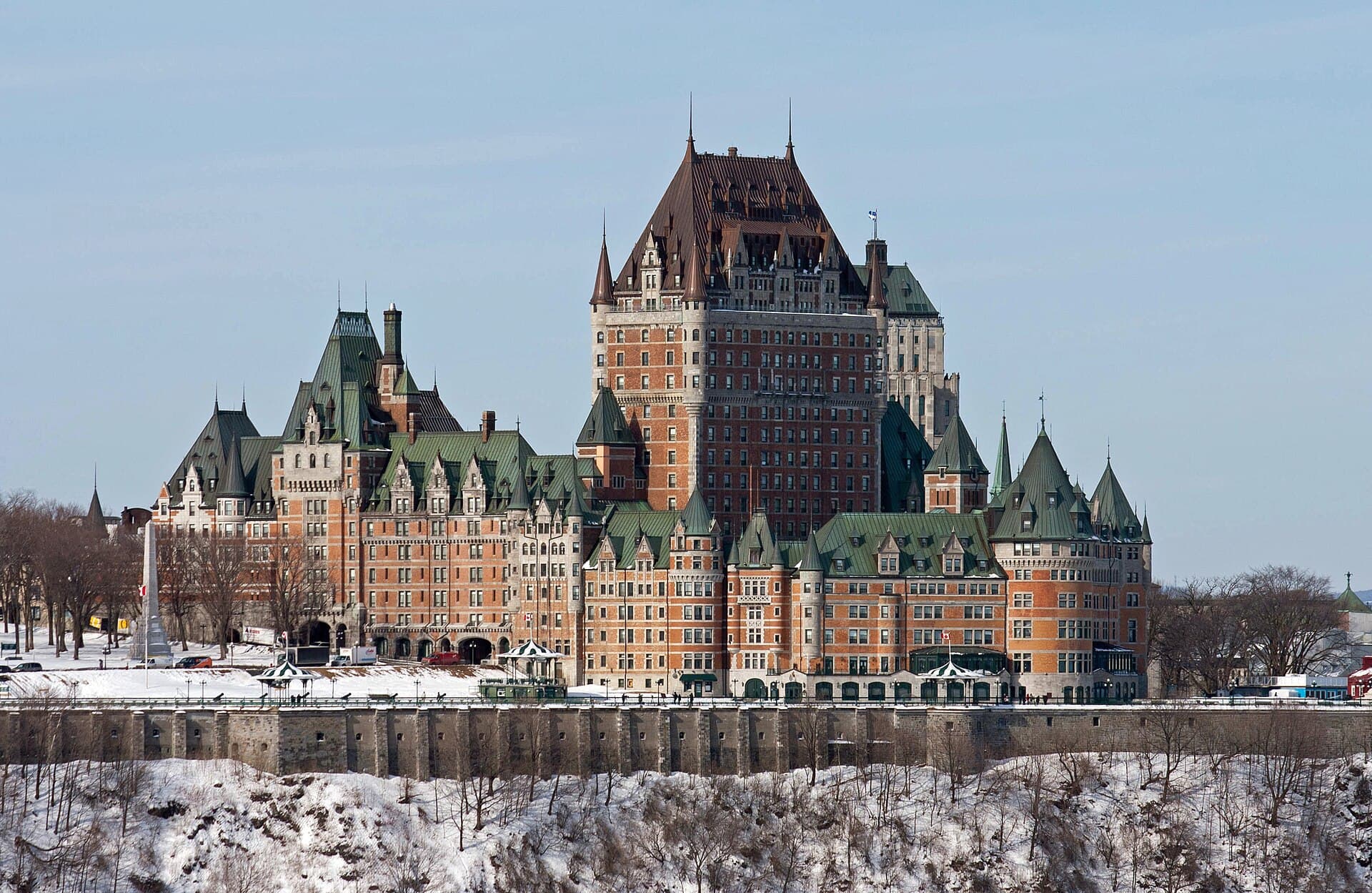
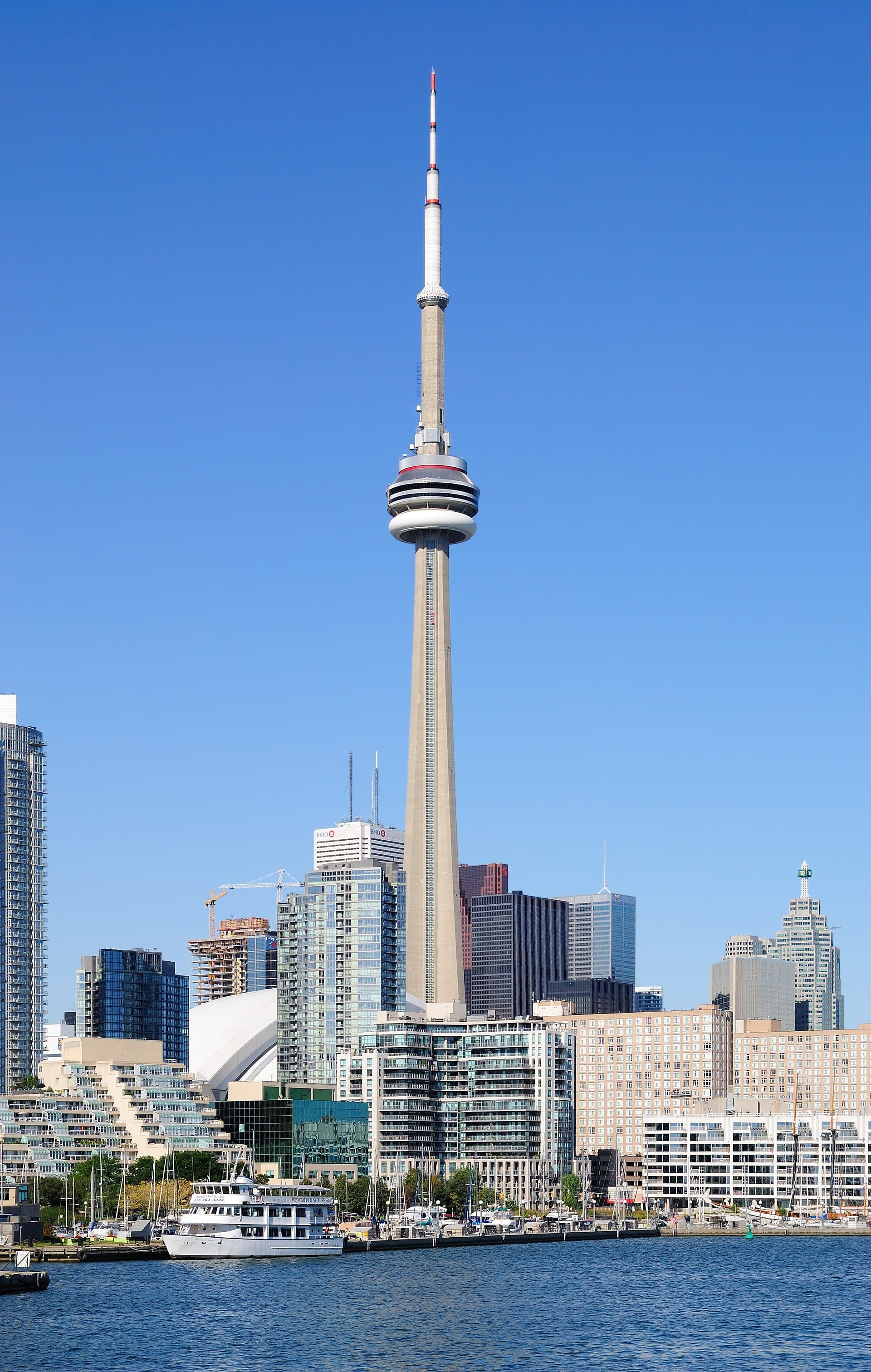
Canada's tourism proposition revolves around four complementary regions. Quebec offers the unique francophone dimension — Old Montreal, UNESCO Old Quebec, Charlevoix, Tadoussac whales, sugar shacks. Ontario concentrates national icons — Toronto and the CN Tower, Niagara Falls (Canadian side more spectacular), Ottawa the federal capital. The Canadian Rockies (Alberta + British Columbia) form the country's major natural spectacle — Banff, Lake Louise (iconic turquoise lake), Jasper, Columbia Icefield, Icefields Parkway among the world's most beautiful drives. British Columbia adds Vancouver (Canada's most dynamic city, facing the Pacific), Whistler (legendary ski resort), Vancouver Island (Victoria, marine wildlife).
The Canadian experience stands out for combining exceptional nature with legendary hospitality. Canadians are famously polite (the legendary "sorry"), culturally open, masters of compromise — a country where it's a pleasure to travel, where you feel safe, where services are impeccable. The climate remains the main challenge: temperate, pleasant summers (June-September), but extremely harsh winters (-20 °C common in Quebec, -40 °C possible in the Prairies), with compensation for snow lovers (Whistler, Banff, Mont-Tremblant skiing, snowshoeing, snowmobiling, dog sledding, northern lights viewing).
What we love
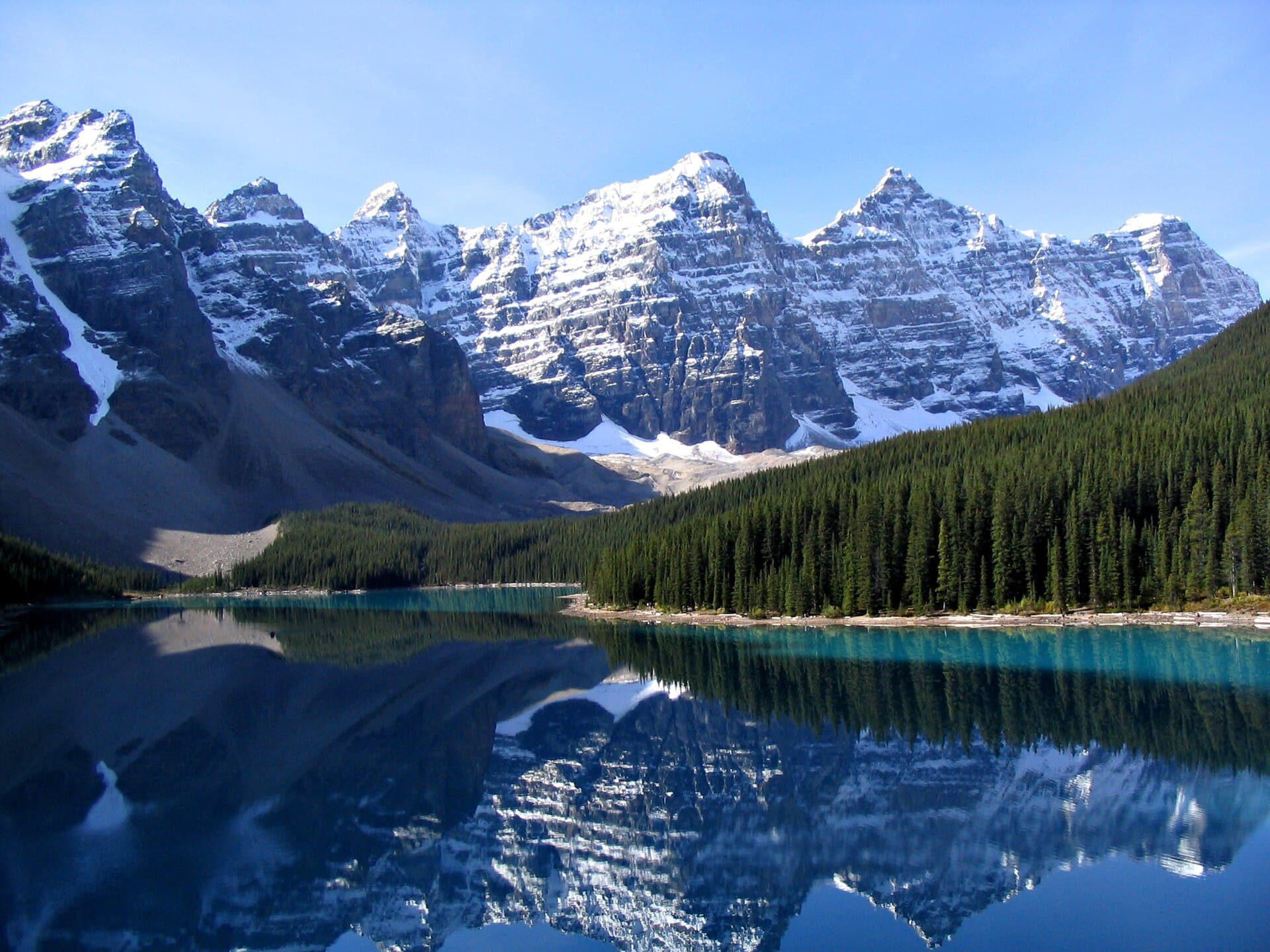
- ✅Grand-scale nature: Rockies among the world's most beautiful alpine landscapes, iconic turquoise lakes (Moraine, Louise), endless boreal forests
- ✅Unique cultural diversity: 80% francophone Quebec, multicultural Toronto (52% foreign-born), Indigenous peoples
- ✅Exceptional safety, legendary hospitality, quality infrastructure, impeccable services
- ✅Iconic wildlife: black bears and grizzlies, whales (Tadoussac, Vancouver Island), elk, northern lights
- ✅Reachable by direct flight from Paris (7h30 Montreal, 10h Vancouver), no visa, simple eTA at 7 CAD
What to know
- ❌Extreme winters: -20 °C common in Quebec, -40 °C possible, specific equipment essential
- ❌Higher budget than world average: €110/day/person, pricey accommodation and dining in Rockies
- ❌Vast distances: 4,500 km Toronto-Vancouver, requires targeting one or two regions per trip
- ❌Banff and Lake Louise saturated in July-August: parking full from 7am, shuttles mandatory
- ❌Wildfire smoke risk (summer 2023 historic in British Columbia and Alberta)
Explore Canada
Our itineraries
Regions
Popular spots
Situation
Où se situe Canada ?
Ouvrir la carte en grand sur OpenStreetMap →Frequently asked questions
Do you need a visa for Canada?+
When is the best time to visit Canada?+
How many days for Canada?+
What's the budget for a Canada trip?+
Can you speak French in Canada?+
Our verdict
Canada is one of the planet's great nature trips — a country-continent where nature rules at grand scale (2nd largest area in the world, 4 inhab/km²), with some of the world's most beautiful alpine landscapes (Rockies, Lake Louise, Moraine), a unique bilingual culture (francophone Quebec) and legendary hospitality. Our key advice: target 1-2 regions per trip, the country is too vast to see all at once. For a first 14-day trip, two options stand out. Francophone East option: 4 nights Montreal + 3 nights Quebec City + 3 nights Charlevoix-Tadoussac (whales) + 2 nights Niagara Falls + 2 nights Toronto. Spectacular West option: 3 nights Vancouver + 2 nights Whistler + 4 nights Banff-Lake Louise + 3 nights Jasper + 2 nights Calgary. Prefer June-September (summer, parks open, whales, hiking) or February-March (skiing, Quebec Carnival, fairytale winter). Direct flights Paris-Montreal €400-900 return (7h30), Paris-Toronto €450-1,000 (7h45), Paris-Vancouver €650-1,400 (10h). eTA mandatory (7 CAD, 5 years, online application 72h before).

Expert on Canada · 1 contributions
 Africa & Americas Desk — Mowando·Editor