Region
Ontario
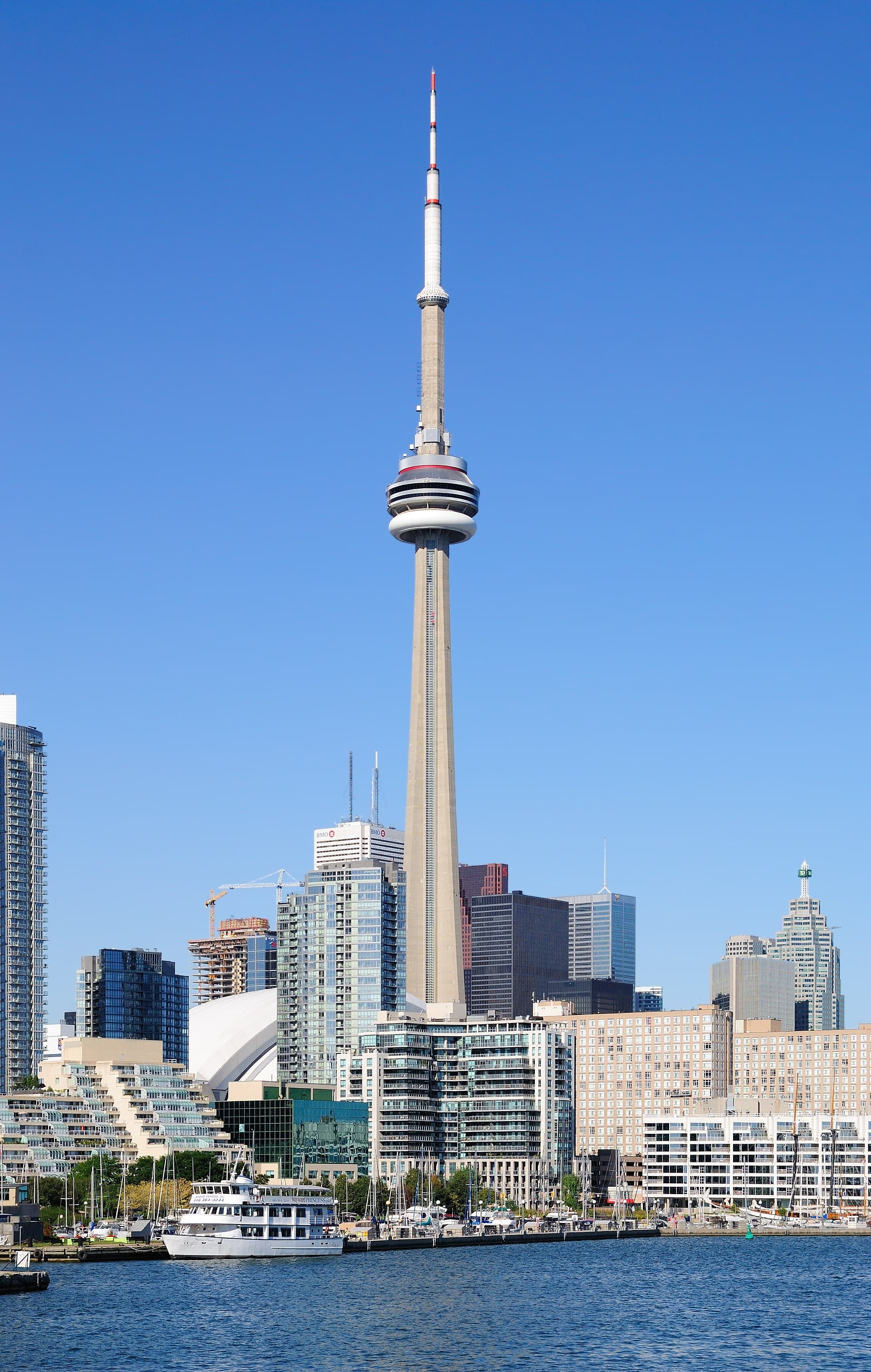
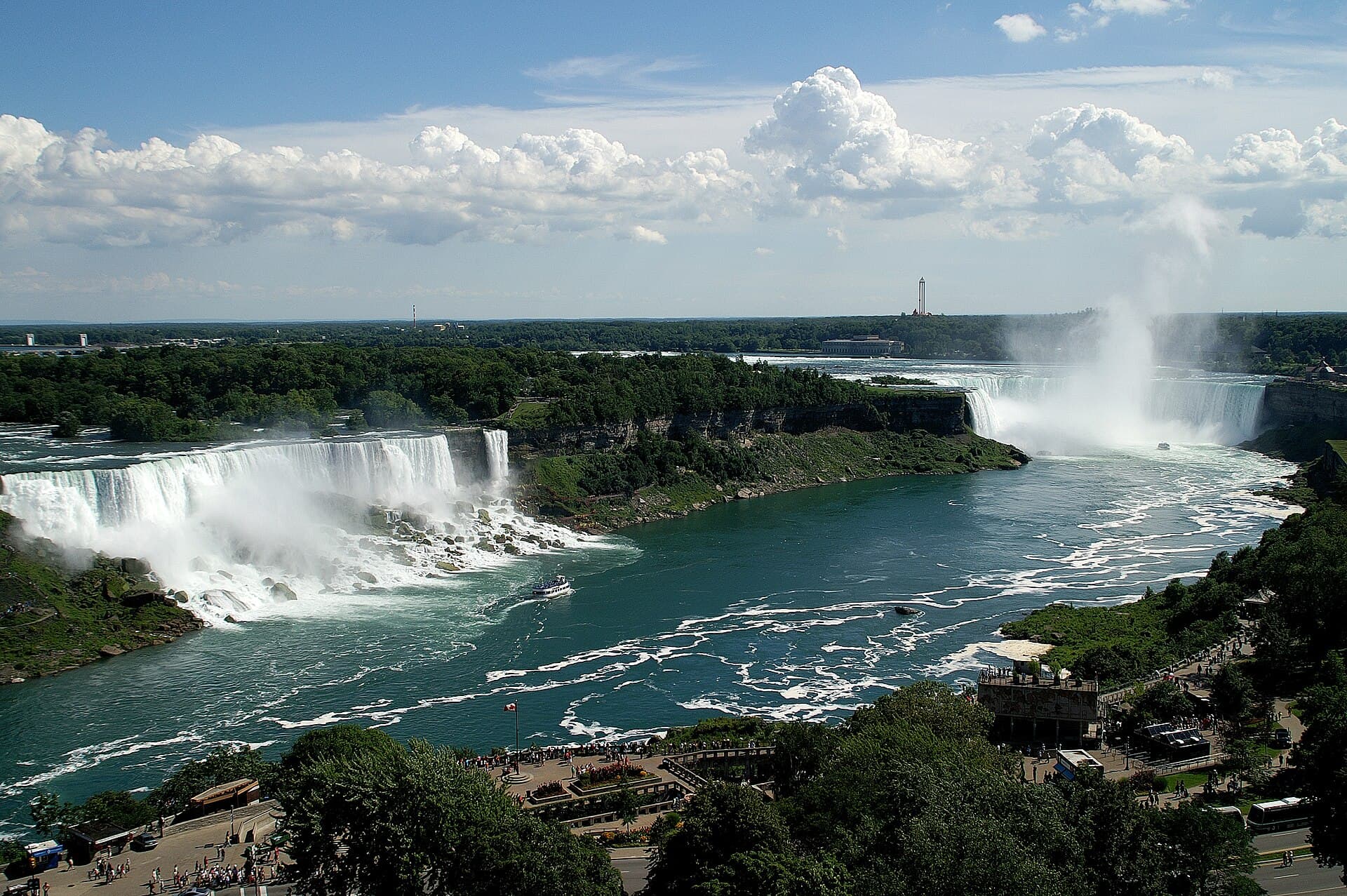
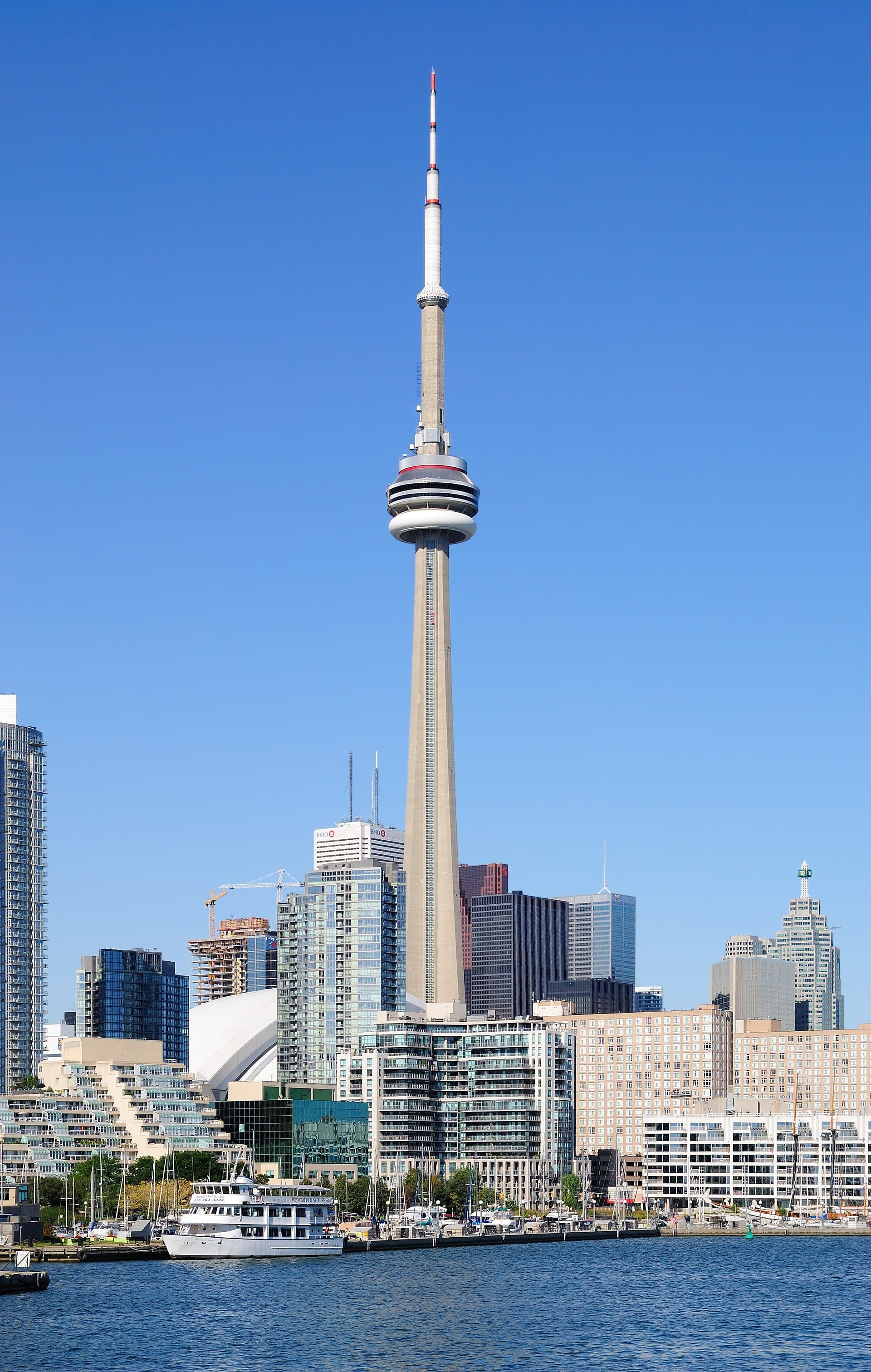
The icon of anglophone Canada: Toronto's skyline with the CN Tower (553 m), Niagara Falls (largest North American flow) and Ottawa the federal capital, only 1h30 from Montreal.
Ontario is Canada's most populated province (15.5 million inhabitants, 38% of the country's population) and its economic and institutional heart. This is where the icons of anglophone Canada concentrate: Toronto (6.3 million inhabitants with metro area, the country's largest city), Ottawa (federal capital, 1.5 million inhabitants), Niagara Falls (one of the world's most visited natural wonders, 14 million visitors per year) and the Great Lakes that define the southern province's geography (Lakes Ontario, Erie, Huron, Superior — the world's largest freshwater reserve).
The pitch revolves around three complementary pillars. Toronto is the multicultural metropolis par excellence — 52% of the population foreign-born, one of the world's most diverse cities. Iconic skyline dominated by the CN Tower (553 m, built in 1976, long the world's tallest free-standing tower until 2007), Canada's financial centre (Bay Street financial district), rich ethnic neighbourhoods (Chinatown, Little Italy, Greektown, Little India, Koreatown), major cultural institutions (Royal Ontario Museum, Art Gallery of Ontario, Distillery District), professional sports teams (Maple Leafs in NHL, Raptors 2019 NBA champions, Blue Jays in MLB). Plan 3-4 days to grasp the city's richness.
Niagara Falls (1h30 south of Toronto via QEW highway) is the flagship natural attraction. The Canadian side (Niagara Falls, Ontario) offers the most spectacular view — the Horseshoe Falls (horseshoe-shaped, 670 m wide, 53 m high, average flow 2,800 m³/s) discharge 90% of the total volume and create a dizzying panorama. Must-do activities: Maid of the Mist (boat to the foot of the falls, mid-April to November, CAD 32), Skylon Tower and Journey Behind the Falls (tunnels behind the water curtain, CAD 24). 1-2 nights suffice — the town itself is very touristy and noisy but the spectacle of the falls absolutely warrants the trip.
Ottawa (2h east of Toronto, 2h west of Montreal) is Canada's federal capital — seat of Parliament (Parliament Hill with its neo-Gothic architecture, daily changing of the guard in summer), the major national museums (Canadian Museum of History in Gatineau, National Gallery of Canada with Louise Bourgeois's Maman spider, Canadian War Museum), the Rideau Canal (UNESCO, world's longest skating rink in winter, 7.8 km). Bilingual city, located on the Quebec border, ideal as a stopover between Toronto and Montreal.
Explore Ontario
Spots in the region
Situation
Où se situe Ontario ?
Ouvrir la carte en grand sur OpenStreetMap →Frequently asked questions
How many days for Ontario?+
Should I visit Niagara Falls from the Canadian or American side?+
When to see frozen Niagara Falls?+
How to get around in Ontario?+
Is Toronto worth the detour?+
Our verdict
Ontario is the urban and iconic stop of an East Canadian trip — multicultural Toronto (CN Tower, Distillery District, ethnic neighbourhoods), Niagara Falls (unmatched spectacle on the Canadian side) and Ottawa the federal capital (Parliament, UNESCO Rideau Canal). Our advice: 3-4 nights Toronto + 1-2 nights Niagara + 2 nights Ottawa, to combine with Quebec for a complete East trip over 12-14 days. Prefer June to September for climate and maximum accessibility to the falls, or January-February for the striking spectacle of partially frozen falls and illuminations. Paris-Toronto flights €450-1,000 return depending on season (7h45 direct). Avoid staying directly in Niagara Falls town (very touristy, little charm): prefer one night in Niagara-on-the-Lake (historic village 20 min away, vineyards).