
Expert on Canada · 1 contributions
 Africa & Americas Desk — Mowando·Editor
The best periods
The best time to visit Canada is June to September (summer) or December to March (skiing).
Été — la meilleure période
- ✅Climat idéal partout : 20-28 °C dans l'est, 18-25 °C en Colombie-Britannique, 15-22 °C dans les Rocheuses
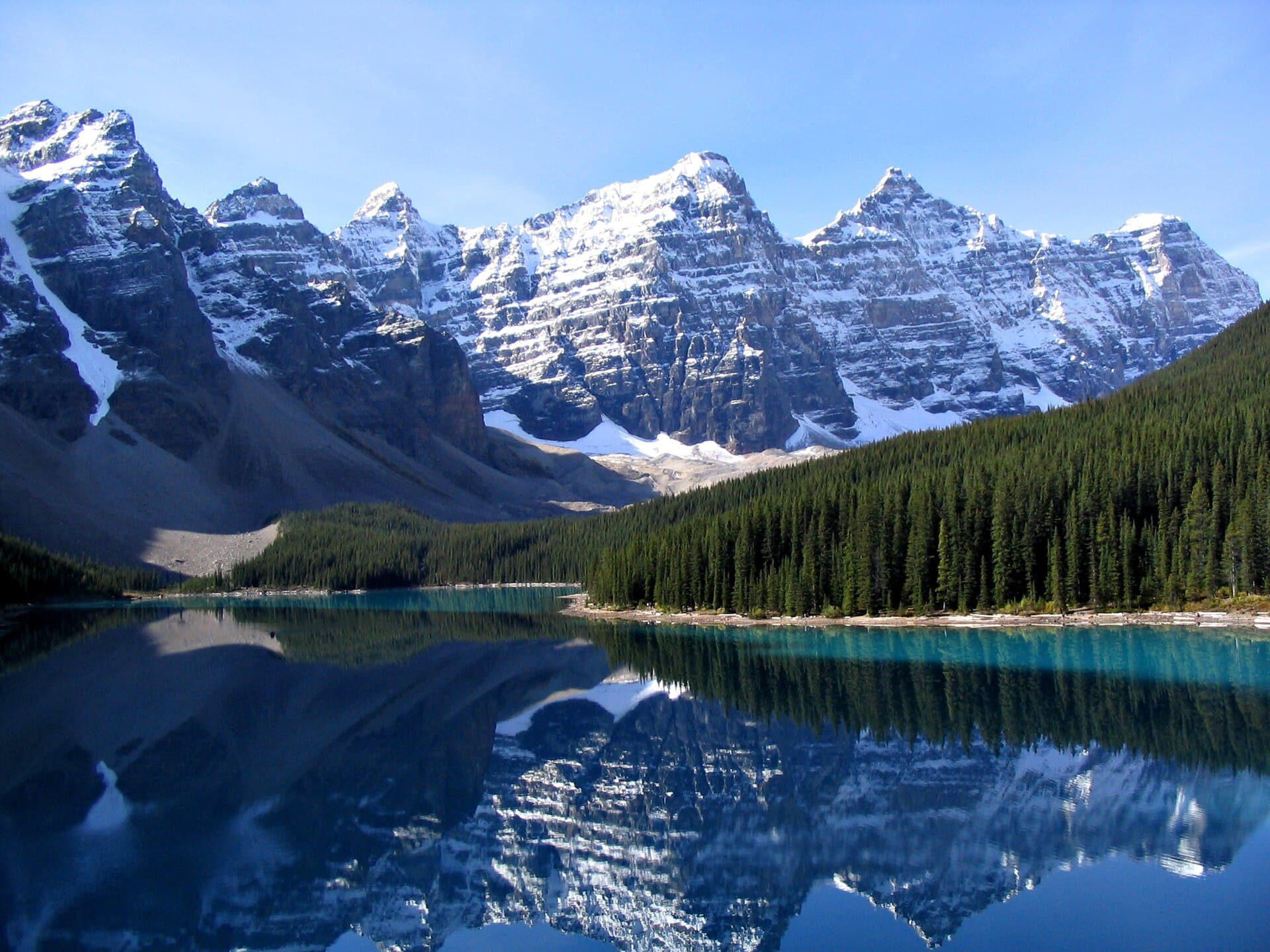
- ✅Tous les parcs nationaux ouverts : Banff, Jasper, Yoho, accès complet aux lacs turquoise et randonnées
- ✅Journées extraordinairement longues (coucher 21h30 au Québec en juin, 22h dans l'ouest)
- ✅Observation faune : baleines (Tadoussac, île de Vancouver), ours, élans, marmottes des Rocheuses
- ✅Festivals majeurs : Jazz de Montréal (juillet), Stampede de Calgary (juillet), Fringe Festival Toronto
- ❌Haute saison touristique : Banff et Lake Louise saturés en juillet-août, parkings souvent pleins dès 7h
- ❌Tarifs aériens et hébergements 30-50 % plus chers qu'hors saison
- ❌Moustiques agressifs en forêt boréale et autour des lacs (juin-juillet surtout)
- ❌Risque de fumée de feux de forêt en Colombie-Britannique et Alberta (août principalement)
Hiver — pour les amateurs de ski et de magie blanche
- ✅Ski de classe mondiale : Whistler-Blackcomb (2e plus grand domaine d'Amérique du Nord), Banff Sunshine, Lake Louise, Mont-Tremblant
- ✅Paysages féériques : Québec sous la neige, lacs gelés, aurores boréales possibles dès le Yukon
- ✅Festivals d'hiver : Carnaval de Québec (février), Igloofest Montréal, Festival du Voyageur
- ✅Tarifs hôteliers urbains en baisse (sauf stations de ski) — 30-40 % moins cher à Montréal/Toronto qu'en été
- ❌Froid extrême : -20 °C courants au Québec, -30/-40 °C possibles, gel des extrémités en 15 min
- ❌Équipement indispensable : doudoune -25 °C, sous-vêtements thermiques, bonnet, gants épais, bottes
- ❌Journées très courtes : nuit dès 16h30 en décembre au Québec
- ❌Conditions routières difficiles, pneus hiver obligatoires au Québec, vols domestiques régulièrement retardés
Inter-saisons — entre charme et compromis
- ✅Été indien au Québec et en Ontario (fin septembre - mi-octobre) : feuillages flamboyants des érables, couleurs spectaculaires
- ✅Foule réduite, tarifs en baisse de 25-40 % par rapport à l'été
- ✅Climat encore agréable en septembre-octobre (15-20 °C en journée, frais le soir)
- ✅Avril-mai : retour de la vie après l'hiver, débâcle des lacs, observation des baleines à partir de fin mai
- ❌Avril-mai : mud season dans les Rocheuses (boue, neige fondante), certaines randonnées encore fermées
- ❌Octobre-novembre : premières neiges possibles dès la mi-octobre dans les Rocheuses, fermetures de parcs nationaux
- ❌Climat changeant et imprévisible, prévoir vêtements multiples
- ❌Pic de l'été indien (1ère semaine d'octobre) très fréquenté au Québec, hébergements à réserver
Climate by destination
The climate varies sharply from one region to another. See the month-by-month detail — temperatures, sea, crowds and flight prices — on each destination's 'when to go' page.
Frequently asked questions
Do you need a visa for Canada?+
When is the best time to visit Canada?+
How many days for Canada?+
What's the budget for a Canada trip?+
Can you speak French in Canada?+
Our verdict
Canada is one of the planet's great nature trips — a country-continent where nature rules at grand scale (2nd largest area in the world, 4 inhab/km²), with some of the world's most beautiful alpine landscapes (Rockies, Lake Louise, Moraine), a unique bilingual culture (francophone Quebec) and legendary hospitality. Our key advice: target 1-2 regions per trip, the country is too vast to see all at once. For a first 14-day trip, two options stand out. Francophone East option: 4 nights Montreal + 3 nights Quebec City + 3 nights Charlevoix-Tadoussac (whales) + 2 nights Niagara Falls + 2 nights Toronto. Spectacular West option: 3 nights Vancouver + 2 nights Whistler + 4 nights Banff-Lake Louise + 3 nights Jasper + 2 nights Calgary. Prefer June-September (summer, parks open, whales, hiking) or February-March (skiing, Quebec Carnival, fairytale winter). Direct flights Paris-Montreal €400-900 return (7h30), Paris-Toronto €450-1,000 (7h45), Paris-Vancouver €650-1,400 (10h). eTA mandatory (7 CAD, 5 years, online application 72h before).