Region
Quebec province
The only sizeable francophone enclave in North America (8.7 million inhabitants, 80% francophone), with UNESCO Old Quebec, Tadoussac whales and unique identity culture — a French-speaking trip 7h30 from Paris.
Quebec is the francophone heart of Canada — 8.7 million inhabitants of whom 80% are native French speakers, a province three times the size of metropolitan France, heir to New France colonised by the French in the 17th century (1608 foundation of Quebec by Samuel de Champlain). Becoming British in 1763 but retaining its language and French civil code, Quebec has held two referendums on independence (1980, 1995) that shaped a proud and distinct identity. It is today the only sizeable francophone territory in North America — a geopolitical and cultural rarity that makes it a unique destination for francophone travellers.
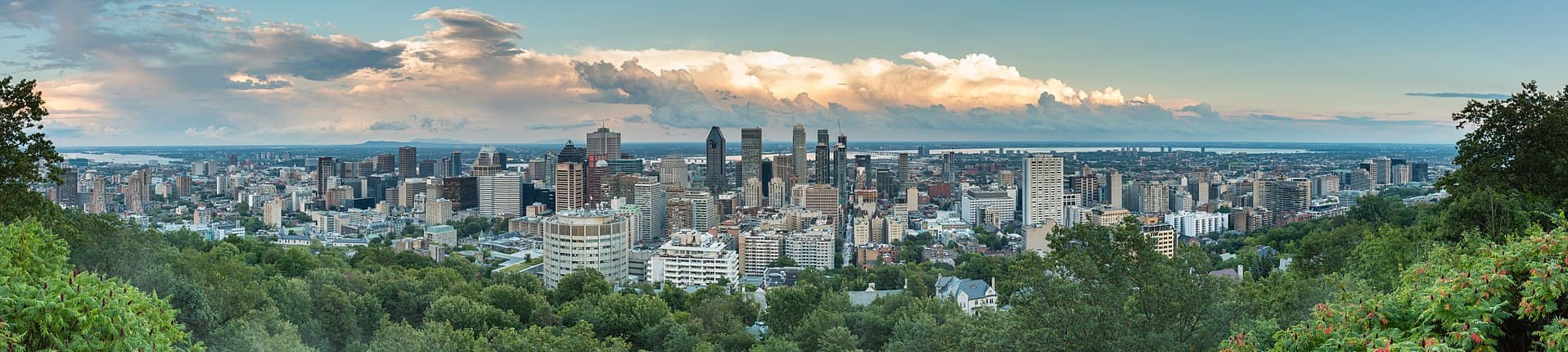
The region focuses on three main hubs. Montreal (1.8 million inhabitants, 4.3 million with its metro area) is the economic and cultural metropolis — cosmopolitan, multicultural, bilingual, festival-loving. Old Montreal (on the banks of the St Lawrence, 17th-century heritage), Plateau-Mont-Royal (bohemian trendy neighbourhood), Mile End (artistic), downtown (skyscrapers and underground RÉSO galleries), Latin Quarter and the Village (LGBTQ+) — Montreal blends European, North American and migratory influences (Italo-Quebecers, Haitians, Maghrebis, etc.). Major festivals: Montreal Jazz (July), Just for Laughs (July), Mural Festival (June), Igloofest (January-February).
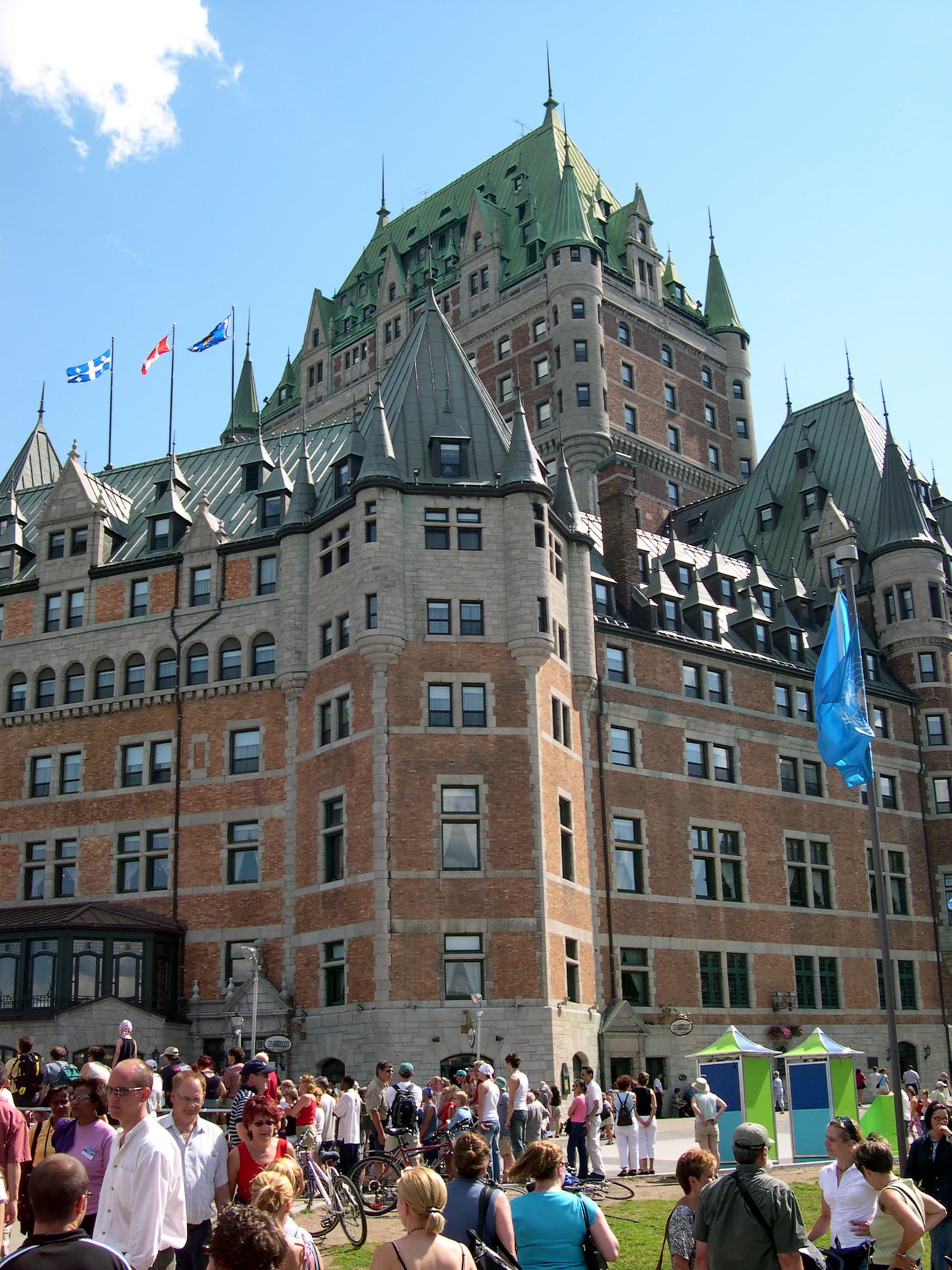
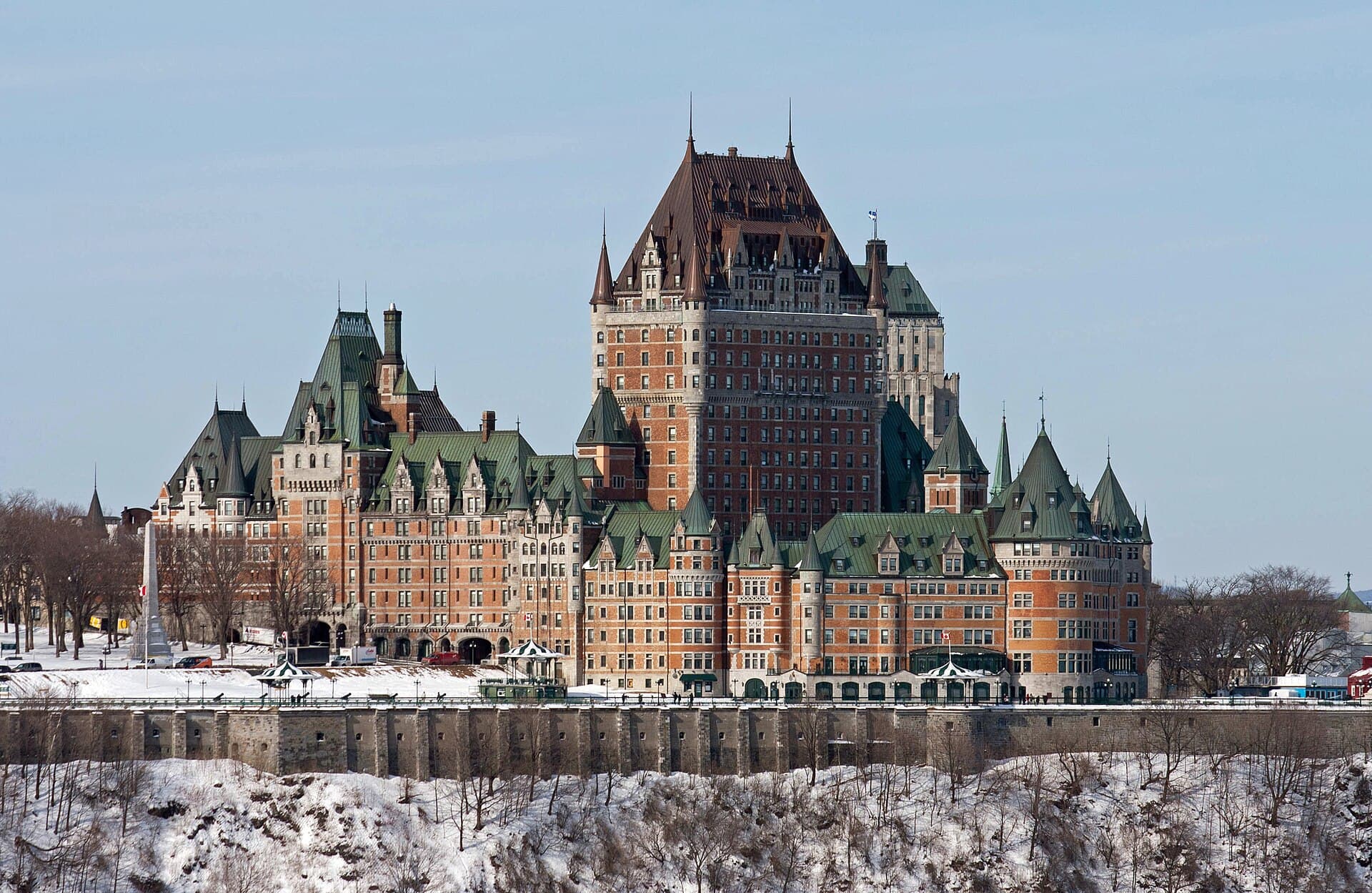
Quebec City (550,000 inhabitants with suburbs) is the provincial capital and the only Old Quebec UNESCO since 1985 — the most European of North American cities, with its ramparts (the only ones remaining north of Mexico), iconic Château Frontenac, paved streets of Old Quebec, historic Lower Town (Place Royale, first French settlement in North America). This is where the historical dimension of New France concentrates — a minimum 4-day trip recommended.
Charlevoix and the Saguenay Fjord form the nature and wildlife dimension. 90 minutes north-east of Quebec City, Charlevoix offers spectacular landscapes (meteorite impact crater, gentle mountains, river as far as the eye can see), charming villages (Baie-Saint-Paul capital of Quebec art, La Malbaie, Saint-Irénée), a leading culinary scene (the Route des Saveurs), and whale watching at Tadoussac (at the mouth of the Saguenay, one of the world's best sites to see belugas, minke whales, fin whales and sometimes the majestic blue whale). Season: mid-May to late October, peak July-September.
The pitch is clear: combine Montreal (3-4 nights) + Quebec City (2-3 nights) + Charlevoix-Tadoussac (3-4 nights) over 10-14 days to experience Quebec in all its dimensions — urban, historical, natural. French-speaking trip from start to finish, legendary hospitality, reasonable distances (Montreal-Quebec 2h30, Quebec-Tadoussac 3h through Charlevoix). It's one of the most complete and accessible Canadian destinations for a francophone European traveller.
Explore Quebec province
Spots in the region
Situation
Où se situe Quebec province ?
Ouvrir la carte en grand sur OpenStreetMap →Frequently asked questions
How many days for Quebec?+
When to watch whales at Tadoussac?+
When to see Indian summer in Quebec?+
Do you need to rent a car in Quebec?+
Where to taste maple syrup in Quebec?+
Our verdict
Quebec is probably the most accessible yet most exotic Canadian destination for a francophone European traveller — a French-speaking trip 7h30 from Paris, with cosmopolitan Montreal, UNESCO Old Quebec, wild Charlevoix and Tadoussac whales. Our advice: combine over 10-14 days: 4 nights Montreal + 3 nights Quebec City + 3-4 nights Charlevoix-Tadoussac. Prefer June to September for whales, festivals and climate, or first week of October for spectacular Indian summer. Book Charlevoix-Tadoussac accommodation 4-6 months ahead in Indian summer (highly demanded). For the brave, February offers Quebec Carnival (world's largest winter carnival) and Mont-Tremblant skiing — but plan -25 °C gear.