- Visa
- Not required
- Passport validity
- 0 months
- Safety level
- Excellente
- Recommended vaccines
- DTP, Hépatite A et B (séjours prolongés), Encéphalite à tiques (randonnée en forêt boréale)
Les ressortissants français et européens n'ont pas besoin d'un visa classique pour entrer au Canada en tant que touristes, mais une autorisation de voyage électronique (eTA) est obligatoire pour tout vol à destination ou en transit par le Canada. L'eTA coûte 7 CAD (environ 5 €), est valide 5 ans ou jusqu'à expiration du passeport, et permet des séjours touristiques de 6 mois maximum par entrée.
La demande se fait exclusivement en ligne sur le site officiel du gouvernement canadien (canada.ca/eta) — délai de traitement habituel quelques minutes à 72h. Attention aux sites frauduleux qui facturent 50-90 € pour le même service : utilisez uniquement le site gouvernemental. Demandez votre eTA au moins 72h avant le départ pour anticiper un éventuel examen complémentaire.
Le passeport doit être valide pour la durée du séjour (pas de règle stricte de 6 mois). Aucun billet retour n'est exigé en théorie mais les compagnies aériennes peuvent le contrôler à l'embarquement. Les agents des douanes peuvent demander des justificatifs : hébergement réservé, fonds suffisants (1 000 CAD/personne/semaine recommandés), motif clair du séjour.
Prolongation possible sur place auprès d'Immigration, Réfugiés et Citoyenneté Canada (IRCC) — démarche en ligne, frais 100 CAD, à effectuer 30 jours avant la fin du séjour autorisé. Au-delà de 6 mois, un permis de visiteur prolongé est nécessaire. Pour les ressortissants binationaux (notamment franco-canadiens), un passeport canadien valide remplace l'eTA.
Canada is among the world's safest countries — Global Peace Index 2024 ranks the country 11th globally. The crime index is very low, emergency and health infrastructure excellent, the culture of compromise and politeness deeply rooted. Major cities (Toronto, Montreal, Vancouver, Calgary, Ottawa) are safe including at night in central neighbourhoods. Standard precautions: usual vigilance with belongings on public transport, caution in some areas like the Downtown Eastside of Vancouver (Hastings Street, visible precarity, to be crossed without worry but without lingering), east-central Toronto at night.
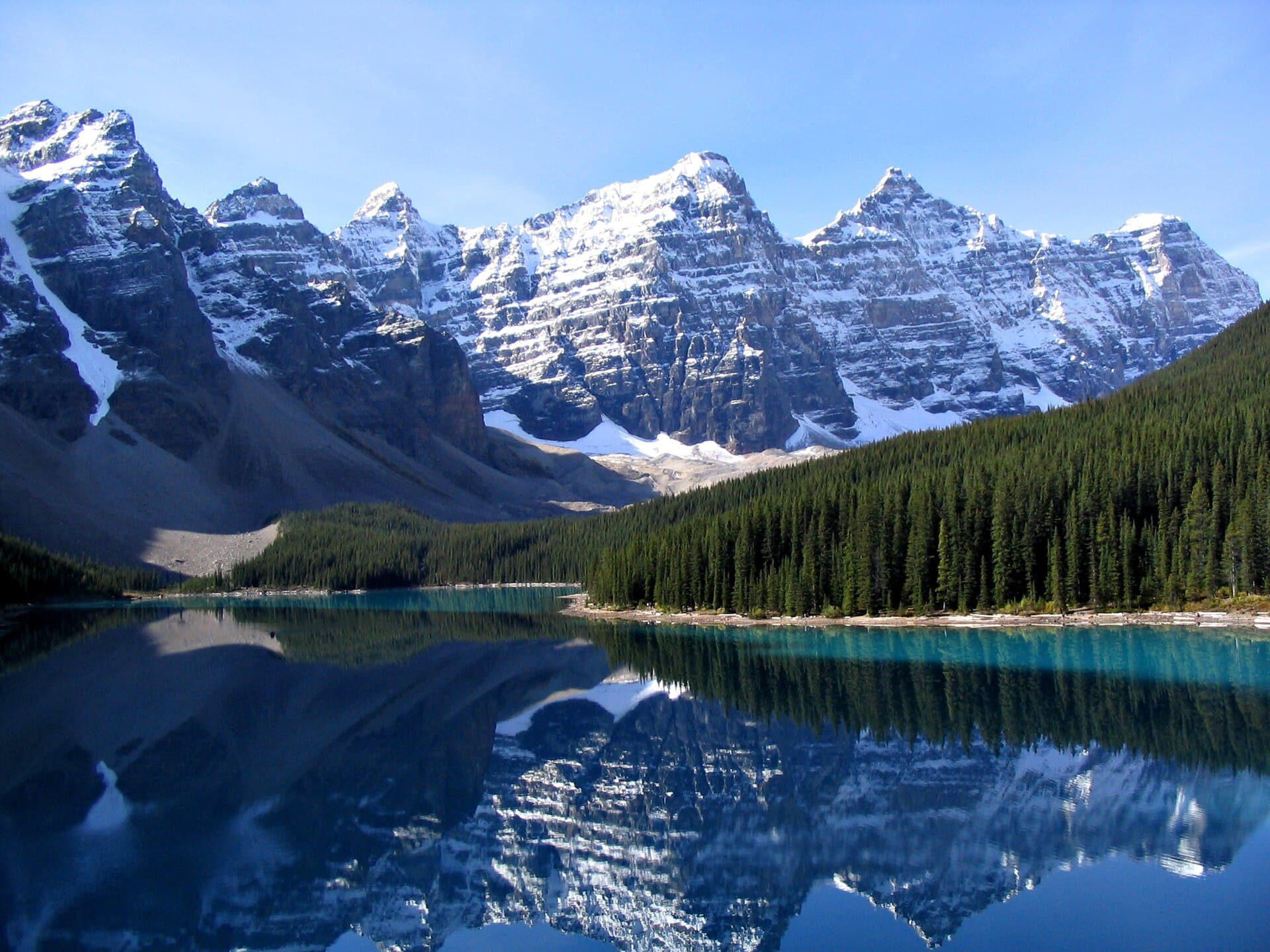
The main risks for travellers are related to nature and climate, not crime. In the mountains (Canadian Rockies), conditions change fast — flash storms in summer (electrical storms at altitude, possible hypothermia), avalanches in winter and early spring (consult Avalanche Canada before any off-piste ski itinerary), present wild animals. Bears (black bears and grizzlies) live in all Rockies national parks — strict respect for guidelines: store food in bear lockers or vehicles, never leave food in tents, walk in groups making noise, keep 100m distance, bear spray recommended for isolated hikes (CAD 50-65 in Parks Canada shops). Elk (moose) are also dangerous, especially during rutting season (September-October).
In winter (November-March), temperatures can drop to -30/-40 °C in Quebec and the Prairies, with risk of frostbite in 15 min without adapted protection. Essential gear: -25 °C parka, thermal underwear (merino), beanie, thick gloves, waterproof winter boots, scarf or neck gaiter. Winter driving is tricky: winter tires mandatory in Quebec (1 December - 15 March), recommended elsewhere, follow weather and road bulletins (511.ca by province).
Wildfires have become a growing risk — summer 2023 was historically the worst with 18 million hectares burned (world record), thick smoke affected Toronto, Montreal, New York. Check daily bulletins if travelling in July-August in British Columbia, Alberta, Saskatchewan. No vital risk for travellers but possible degraded air quality.
Health-wise, medical services are excellent — quality public hospitals and private clinics, highly trained medical staff. The system is public but paid for non-residents: an emergency consultation costs CAD 600-1,500, a hospitalisation day CAD 3,000-5,000. Travel insurance mandatory with minimum €100,000 health cover — check your premium bank card (Gold, Platinum) which may include this cover, otherwise subscribe with a dedicated insurer (Chapka, Allianz, AVI International). For tap water, perfectly drinkable everywhere in Canada — no particular precaution. Emergencies: 911 everywhere (police, ambulance, fire), bilingual English-French operators in Quebec and Ottawa.
Read also
- Quebec — Cosmopolitan Montreal, UNESCO Old Quebec, Charlevoix and Tadoussac: French-speaking Canada 7h30 from Paris.
- Ontario — Multicultural Toronto, Niagara Falls, Ottawa the federal capital: the economic and institutional heart.
- Canadian Rockies — Banff, Lake Louise, Jasper: among the world's most beautiful alpine landscapes, turquoise lakes and glaciers.
- British Columbia — Vancouver facing the Pacific, legendary Whistler ski resort, Vancouver Island and British Victoria.