Mowando

Region

West Coast

The urban and beach crossroads of Sri Lanka: a tropical metropolis in full transformation, one of South Asia's major airports, and 100 km of beaches immediately accessible for a gentle transition before or after the circuit.

4.50

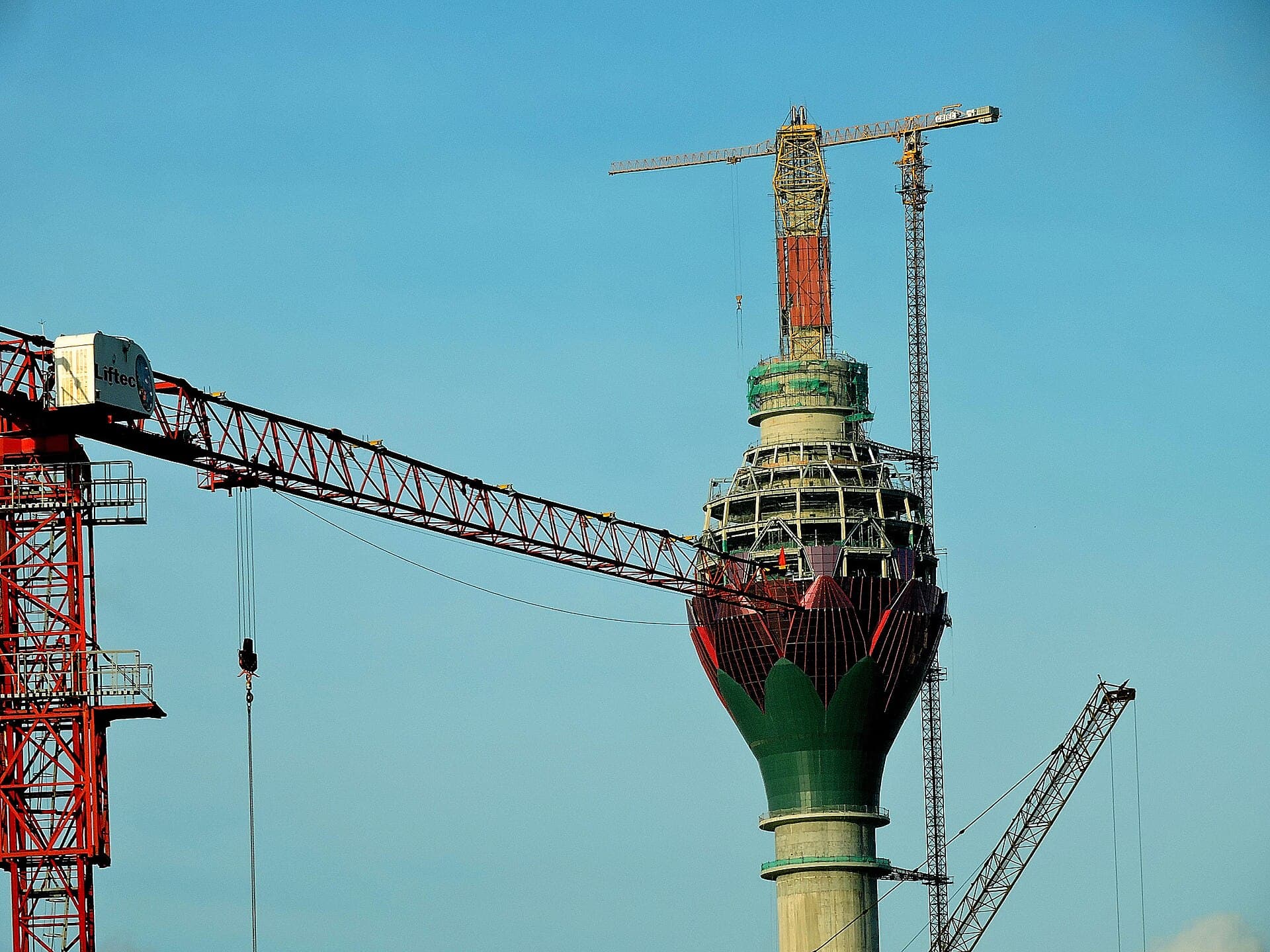
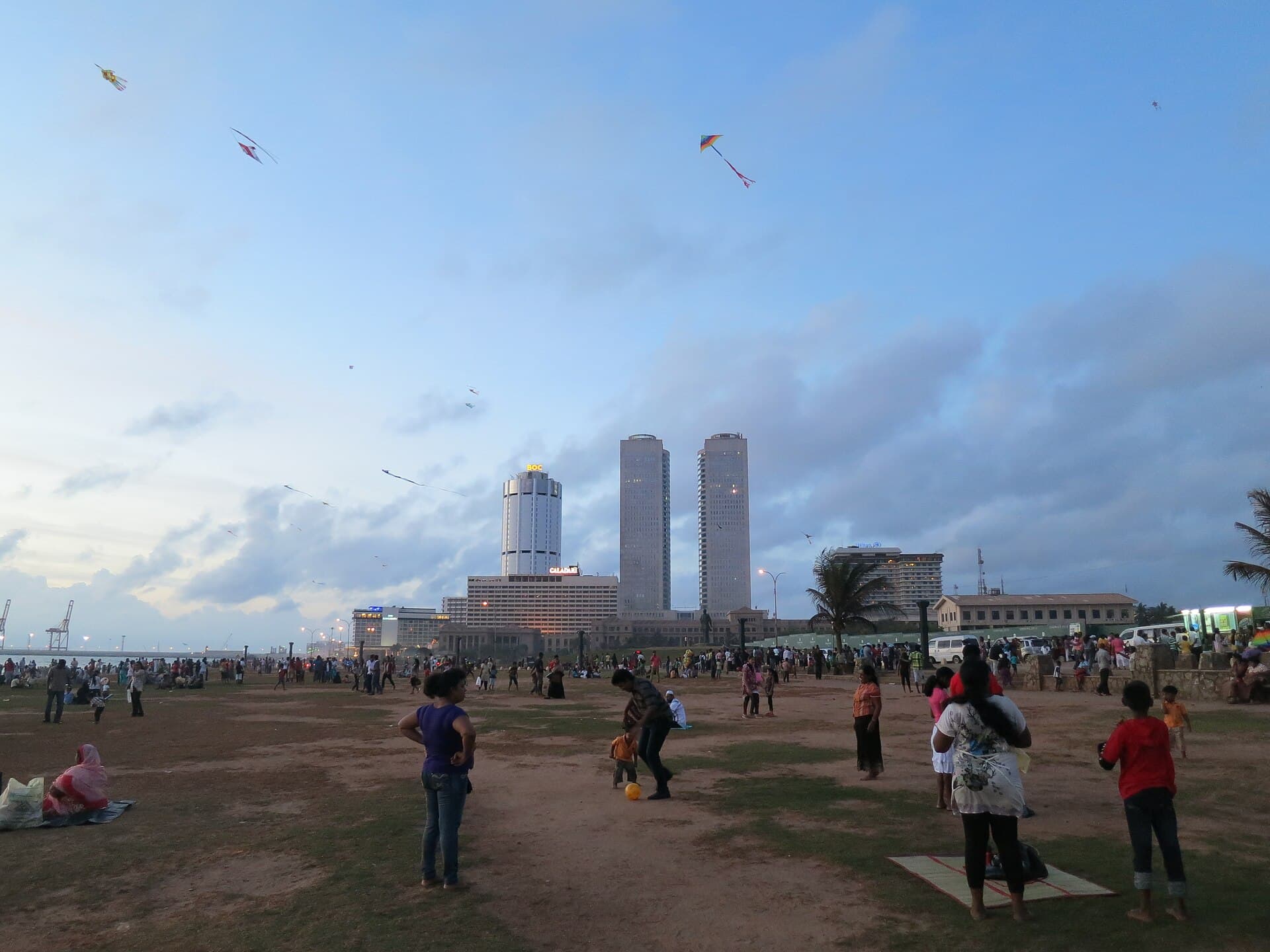
The Colombo region and the West Coast are the gateway to Sri Lanka for 95 % of international travellers, as this is where the Bandaranaike (CMB) international airport is located at Katunayake, 30 km north of the capital. But the region deserves much more than a simple transit: Colombo, the economic and cultural capital with 800,000 inhabitants (5 million with its suburbs), is one of the most dynamic Asian metropolises in full transformation. The skyline of the Fort district transforms every year with the appearance of skyscrapers, the Cinnamon Gardens district preserves its whitewashed colonial villas, and the Galle Face Green boulevard unfolds 500 metres of seaside esplanade where, every evening, tens of thousands of inhabitants come to cool off around street food stalls.

To the north, Negombo (7 km from the airport) is traditionally the preferred transit place on arrival or departure: a Catholic coastal town with Portuguese colonial churches, famous for its 35 km² lagoon populated by fishermen in outrigger canoes (oruwas), and for its Dutch canal of 120 km dug in the 17th century to transport spices to Colombo. The morning fish markets of Negombo, where the night's catches arrive in a millennial choreography, are one of the most beautiful sensory introductions to Sri Lanka.

South of Colombo, the West Coast stretches in beach resorts: Mount Lavinia (15 min from the capital, vintage atmosphere), Kalutara (giant Buddhist temple), Wadduwa (family resorts and palm groves), and especially Bentota, the south-west beach capital with its famous Bentota Ganga estuary, its lagoons, its luxury lodges (Heritance Ahungalla, The Wallawwa) and the restored estate of the great Sri Lankan architect Geoffrey Bawa at Lunuganga. Beyond officially begins the South Coast (towards Galle), but Bentota already belongs to the tropical pre-paradise of Sri Lanka.

Explore West Coast

Spots in the region
Situation

Où se situe West Coast ?

Ouvrir la carte en grand sur OpenStreetMap →

Frequently asked questions

Should you really stop in Colombo?+
Yes, ideally __1 to 2 nights__, either on arrival to recover from jet lag, or at the end of the trip to conclude in beauty. Colombo is not a major tourist capital comparable to Bangkok or Singapore, but it offers an exceptional gastronomic scene (Ministry of Crab regularly features in Asia's top 50), a discreet but rich colonial heritage (Independence Square, Old Parliament, Galle Face Hotel from 1864), a fascinating traditional district (Pettah and its spice, fabric and jewellery bazaars), and a showcase of Sri Lankan modernity. A well-organised day in Colombo combines: morning at Pettah and Gangaramaya temple, lunch at Ministry of Crab or Nuga Gama, afternoon at Galle Face Green and shopping at Independence Arcade or Pettah, dinner with ocean view at Galle Face Hotel or Shangri-La.
Negombo or Colombo for the first night?+
__Negombo__ is generally recommended for the first night on arrival, for several reasons: the town is only 7 km from the airport (15 minutes by taxi), thus avoiding 1h-1h30 of journey to Colombo after a long-haul flight. The atmosphere of Negombo is more peaceful (coastal town, lagoon, canal), ideal for jet lag. The town offers several excellent boutique hotels (Jetwing Beach, The Beach All Suite Hotel) and more accessible resorts. Conversely, __Colombo__ is essential for the last night before the return flight, to enjoy the culinary scene and shopping. For travellers planning to visit the Cultural Triangle the day after arrival, Negombo is perfect: direct route to Sigiriya (3h) without going through Colombo.
What is the Dutch canal of Negombo?+
The __Dutch Canal__ is a 120 km artificial canal dug by the Dutch in the 17th century to transport spices (mainly cinnamon) from the southern plantations to the port of Colombo, avoiding dangerous land routes and coasts battered by the monsoon. Today, the canal still crosses Negombo and its hinterland, bordered by palm groves, fishing villages and coconut groves. Several operators offer __boat excursions__ (2-3h, USD 25-35 per person) combining navigation on the canal, exploration of Negombo lagoon, observation of fishermen in traditional outrigger canoes (oruwas) and a stop in a village to taste spicy local cuisine. One of the most authentic and peaceful experiences in the region.
Is Bentota worth the detour for the beach?+
__Bentota__ is a good beach option if you seek an easy, comfortable stay close to Colombo (1h30 via the E01 expressway), but its beaches are less spectacular than those of the South Coast (Mirissa, Tangalle). Bentota advantages: rapid access from the airport (90 minutes), large concentration of high-end resorts (Heritance Ahungalla, The Wallawwa, Saman Villas), Bentota Ganga estuary conducive to water sports (jet-ski, kayak, boat cruise), and especially the famous __Lunuganga estate__ of architect Geoffrey Bawa, open to visits and even to overnight stays. If you have 2 weeks in Sri Lanka, Bentota can replace or complement the South Coast. If you have more than 10 days, prefer the South Coast (more beautiful, more authentic) and simply stop at Bentota on arrival or departure.
How do you get around Colombo?+
Three efficient means. (1) __Uber and PickMe__ work perfectly in Colombo, with cars and metered tuk-tuks (PickMe is the local app, often cheaper than Uber). Download both to compare. A city ride costs typically USD 2-5. (2) Traditional __tuk-tuks__ available everywhere, negotiation essential (refuse the first price announced, halve it). Fair rate: 100 LKR per kilometre. (3) __Urban train__ for long axes: coastal line to Mount Lavinia or Negombo very useful to avoid traffic jams. Avoid personal car in the centre, traffic is dense and parking difficult. For airport transfers, budget USD 25-40 by private taxi or USD 4 by Aerobus (express bus, 1h to the centre).
What are Colombo's culinary must-tries?+
Colombo is one of __the best gastronomic destinations in South Asia__, with a scene in full effervescence. The must-tries: __Ministry of Crab__ (Asia top 50, giant locally-caught crab specialty, booking 1 month in advance, USD 80-120 per person); __Nuga Gama__ at Cinnamon Grand (village reconstructed within the palace, traditional Sinhalese curry cuisine, USD 40-60); __Café Kumbuk__ for healthy and creative breakfast; __Upali's by Nawaloka__ for authentic kothu (national dish of shredded flatbread sautéed with vegetables and meat) at USD 5-10; __Galle Face Hotel__ for colonial tea time on terraces facing the ocean (USD 15-25); __Pettah Street Food__ for __isso wade__ (shrimp fritters), __hoppers__ (coconut milk crepes) and __string hoppers__ for USD 1-2. For dinner with a view, the Shangri-La rooftop or the 41st floor of Cinnamon Lakeside offer exceptional panoramas.
Is Yala accessible from Colombo?+
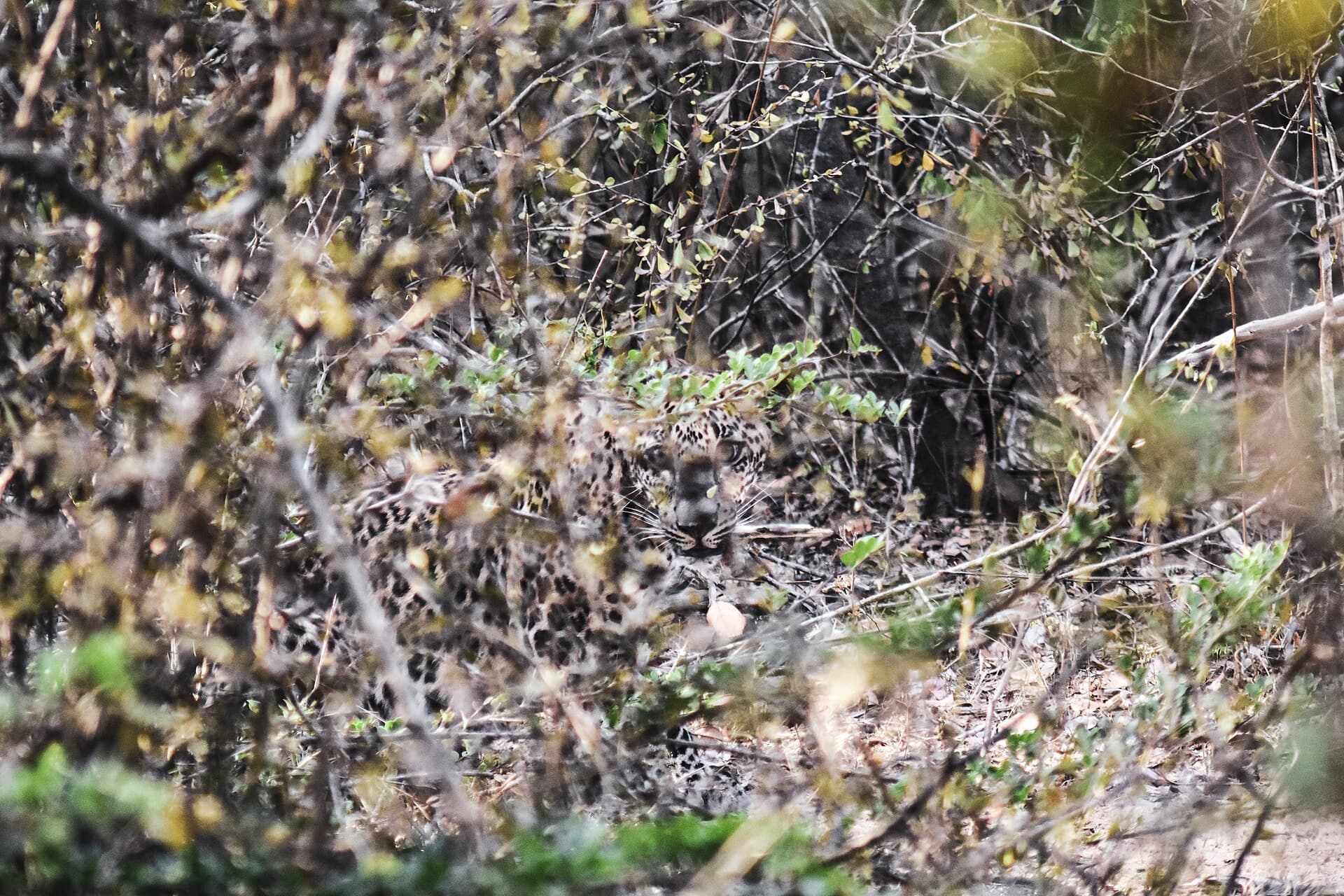
Yes, __Yala__ National Park is about 4h30 by road south-east of Colombo (300 km via the E01 expressway then coastal road). It is one of Sri Lanka's most visited parks, famous for its __high density of leopards__ (endemic subspecies Panthera pardus kotiya), its elephants, sloth bears and over 200 bird species. Safaris are by 4x4 at dawn (5-9 a.m.) or late afternoon (2.30-6.30 p.m.), budget USD 60-80 per person in shared safari. Zone 1 is the most visited — for a calmer experience, prefer zone 5 (Lunugamvehera) or a private safari. Several luxury lodges and tented camps are installed at the park's edge (Wild Coast Tented Lodge, Chena Huts, Yala by Cinnamon). You can combine Yala with the South Coast (1h30 from Tangalle) or with Arugam Bay (3h east).

Our verdict

The Colombo region and the West Coast is primarily an unavoidable transit zone, but also a stop that deserves a night or two to taste the effervescence of an Asian capital in full transformation. To optimise a Sri Lanka trip: 1 night at Negombo on arrival (near airport, gentle transition, lagoon and Dutch canal), 1-2 nights at Colombo at the end of the trip (shopping, culinary scene, dinner at Galle Face Hotel), and possibly 2-3 nights at Bentota for travellers seeking an easily accessible beach stay. The best period runs from December to March, as for the South Coast. Strictly avoid the south-west monsoon (May to September).

Mowando Letter

Once a month: the right destinations for the right season + the best booking windows.

No spam. One-click unsubscribe. Your data is never shared.