ville
Hoi An
Vietnam's most beautiful ancient town — 400 years of intact merchant architecture, silk lanterns at full moon, 24-hour tailoring and the beach 4 km away.
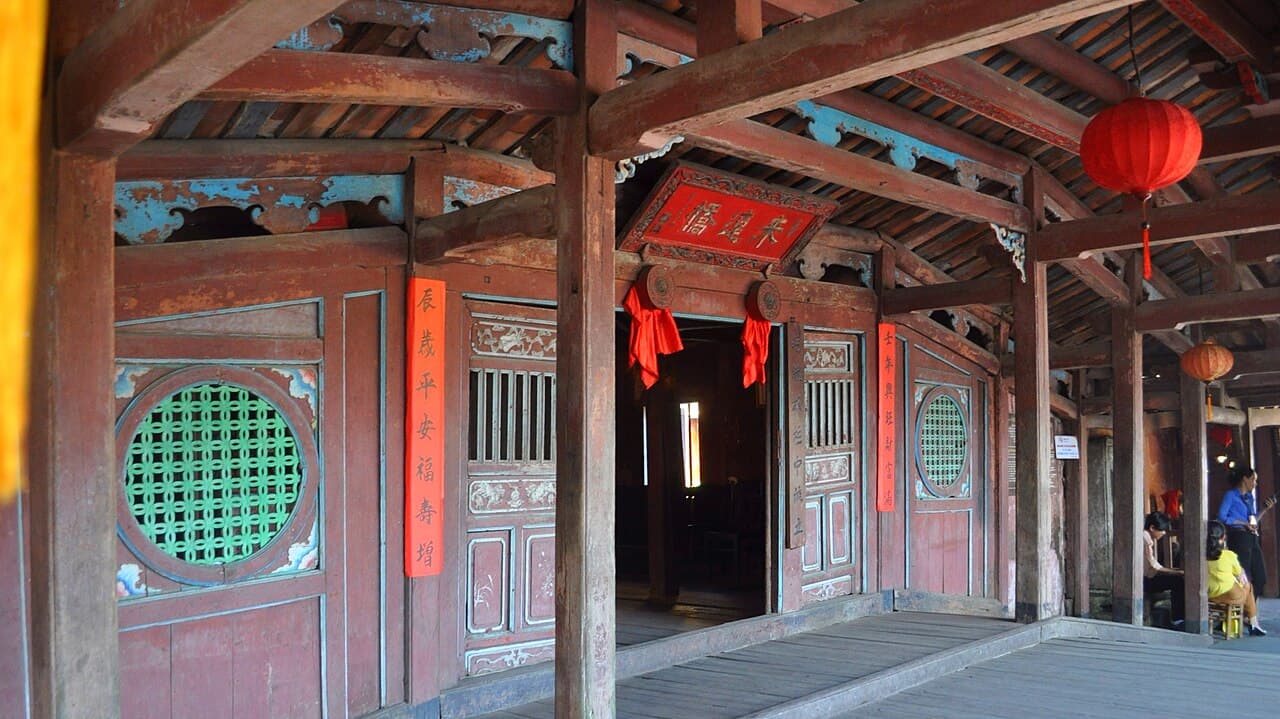
Hoi An is the most photographed city in Vietnam, and for good reason: its ancient town (Hoi An Ancient Town) is one of the best-preserved historic centres in Southeast Asia. UNESCO-listed since 1999, this former 16th-century trading port has kept intact its urban fabric of merchant houses, Japanese and Chinese community halls, temples, covered bridges and alleyways whose ochre-yellow façades glow each evening with hundreds of coloured silk lanterns.
The city was one of the great maritime trading ports of Asia between the 16th and 18th centuries, and the influences are written in the architecture: Chinese courtyard houses, a Japanese covered bridge, Korean community halls, Dutch warehouses. The Japanese Covered Bridge (Cau Nhat Ban, 1593) is the symbol of the city — a wooden bridge over a canal, decorated with statues of dogs and monkeys, the last vestige of the Japanese merchant community.
But Hoi An is also a living city: its markets overflow with silks, handmade lanterns and spices; its tailoring workshops deliver custom clothing in 24 to 48 hours; its local cuisine — cao lau (thick rice noodles with pork), banh mi Phuong (considered the best in Vietnam), mi Quang (turmeric noodles), banh vac (white rose dumplings) — belongs to central Vietnam and cannot be found in this authentic form anywhere else. Four kilometres away, An Bang Beach offers an ideal seaside break to complete the stay.
What we love
- ✅UNESCO ancient town unique in Southeast Asia: 400 years of preserved merchant architecture
- ✅Silk lanterns at full moon — one of the most beautiful nocturnal atmospheres in Asia
- ✅Custom tailoring in 24-48 hours, among the most reputed in Vietnam at unbeatable prices
- ✅Central Vietnamese cuisine that cannot be found in this form elsewhere: cao lau, mi Quang, banh mi Phuong
- ✅An Bang Beach 4 km away — perfect for alternating ancient town and seaside relaxation
What to know
- ❌Very touristy: the ancient town can be packed in high season (April-May), with mass tourism crowds mid-day
- ❌Intense monsoon from October to January: recurrent flooding, ancient town streets under water possible
- ❌Distances to beach by bicycle or scooter — not always practical with luggage
- ❌Accommodation prices rising, especially for charming boutique hotels
Situation
Où se situe Hoi An ?
Ouvrir la carte en grand sur OpenStreetMap →Frequently asked questions
How many days should I spend in Hoi An?+
When is the best time to visit Hoi An?+
What is the Hoi An lantern festival?+
Are Hoi An's tailors really reliable?+
How do I get to An Bang Beach from Hoi An?+
What is cao lau and where should I eat it in Hoi An?+
Can I visit the My Son ruins from Hoi An?+
How do I get to Hoi An from Hanoi or Ho Chi Minh City?+
Our verdict
Hoi An delivers one of the most complete experiences in Vietnam: early mornings in the ancient town alleyways before the tourists arrive, afternoons at the tailor for fittings, evenings by the lantern light on the Japanese bridge, and a seaside break at An Bang to breathe. Allow 3 to 4 days minimum, longer if you have several garments to commission. Come between February and June for the best weather, and plan your stay around a full moon night to experience the lantern festival at its finest.
Réserver votre séjour
Liens partenaires — une commission peut nous être reversée, sans surcoût pour vous.
 HébergementAnnulation gratuite
Hôtels & guesthouses au Vietnam
Du boutique-hôtel colonial à Hanoï aux beach resorts de Phu Quoc, comparez tout le Vietnam au meilleur prix.
ActivitéSans queueExcursions au Vietnam
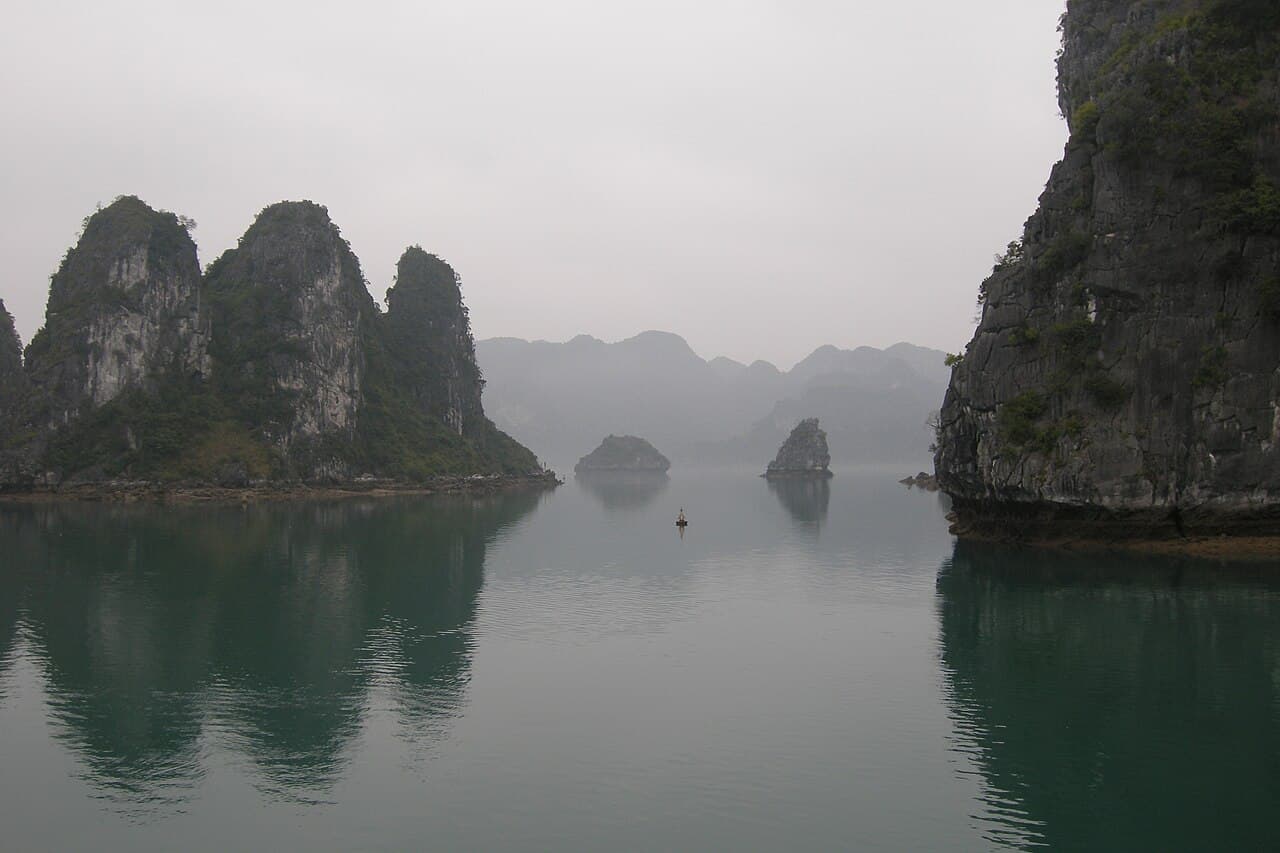
Croisière Halong, cours de cuisine à Hoi An, tunnels de Cu Chi, delta du Mékong — sans démarches.
VolComparateurVols vers le Vietnam
Paris-Hanoï et Paris-Ho Chi Minh comparés, plus les vols domestiques VietJet et Vietnam Airlines à petit prix.
Nearby




"Février marque le début de la belle saison à Hoi An : le Têt illumine la vieille ville de lanternes rouges et dorées, les températures sont parfaites (19-25 °C), et la mer commence à se calmer. L'une des plus belles périodes pour voir la fête des lanternes à pleine lune."
Expert on Hoi An · 1 contributions
 South-East Asia Desk — Mowando·Editor