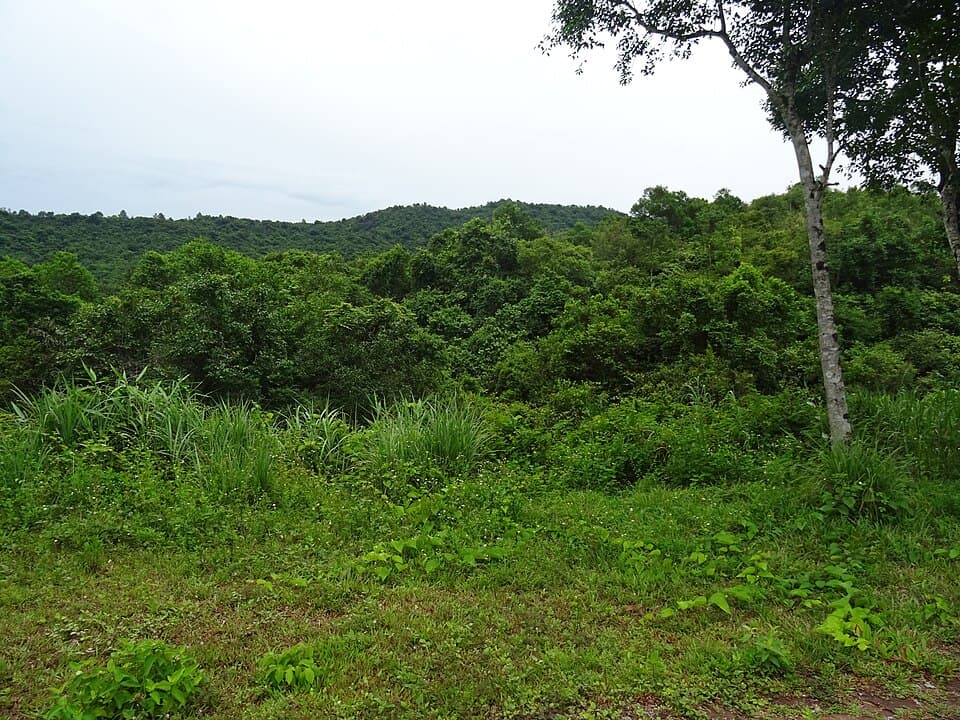
Region
Central Vietnam
Vietnam's most heritage-rich region: Cham and Nguyen imperial capitals, a UNESCO-listed colonial trading town, golden-sand beaches and a cuisine unlike anywhere else.
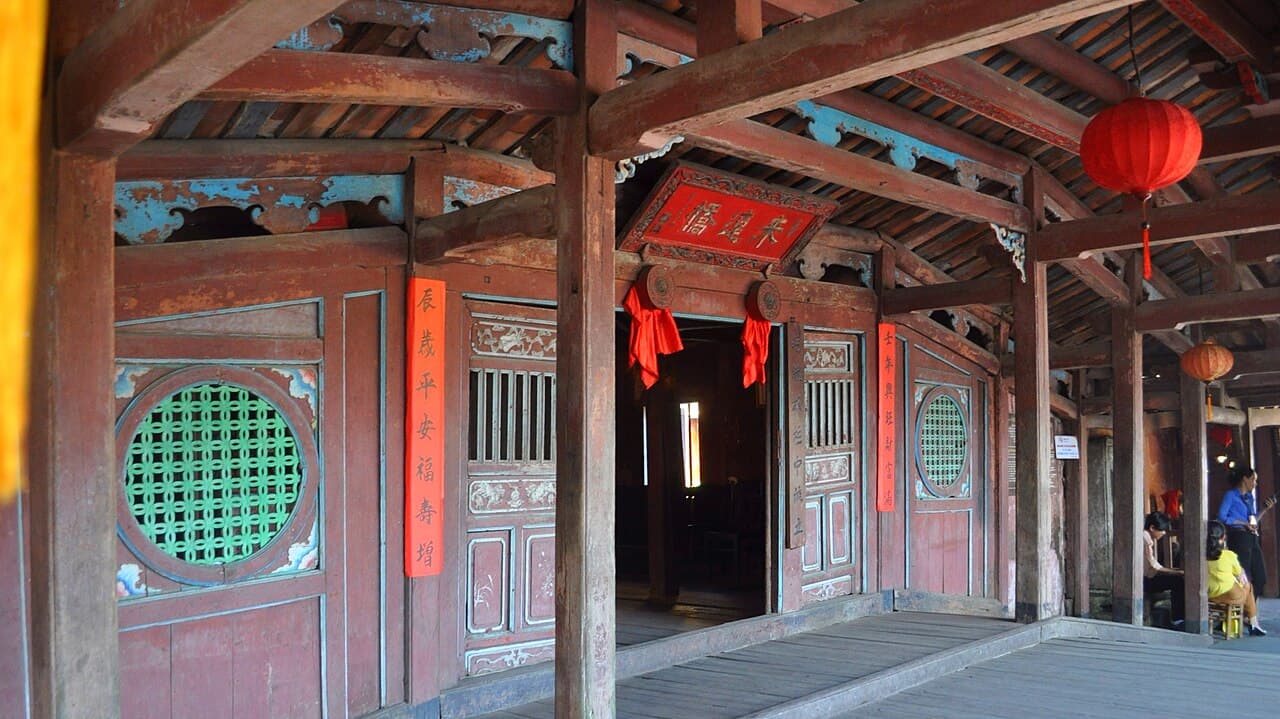
Central Vietnam is the country's densest region for heritage and flavour. Along a 200-kilometre coastal corridor, three cities of radically different character follow each other: Hue, the former imperial capital of the Nguyen dynasty, wrapped in an atmosphere of royal courts and Buddhist pagodas; Da Nang, a modern coastal metropolis emerging as Vietnam's fastest-growing city; and Hoi An, the jewel of the coast, a former trading town listed as a UNESCO World Heritage Site whose ochre townhouses and thousands of silk lanterns have made it famous on every continent.
But Central Vietnam is also the My Son ruins, a complex of Cham towers built between the 4th and 14th centuries in a jungle-filled valley of the Thu Bon River — Vietnam's Angkor, less overwhelming in scale but unique in their mysterious, overgrown atmosphere. The beaches of Da Nang and Hoi An (My Khe, Non Nuoc, An Bang) are among the finest on mainland Vietnam: fine sand, warm water year-round, quality tourist infrastructure without the overbuilt saturation of resort towns.
The food of central Vietnam is the most inventive and complex in the country. Hoi An produces two of Vietnam's most distinctive dishes: cao lầu (thick wheat noodles, roasted pork and fresh herbs, unique to Hoi An because its preparation requires water from ancient Cham wells) and White Rose dumplings (bánh bao vạc). Hue has its own royal culinary tradition — bún bò Huế (spicy beef and vermicelli soup, bolder than the northern phở), bánh khoái (crispy filled crêpes) and dozens of imperial-court bites. Across the entire region, mì quảng (turmeric-yellow noodles, prawns, roasted peanuts and fresh herbs) is the signature dish of Quảng Nam province.
Spots in the region
Situation
Où se situe Central Vietnam ?
Ouvrir la carte en grand sur OpenStreetMap →Frequently asked questions
How many days do you need for Central Vietnam?+
What to do if Hoi An floods?+
How to order custom-made clothing in Hoi An?+
Are the My Son ruins worth visiting?+
What are the must-try dishes in Central Vietnam?+
How do you travel between Da Nang, Hoi An and Hue?+
Is Da Nang worth visiting on its own?+
Our verdict
Central Vietnam delivers one of the country's most complete experiences: World Heritage sites in Hoi An and Hue, a uniquely regional food scene, beaches reachable by bicycle and living crafts traditions. Hoi An is the headline destination, but it rewards patience — come early in the morning or in the evening when day groups have left and the lanterns alone light the river. Pair with two days in Hue for the imperial dimension, half a day at My Son for Cham depth, and Vietnam's best accessible beaches will be waiting 10 km away.