- Visa
- Not required
- Passport validity
- 0 months
- Safety level
- Très élevée
- Recommended vaccines
- None specific
Le Portugal est membre de l'Union européenne et de l'espace Schengen : les ressortissants français n'ont besoin d'aucun visa pour s'y rendre. La carte nationale d'identité française en cours de validité est suffisante pour entrer et séjourner librement sur le territoire portugais, sans limitation de durée pour un ressortissant de l'UE. Le passeport n'est pas obligatoire mais reste recommandé si vous prévoyez de poursuivre votre voyage vers les archipels de Madère ou des Açores en avion, où l'identité peut être vérifiée à l'embarquement selon le transporteur.
Aucune formalité douanière particulière n'est requise à l'entrée. En tant que citoyen européen, vous bénéficiez de la libre circulation des personnes et des biens à l'intérieur de l'Union. Il n'y a pas de contrôle systématique aux frontières terrestres avec l'Espagne (frontière Badajoz–Elvas, Vigo–Valença), même si des contrôles aléatoires peuvent être effectués dans le cadre des accords de sécurité Schengen.
Côté santé, aucun vaccin n'est obligatoire ni recommandé spécifiquement pour un voyage au Portugal depuis la France, si vos vaccinations habituelles (DTP) sont à jour. La Carte Européenne d'Assurance Maladie (CEAM), délivrée gratuitement par votre caisse d'assurance maladie, vous permet de bénéficier de soins médicaux aux mêmes conditions que les ressortissants portugais dans les établissements publics. Il est toutefois conseillé de souscrire une assurance voyage complémentaire pour couvrir le rapatriement et les frais non pris en charge.
Portugal consistently ranks in the global top five of the Institute for Economics and Peace's Global Peace Index — one of the safest countries on earth. The UK Foreign Office, the US State Department and France's Quai d'Orsay all rate it at their lowest risk level, with no areas of the mainland, Madeira or the Azores considered off-limits to visitors.
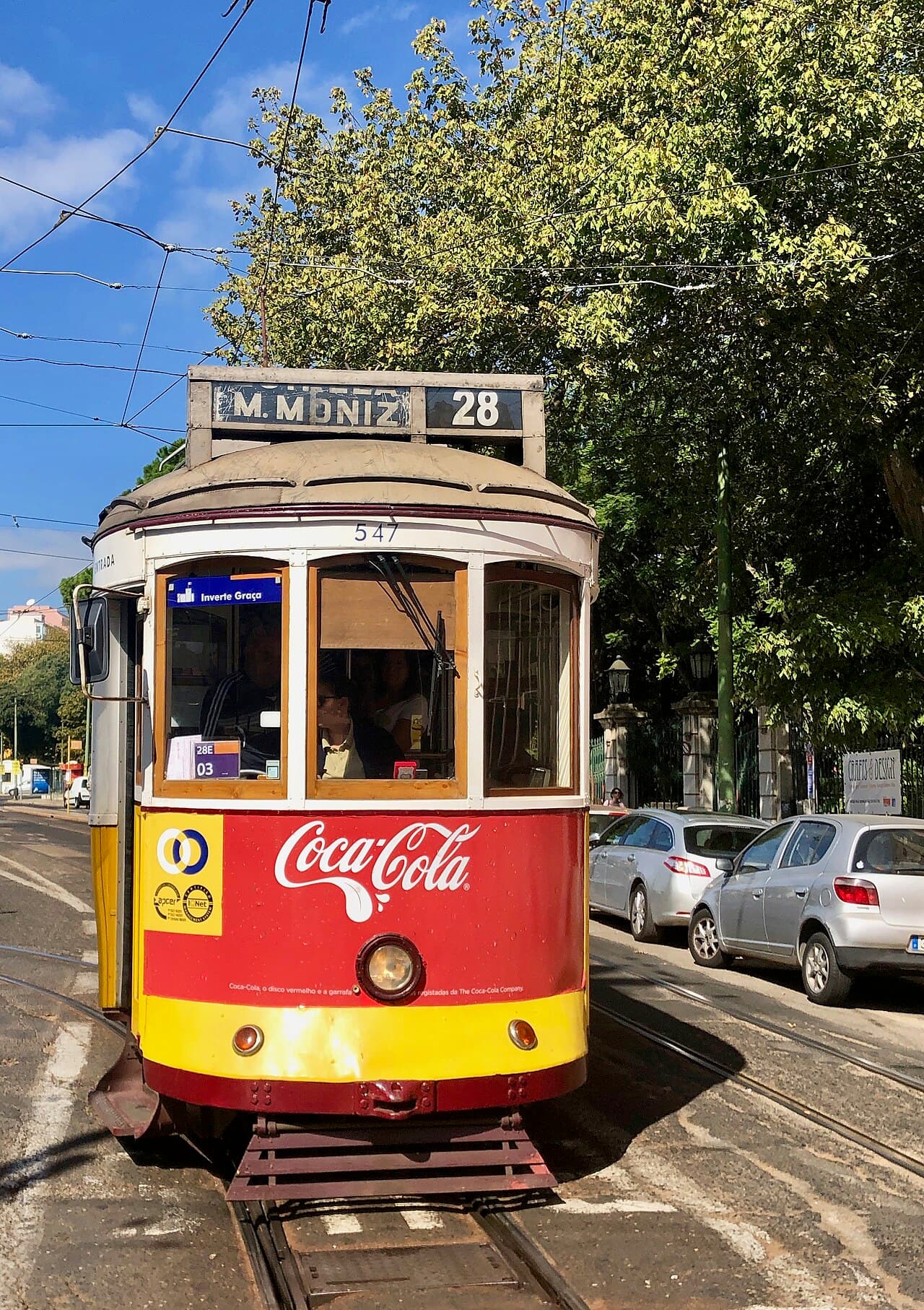
The main risk for tourists is petty theft: pickpockets target the No. 28 tram (one of Lisbon's most famous and most exploited tourist corridors), the Alfama viewpoints, the Bairro Alto at night, and the surroundings of the Tower of Belém. In Porto, the Ribeira waterfront and the Rua das Flores see occasional incidents in high season. Standard precautions suffice: keep valuables in zipped inner pockets, wear your bag on your front in crowds, and use a digital copy of your passport stored separately from the original.
Tourist scams are less developed than in Italy or Spain but exist: unlicensed taxi drivers at Lisbon Airport (use official metered taxis or apps like Bolt or Uber), restaurants near major sights displaying chalkboard menus without indicating that the couvertura is charged. Always check prices before ordering and buy museum tickets online when possible.
Natural hazards include seismic risk — Portugal sits on active fault lines; the 1755 Lisbon earthquake was one of Europe's deadliest — though current risk is well-monitored by IPMA. In summer, wildfires are the most pressing natural risk, particularly in the central highlands (Serra da Estrela, Castelo Branco) and in the Alentejo from June to September: consult ANEPC alerts before staying in forested rural areas. The universal emergency number is 112 for police, ambulance and fire.
Medical care is good in major cities — Hospital São José and Santa Maria in Lisbon, Hospital São João in Porto. EU citizens' EHIC cards are accepted in public hospitals. A travel insurance policy is recommended for all visitors to cover repatriation and private clinic costs, which can be significant in peak season when public emergency rooms are overstretched.
Read also
- Lisbon and its Peninsula — The capital on its seven hills, the Tram 28, Sintra palaces and the beaches of Cascais within easy reach.
- Porto and the North: Douro and Minho — Port wine cellars, UNESCO-listed vine terraces and the generous gastronomy of northern Portugal.
- Algarve: Golden Cliffs and Beaches — Europe's sunniest coastline: Lagos, Sagres, Tavira and the wild coves of the Vicentine Coast.
- Alentejo: Vines, Cork and White Villages — The vast interior plains, prehistoric megaliths and characterful wines of the Alentejo.
- Lisbon, City on Seven Hills — Alfama azulejos, Tram 28, pastéis de nata at Pastéis de Belém and fado in the lanes of Mouraria.