ville
Lisbon
Lisbon is Western Europe's most affordable and sunniest capital, with a heritage and culinary depth that holds its own against any Mediterranean rival.
Lisbon is a city that surprises almost every first-time visitor. An Atlantic capital spread across seven hills above the Tagus estuary, it combines remarkable historical depth — the fifteenth-century Age of Discovery left monuments of rare ambition — with a relaxed way of life, honest generous food and a living cultural scene that has made it one of Europe's most sought-after city breaks.
The city is best explored on foot, neighbourhood by neighbourhood. Alfama, the oldest, climbs to the Castelo de São Jorge through a maze of cobbled lanes where laundry hangs between windows and century-old azulejo houses stand next to corner grocery shops. Belém, to the west, holds two of the most iconic monuments of the Manueline style: the Mosteiro dos Jerónimos (UNESCO-listed) and the Torre de Belém — along with the Pastelaria de Belém, whose pastéis de nata have drawn a queue since 1837. The Bairro Alto and Intendente quarter concentrate Lisbon's nightlife, its Fado houses and the restaurants that resist gentrification. The LX Factory, a converted nineteenth-century textile mill turned creative hub, is the symbol of a city that reinvents its industrial heritage without erasing it.
Thirty minutes by train, Sintra and its fairy-tale palaces (Pena, Monserrate, Queluz) make for one of Europe's finest day trips — listed as a UNESCO Cultural Landscape. Lisbon is two and a half hours from Paris by plane, no visa required, euros in your pocket, and its daily budget remains among the lowest of any major Western European capital.
What we love
- ✅The most affordable and sunniest major capital in Western Europe
- ✅Exceptional Manueline heritage: Belém, Jerónimos, Torre — UNESCO-listed
- ✅Portuguese cuisine: pastéis de nata, bacalhau, ginja, Alentejo wines
- ✅Easy access from across Europe: 2.5-hour flight, euro currency, no visa
- ✅Sintra in 30 minutes by train — one of Europe's finest day trips
What to know
- ❌Hills and uneven cobblestones — exhausting for people with reduced mobility or pushchairs
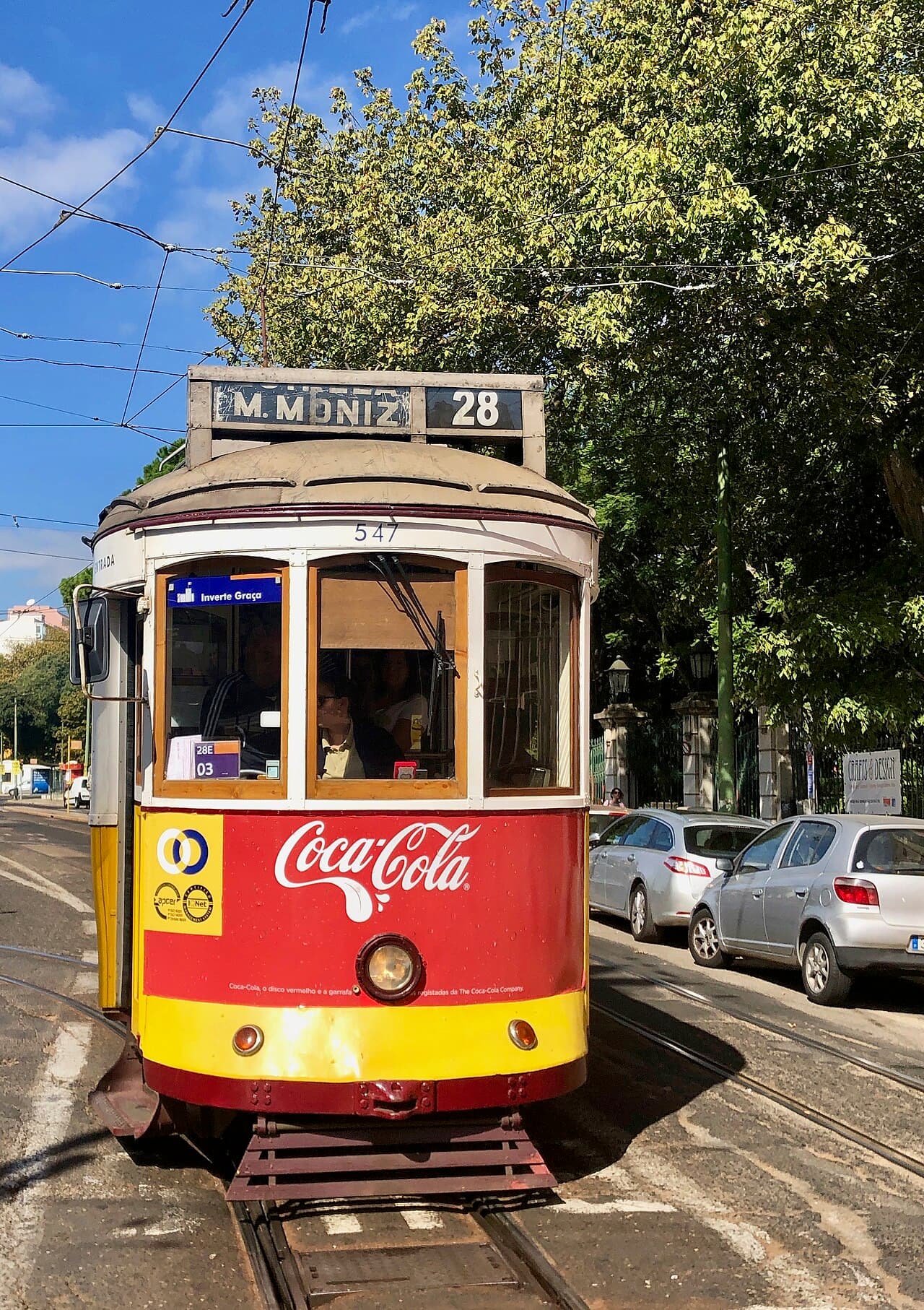
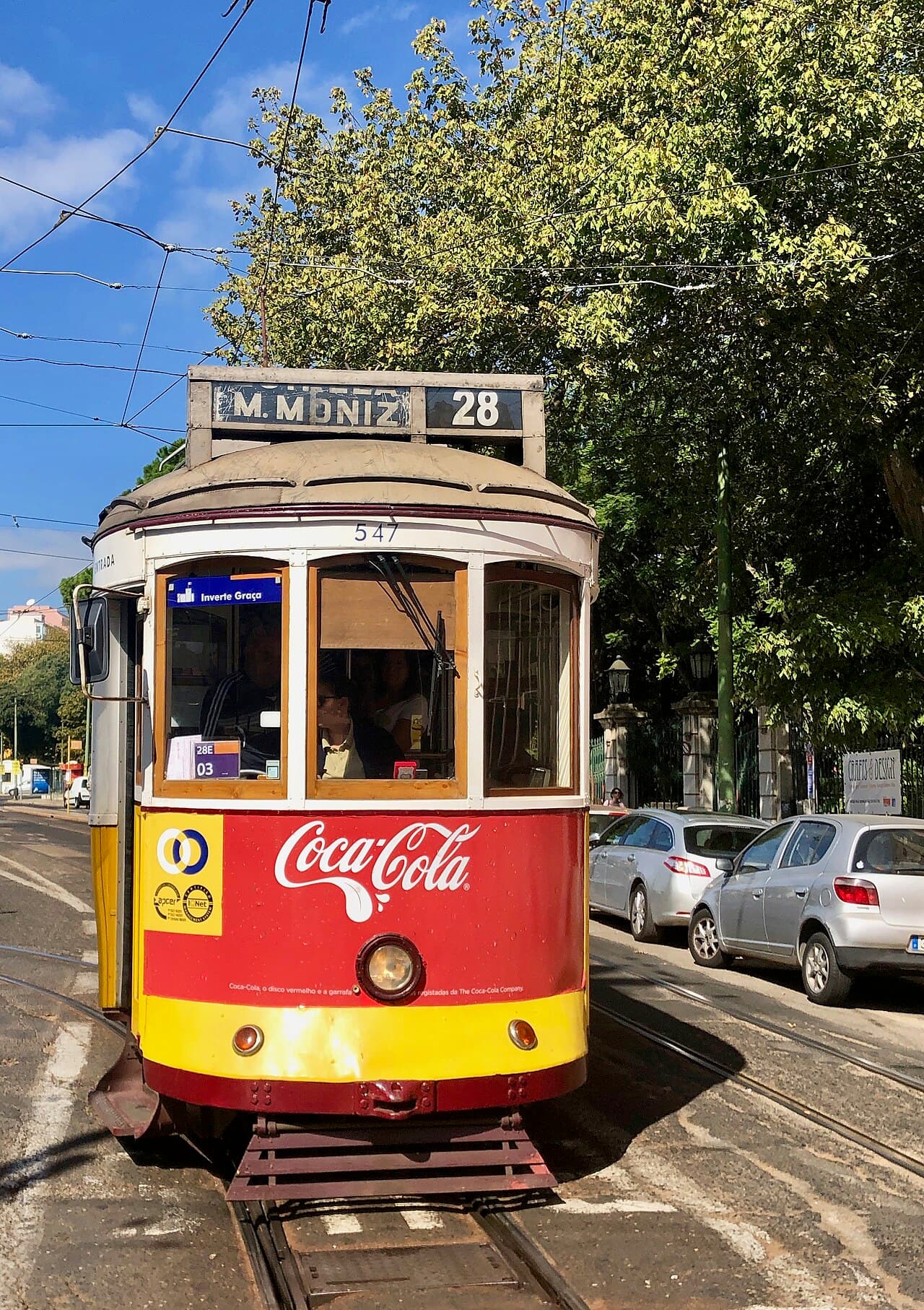
- ❌Tram 28 badly overcrowded in peak season: long waits, pickpockets reported
- ❌Rapid gentrification in Alfama and Bairro Alto: rising rents and tourist prices
- ❌No direct urban beach — you need a train for Cascais or the Estoril Coast
Situation
Où se situe Lisbon ?
Ouvrir la carte en grand sur OpenStreetMap →Frequently asked questions
How many days should I plan for Lisbon?+
How do I avoid the crowds on Tram 28?+
How do I visit Sintra from Lisbon?+
When is the best time to visit Lisbon?+
Are the pastéis de nata from Belém really worth the trip?+
Which neighbourhood should I stay in?+
How do I get around Lisbon?+
Are there good beaches near Lisbon?+
Our verdict
Lisbon is one of contemporary Europe's great surprises: a capital that has preserved its neighbourhood soul while becoming one of the continent's most desirable cities. Its particular Atlantic light, its azulejos, its Fado houses and its pastéis de nata form a coherent whole that few European capitals can match at any price point. The friction is real — exhausting hills, overcrowded trams in summer, the accelerating gentrification of Alfama — but none of it diminishes an experience that ranks among the most memorable in Western Europe. Come in April-May or September, explore on foot and by tuk-tuk, and book at least one night in Sintra.
Réserver votre séjour
Liens partenaires — une commission peut nous être reversée, sans surcoût pour vous.
 HébergementAnnulation gratuite
Hôtels & pousadas au Portugal
Lisbonne, Porto, pousadas historiques de l'Alentejo, surf camps de la côte vicentine : tout le Portugal couvert.
ActivitéSans queueActivités au Portugal
Tram 28, Sintra, dégustations de vin de Porto, croisière Douro, surf à Nazaré : réservez sans surprise.
VolComparateurVols vers le Portugal
Paris-Lisbonne et Paris-Porto à petit prix toute l'année. TAP, easyJet et Ryanair comparés.
Nearby


"Janvier est le mois le plus calme à Lisbonne : musées peu fréquentés, Alfama presque pour soi, tarifs d'hébergement au plancher. Il fait frais (10-15 °C) mais les journées ensoleillées restent fréquentes — la ville arbore un charme hivernal très particulier."
Expert on Lisbon · 1 contributions
 Mediterranean Desk — Mowando·Editor