Region
Lisbon Region
Portugal's capital and its surroundings, where tiled hillside neighbourhoods, romantic palaces shrouded in mist and the westernmost cliffs of Europe meet the open Atlantic.
The Lisbon Region is one of the richest in Europe in terms of cultural and geographical diversity within a compact area. In less than an hour from the capital, you move from the steep cobbled alleys of Alfama — where fado still echoes through restaurant doors every evening — to the mystical forests of Sintra and the Atlantic surf beaches of Cascais.
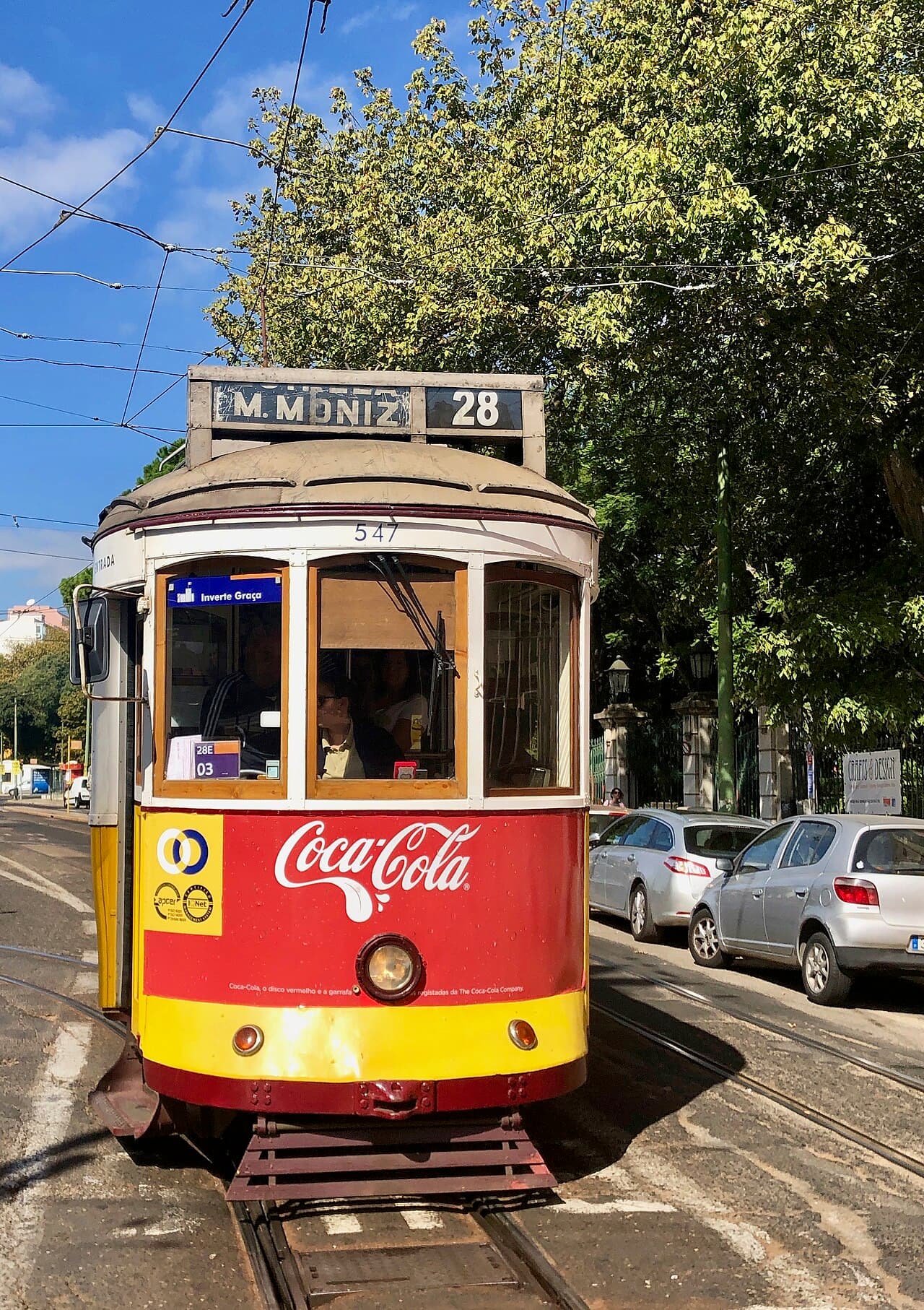
Lisbon itself is a human-scale capital, at once luminous and melancholic. Its seven hills, azulejo-covered façades, the grinding tram 28 on cobblestones and the miradouros that open onto the Tagus compose a city of rare aesthetic coherence. The riverside neighbourhood of Belém concentrates the golden age of Portuguese exploration: the Tower of Belém, the UNESCO-listed Jerónimos Monastery, and the Pastelaria de Belém where the original pastel de nata recipe was born.
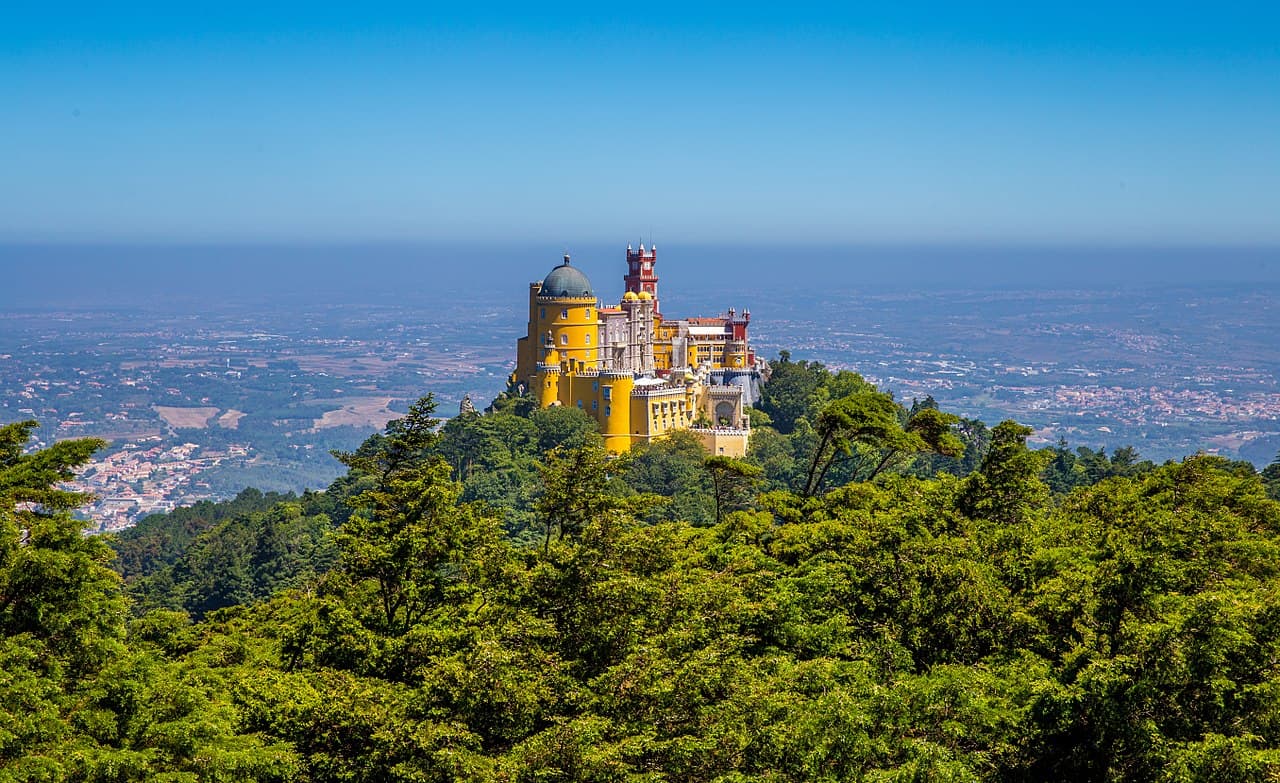
The region revolves around two main axes. To the west, the Cascais Line follows the Tagus estuary to Estoril and Cascais, Art Deco seaside resorts that once sheltered exiled European royal families. At the tip, Cabo da Roca marks the westernmost point of mainland Europe, facing the boundless Atlantic. To the north-west of Lisbon, the Serra de Sintra hides within its near-permanent mist the extravagant palaces of Pena and Monserrate, and the mysterious Quinta da Regaleira with its initiatory gardens.
Spots in the region
Situation
Où se situe Lisbon Region ?
Ouvrir la carte en grand sur OpenStreetMap →Frequently asked questions
How many days do you need to visit the Lisbon Region?+
How do you get from Lisbon to Sintra?+
Is it better to stay in Lisbon or Cascais?+
What is Cabo da Roca and how do you get there?+
Where can you eat the best pastel de nata in Lisbon?+
Is the Lisbon Region suitable for families with children?+
What is the best beach near Lisbon?+
Our verdict
The Lisbon Region is one of Europe's most perfectly calibrated short-break destinations: three to four days cover the essentials, and a week lets you savour it in depth. Visit Lisbon in the morning for museums and pastéis, take the train to Sintra mid-morning, and end the day on a Cascais terrace at sunset. Come in May or October for ideal weather without summer pressure. The region is built for travellers who want to combine history, gastronomy, sea and landscape in a single trip.