Portuguese culture is inseparable from its maritime history. In the 15th and 16th centuries, tiny caravels departing from the Tagus estuary reached the coasts of Brazil, India, Japan and sub-Saharan Africa, establishing the first truly global trade network in history. This Age of Discovery left enduring marks on the national architecture — the exuberant late-Gothic Manueline style, carved with ropes, armillary spheres and maritime motifs in stone, visible at the Jerónimos Monastery in Belém and the Tower of Belém — on the language (Portuguese is spoken by 260 million people across four continents) and on the national psyche.
The most profound expression of that Portuguese soul is the fado. Born in Lisbon's taverns in the early 19th century, this UNESCO-listed musical form — a solo voice accompanied by the Portuguese guitarra and the viola baixo — sings of saudade, that untranslatable bittersweet longing for something loved and lost. The best casas de fado in Lisbon's Alfama and Mouraria are intimate spaces of twenty to forty covers where fado is performed without amplification: an experience without equal in European music. Coimbra has its own more academic fado tradition, performed by black-cloaked university students.
Azulejos are the other defining visual signature of Portugal: hand-painted tin-glazed ceramic tiles in blue and white (or polychrome, depending on the period) that cover church façades, palace interiors, metro station walls and railway station concourses. The National Azulejo Museum in Lisbon traces five centuries of the tradition, from the first Moorish imports of the 15th century to vast contemporary compositions. In Porto, the façade of the Igreja do Carmo and the chapel of Santa Catarina are among the finest examples of this applied art.
Portugal's UNESCO World Heritage portfolio spans seventeen sites on the mainland and islands, including the historic centre of Porto, the Jerónimos Monastery and Tower of Belém in Lisbon, the Palace of Sintra and the cultural landscape of Sintra-Cascais, the Douro wine region, the Roman city of Évora, the monasteries of Alcobaça, Batalha and Tomar, and the prehistoric rock-art sites of the Côa Valley. Entry fees are significantly lower than comparable Italian or French sites, and many are free on Sunday mornings.
The cultural calendar revolves around popular festivals of remarkable vitality. The Festas de Santo António (12-13 June in Lisbon) transform the Alfama into one of Europe's great street parties: grilled sardines, folk music in the lanes and colourful processions. Porto's Festa de São João (23-24 June) is among the largest street festivals on the continent — hundreds of thousands pack the city, armed with plastic hammers and sprigs of basil, to dance until dawn above the illuminated Douro.
Read also
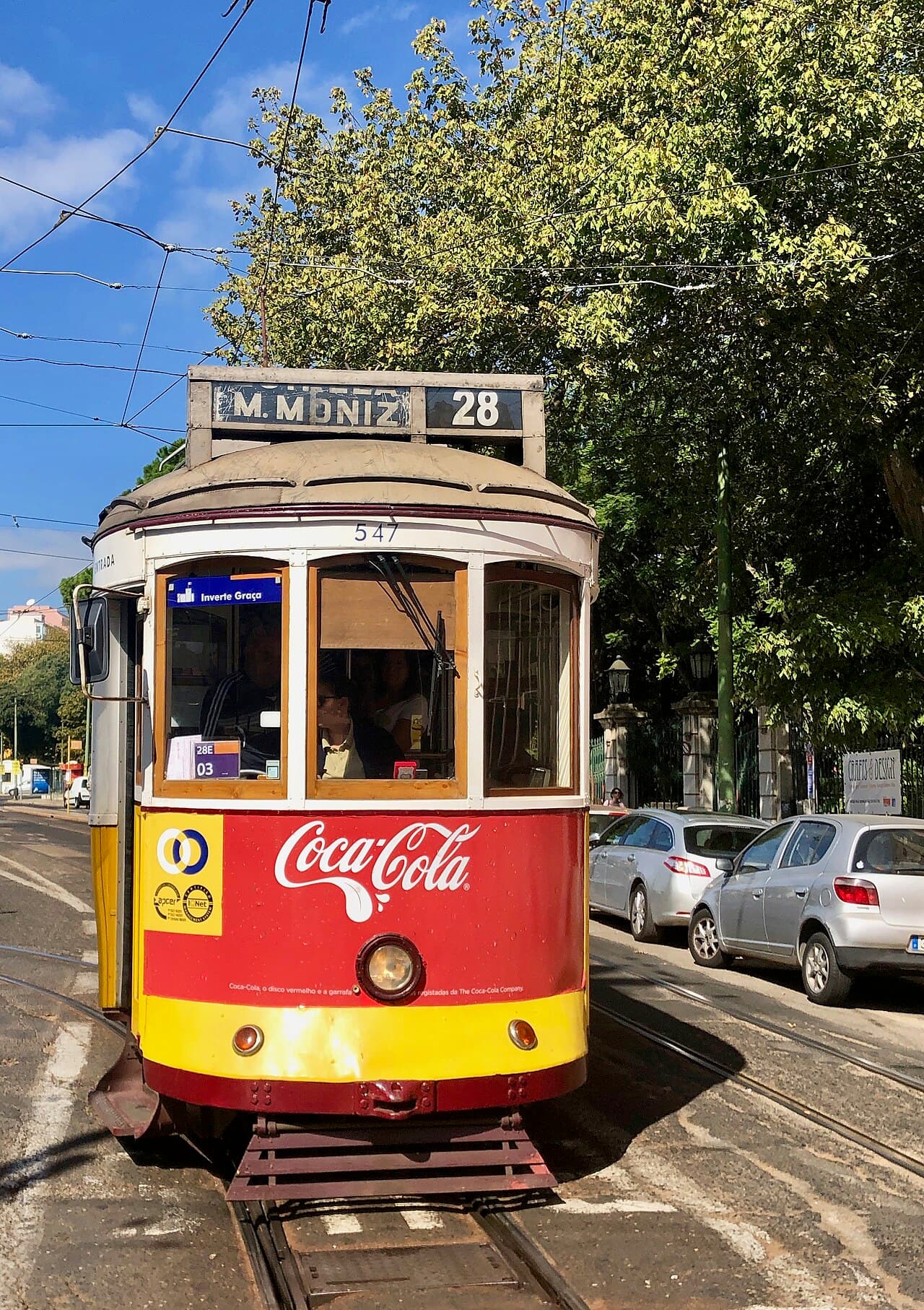
- Lisbon and its Peninsula — The capital on its seven hills, the Tram 28, Sintra palaces and the beaches of Cascais within easy reach.
- Porto and the North: Douro and Minho — Port wine cellars, UNESCO-listed vine terraces and the generous gastronomy of northern Portugal.
- Algarve: Golden Cliffs and Beaches — Europe's sunniest coastline: Lagos, Sagres, Tavira and the wild coves of the Vicentine Coast.
- Alentejo: Vines, Cork and White Villages — The vast interior plains, prehistoric megaliths and characterful wines of the Alentejo.
- Lisbon, City on Seven Hills — Alfama azulejos, Tram 28, pastéis de nata at Pastéis de Belém and fado in the lanes of Mouraria.