Oceania
New Zealand
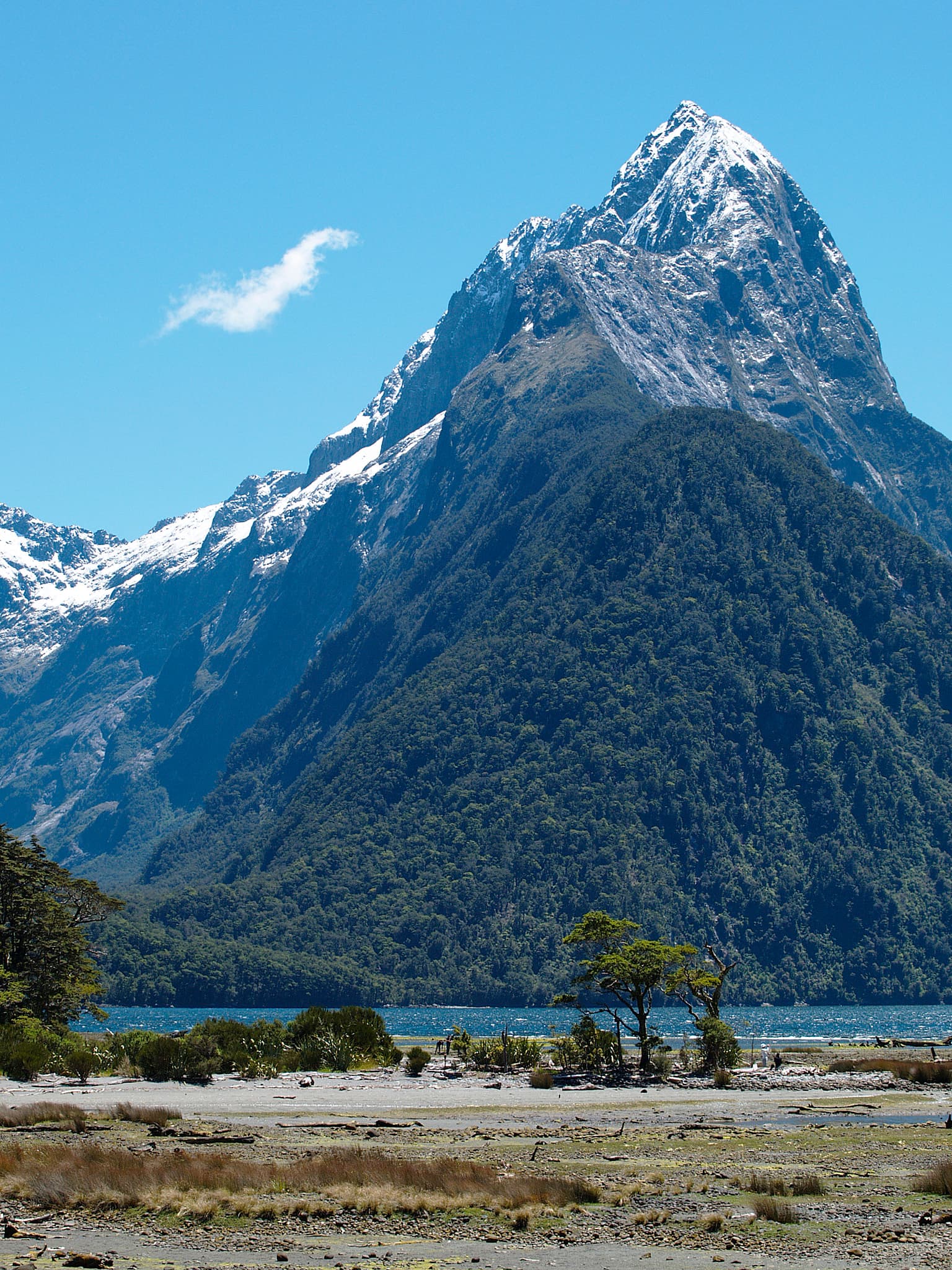
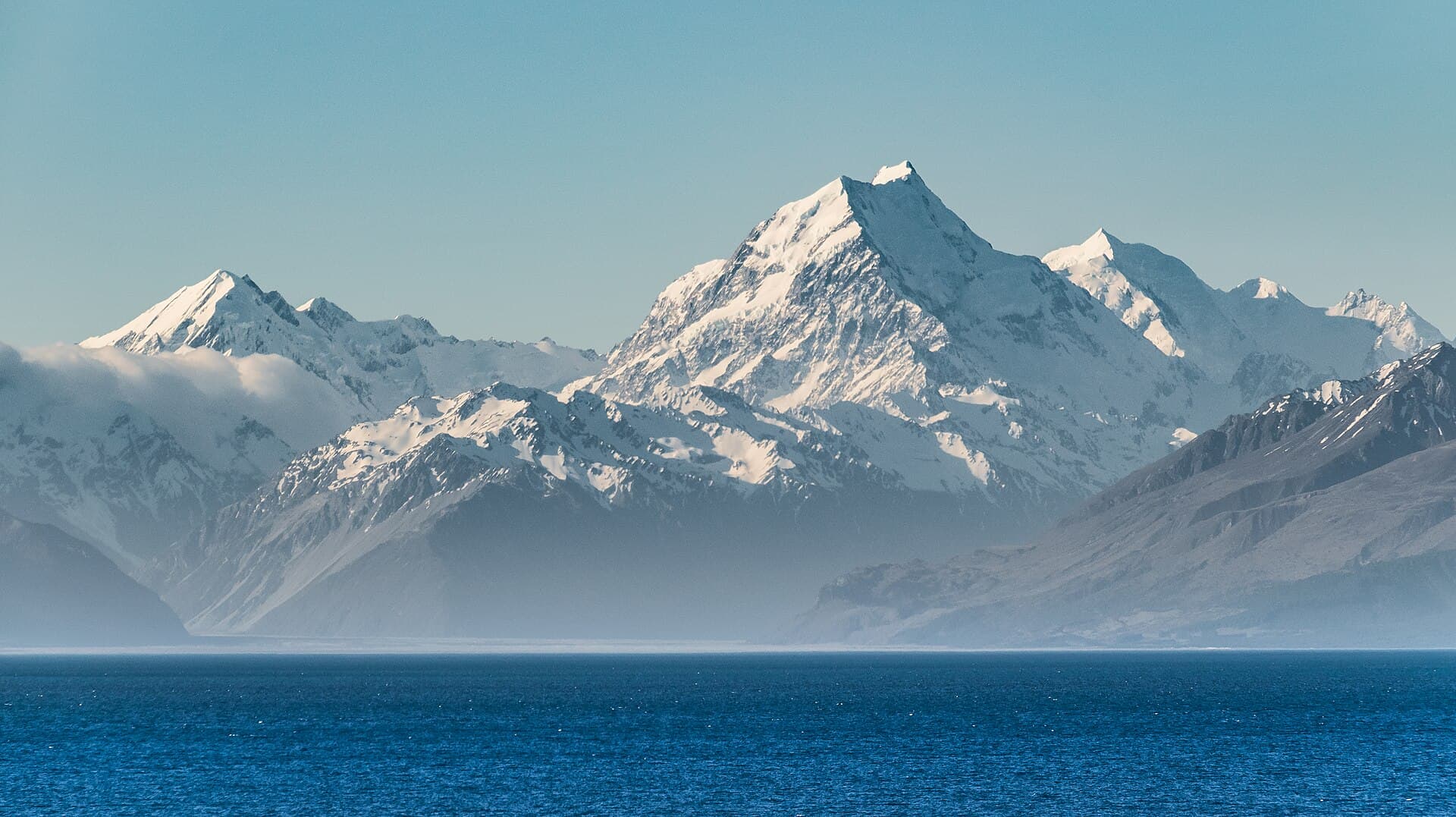
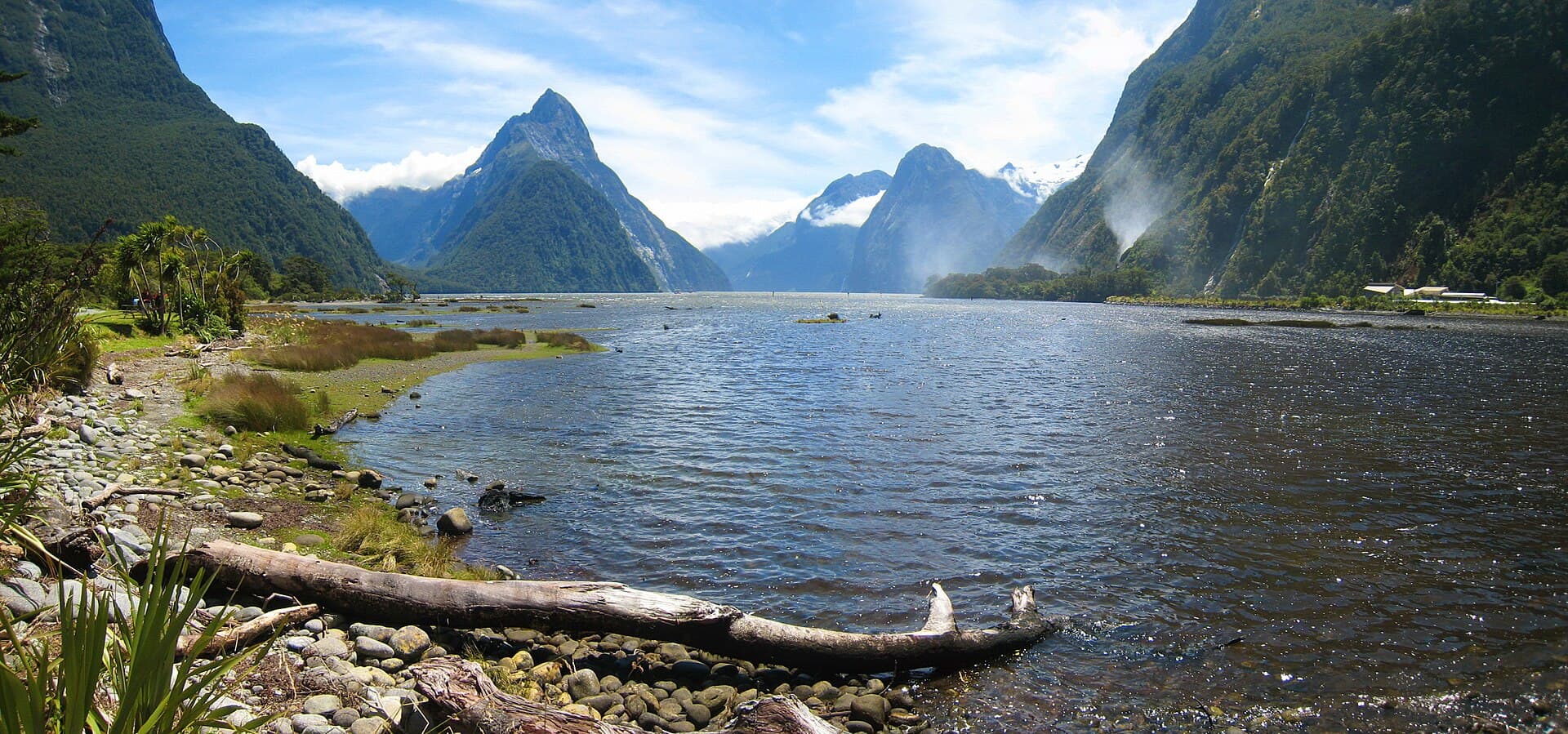
New Zealand is the signature destination for cinematic landscapes and raw nature — the fjords of Milford Sound, the summit of Aoraki/Mt Cook (3,724 m), the geysers of Rotorua, a living Māori culture, and the extreme sports invented in Queenstown — a journey to the bottom of the world that earns its 25-27 hour flight.
- Capital
- Wellington
- Currency
- Dollar néo-zélandais (NZD)
- Languages
- Anglais, Maori (reo Māori)
- Budget
- Mid to upper-range — around €130/day/person; figure on €5,000-7,000/person for a 14-day campervan road trip including flights
New Zealand at a glance
New Zealand (Aotearoa in Māori, 'the land of the long white cloud') is a South Pacific archipelago made up of two main islands — the North Island (Te Ika-a-Māui), more populated and warmer, and the South Island (Te Waipounamu), wilder and more mountainous — separated by Cook Strait. With just 5.2 million inhabitants across 268,000 km² (the size of the United Kingdom), it is one of the least densely populated countries in the world and one of the most pristine in terms of natural landscapes.
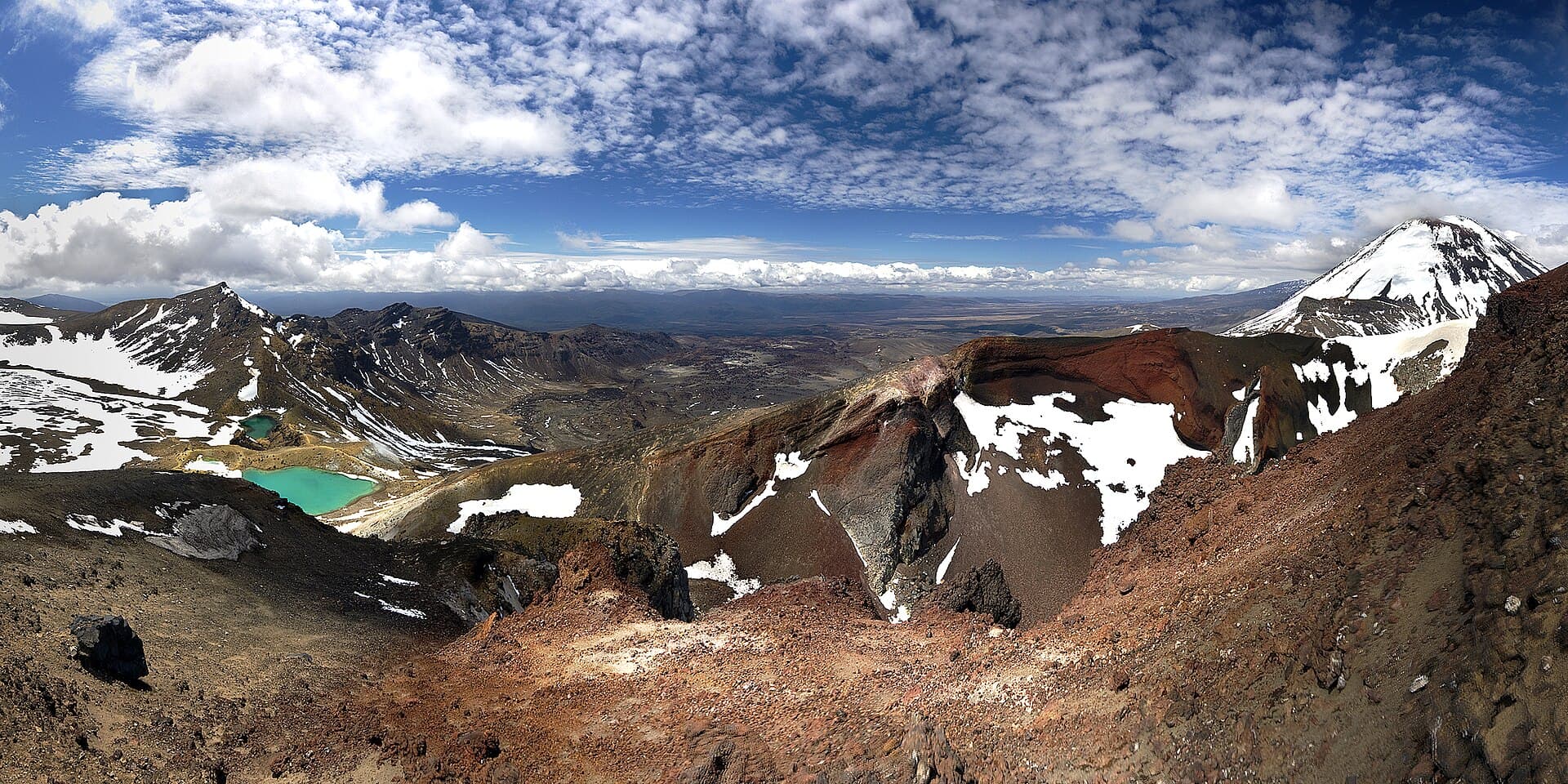
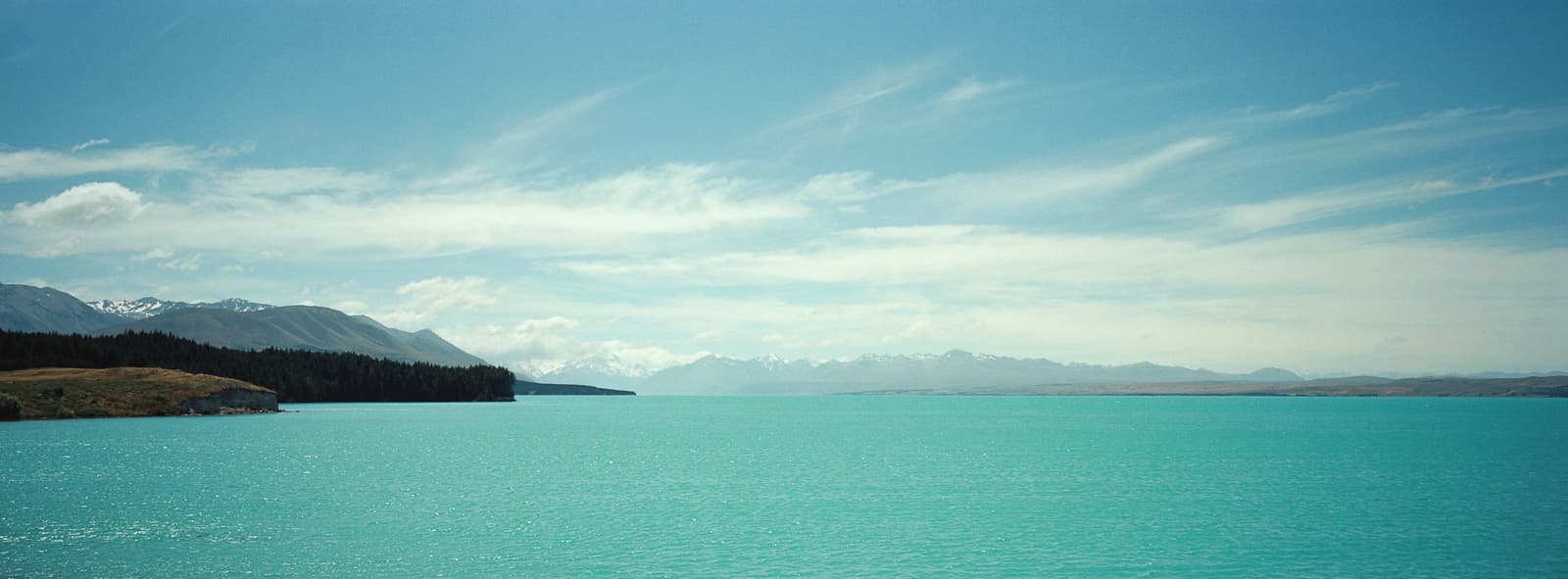
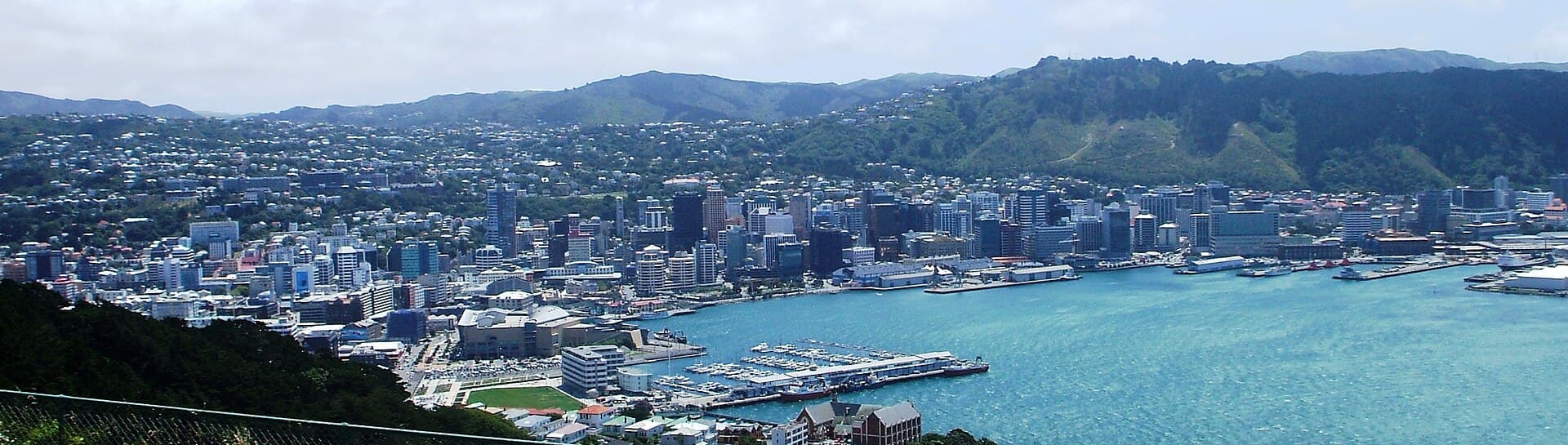
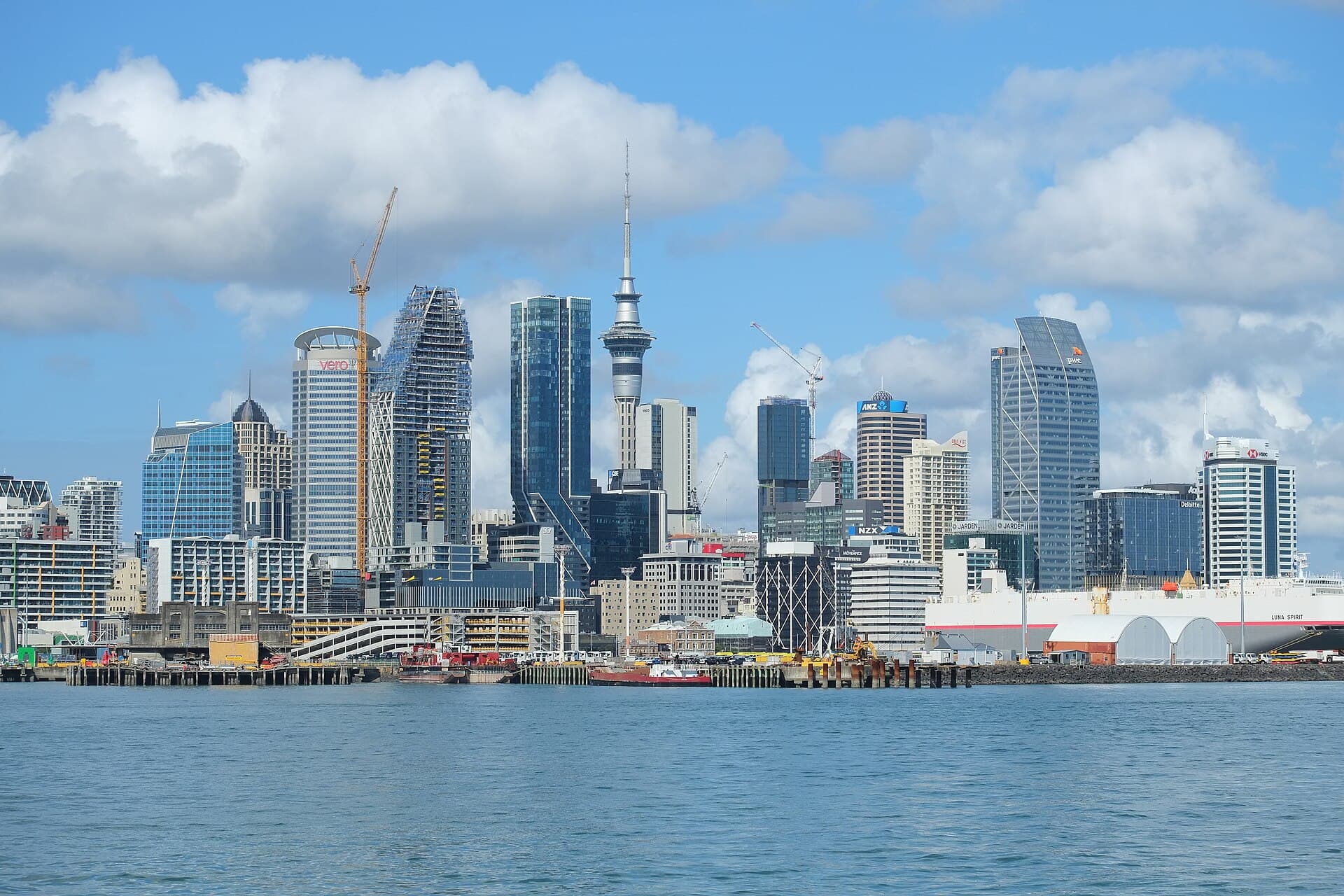
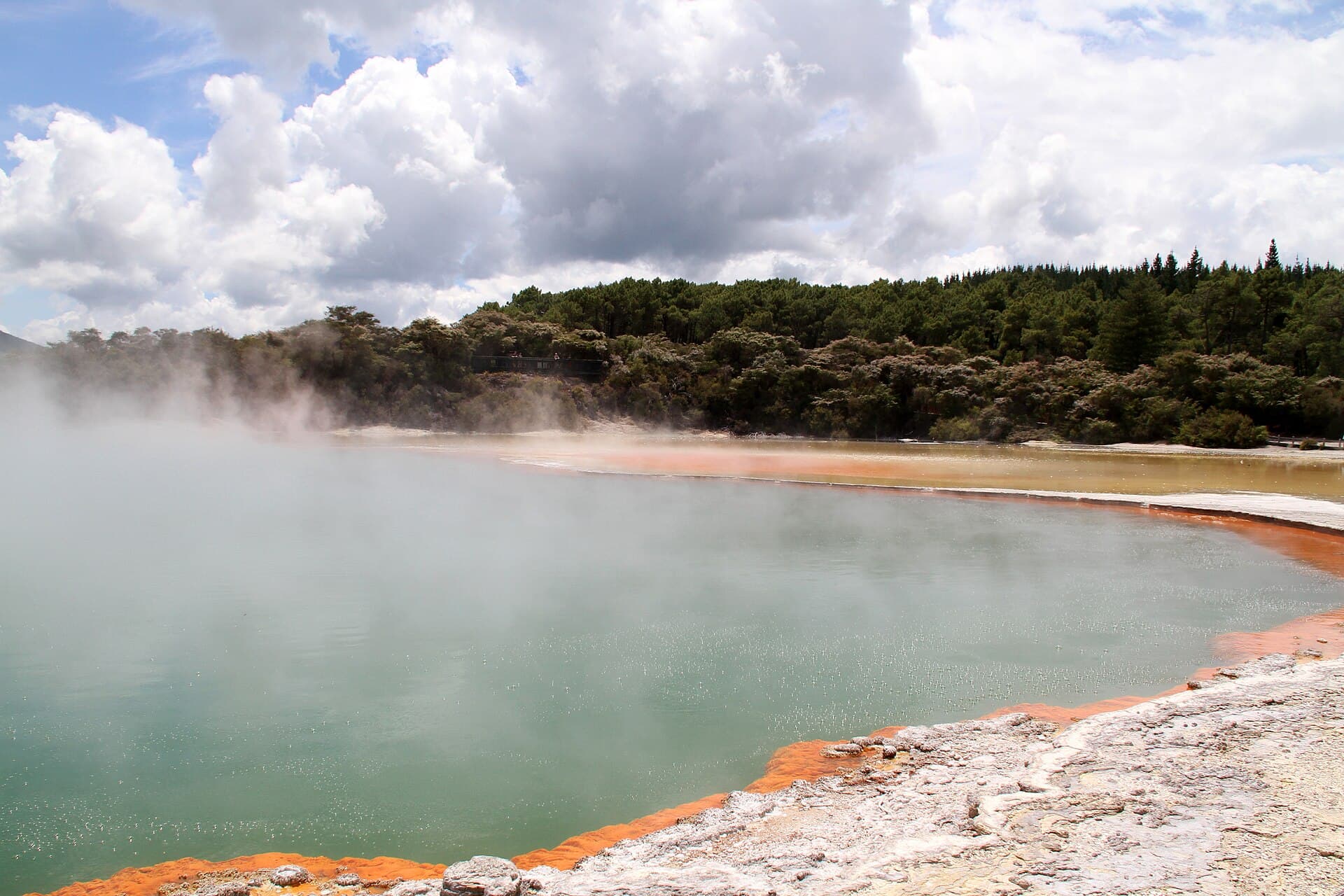
The geography delivers exceptional visual intensity. The North Island holds most New Zealanders (Auckland 1.7 million, Wellington 215,000) and a unique geothermal heritage: Rotorua geysers, the emerald lakes of Tongariro National Park, golden beaches of Coromandel and the Bay of Islands. The South Island is dominated by the Southern Alps peaking at Aoraki/Mount Cook (3,724 m), the country's highest summit. This is where the iconic landscapes are found: Milford Sound (a vertical fjord, UNESCO World Heritage in Fiordland National Park), Lake Tekapo and its Church of the Good Shepherd, Lake Wanaka, Franz Josef and Fox Glacier (the only glaciers in the world descending into temperate rainforest), Abel Tasman National Park and its golden beaches.
The Māori culture is the country's soul and one of its major tourism assets. First inhabitants of Aotearoa (arrived around 1280-1300 from central Polynesia), Māori today represent 17% of the population and have a recognised cultural and political status since the Treaty of Waitangi (1840). Their language (te reo Māori, co-official), traditions (haka, poi, hāngi underground steam-cooking), marae (sacred community houses) and arts (tā moko facial tattooing, wood carving) are alive — particularly at Rotorua (Te Puia, Whakarewarewa) and at Wellington's Te Papa Museum, which devotes an entire wing to Māori history and the country's bicultural co-governance.
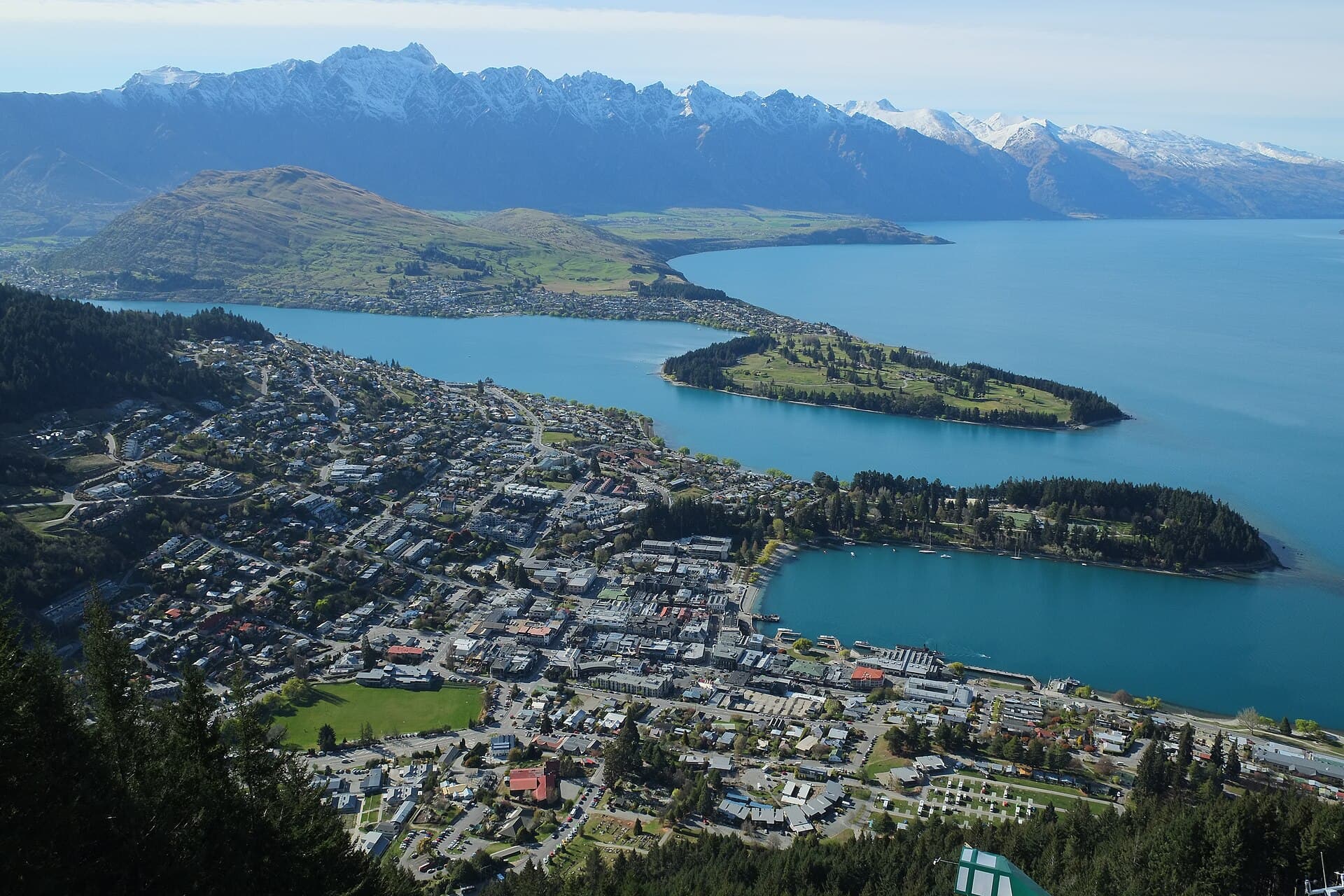
New Zealand is also the global home of extreme sports: modern bungee jumping was invented here in 1988 by AJ Hackett on the Kawarau Bridge in Queenstown (43 m), now joined by the Nevis Bungy (134 m, the country's highest). Jet boat on the Shotover River, skydive at Wanaka and Queenstown (the highest commercial jump in the world at 18,000 ft / 5,500 m), heli-ski, paragliding, rafting — Queenstown has become the undisputed world capital of outdoor adrenaline. To this add the cinematic landscapes popularised by Peter Jackson: Hobbiton at Matamata (the Hobbits' village from The Lord of the Rings and The Hobbit, preserved intact), the Mordor and Mount Doom filmed at Tongariro, the Fiordland fjords serving as natural sets.
On the food side, New Zealand is a recognised quality destination: Marlborough wines (world-class Sauvignon Blanc, Cloudy Bay), pasture lamb (the country has 5 sheep per inhabitant), exceptional seafood (Bluff oysters, green-lipped mussels, paua), increasingly recognised craft beers. Wellington is considered one of the world's best coffee cities. All this in a cool, changeable temperate-oceanic setting, where the trip earns its 25-27 hours of flying from Europe (via Singapore, Hong Kong or Los Angeles) through the absolutely unique character of the destination.
What we love
- ✅Cinematic landscapes: Milford Sound, Aoraki/Mt Cook, Tongariro, Fiordland — a global concentration of exceptional natural sites
- ✅Absolute safety: one of the safest countries in the world (4th on the Global Peace Index)
- ✅Living Māori culture: haka, marae, Te Papa Museum, authentic experiences in Rotorua
- ✅Extreme sports: Queenstown is the world capital of adrenaline (bungee invented in 1988)
- ✅Outstanding road trip by campervan or car, excellent DOC infrastructure (Department of Conservation)
What to know
- ❌Very long flight: 25-27 h from Europe via Singapore, Hong Kong or Los Angeles, €1,400-2,800 return
- ❌Brutal jet lag: +11 h in winter, +10 h in summer (southern hemisphere)
- ❌Mid-to-high budget: €130/day minimum, over €200/day in Queenstown in high season
- ❌Book Great Walks and accommodation 4-6 months ahead for the summer season (Dec-Feb)
- ❌Very changeable mountain weather, four seasons in one day (Milford Sound among the wettest places on Earth)
Explore New Zealand
Our itineraries
Regions
Popular spots
Situation
Où se situe New Zealand ?
Ouvrir la carte en grand sur OpenStreetMap →Frequently asked questions
Do I need a visa for New Zealand?+
How long is the Paris-Auckland flight?+
When is the best time to visit New Zealand?+
How many days for New Zealand?+
What's the budget for New Zealand?+
Campervan or rental car for New Zealand?+
North Island or South Island if I have limited time?+
Our verdict
New Zealand is one of the most spectacular destinations on the planet — a concentrate of cinematic landscapes (Milford Sound fjords, Aoraki/Mt Cook summits, Rotorua geysers, glaciers descending into rainforest), a living, proud Māori culture, and the undisputed world capital of extreme sports in Queenstown. The country fully repays the logistical effort of the trip (25-27 h flight from Europe, +11 h time difference) with a visual intensity and variety of experiences that no other country offers within such a compact territory. Our key advice: prioritise the austral summer (December-March) for the Great Walks and road trip, or autumn (March-April) for golden light and falling rates. Give yourself at least 14 days on the ground (ideally 21) to combine North Island (Auckland, Rotorua, Wellington, Hobbiton) and South Island (Queenstown, Milford Sound, Aoraki, Christchurch). Book your campervan and the Great Walks 4 to 6 months in advance. And don't skip the starry night at Aoraki — the International Dark Sky Reserve offers one of the most beautiful night skies on Earth, the lasting image of a journey to the bottom of the world.

Expert on New Zealand · 1 contributions
 South-East Asia Desk — Mowando·Editor