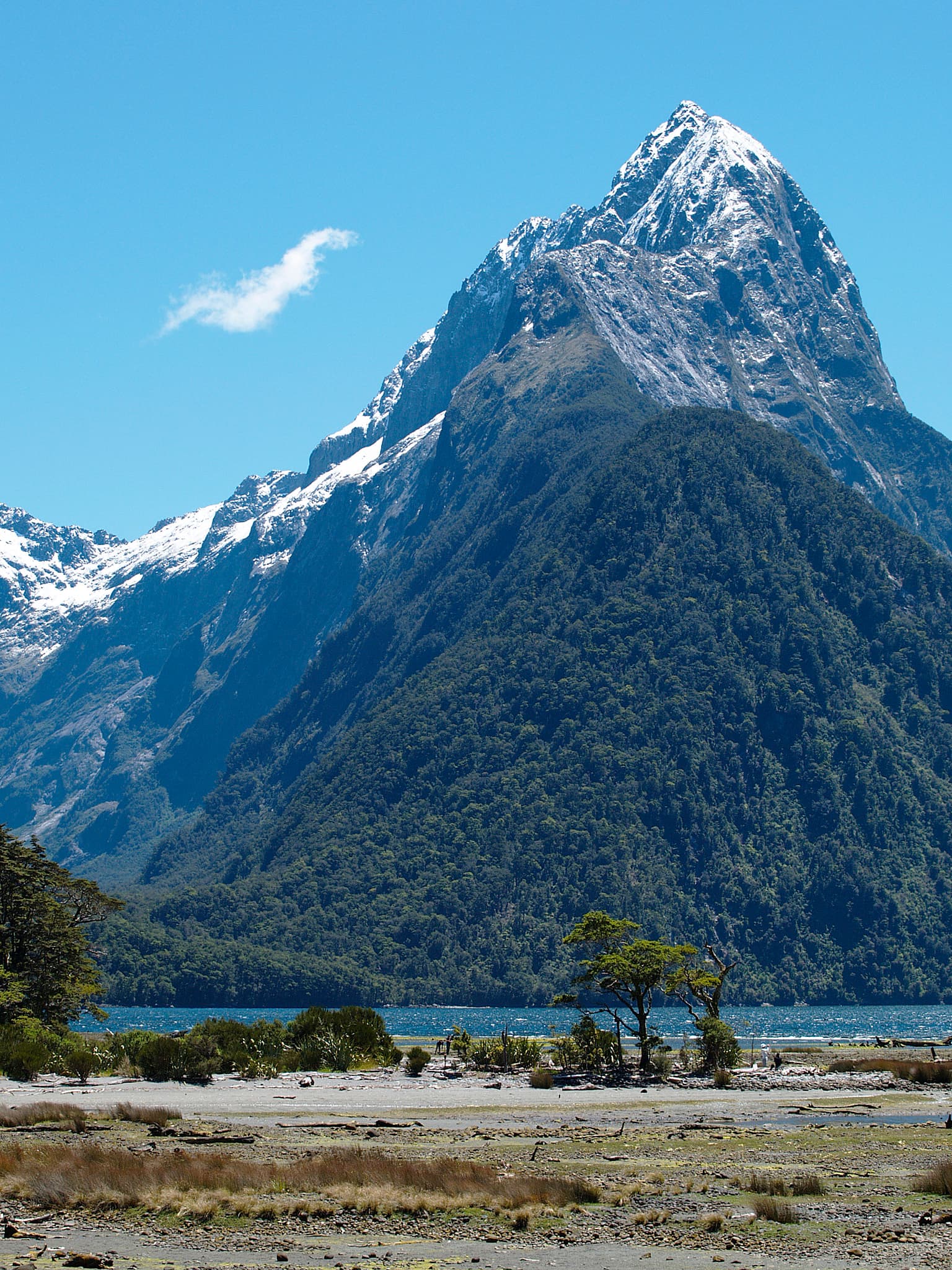
The New Zealand culture is a unique synthesis between the ancestral Māori heritage (first inhabitants of Aotearoa) and the 19th-century British colonisation, complemented more recently by waves of Polynesian (Samoa, Tonga, Cook Islands) and Asian (China, India, Philippines) immigration. This fundamental duality expresses itself at every level of the country — official languages, flag, institutions, daily life.
The Māori culture is the country's soul. Māori arrived in Aotearoa around 1280-1300 from central Polynesia (probably the Society Islands and the Cooks), aboard double-hulled sailing canoes (waka hourua) using astronomical navigation. They developed a civilisation distinct from their Polynesian cousins, organised in iwi (tribes) and hapū (clans), structured by mana (spiritual prestige), tapu (sacred, forbidden) and utu (balance, reciprocity). Today, Māori make up 17% of the population (around 880,000 people), with a particularly strong presence on the east coast of the North Island (East Cape, Gisborne, Rotorua) and in Northland.
The Treaty of Waitangi (Te Tiriti o Waitangi), signed on 6 February 1840 between the British Crown and over 500 Māori chiefs, is the founding document of modern New Zealand. It recognises British sovereignty while guaranteeing Māori ownership of their lands, forests and fisheries — rights long flouted in the 19th and 20th centuries, then progressively restored from the 1970s onward (Waitangi Tribunal). Waitangi Day (6 February) is a national holiday. Visiting the Waitangi Treaty Grounds in the Bay of Islands is an essential cultural experience.
The Māori language (te reo Māori) was co-officialised in 1987 (alongside English), then recognised as the third official language with sign language in 2006. Te reo enjoys a remarkable renaissance: 200,000 speakers (vs 50,000 in 1970), kura kaupapa immersion schools, Māori TV, correct pronunciations of places by officials (Aotearoa increasingly used for 'New Zealand'). Learn a few words: kia ora (hello), ka kite anō (goodbye), whānau (family), whenua (land, country), awa (river), maunga (mountain), aroha (love).
Māori cultural expressions are many and alive. The haka (challenge dance) is globally known thanks to the All Blacks (national rugby team) who perform it before every match — the 'Ka Mate' haka composed by chief Te Rauparaha around 1820, or the more recent 'Kapa o Pango'. The poi (manipulation of balls on cords, traditional female dance), the waiata (chants), the hāngi (festive steam cooking in an earth oven with heated stones) are experienced in Rotorua (Te Puia, Whakarewarewa Living Maori Village, Mitai Maori Village — cultural evenings with traditional hāngi, NZD 100-150/person). The tā moko (sacred facial and body tattooing) is enjoying a major revival, reserved exclusively for people of Māori descent.
The British heritage shows in institutions (parliamentary monarchy, Westminster), urbanism (Victorian cottages of Christchurch and Dunedin), traditions (afternoon tea, rugby, cricket, fish & chips, meat pie). Christchurch is nicknamed 'the most English city outside England', with its neogothic cathedral (rebuilding after the 2011 earthquake), Victorian botanic gardens and the Avon river where punting is offered.
Contemporary arts in New Zealand are flourishing. Film: Peter Jackson and the Lord of the Rings trilogy (2001-2003) then The Hobbit (2012-2014), filmed entirely in New Zealand, put the country on the global tourism map — Hobbiton at Matamata welcomes 1 million visitors/year. Taika Waititi (Boy, Hunt for the Wilderpeople, Thor Ragnarok, Jojo Rabbit) is the other major figure. Literature: Witi Ihimaera (Whale Rider), Eleanor Catton (2013 Booker Prize for The Luminaries). Music: Lorde (Royals, 2013), Crowded House, Bic Runga.
Read also
- North Island — Auckland, Wellington, Rotorua, Hobbiton: the populated, geothermal and cultural half.
- South Island — Queenstown, Milford Sound, Aoraki/Mt Cook, Christchurch: the wild, alpine half.
- Wellington and the southern North Island — The capital, Te Papa Museum, Cuba Street, Martinborough wines and the southern coast.
- Queenstown — World capital of adrenaline: bungee jumping (invented in 1988), jet boat, skydive.
- Milford Sound — The iconic fjord of Fiordland National Park, UNESCO-listed, a must-do cruise.