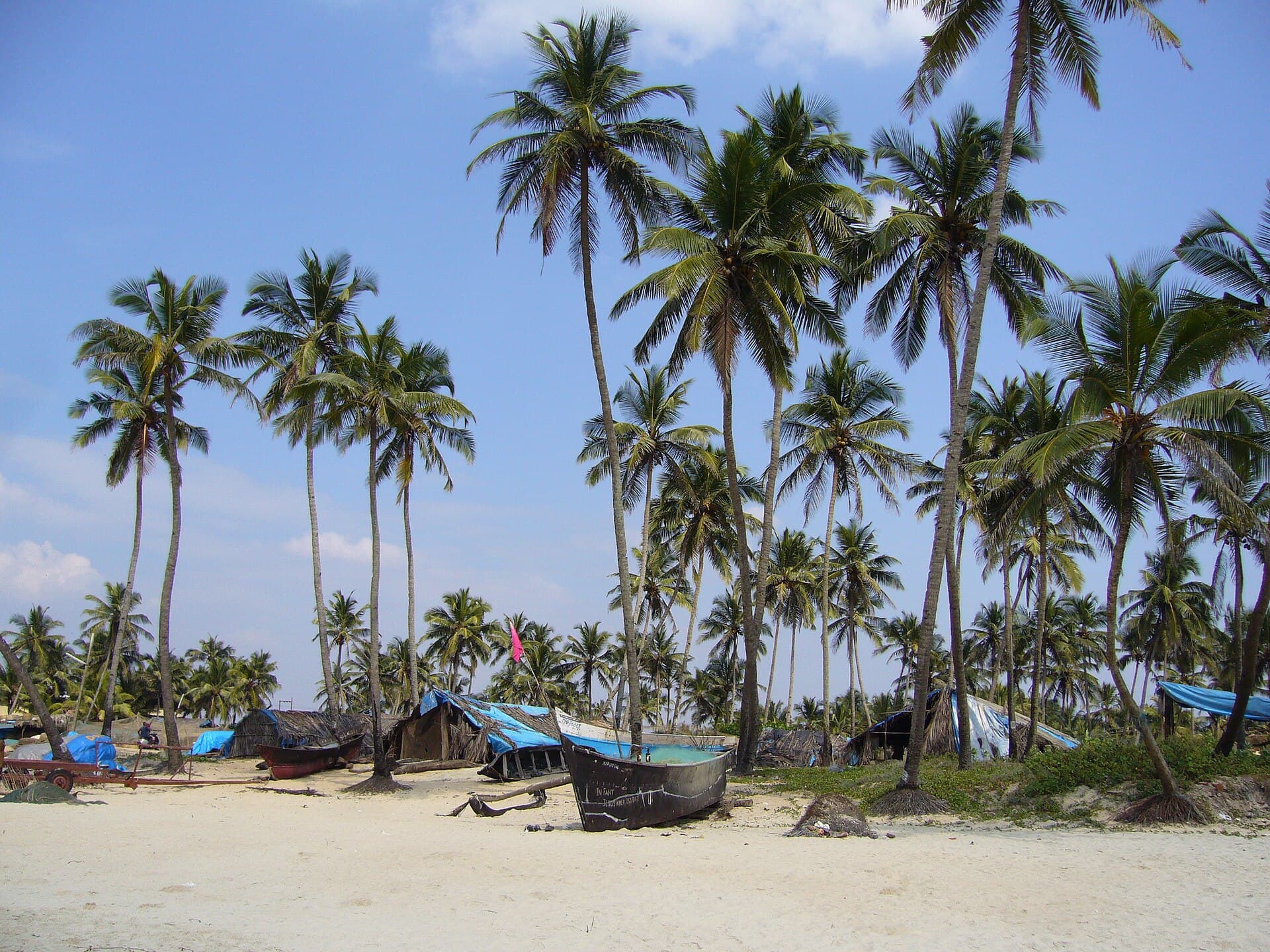
Goa is best visited from mid-November to mid-March during the dry season. Climate is perfect: 22-32 °C by day, 18-24 °C at night, moderate humidity (60-75%), blue sky, warm sea (27-28 °C) and calm, refreshing afternoon trade winds. It's also absolute high tourist season: hotel rates explode (+50-100% over low season), European charters land, beach shacks come alive. Book accommodation 3-6 months ahead for Christmas-New Year.
December and early January are the insane peak. February brings Goa Carnival (variable Easter date, 4 days of parades, masks, music, unique Portuguese heritage in India). March marks the end of high season, still perfect climate, declining crowds, intermediate rates.
November and first half of March are the best compromises. Our recommendation: mid-November to early December or March after Carnival.
The hot season (April-May) sees temperatures climb to 33-36 °C and humidity rise to 80%. The monsoon (June-September) transforms Goa. Torrential daily rain, dangerous agitated sea (frequent red flags), dismantled beach shacks, closed beach restaurants, reduced nightlife. It's Goa as locals live it: an authentic season with green landscapes, local festivals (São João June 24, Bonderam Festival Divar Island in August). Hotel rates drop 50-70%.
Read also
- India — complete country guide — Everything to know: mandatory e-Visa, currency, regions, best time to visit.
- Kerala & South — The other Indian coast: Alleppey backwaters, Munnar plantations, quieter Varkala beaches.
- Mumbai & Maharashtra — Mumbai, Ellora and Ajanta — neighbouring financial metropolis and cultural UNESCO caves complement.
- Delhi & Rajasthan — Golden Triangle and palaces: combine with Goa for north culture + south-west beaches.