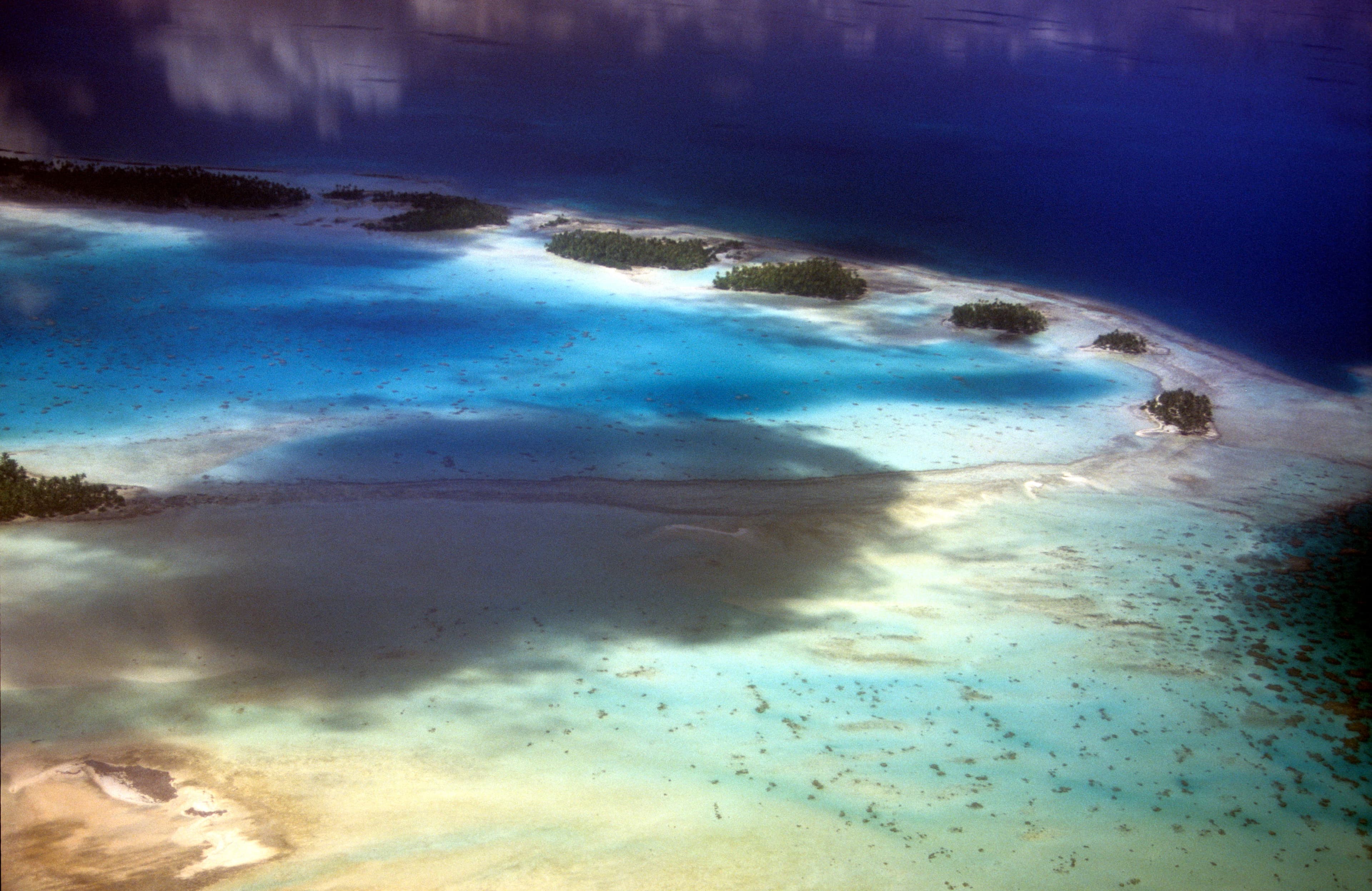
The Tuamotus can be visited year-round thanks to the equatorial tropical climate — stable temperatures (24-30 °C) and always warm sea (26-30 °C). But the dry season (May to October) is strongly preferable for diving: maximum underwater visibility (30-50 m), more stable conditions in the passes, dry climate and refreshing trade winds.
The absolute peak for divers falls in June-July with two major events: the camouflage grouper aggregation at Fakarava (around the full moon, 18,000 individuals concentrate in the south pass to spawn — one of the world's greatest underwater spectacles, documented by Laurent Ballesta in '700 Sharks in the Night'), and the humpback whale season that crosses the zone (occasionally observable from the dive boat at Rangiroa). This is also high tourist season: rising prices, saturated hotel capacity, mandatory bookings 4-6 months in advance.
May and September-October offer the best compromise: optimal diving conditions, intermediate prices, still reasonable crowds. These are our recommended months for a first discovery of the Tuamotus.
The wet season (November to April) brings frequent tropical rain — afternoon thunderstorms, sometimes several consecutive rainy days. Underwater visibility can drop to 15-25 m after rain, and swell in the passes can cancel dives on some days. Cyclone risk is moderate but real from January to March — the Tuamotus are particularly vulnerable to tropical cyclones (flat atolls with maximum 5 m elevation). The upsides: reduced hotel rates outside year-end holidays, intimate atmosphere, often deserted lagoons.
Read also
- Rangiroa, the giant of the Tuamotus — Second largest atoll in the world, Tiputa pass and legendary diving with dolphins.
- Fakarava, UNESCO Reserve — Biosphere Reserve, wall of grey reef sharks at the south pass, grouper spawning in June-July.
- Society Islands — Tahiti, Moorea and Bora Bora: the main tourist archipelago to combine with the Tuamotus.
- French Polynesia — Complete territory guide: 5 archipelagos, formalities, budget, best time.