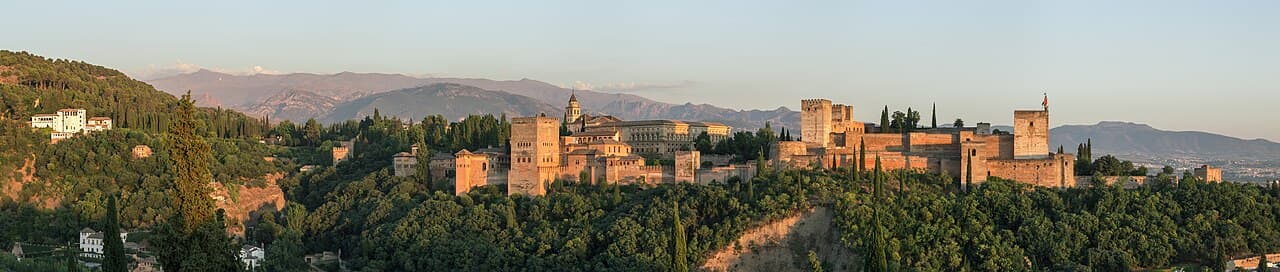
Travelling in Spain is generally excellent value by Western European standards — prices sit noticeably below France and Italy for a comparable level of quality, outside the Balearic Islands and Barcelona's premium zones in summer. The reference budget of €95 per person per day assumes a comfortable trip as a couple: a three-star hotel or characterful hostal at €60-100 per night for two, a neighbourhood tapas lunch (€12-20 per head) and dinner in a solid restaurant (€25-45), plus a museum entry and local transport.
A budget traveller can manage on €50-65 a day: hostel dorm or simple guesthouse at €15-30, the outstanding-value menú del día at lunch (€10-16 for a full three-course meal with drink, served only at lunchtime in local bars), free walking and low-cost urban buses. Many major museums offer free admission at specific times — the Prado and Reina Sofía are free after 6pm on weekdays and all day Sunday from 5pm; Barcelona's MNAC and MACBA have similar policies. Check before queuing.
At the luxury end, Spain's paradores — the state-owned network of hotels installed in historic castles, monasteries and palaces — offer a genuinely singular experience at €120-250 per night, punching well above their price point in terms of architecture and atmosphere. The top boutique hotels in Seville, Granada and San Sebastián rival the best in Europe, while a multi-course tasting menu at a Basque starred restaurant (Arzak, Mugaritz, Azurmendi) runs €150-250 per person.
By spending category: accommodation (30-35%) ranges from a hostel bunk at €15-25 to a parador or boutique hotel at €130-300. Food and drink (25-30%): café con leche €1.50, menú del día €10-16, tapas meal €15-25 per person, fine dining €50-150. Museum entries (10%): Prado €15, Reina Sofía €12, Alhambra €19 (advance booking essential — tickets sell out weeks ahead), Sagrada Família €26-36, many municipal museums free. Internal transport (15%): AVE Madrid-Barcelona €30-90 depending on date, intercity bus €10-25, car hire from €25-40/day.
A few practical pointers. Tipping is not expected but appreciated: round up in bars, leave 5-10% at sit-down restaurants. The menú del día is your single best value tool — use it for every lunch. Book the Alhambra weeks ahead on the official website (alhambra-patronato.es): there is no on-the-day alternative if it sells out. A local SIM is unnecessary for EU visitors whose home plan includes EU roaming; for longer stays, Orange Spain, Vodafone ES and Movistar offer prepaid bundles from €10.
Read also
- Catalonia: Barcelona and the Costa Brava — The Sagrada Família, Park Güell, the Boqueria and the wild coves of the Costa Brava.
- Andalusia: Seville, Granada and Córdoba — The Alhambra, the Mezquita, flamenco and the white villages of the deep south.
- Castile and Madrid — The Prado, the Reina Sofía, Toledo and the castles of the Castilian plateau.
- Basque Country: San Sebastián and Bilbao — Pintxos bars in the Parte Vieja, Gehry's Guggenheim and La Concha beach.
- Balearic Islands: Mallorca, Menorca, Ibiza — Crystal-clear calas, hidden coves and legendary nightlife in the western Mediterranean.