Europe
Croatia
1,244 islands, 6 UNESCO sites, 8 national parks: Croatia packs into 56,000 km² a Mediterranean intensity no other country can quite match.
- Capital
- Zagreb
- Currency
- Euro (EUR)
- Languages
- Croate
- Budget
- Mid-range travel from around €90/day/person; budget travellers can manage on €55-70, comfort travel on €150-250
Croatia at a glance
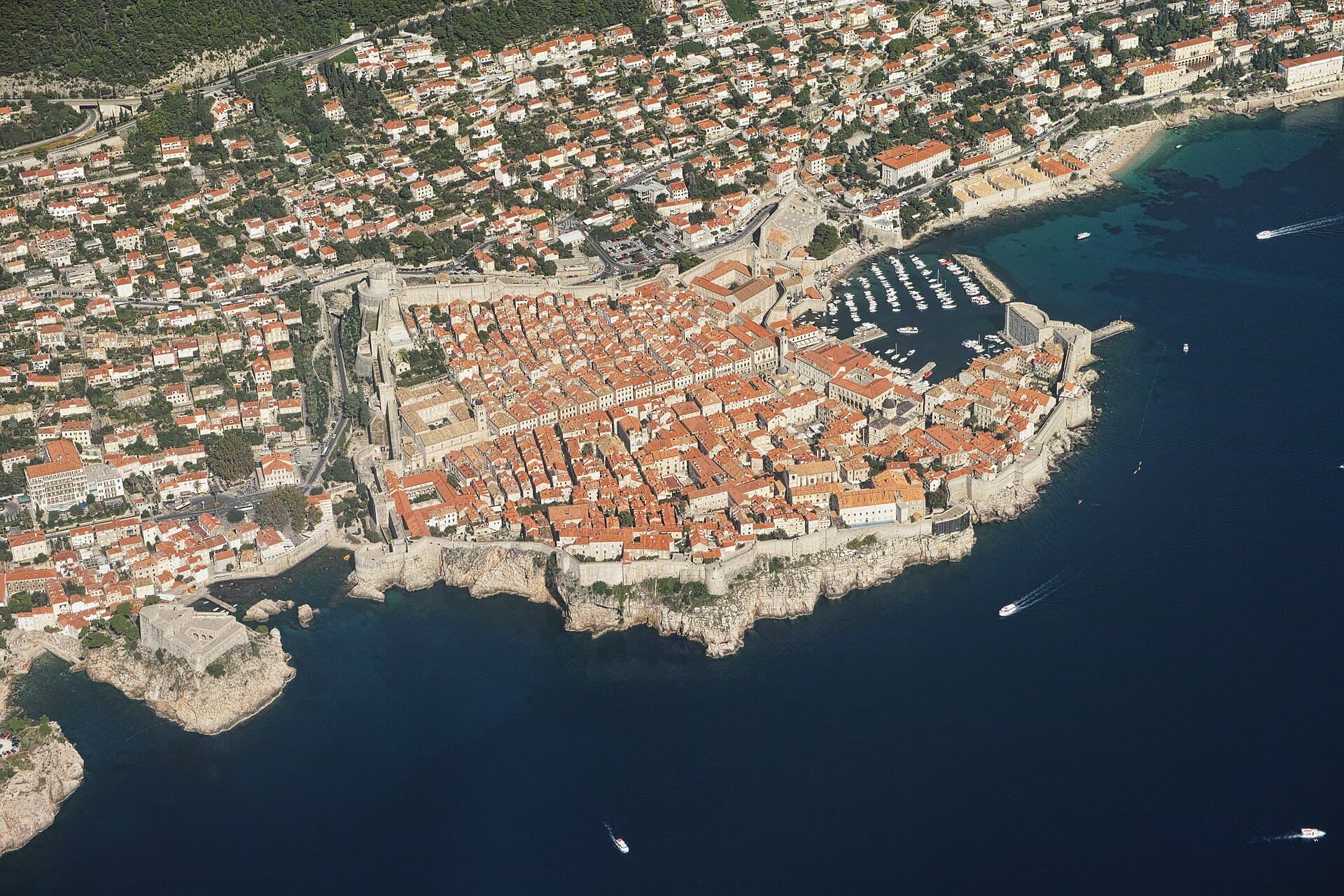
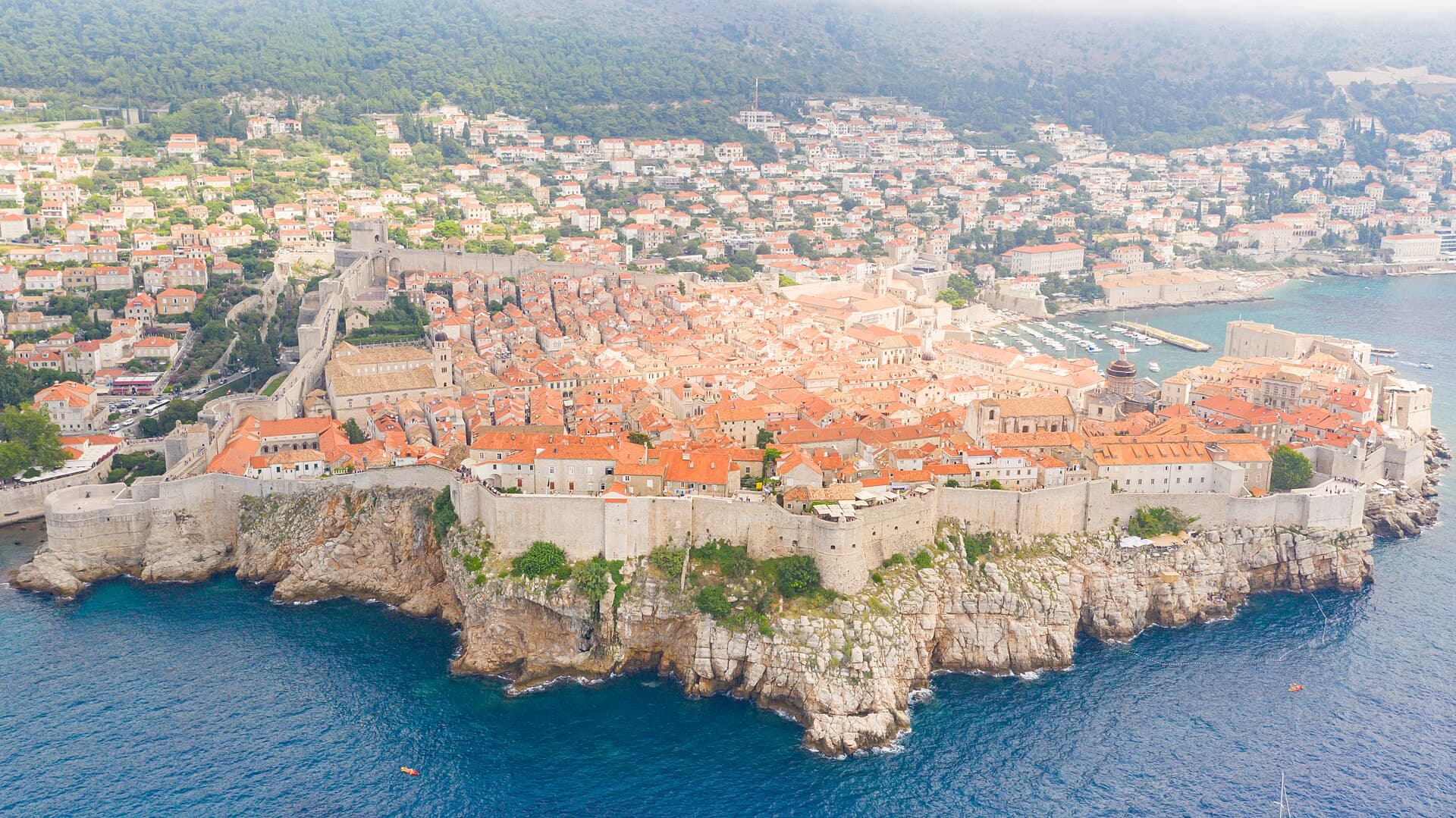
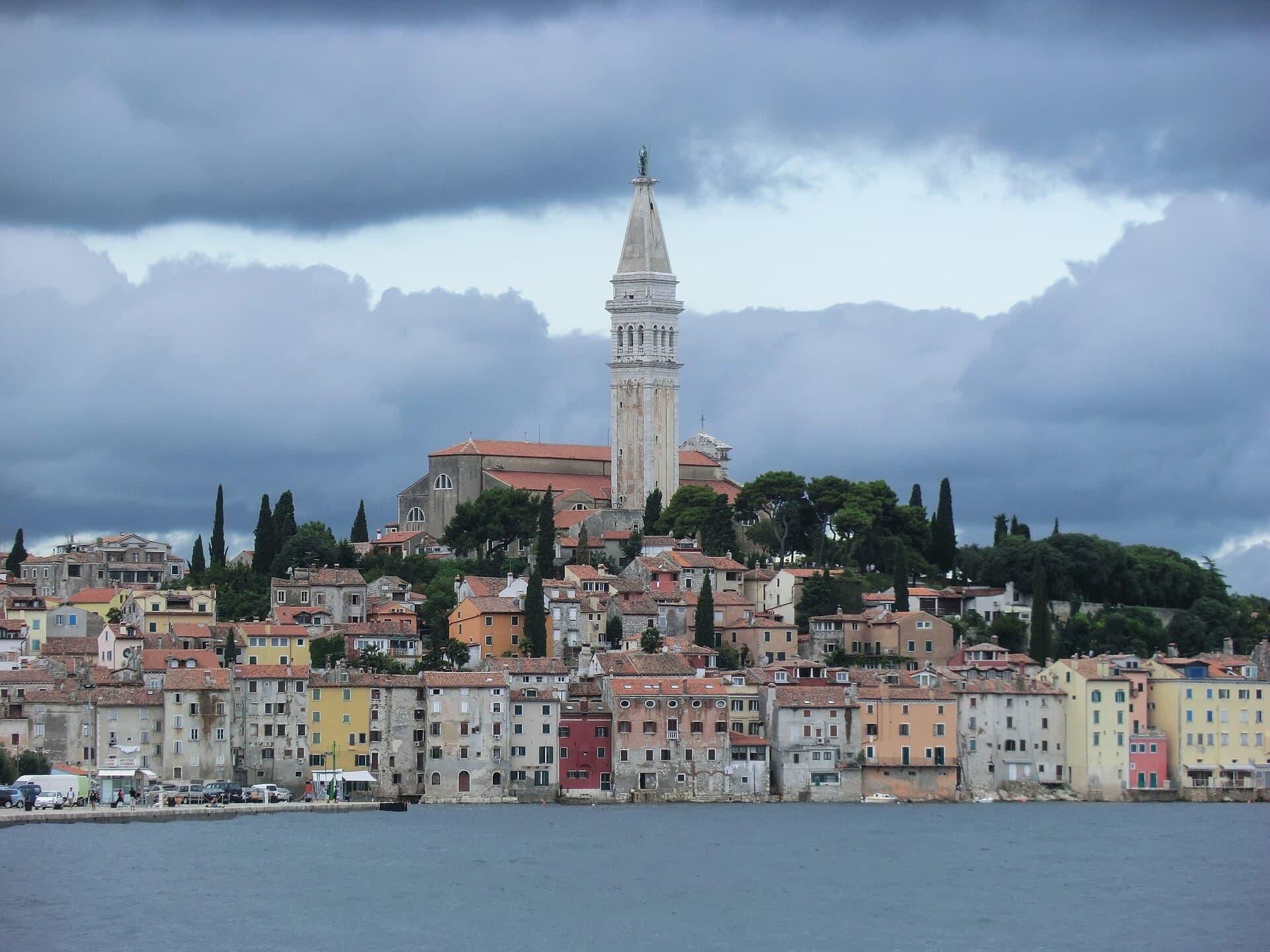
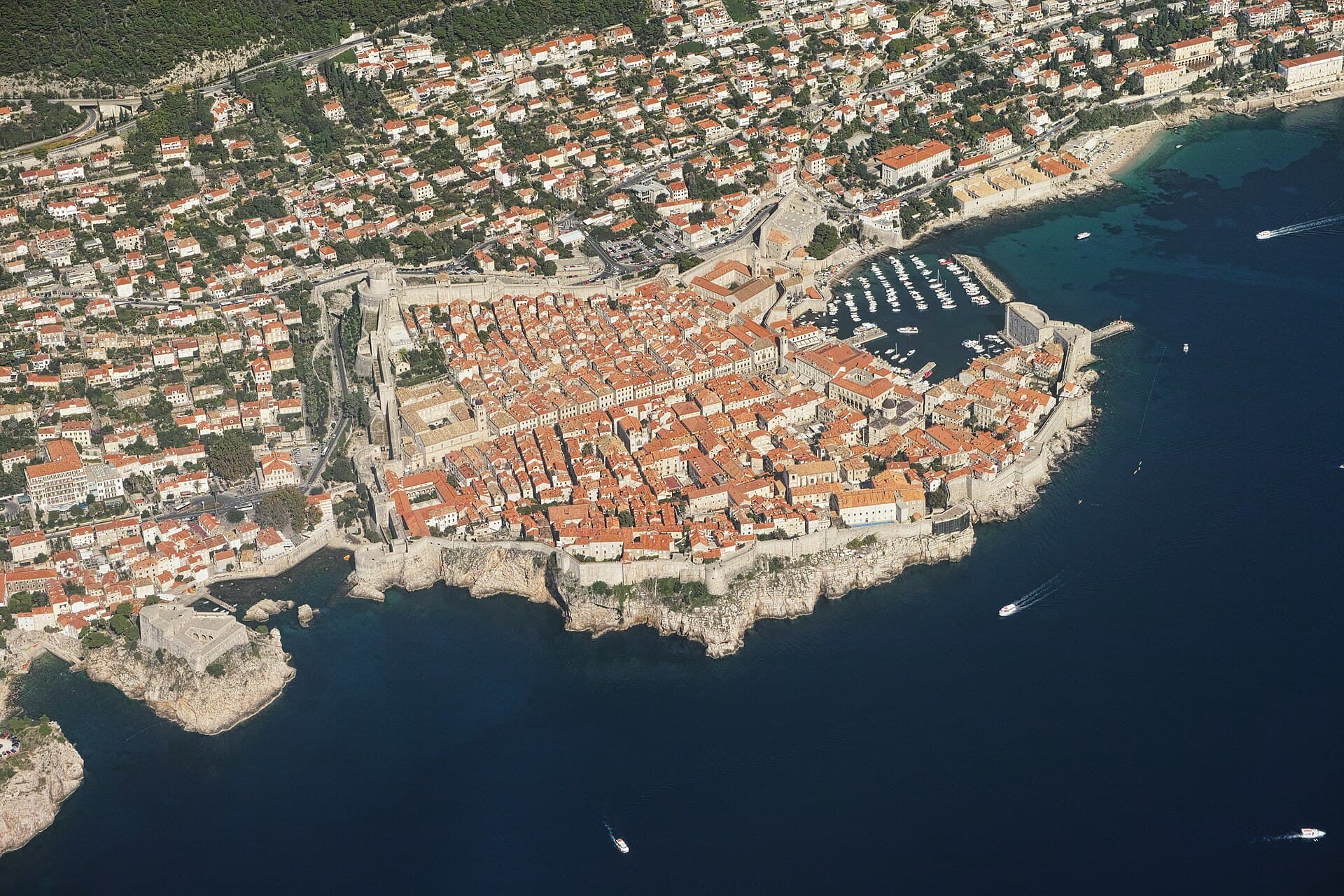
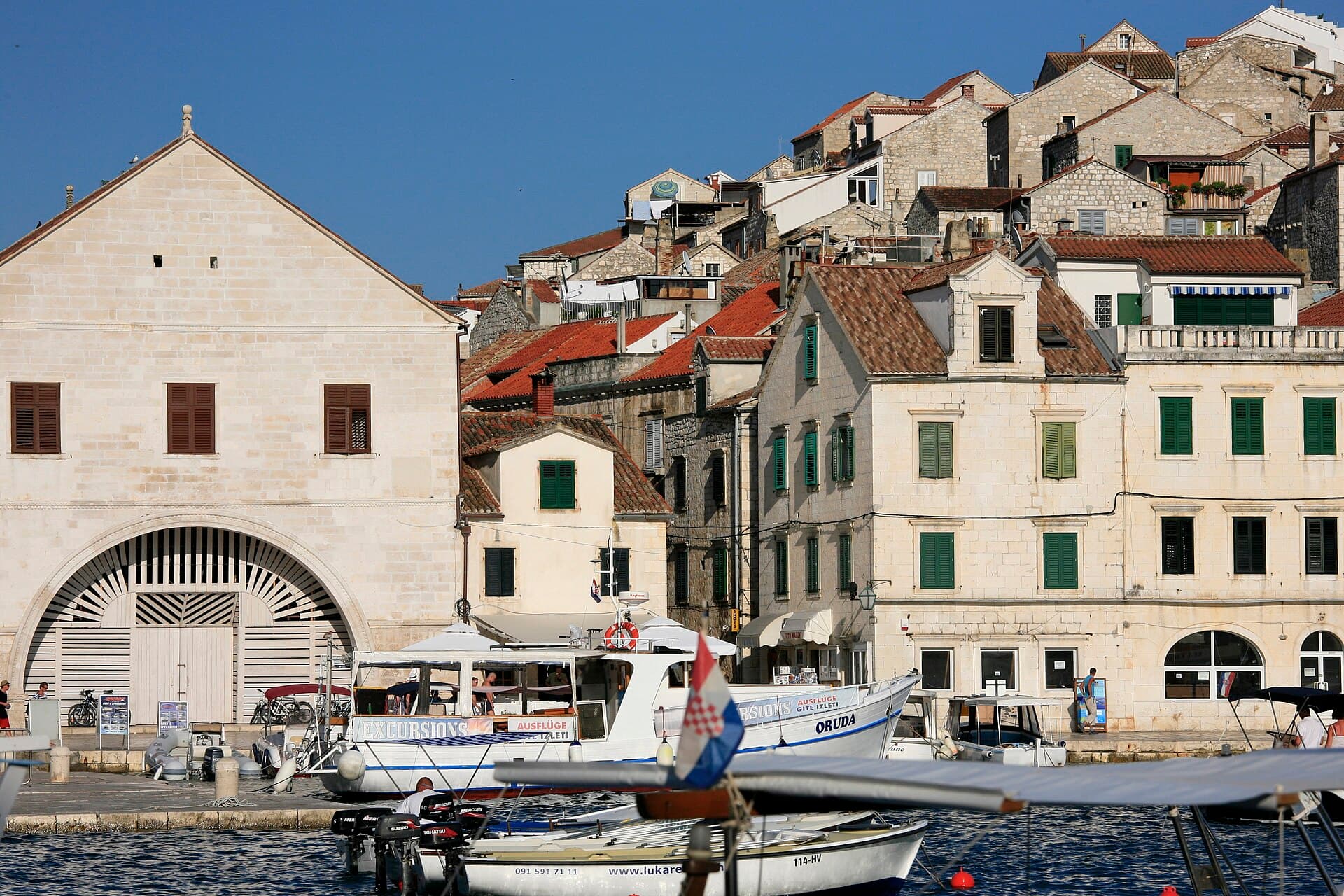
Croatia stretches 1,777 km along the Adriatic (5,835 km counting the islands), from continental Istria in the north — a heart-shaped peninsula extending Italy in spirit, with its white truffles, hilltop stone villages and malvasia vineyards — to the southern Dalmatian coast and Dubrovnik, the UNESCO-walled "Pearl of the Adriatic". Between them, 1,244 islands, islets and reefs scatter the Adriatic Sea: Hvar and its lavender fields, medieval Korčula, Brač and its white stone quarries, authentic Vis, Mljet and its national park, the Elafiti Islands and the Kornati archipelago — a sailing labyrinth unmatched in the Mediterranean.
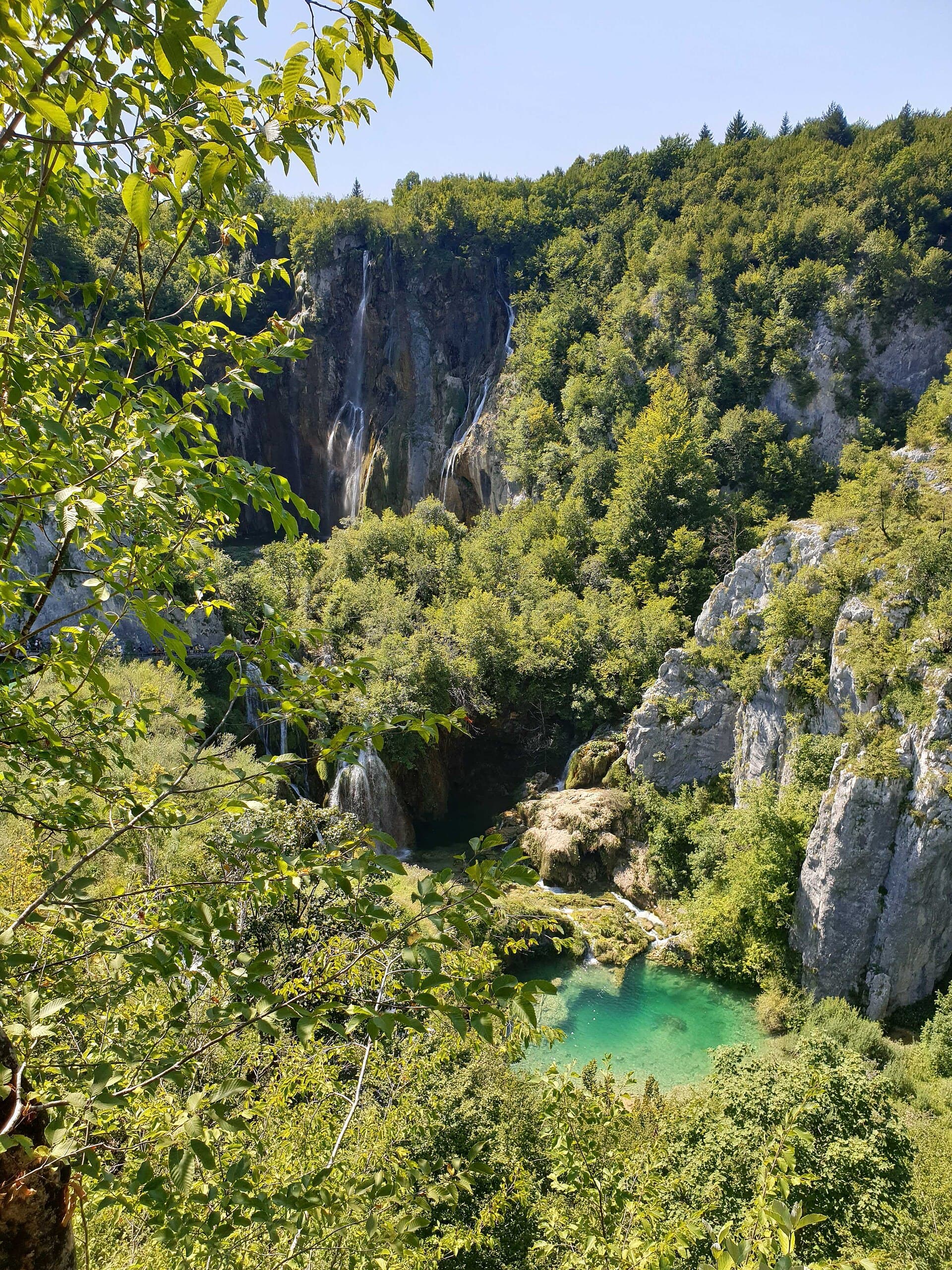
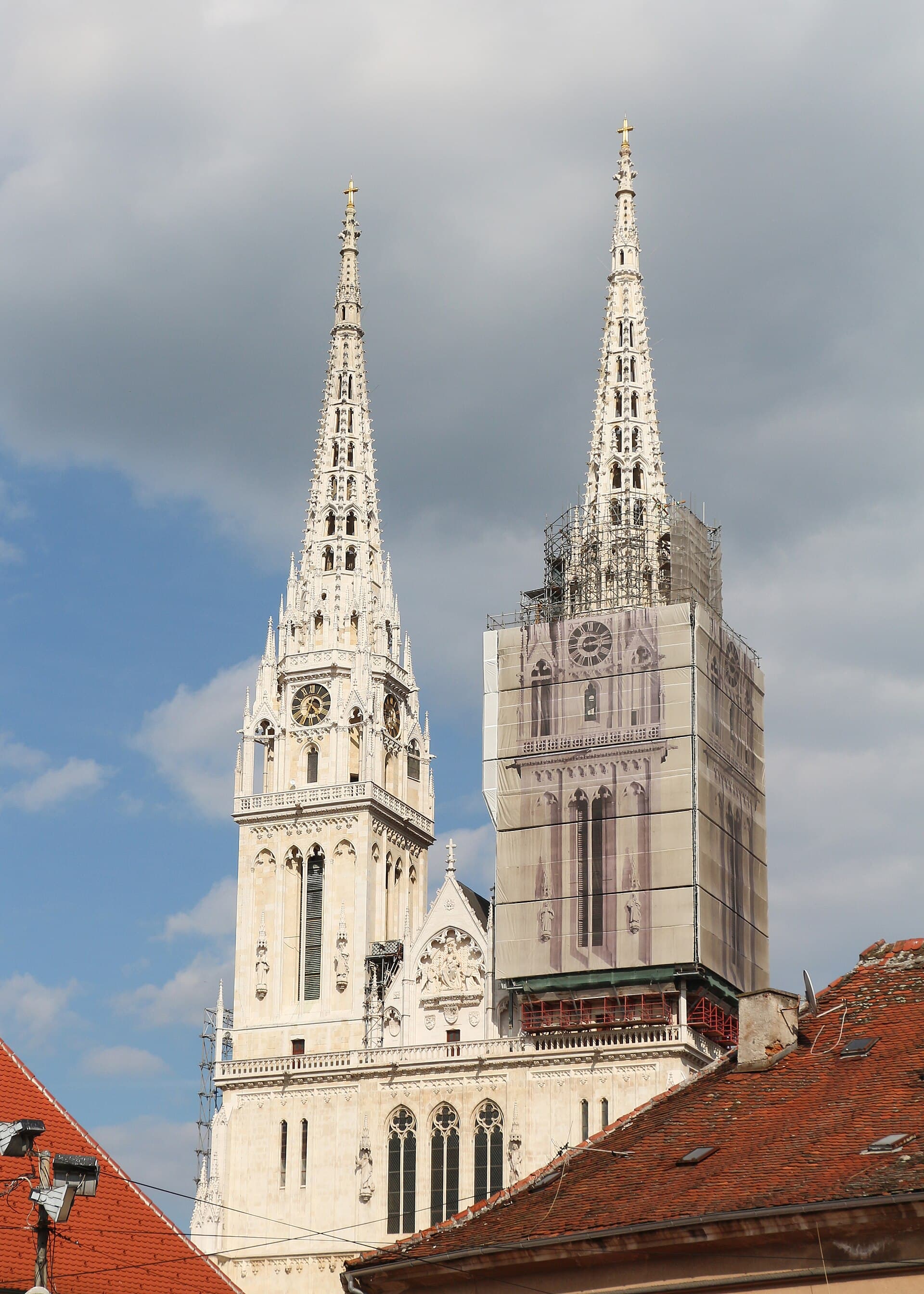
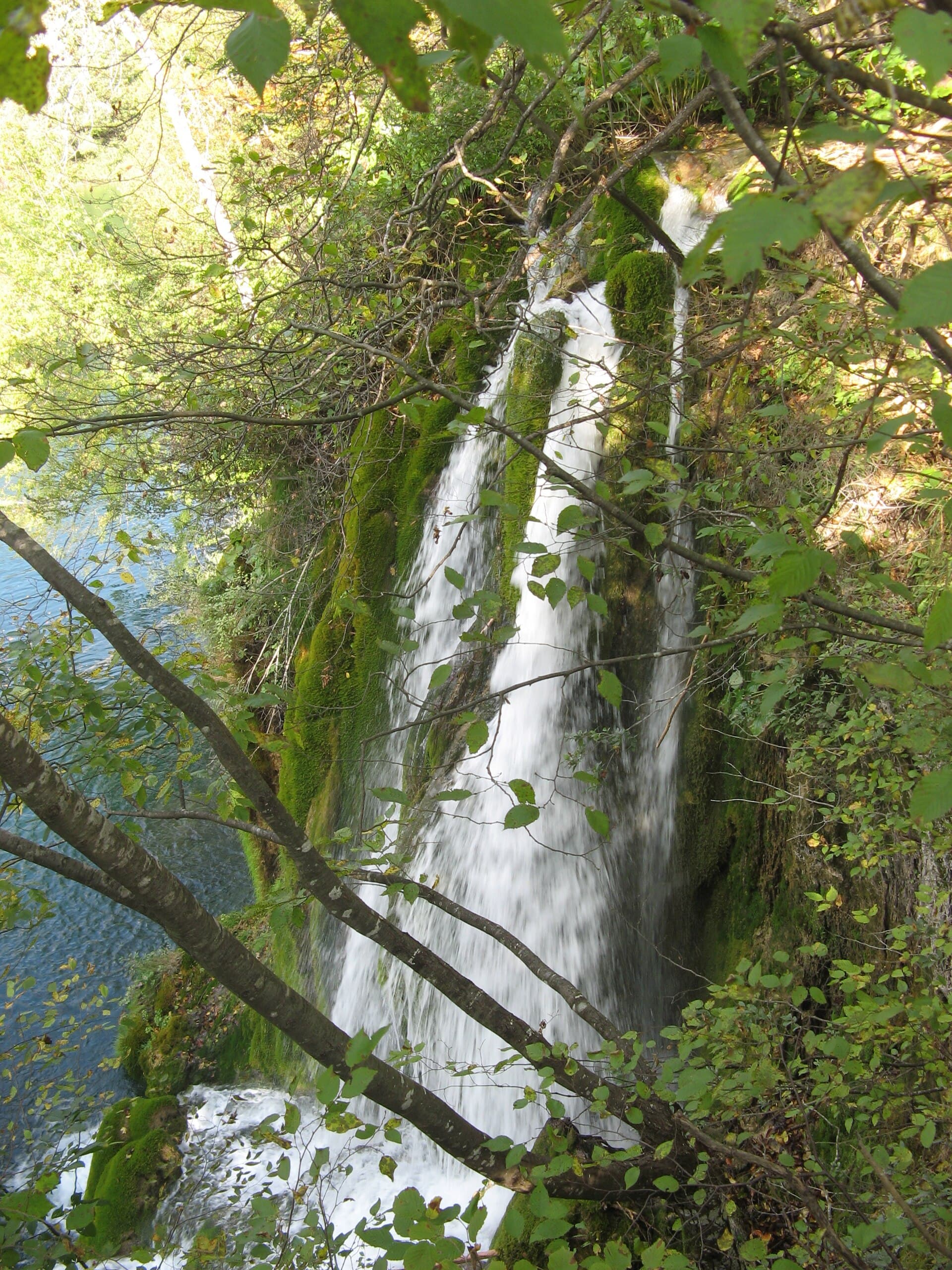
Inland, Croatia delivers landscapes of a different order: the cascading turquoise lakes of Plitvice (UNESCO since 1979), the Cetina canyon, the natural parks of Krka and Paklenica, the karst plateaus of Lika and the green Mura Valley. The inland capital Zagreb keeps a Mitteleuropean atmosphere inherited from the Austro-Hungarian Empire — coffee houses, open-air markets, original museums like the Museum of Broken Relationships.
Independent since 1991 after a painful war (1991-1995), an EU member since 2013, and part of Schengen and the eurozone since 2023, Croatia has accomplished a spectacular transformation in three decades. It now ranks among Europe's fastest-growing tourist destinations — with the challenges that entails: Dubrovnik overrun (up to 10,000 visitors per day in July-August for 1,200 inner-city residents), prices rocketing on Hvar and Korčula. The country more than ever deserves a visit in May-June or September, and rewards travellers who venture beyond the Dubrovnik–Hvar–Split trio to lesser-known islands like Vis, Lastovo, Cres and Lošinj.
What we love
- ✅1,244 islands: Europe's densest archipelago, paradise for sailors and cruisers
- ✅Exceptional UNESCO heritage: Dubrovnik, Split, Trogir, Šibenik, Plitvice, Stari Grad
- ✅Crystalline Adriatic Sea with 30 m visibility, ideal for diving and snorkelling
- ✅Underrated gastronomy: Istrian white truffle, award-winning olive oils, wines (malvasia, plavac mali), traditional peka
- ✅High safety, modern tourism infrastructure, English widely spoken on the coast
What to know
- ❌Overtourism in Dubrovnik and Hvar July-August (up to 4 cruise ships/day in Dubrovnik)
- ❌Sharp price rises since the euro switch in 2023 (hotels +20-30% vs 2019)
- ❌Car recommended to explore inland and national parks, but inconvenient inside walled cities
- ❌Harsh continental winter in Zagreb and inland (snow, -5 to 5 °C in January)
Explore Croatia
Our itineraries
View all itineraries →7 days7 days Dalmatia: Split, Hvar, Dubrovnik — the classic coast in a week
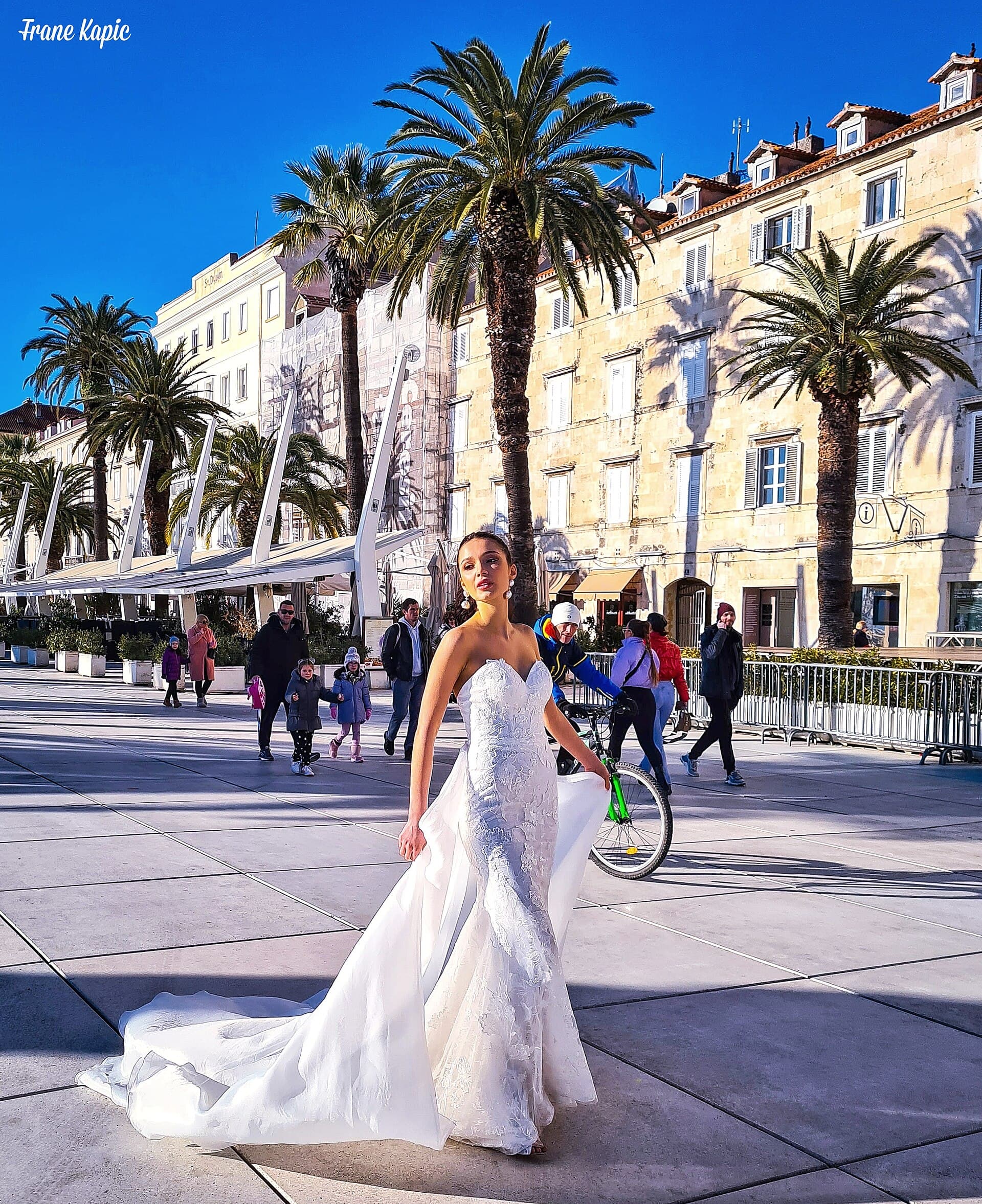
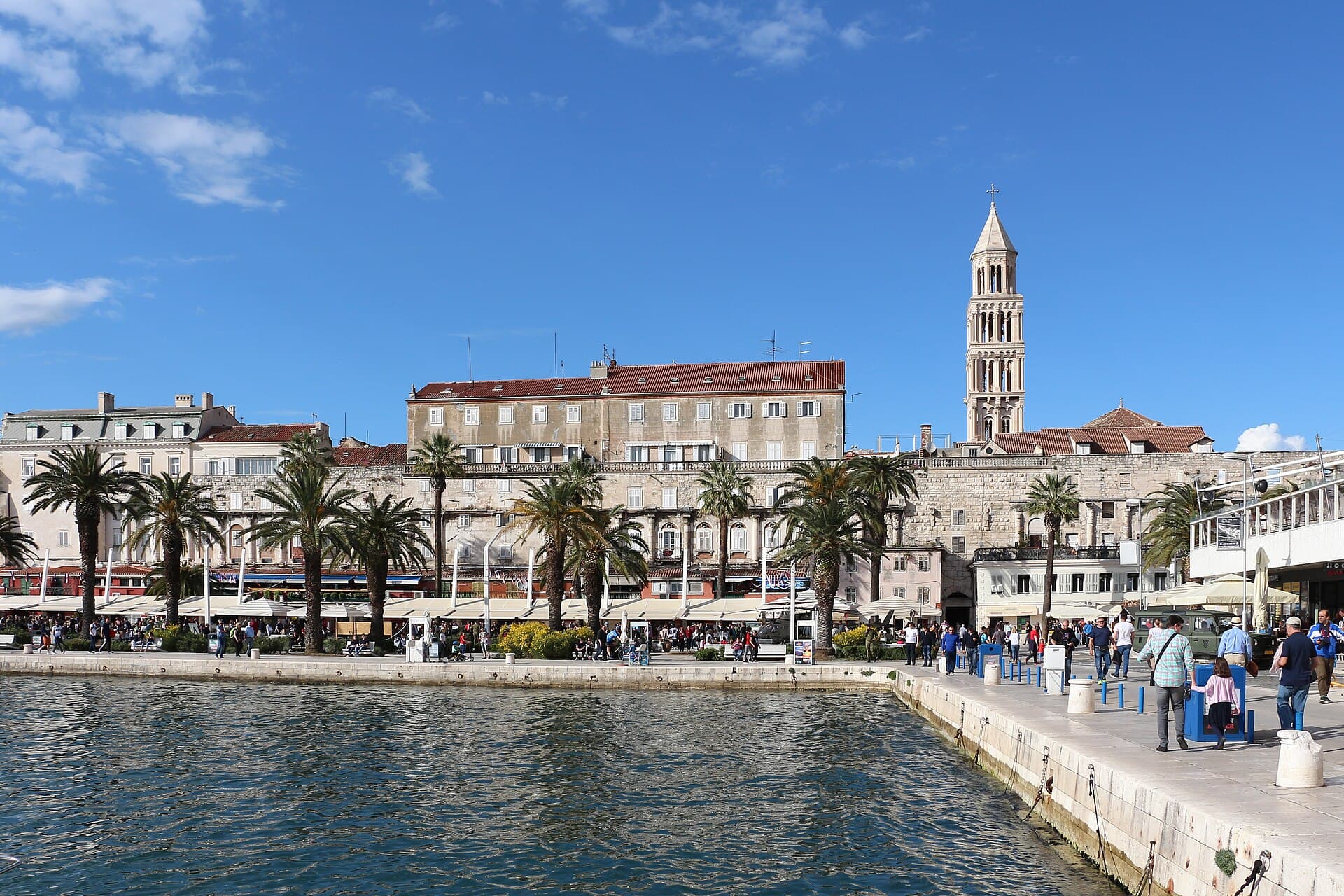
A week to discover the essentials of the Dalmatian coast — Split and Diocletian's Palace, Hvar and its lavender fields, Dubrovnik and its UNESCO walls. The most iconic Croatia itinerary in 7 days.
10 days10 days Croatia: Istria + Plitvice + Central Dalmatia (Pula, Rovinj, Split, Hvar)
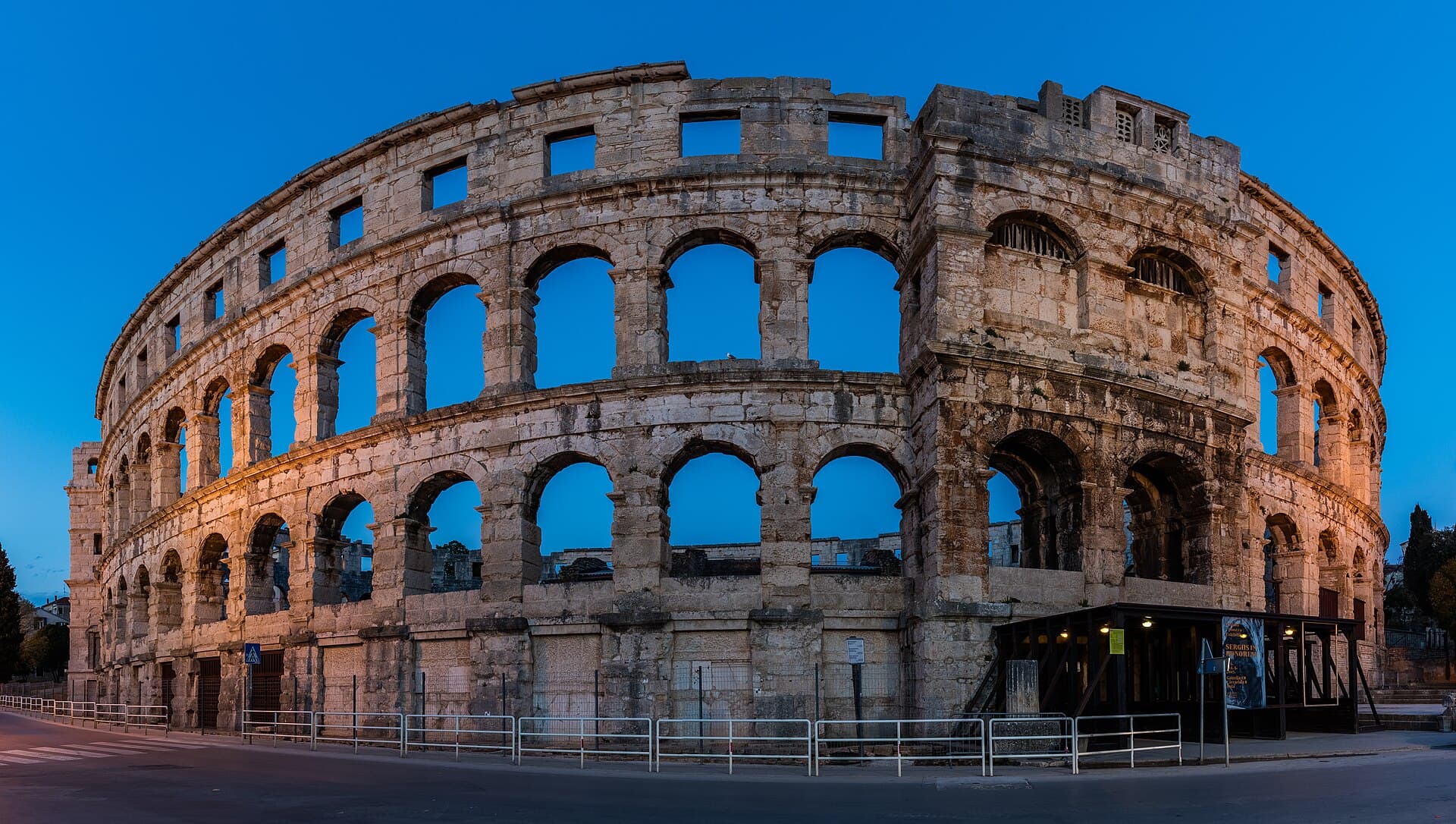
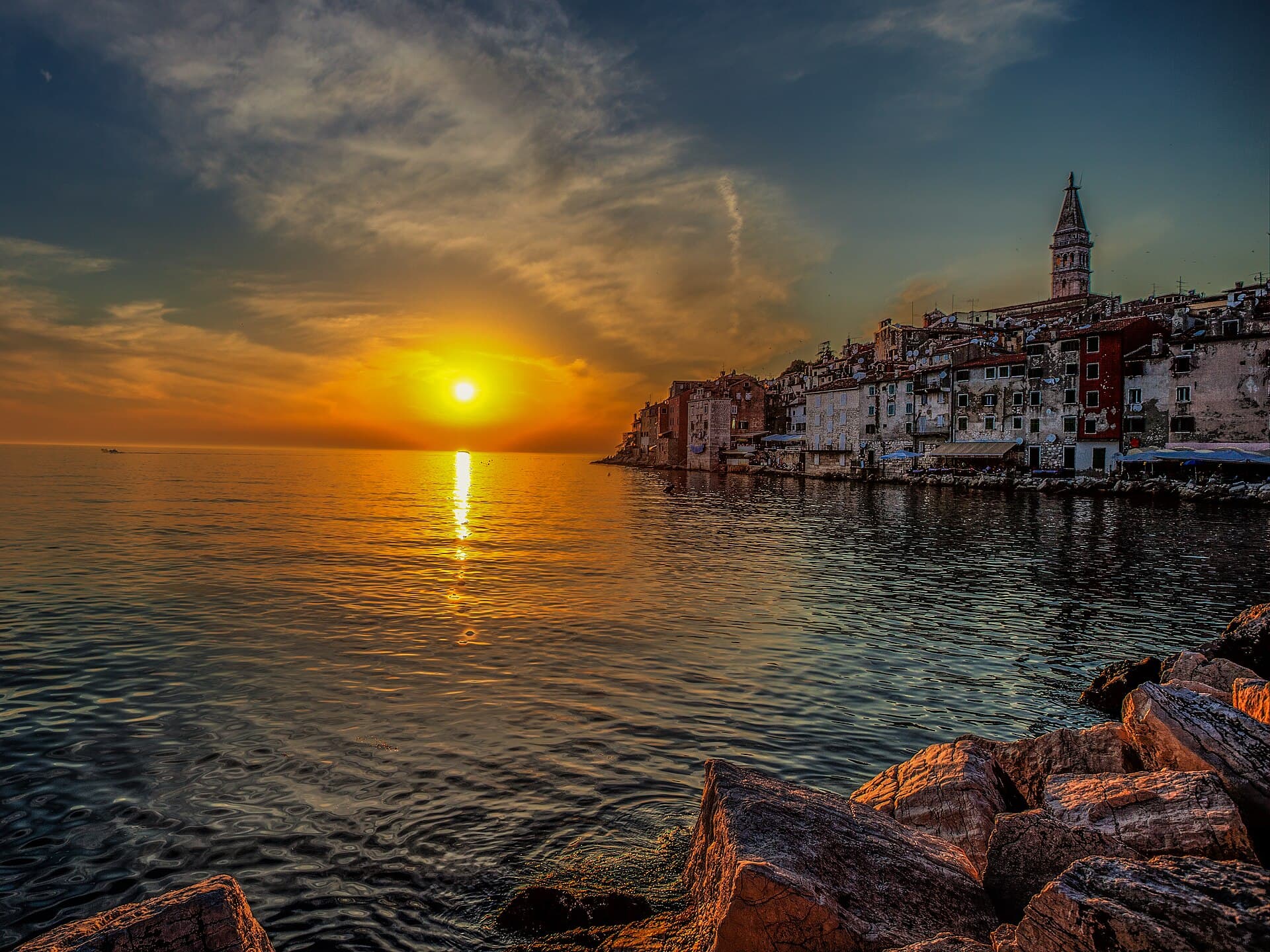
Balanced Istria and Central Dalmatia combination in 10 days — Pula and its amphitheatre, Venetian Rovinj, Plitvice and its turquoise lakes, then Split, Trogir and Hvar. Pula arrival → Split return, car for Istria and Plitvice.
14 days14 days Grand Tour of Croatia: Zagreb, Istria, Plitvice, Dalmatia, Dubrovnik
The grand tour of Croatia in 2 weeks — Zagreb the capital, Italianate Istria, Plitvice and Krka, Zadar and Split, Hvar and Korčula, Dubrovnik. 6 UNESCO sites, 2 national parks, 3 iconic islands.
Regions
Popular spots
Situation
Où se situe Croatia ?
Ouvrir la carte en grand sur OpenStreetMap →Frequently asked questions
La carte d'identité suffit-elle pour aller en Croatie ?+
Faut-il louer une voiture en Croatie ?+
Quand visiter pour éviter la foule à Dubrovnik ?+
La Croatie est-elle chère depuis l'euro ?+
Quelles sont les plus belles îles croates ?+
Our verdict
In two decades, Croatia has emerged as one of the Mediterranean's headline destinations — deservedly so. Exceptional cultural heritage (Dubrovnik, Split, Trogir and Šibenik are all UNESCO-listed), a crystalline Adriatic coast scattered with 1,244 islands, and national parks of rare beauty (Plitvice, Krka) make it a travel proposition that is hard to beat two hours from Paris or London. The constraints are real — Dubrovnik and Hvar overrun in high season, prices rising since the 2023 euro switch — but they are easily sidestepped by visiting in May-June or September and favouring the less-known islands (Vis, Cres, Lošinj, Mljet). Croatia delivers on every promise: it is one of the most rewarding discoveries available to a European traveller today.
Similar destinations

Expert on Croatia · 1 contributions
 Mediterranean Desk — Mowando·Editor