Mowando

Region

Northern Dalmatia

The region of __Croatia's national parks__ — Plitvice, Krka, Kornati, Paklenica — combined with two of the finest historic cities on the Adriatic: the most diverse and least crowded coast in Dalmatia.

4.80

Northern Dalmatia is probably the most underrated region of Croatia in the general public's eyes, eclipsed by Dubrovnik to the south and Split to the centre. Yet it concentrates the finest national parks in the country, two of the most beautiful historic cities on the Adriatic, and a coast so indented it accounts for nearly half of all Croatian islands.

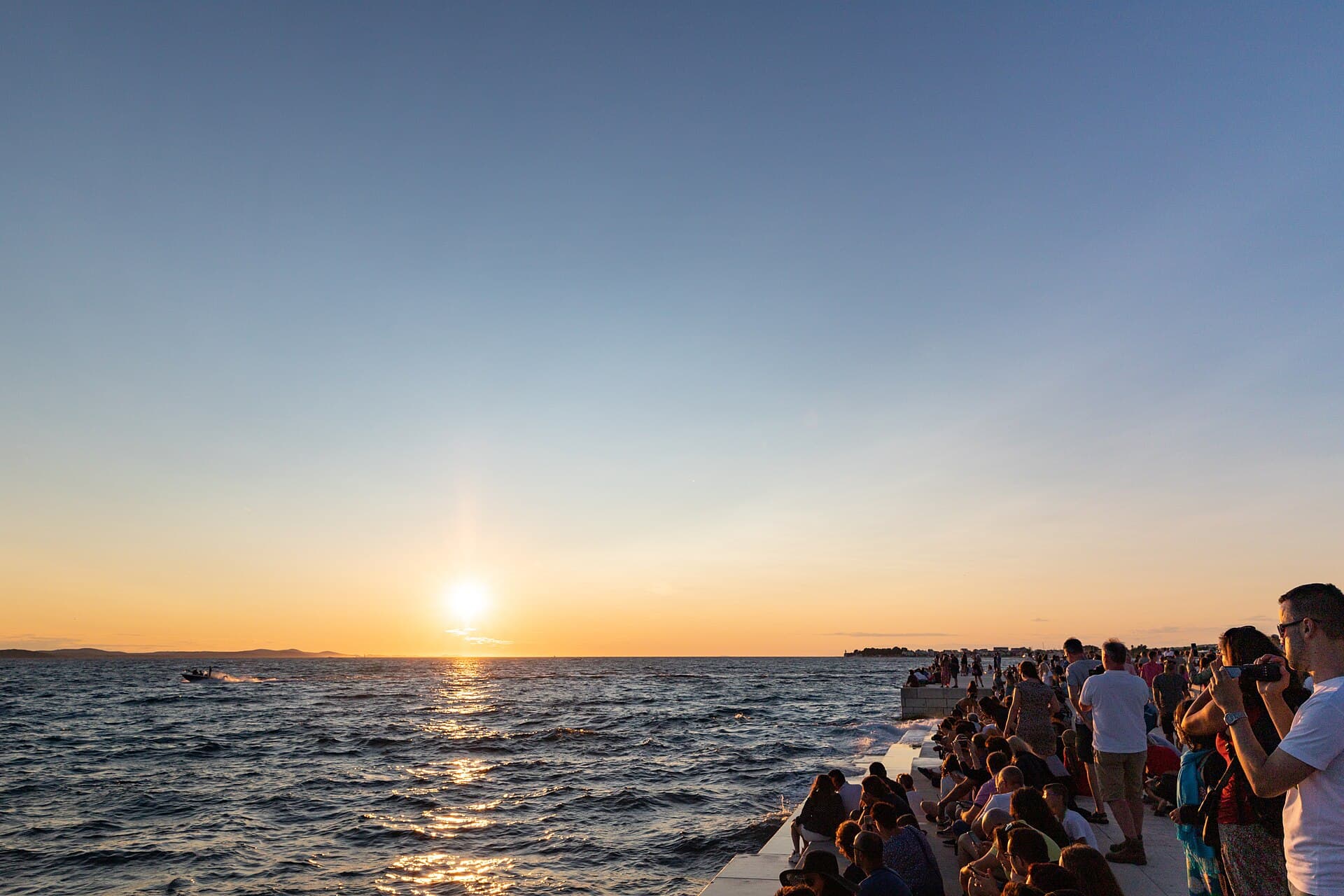
Zadar, the former Byzantine and Venetian capital of Dalmatia, is a revelation for anyone expecting a mere stopover. Its historic peninsula, fortified and protected by UNESCO-listed sixteenth-century walls, preserves a Roman forum (with a 'pillar of shame' still in place), a ninth-century Byzantine rotunda (the Church of Saint Donatus, one of the most important pre-Romanesque buildings in the Balkans) and a first-rate museum of sacred art. But the city's contemporary soul plays out on Alfred Hitchcock's quay (he called its sunset 'the most beautiful in the world') where architect Nikola Bašić installed two unique works: the Sea Organ (Morske orgulje), an instrument that turns the movement of waves into melody, and the Greeting to the Sun (Pozdrav suncu), a 22-metre luminous disc that lights up at dusk.

Šibenik, 1h30 to the southeast, is the only major Adriatic city founded by Croats themselves (not by Romans, Venetians or Greeks). Its Saint James Cathedral, UNESCO-listed, is an absolute masterpiece of Gothic-Renaissance architecture: built entirely of local stone without any mortar or wooden framework, with a technically unique dome, it was raised by Juraj Dalmatinac and Niccolò Fiorentino in the fifteenth century. Four fortresses dominate the city and offer striking panoramas of the Krka delta from their heights.

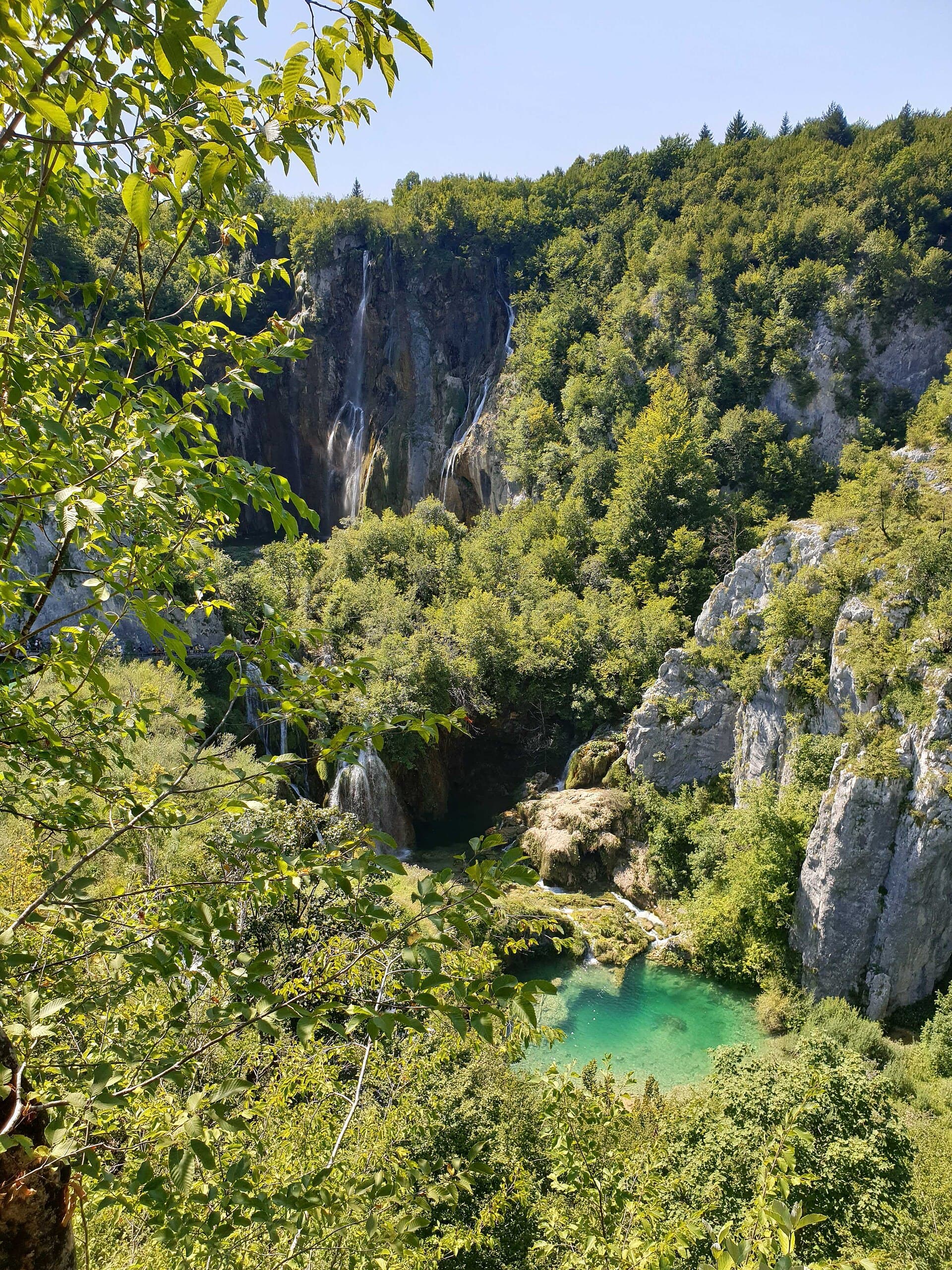
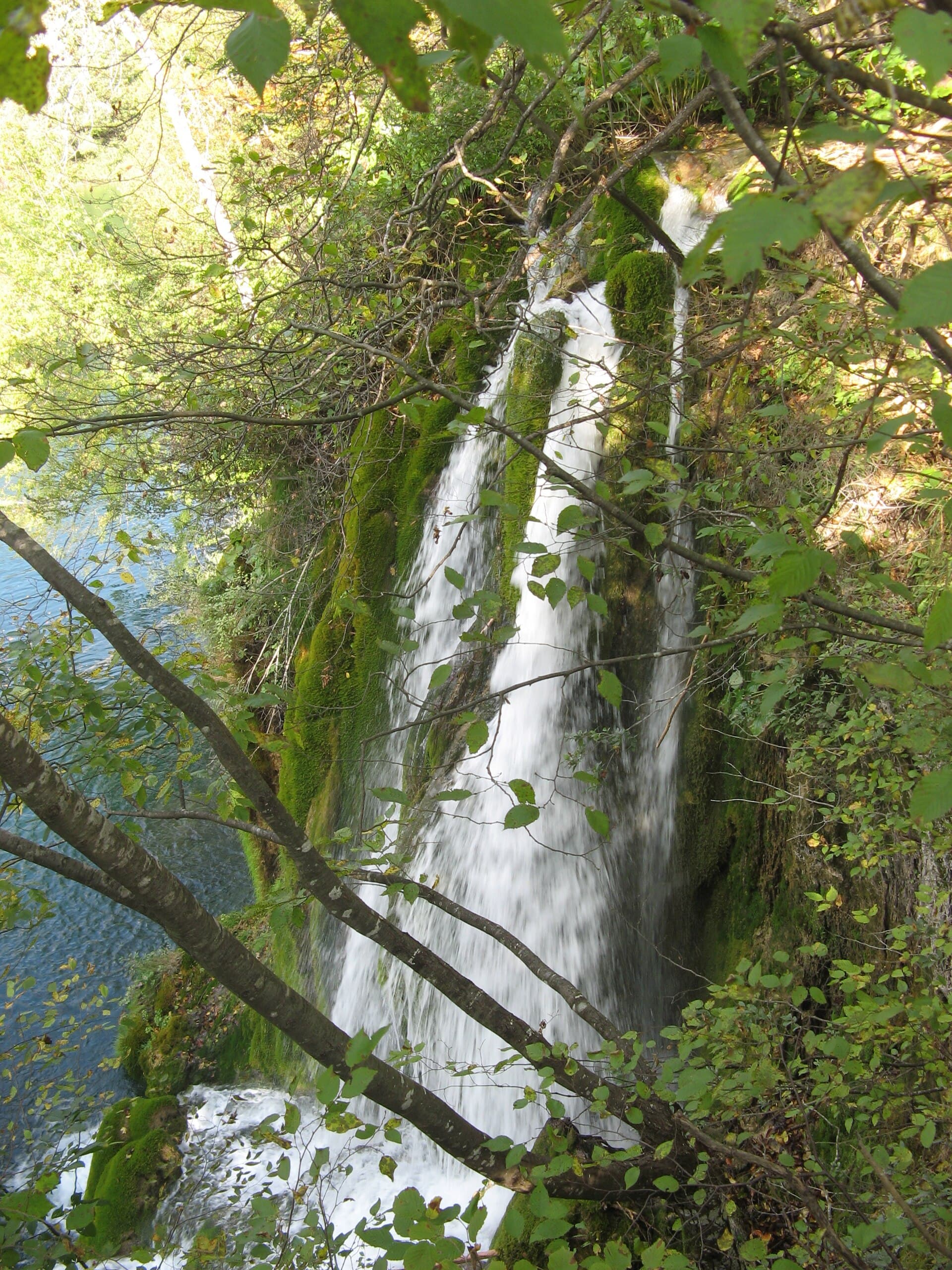
The national parks are the region's other strong identity. Plitvice, UNESCO-listed, is one of the most beautiful aquatic ensembles in Europe: 16 lakes terraced in steps, linked by travertine waterfalls, in a mountain cirque covered with beeches and firs. Krka, 1h from Zadar, offers a different aquatic spectacle — seven main falls on the Krka river, including the famous Skradinski buk, and the monastic islet of Visovac. The Kornati archipelago, a set of 89 bare limestone islands and islets, is a lunar landscape unique in the Mediterranean, accessible only by boat from Murter or Zadar. And the island of Pag, connected to the mainland by a bridge, is famous for its sheep cheese (Paški sir), its ancient salt pans and its bare landscapes battered by the bora wind.

Explore Northern Dalmatia

Spots in the region
Situation

Où se situe Northern Dalmatia ?

Ouvrir la carte en grand sur OpenStreetMap →

Frequently asked questions

How many days do you need to visit Northern Dalmatia?+
Plan for at least seven days for a balanced experience: two nights in Zadar (historic centre, Sea Organ, markets), one night at Plitvice (early morning visit), one night in Šibenik (Saint James Cathedral, Saint Michael and Barone fortresses), one night in the Krka region and two nights on an island (Pag, Dugi Otok or Murter for the Kornati). With ten days, add Paklenica National Park (canyons and hiking) and an extra night on the Kornati for an overnight by boat.
Should you visit Plitvice or Krka — or both?+
Both parks are magnificent but very different. __Plitvice__ (UNESCO) is a mountain cirque of 16 terraced lakes connected by travertine waterfalls at the heart of a mixed forest — a more alpine, cooler, more spectacular landscape overall. It is visited on foot via wooden boardwalks (3-4h for circuit C, 6-8h for the full H circuit) and requires at least a half-day. __Krka__ is more accessible (1h from Šibenik) and more compact, with seven main falls and the monastic islet of Visovac — allow 3-4h. If you can only choose one, choose Plitvice for its overall visual impact. If you have time, do both on separate days.
Can you still swim in the Krka waterfalls?+
__No__, since 1 January 2024 swimming is banned in Krka National Park, including the famous Skradinski buk pool. This measure responds to travertine erosion problems and overcrowding. Swimming remains possible in the Adriatic Sea nearby (Sibenik, Vodice, Primošten beaches), in the rivers downstream from the park (Roski slap is outside the strict perimeter) and in several secondary waterfalls in the surrounding hills. Note: swimming has also been banned in Plitvice since 2006.
What is the Sea Organ of Zadar?+
The __Sea Organ (Morske orgulje)__ is a unique architectural and musical work in the world, installed in 2005 on the Alfred Hitchcock quay in Zadar by architect Nikola Bašić. The principle: 35 organ pipes of different calibres are embedded under stone steps facing the sea; each wave pushes air through the pipes, producing notes that compose a random, perpetual and ever-different melody. The result is particularly striking at sunset, combined with the neighbouring __Greeting to the Sun__ (Pozdrav suncu), a 22-metre luminous disc that lights up at dusk. The two works earned Zadar the nickname of 'city where the sea plays music'.
How do you visit the Kornati archipelago?+
The __Kornati archipelago__ (89 limestone islands and islets over 218 km²) is one of the most singular landscapes in the Mediterranean — a maze of bare islands sculpted by winds and bora, without permanent inhabitants and without fresh water. Visits must be made by boat, several options: __day trips from Murter, Zadar or Šibenik__ (€60-100 with lunch on the island, swimming and passage through the Telašćica cliffs); __sailboat rental__ with or without skipper from Sukošan or Biograd na Moru (ideal for 4-7 days of independence); __overnight at a family konoba__ on Kornat or Žut, a unique experience for those who want to sleep at the heart of the park. The best time: May-June and September-October, when the sea is calm and the colours intense.
What makes Šibenik's cathedral unique?+
The __Saint James Cathedral of Šibenik__ (UNESCO since 2000) is an absolute textbook case of architectural history. Three exceptional features: 1) built entirely in __stone__ (white from Brač and grey from Korčula) __without any mortar__ or wooden framework — the blocks are assembled according to a sophisticated mortise and tenon system; 2) the __dome__ and vault are Renaissance technical masterpieces; 3) the __frieze of 71 portraits__ sculpted on the outside of the apse depicts authentic faces of fifteenth-century Šibenik citizens — one of the first ensembles of realistic portraiture in European sculpture. It was begun in 1431 by Bonino da Milano, continued by Juraj Dalmatinac (who made it his masterpiece) and completed by Niccolò Fiorentino in 1536.
When to see the Sea Organ festival and Zadar's events?+
The __Sea Organ__ and __Greeting to the Sun__ operate permanently, freely accessible 24 hours a day. Best moments: __sunset__ (April to October, around 7:30-9pm depending on season) when both works come alive simultaneously. For organised events, Zadar hosts in July-August the __Zadar Outdoor Festival__ (water sports, running, cycling), the __Zadar Sea Star Festival__ (electronic concerts on Vitrenjak beach) and the __Musical Evenings in Saint Donat__ (classical concerts in the pre-Romanesque church). In December, the __Advent in Zadar__ lights up the old town. The best views over the quay are from Saint Anastasia Cathedral or from the first floor of the archaeological museum.

Our verdict

Northern Dalmatia is the ideal choice for those who want to combine spectacular nature, quality heritage and secret beaches far from the southern coast crowds. It is also the region where venturing off-season makes the biggest difference: Plitvice in May or October is a radically more intense experience than in peak July. Plan for at least seven days to do justice to the region: two nights in Zadar, one night in Šibenik, one night at Plitvice, one night on Pag or Dugi Otok, and two nights in the Krka region.

Mowando Letter

Once a month: the right destinations for the right season + the best booking windows.

No spam. One-click unsubscribe. Your data is never shared.