Mowando

Region

Great Barrier

The Great Barrier Reef is the world's largest coral reef (2,300 km, UNESCO 1981) and one of the planet's most extraordinary ecosystems — world-class diving and snorkeling from Cairns, unforgettable sailing in the Whitsundays.

4.90

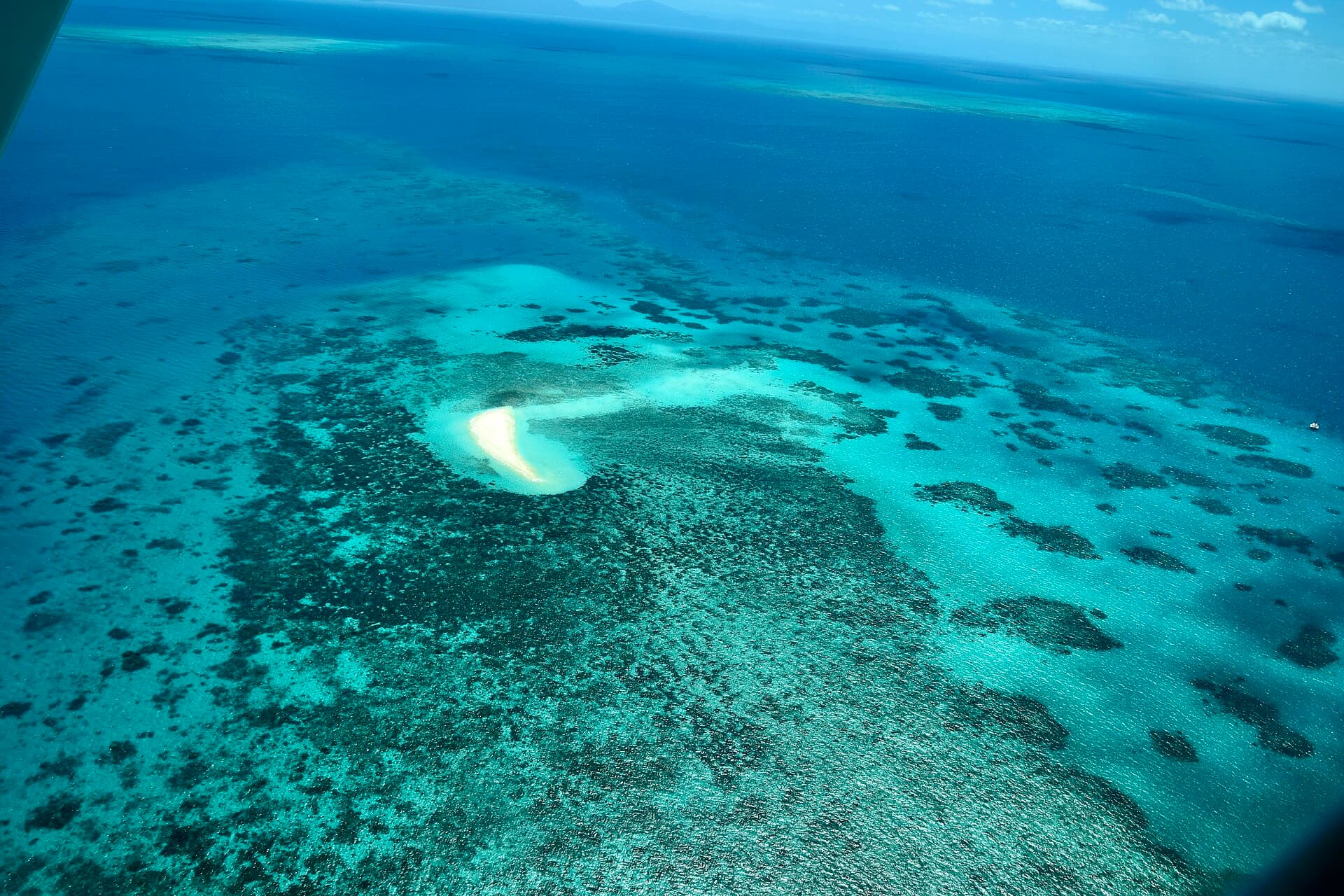
The Great Barrier Reef is one of the planet's greatest natural jewels — 2,300 km long along Queensland's north-east coast, more than 2,900 distinct reefs, 900 islands, forming the world's largest coral ecosystem. UNESCO-listed since 1981, it is also the only living structure visible from space. Biodiversity is extraordinary: 1,500 fish species, 411 hard coral species, 134 shark and ray species, 30 whale and dolphin species, 6 of the world's 7 sea turtle species, dugongs, giant manta rays.

The main tourist zone extends through tropical Queensland between Cairns (main gateway, international airport CNS) and the Whitsundays (74 paradise islands accessible from Airlie Beach or Hamilton Island, 600 km south). Cairns (160,000 inhabitants) is the logical base to explore the reef and the nearby Daintree rainforest — it is also a vibrant backpacker town with a wide excursion offering. Port Douglas (1h north of Cairns) is the chic and calm alternative — luxury destination favoured by couples, refined restaurants, direct access to the Outer Reef (the outer reef, the most preserved) and the Daintree Rainforest (UNESCO, the world's oldest rainforest, 180 million years).

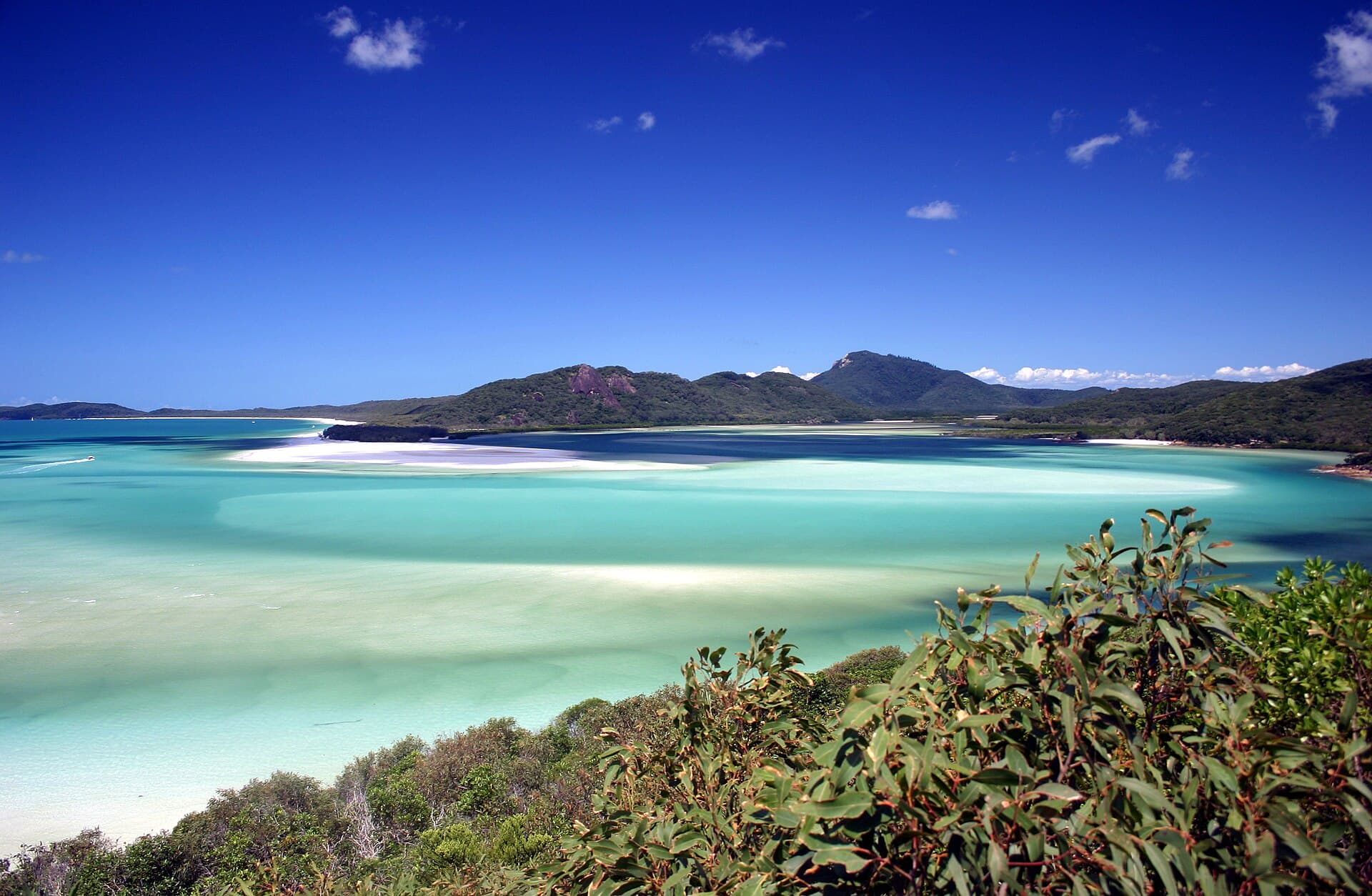
The Whitsundays are the 74-island archipelago in the centre of the reef, with the most famous Hamilton Island (most developed, airport, resorts) and the most iconic Whitehaven Beach on Whitsunday Island (7 km of 98% pure silica sand, the purest in the world — brilliant white that stays cool under the sun). Sailing, cruising, snorkelling: probably the most signature Whitsundays experience. The Heart Reef (naturally heart-shaped coral formation) is visible only by seaplane or helicopter from Hamilton Island.

The Great Barrier is threatened by climate change. Six massive bleaching episodes since 1998 (1998, 2002, 2016, 2017, 2020, 2022, 2024), linked to ocean warming. According to scientists, 50% of corals have disappeared since 1995, and the reef is officially listed 'in danger' by UNESCO (status contested by the Australian government). Visiting the reef today remains an extraordinary experience but tinged with urgency — it is a fragile heritage to discover while it still exists in this integrity.

Explore Great Barrier

Spots in the region
Situation

Où se situe Great Barrier ?

Ouvrir la carte en grand sur OpenStreetMap →

Frequently asked questions

When is the best time to visit the Great Barrier Reef?+
Austral winter (June to September) is by far the best period: no lethal box jellyfish (free swimming), dry and cool climate (20-26 °C, low humidity), calm sea, maximum underwater visibility (20-30 m), no cyclones. It is also humpback whale watching season (July-September). May and October are excellent shoulder seasons (pleasant climate, smaller crowds, lower rates) — watch for first jellyfish in late October. Avoid November to April: wet tropical season with lethal box jellyfish (stinger suit mandatory for snorkelling, beach swimming limited to nets), serious cyclone risk, crushing humidity (80-90%), frequent rain.
Cairns or Port Douglas: which to choose as base?+
Cairns (160,000 inhabitants) is the main gateway — international airport CNS, huge choice of excursions and lodging, vibrant backpacker atmosphere, varied restaurants, accessible prices. The logical base for a budget or mid-range trip. Port Douglas (1h north) is the chic and calm alternative — refined seaside village, high-end restaurants, premium resorts (Sheraton Mirage AUD 350-600/night), direct access to Outer Reef and Daintree Rainforest. The honeymoon or couples choice seeking a more exclusive stay. For 3-4 days, recommended: 2 days at Cairns (Outer Reef, town), 2 days at Port Douglas (Daintree, Cape Tribulation). For 5-7 days, add 2-3 days at the Whitsundays via Hamilton Island or Airlie Beach.
How much does a day of diving or snorkelling on the Great Barrier cost?+
An Outer Reef day excursion from Cairns or Port Douglas includes fast catamaran transport (2h round-trip), 2-3 snorkelling/diving sites, lunch, basic gear. Prices: AUD 180-280/person snorkelling only, AUD 280-380 with 1-2 bottle dives (PADI/CMAS certification required, otherwise discovery dive). Major operators: Reef Magic, Reef Experience, Quicksilver (high-end reference), Passions of Paradise. Heart Reef by seaplane or helicopter from Hamilton Island or Airlie Beach: AUD 200-400/person for 30-60 min of flight. 2-3 day Whitsundays sailing cruise: AUD 400-800/person all-inclusive in shared cabin. Book ahead in high season (June-August).
Do you need a stinger suit?+
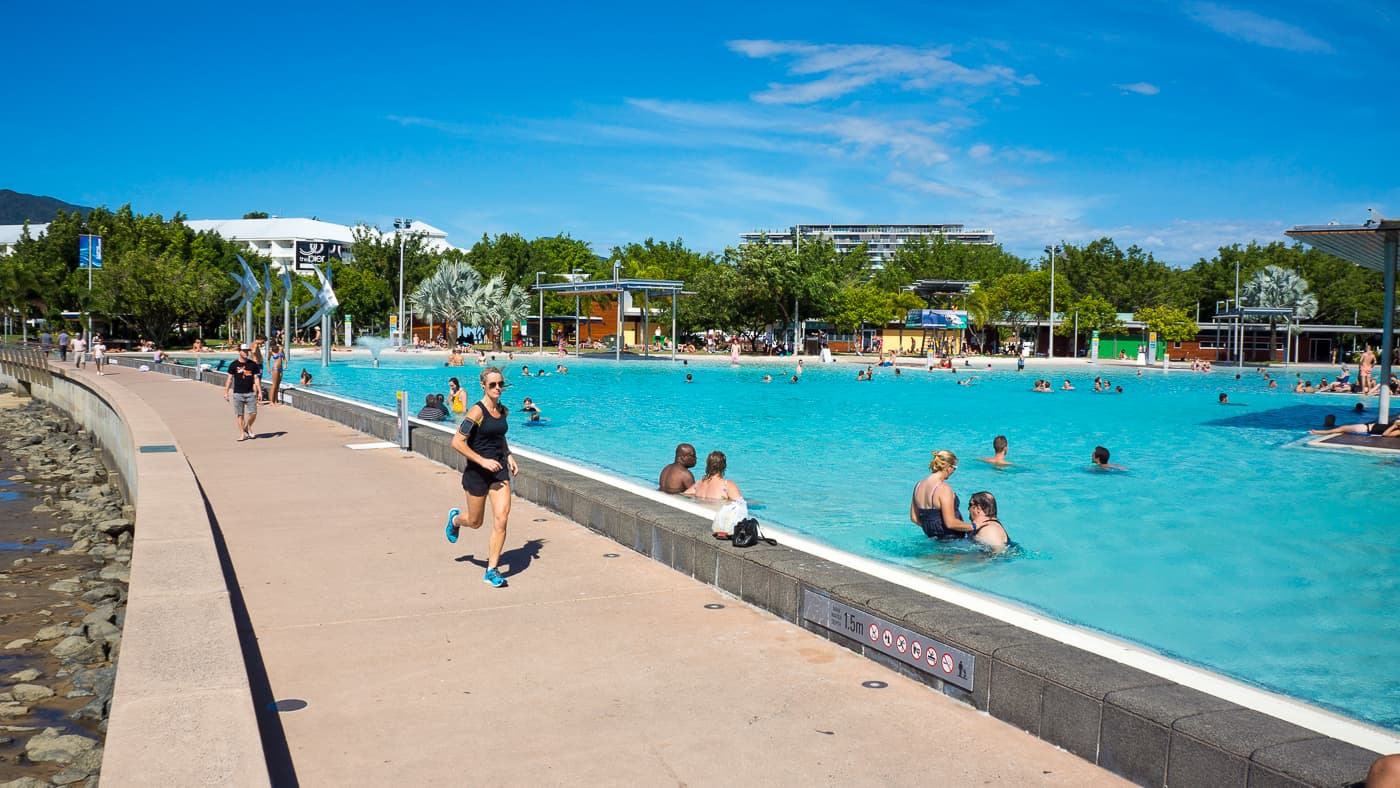
Yes from October to May (tropical box jellyfish season, Chironex fleckeri). The venom of these jellyfish is among the world's most violent — a few minutes of contact can be lethal. Public beaches of Cairns Esplanade, Trinity Beach and Port Douglas Four Mile Beach are equipped with protective nets (secured enclosures) between seasons. For snorkelling on the outer reef (Outer Reef) and around the islands (Whitsundays), the stinger suit (light anti-jellyfish suit, AUD 5-10 rental on board) is MANDATORY October to May, strongly recommended year-round for safety. From June to September (austral winter), no box jellyfish, free swimming. Always inquire with local operators — season can vary slightly by year and climate conditions.
What are the best dive spots on the Great Barrier?+
Outer Reef from Cairns: Norman Reef, Saxon Reef, Hastings Reef (very accessible, abundant wildlife). Outer Reef from Port Douglas: Agincourt Reef (one of the most preserved, Quicksilver operator), Opal Reef, St Crispin's Reef. Lizard Island (premium island accessible by flight, 350 km north of Cairns): Cod Hole (giant groupers), Ribbon Reefs. Whitsundays: Hardy Reef (from Airlie Beach or Hamilton Island), Bait Reef, Hook Reef. For experienced divers, Coral Sea Reefs (Osprey Reef, 350 km offshore, accessible by 4-7 day liveaboard cruise, AUD 2,000-4,000) offer the Pacific's best conditions: 40+ m visibility, grey reef sharks, manta rays, marlins. For amateurs, discovery dive (3-4 m under supervision) is accessible without certification (AUD 180-280/person included in day excursion).

Our verdict

The Great Barrier Reef is Australia's signature nature experience — one of the world's largest ecosystems, and probably the most accessible for European travellers. Cairns or Port Douglas as base, 4-5 days minimum on site: 1 day Outer Reef (catamaran cruise AUD 180-280/person, snorkelling and diving), 1 day Whitsundays or Daintree Rainforest, 1 day Cape Tribulation or Heart Reef observation by seaplane (premium option AUD 200-400). Prioritise austral winter (June to September): no box jellyfish, dry climate, calm sea, maximum diving visibility. Avoid December-March (cyclones, jellyfish, rain). Do not forget the ecological dimension: visit with awareness, choose Reef Tourism Certified operators, never touch coral.

Mowando Letter

Once a month: the right destinations for the right season + the best booking windows.

No spam. One-click unsubscribe. Your data is never shared.