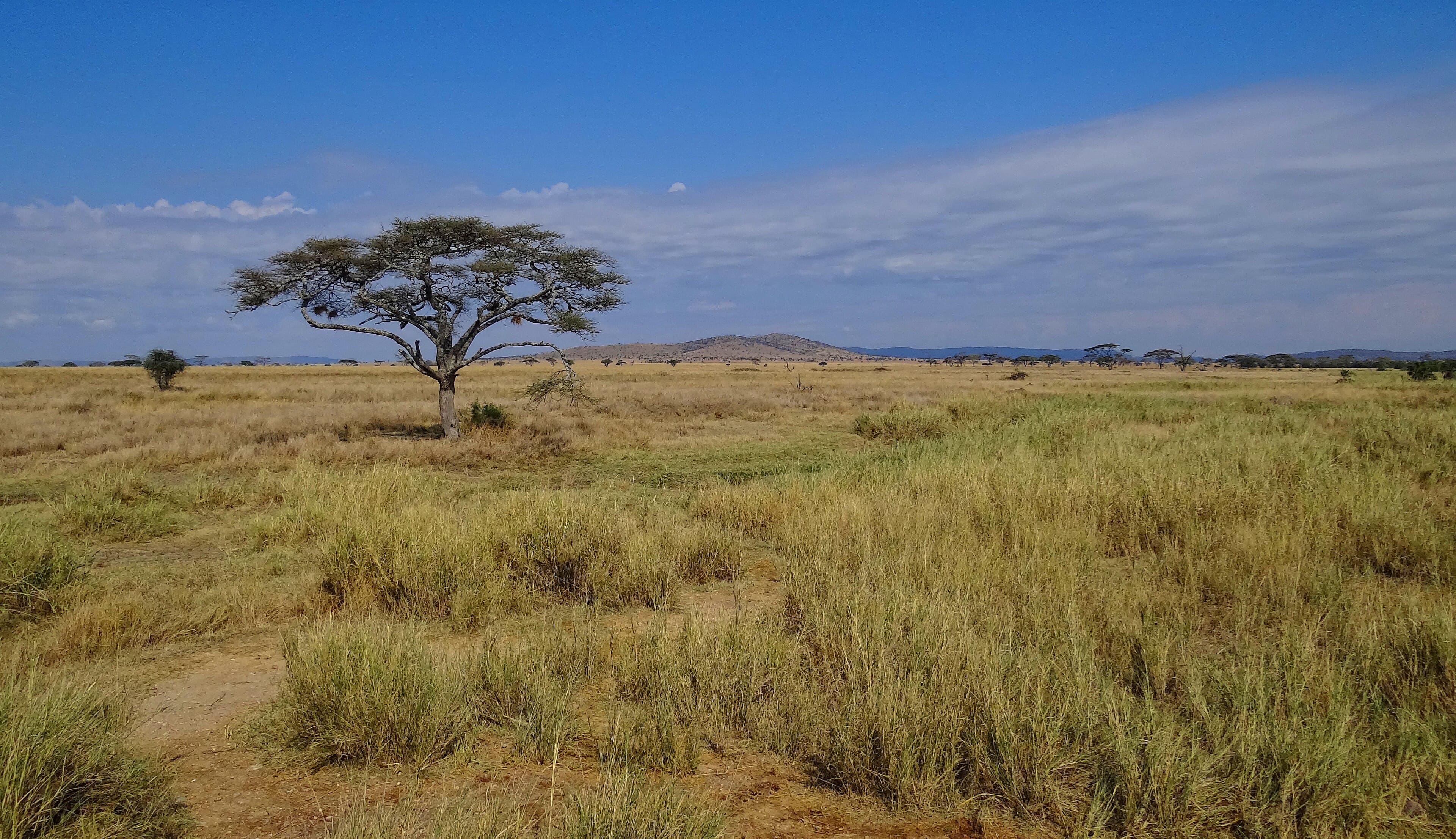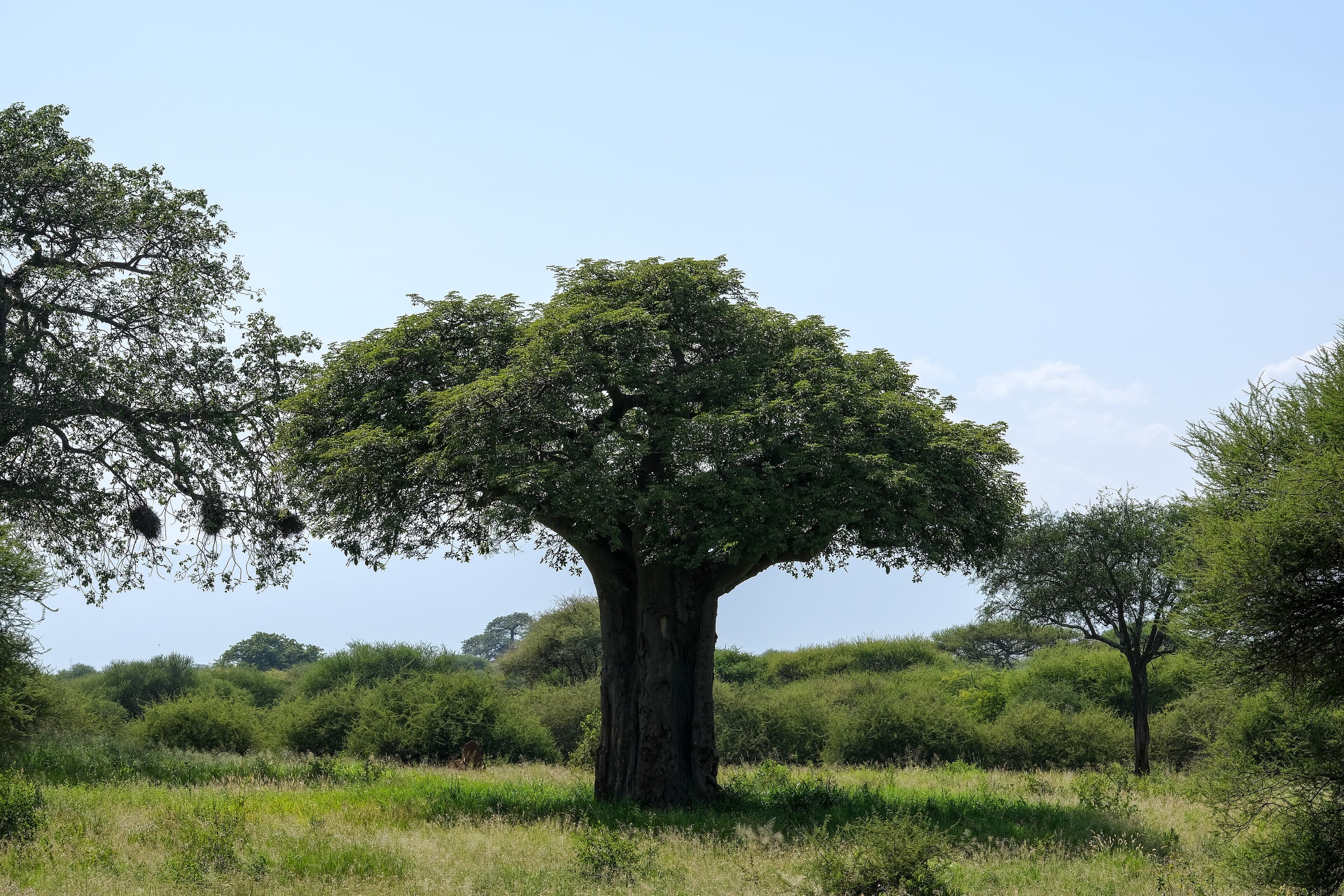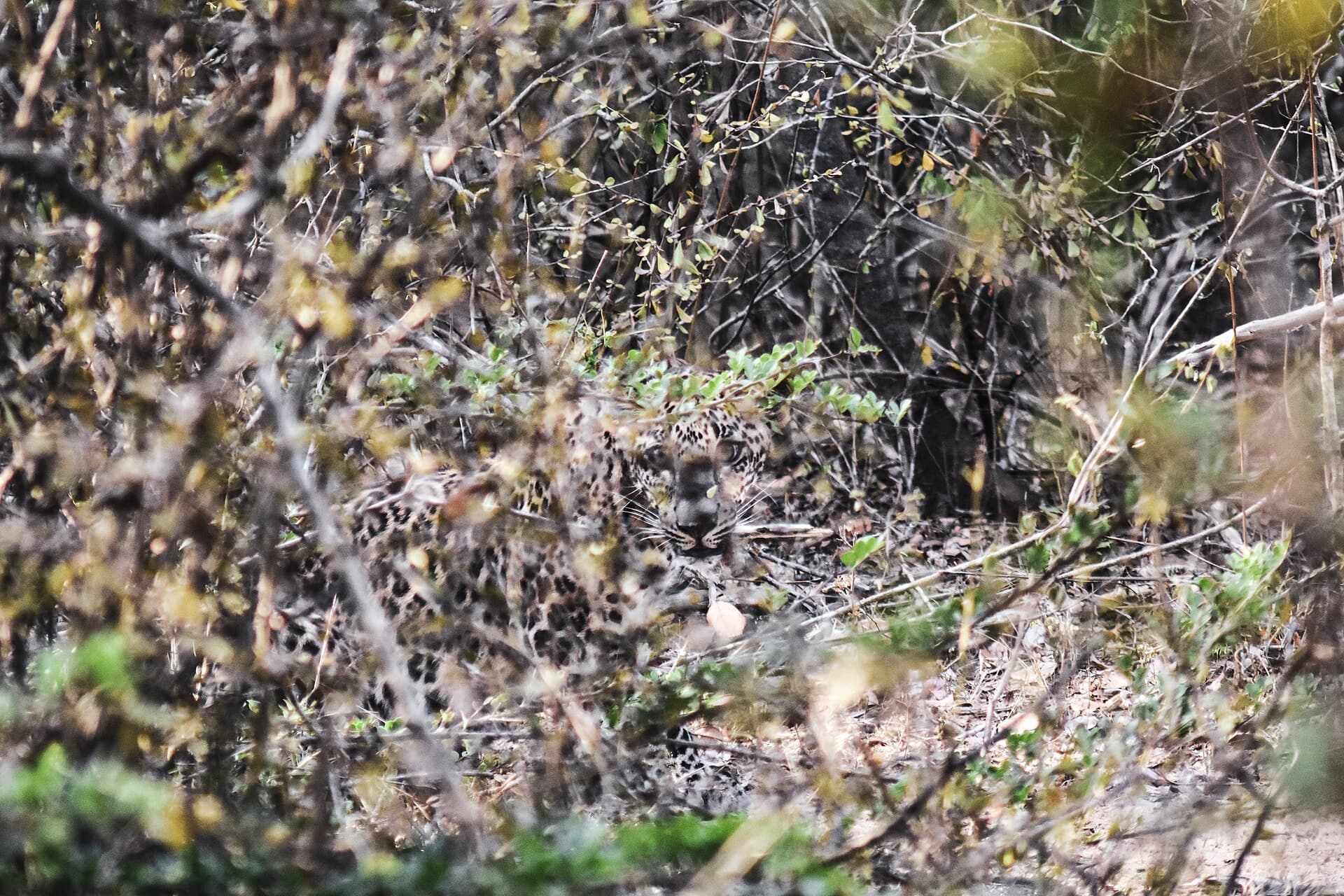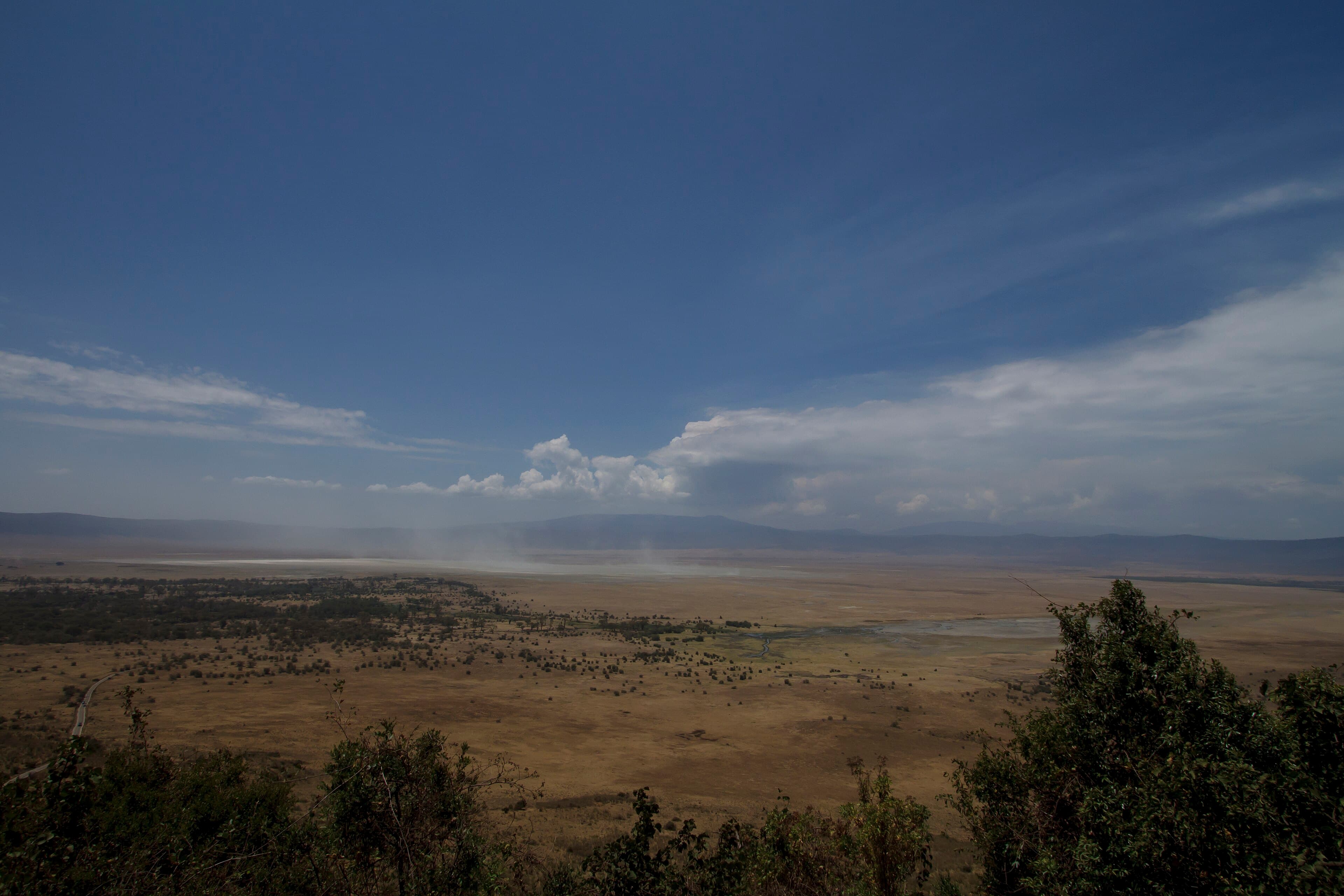

"Janvier : conditions globalement sèches, cratère animé, lumière douce. Combinaison naturelle avec la saison des naissances dans le sud du Serengeti (Ndutu)."
Expert on Ngorongoro · 1 contributions
 Africa & Americas Desk — Mowando·Editor
The best periods
The best time to visit Ngorongoro is Year-round — accessible 365 days/year, optimum June-October and January-February. The most recommended months are Octobre.
Grande saison sèche — optimum
- ✅Conditions climatiques idéales : ciel dégagé, températures fraîches sur le rim (15-22 °C), animaux concentrés en fond de cratère
- ✅Visibilité maximale, photos exceptionnelles, peu de poussière sur le fond du cratère humidifié par les sources
- ✅Affluence importante mais bien gérée par le système de limitation à 8 heures par véhicule dans le cratère
- ✅Combinaison parfaite avec le Serengeti à la même période (Grande Migration au nord)
- ❌Haute saison : lodges sur le rim complets 6-9 mois à l'avance, tarifs maximaux
- ❌Affluence au point d'entrée principal (descente vers le cratère) — préférer descendre dès 6h30 à l'ouverture
- ❌Températures fraîches le matin (10-15 °C) sur le rim — polaire et coupe-vent nécessaires
Petite saison sèche — excellente alternative
- ✅Conditions globalement sèches, ciel souvent dégagé, températures agréables (14-23 °C)
- ✅Moins de monde qu'en juillet-août, ambiance plus paisible dans le cratère
- ✅Lumière douce du matin et de fin d'après-midi, conditions photographiques remarquables
- ✅Tarifs intermédiaires (10-15 % moins chers qu'en haute saison)
- ❌Quelques averses orageuses possibles, surtout vers la mi-février
- ❌Croisement avec la haute saison balnéaire de Zanzibar (Noël/Nouvel An juste passé)
- ❌Le sud du Serengeti voisin (Ndutu, naissances) attire beaucoup de monde — répercussion sur les lodges du rim
Grandes pluies — basse saison
- ✅Tarifs au plancher sur les lodges du rim (-40 à -60 % par rapport à juillet-août)
- ✅Paysages verdoyants spectaculaires, brumes matinales mystiques sur le cratère
- ✅Très peu de visiteurs — expérience cratère quasi privée
- ✅Pas d'impact sur l'accès au cratère (la route reste praticable toute l'année)
- ❌Pluies intenses sur le rim (1 500-2 400 m d'altitude), visibilité parfois réduite par les nuages
- ❌Vents froids sur le rim, températures pouvant descendre à 8-10 °C la nuit
- ❌Quelques lodges en sous-effectif ou fermés en avril-mai pour maintenance
- ❌Risque accru de paludisme sur le fond du cratère (humidité)
Petites pluies — saison intermédiaire
- ✅Conditions globalement praticables, averses courtes en fin de journée
- ✅Tarifs encore raisonnables avant la haute saison de Noël
- ✅Paysages verdoyants, parfait pour la photographie post-pluies
- ❌Imprévisibilité météorologique : alternance d'orages et de belles éclaircies
- ❌Fin décembre : retour de la haute saison touristique (Noël/Nouvel An)
Month-by-month climate
Temperatures, rainfall and sunshine in Ngorongoro across the 12 months.
| Jan | Fév | Mar | Avr | Mai | Juin | Jui | Aoû | Sep | Oct | Nov | Déc | |
|---|---|---|---|---|---|---|---|---|---|---|---|---|
| Min | 14° | 14° | 14° | 15° | 13° | 12° | 11° | 11° | 12° | 13° | 14° | 14° |
| Max | 23° | 24° | 24° | 22° | 20° | 19° | 19° | 21° | 23° | 25° | 24° | 23° |
| Mer | — | — | — | — | — | — | — | — | — | — | — | — |
| Pluie | 88mm | 87mm | 110mm | 163mm | 56mm | 22mm | 18mm | 17mm | 16mm | 24mm | 87mm | 98mm |
| Soleil/j | 10.7h | 10.8h | 10.6h | 9.7h | 9.4h | 10.1h | 10.3h | 10.5h | 10.8h | 11h | 10.6h | 11.2h |
Tourist crowds
Monthly attendance levels (0 = empty, 100 = saturated).
Average flight prices
Average round-trip Paris → Ngorongoro by month.
Frequently asked questions
How long to spend at Ngorongoro?+
How to avoid the crowd in the crater?+
How much does a crater descent cost?+
Do you really see the Big Five in the crater?+
What are the best lodges on the rim?+
Is Ngorongoro suitable for children?+
Can you hike around Ngorongoro?+
Our verdict
The Ngorongoro Crater is one of Africa's most extraordinary natural sites and a must-stop on the Tanzanian Northern Circuit. Its globally unique animal density (25,000 mammals on 260 km²), the possibility of observing the Big Five in a single day, and its exceptional geological setting (19 km diameter caldera, 600 m deep) make it an unforgettable experience despite the crowds and cost. Our advice: imperatively spend 2 nights on the rim rather than just one (which allows a full day in the crater floor rather than a rushed morning), descend at opening (6:30 am) to avoid groups, and combine with the Serengeti and Tarangire for the complete Northern Circuit. Ngorongoro is also one of the only places where black rhino observation is near-guaranteed — another reason to make it a priority.
Similar destinations