ville
Barcelona
The only major European city that genuinely combines architectural genius, Mediterranean beaches, avant-garde cuisine and world-class nightlife.
Barcelona is a city unlike any other in Europe — and arguably the world. No other metropolis so effortlessly combines fine sandy beaches a ten-minute walk from the centre with some of the boldest architecture of the twentieth century, a food scene that spans working-class tradition and avant-garde innovation, and a nightlife that doesn't seriously slow down until sunrise.
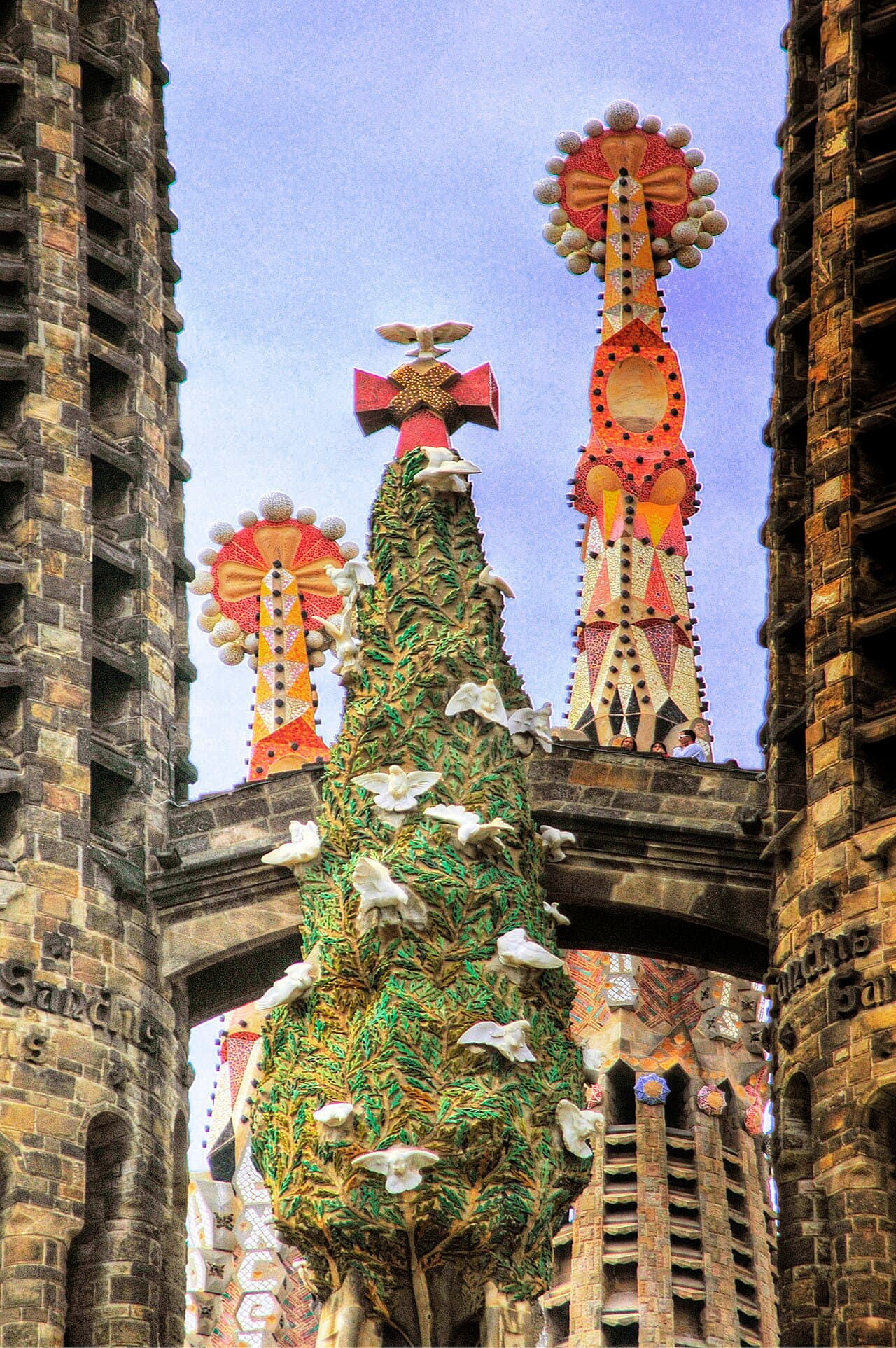
The city owes a defining share of its personality to Antoni Gaudí, seven of whose works are listed as UNESCO World Heritage Sites. The Sagrada Família — still under construction since 1882 and partially consecrated in 2010 — is one of the most photographed buildings on earth. Park Güell, Casa Batlló and Casa Milà (La Pedrera) complete a Modernista trail without parallel anywhere. But Barcelona is far more than Gaudí: the Barri Gòtic, one of the best-preserved medieval centres in Europe, the boutiques and wine bars of El Born, the Boqueria market and the Barceloneta beach strip together form a city to live in, not merely to visit.
Gastronomically, Barcelona ranks among the richest destinations on the Iberian peninsula. Catalan cuisine — genuinely distinct from Spanish cooking — blends popular tradition (pa amb tomàquet, escalivada, fideuà) with an avant-garde creativity that traces back directly to El Bulli's influence. The tapas tradition here takes the form of pintxos in the bars of El Born and the Gothic Quarter, washed down with cava (Catalan traditional-method sparkling wine) or house vermouth. Two hours from Paris by plane, no visa required, with the euro in your pocket, Barcelona is one of Europe's most accessible and rewarding short breaks.
What we love
- ✅Gaudí architecture without equal: 7 UNESCO World Heritage Sites in a single city
- ✅Unique dual identity: major cultural metropolis and Mediterranean beach destination
- ✅Catalan cuisine at its finest: pintxos, pa amb tomàquet, fideuà, cava, the Boqueria market
- ✅Easy access from across Europe: 2-hour flights, the euro, no visa required
- ✅Nightlife consistently ranked among Europe's very best — El Born, the Raval, Barceloneta
What to know
- ❌Intense crowds at Gaudí sights in summer — book weeks ahead or face disappointment
- ❌Pickpockets among Europe's most active, especially on the Rambla, Barceloneta and the metro
- ❌Hot and humid in July-August (28-32 °C with sea humidity)
- ❌Growing overtourism is straining authentic neighbourhoods — some locals have left the Gothic Quarter
Situation
Où se situe Barcelona ?
Ouvrir la carte en grand sur OpenStreetMap →Frequently asked questions
How many days should I plan for Barcelona?+
How do I book the Sagrada Família and Park Güell?+
Which Barcelona neighbourhood should I stay in?+
When is the best time to visit Barcelona?+
Is Catalan food genuinely different from Spanish food?+
How do I avoid pickpockets in Barcelona?+
Is it worth visiting Camp Nou?+
What day trips can I do from Barcelona?+
Our verdict
Barcelona is one of Europe's most complete cities: architecture of genius, beaches ten minutes from the centre, creative cuisine and nightlife without equal. The downsides are real — summer crowds, pickpockets, growing overtourism — but they never overshadow a city that reinvents its cultural and culinary offer year after year. Come ideally in May-June or September-October, book your Sagrada Família ticket weeks ahead, base yourself in El Born or Gràcia rather than on the Rambla, and let Catalan pride surprise you — this is a distinct identity, unmistakably different from the rest of Spain.
Réserver votre séjour
Liens partenaires — une commission peut nous être reversée, sans surcoût pour vous.
 HébergementAnnulation gratuite
Hôtels & paradores en Espagne
Paradores historiques (monastères, châteaux), boutique-hôtels d'Andalousie, riads de Grenade : l'Espagne au meilleur prix.
ActivitéSans queueActivités en Espagne
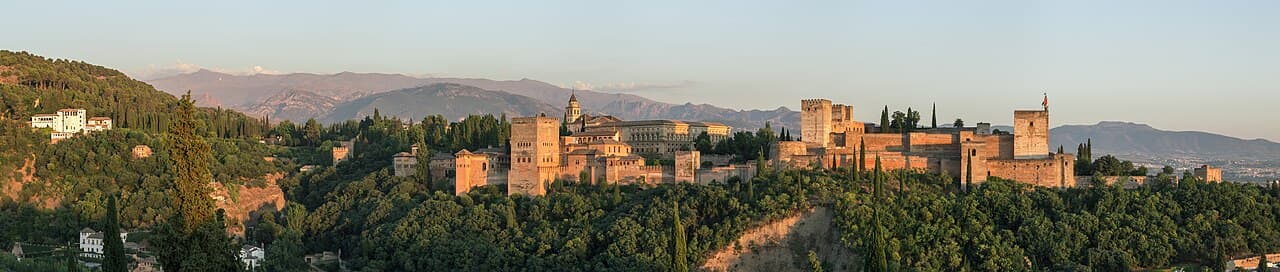
Sagrada Familia, Alhambra (réservation obligatoire), tablao flamenco, tour des tapas Madrid, surf Cantabrie.
VolComparateurVols vers l'Espagne
Paris-Madrid, Paris-Barcelone, Paris-Séville : low-cost et compagnies régulières comparés au meilleur prix.
Nearby

"Janvier est la pleine basse saison à Barcelone : musées quasi vides, Sagrada Familia sans queue, hôtels à prix plancher. Idéal pour les amateurs d'architecture qui veulent Gaudí sans foule."
Expert on Barcelona · 1 contributions
 Mediterranean Desk — Mowando·Editor