ville
Palma
Palma de Mallorca reveals an unexpectedly rich city: a monumental Gothic cathedral, Arab quarter, contemporary art museum and the Olivar market, just two hours from Paris.
Palma de Mallorca is one of the great surprises of the Mediterranean. The Balearic capital — often reduced to a stopover on the way to the beach or a cruise port of call — richly deserves a stay of its own. Within a few square kilometres it concentrates an exceptional architectural heritage, a flourishing gastronomic scene and an authentic neighbourhood life that hurried travellers never discover.
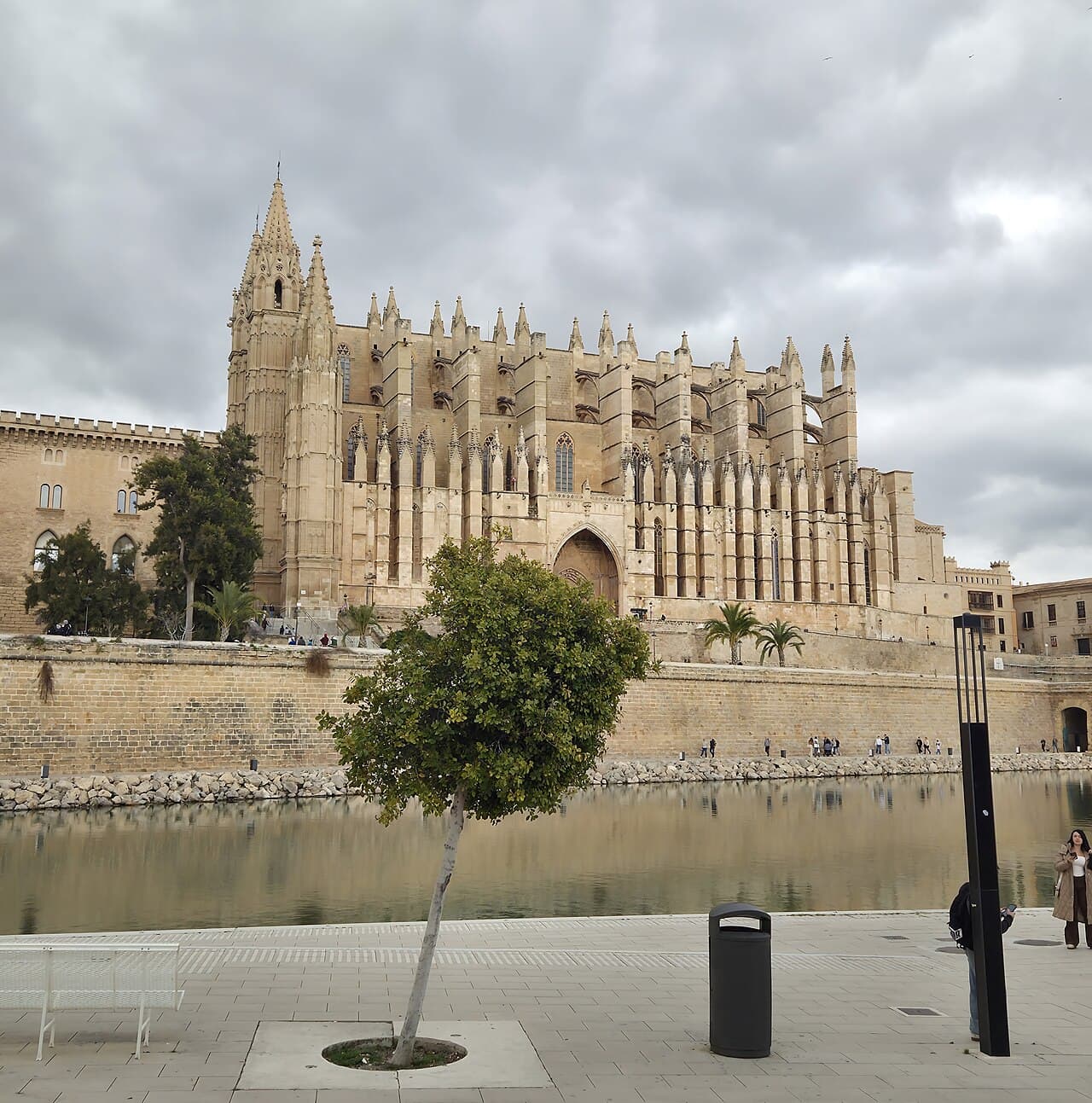
The city's absolute symbol is the cathedral La Seu, a masterpiece of southern Gothic perched on a promontory above the sea since the 13th century. Catalan architects, and later Antoni Gaudí (who worked on the interior from 1904 to 1914), shaped a building that is both monumental and luminous: its main façade, its soaring flying buttresses and its 12-metre rose window make it one of the most spectacular cathedrals in Europe. Inside, the late-afternoon light filters through the stained glass and bathes the nave in an unforgettable golden glow.
Adjacent to the cathedral, the Almudaina Palace — once the residence of the Kings of Aragon and still the official Balearic residence of the Spanish royal family — is a 14th-century Arab-Gothic palace of rare elegance, with inner courtyards, state rooms and sea-facing gardens. The Llotja, a 15th-century Gothic exchange with its twisted columns, is another civil medieval masterpiece.
Palma is then best explored on foot through its historic quarters: the Casc Antic (old town), the Arab-origin neighbourhood of Es Puig de Sant Pere with its winding lanes — remnants of the original medina — and the Passeig del Born, the main boulevard lined with boutiques, cafés and early 20th-century Modernista architecture. The Mercat de l'Olivar, the island's largest covered market, is the living heart of Palma's food culture: Balearic charcuterie, fresh ensaimadas, local cheeses and Mediterranean fish side by side in the atmosphere of a proper neighbourhood market.
Within an hour of Palma, the Serra de Tramuntana unfolds — reachable by vintage train to Sóller (1912, 45 minutes, one of the Mediterranean's great railway journeys), then by tram to the port. The village of Valldemossa, where Chopin spent the winter of 1838-39 with George Sand, is 17 km north. And the wild beach of Es Trenc, 45 km south-east, offers 4 km of preserved white sand facing the turquoise water that is Mallorca's signature.
What we love
- ✅La Seu cathedral, one of the most spectacular examples of Mediterranean Gothic
- ✅A compact and rich old town — Arab, Gothic and Modernista heritage within a few streets
- ✅Balearic gastronomy on the rise: ensaimada, sobrasada, pa amb oli, Binissalem wines
- ✅Ideal base for the UNESCO Serra de Tramuntana and Mallorca's calas
- ✅Pleasant year-round — mild winters, far less touristy from October to April
What to know
- ❌Very crowded in July-August: busy waterfront, high prices
- ❌Dense city centre, difficult to drive — best explored on foot or by bicycle
- ❌Some nearby beaches (Cala Major, Can Pastilla) are more built-up than natural
Situation
Où se situe Palma ?
Ouvrir la carte en grand sur OpenStreetMap →Frequently asked questions
How many days should I allow for Palma de Mallorca?+
When is the best time to visit Palma?+
How do you visit La Seu cathedral?+
Are beaches easily accessible from Palma?+
What should I eat in Palma?+
How do you get around Palma and Mallorca?+
Our verdict
Palma de Mallorca is the most underrated city destination in the Mediterranean. Those who stop for just one night between the plane and the beach miss a city of genuine substance: a monumental Gothic cathedral, an Arab-medieval old town, authentic island gastronomy and easy access to Mallorca's most beautiful landscapes. Come ideally in May-June or September, give at least two days to Palma itself, then radiate out to the Serra de Tramuntana and the southern calas. Palma is meant to be lived, not just passed through.
Réserver votre séjour
Liens partenaires — une commission peut nous être reversée, sans surcoût pour vous.
 HébergementAnnulation gratuite
Hôtels & paradores en Espagne
Paradores historiques (monastères, châteaux), boutique-hôtels d'Andalousie, riads de Grenade : l'Espagne au meilleur prix.
ActivitéSans queueActivités en Espagne
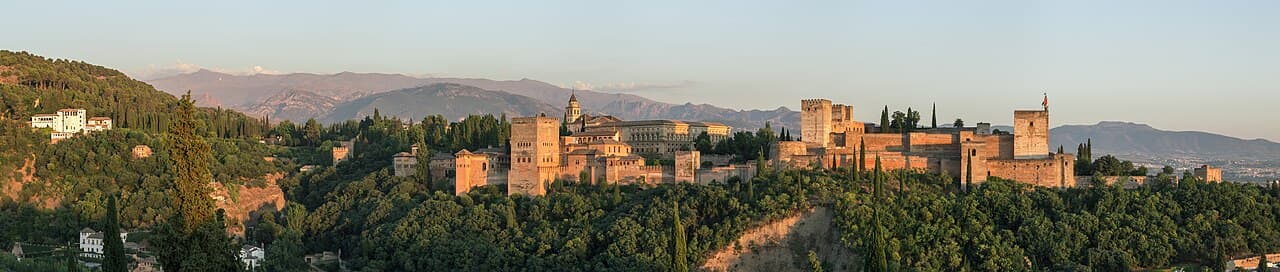
Sagrada Familia, Alhambra (réservation obligatoire), tablao flamenco, tour des tapas Madrid, surf Cantabrie.
VolComparateurVols vers l'Espagne
Paris-Madrid, Paris-Barcelone, Paris-Séville : low-cost et compagnies régulières comparés au meilleur prix.
Nearby

"Janvier à Palma est la vraie basse saison : vieille ville quasi déserte, marchés de producteurs locaux, tarifs hôteliers plancher. Idéal pour découvrir la cathédrale La Seu et les musées sans foule."
Expert on Palma · 1 contributions
 Mediterranean Desk — Mowando·Editor