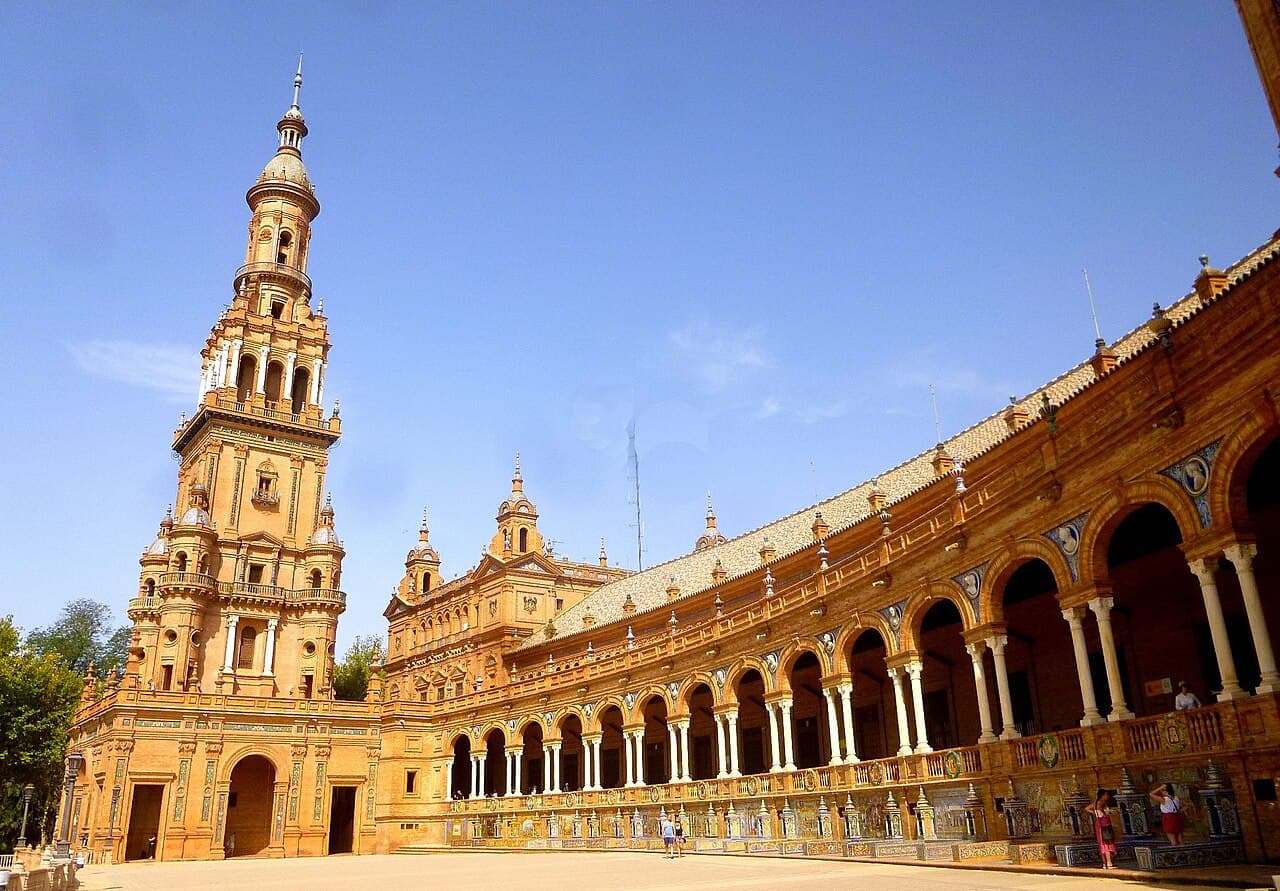

"Janvier est la basse saison idéale à Séville : monuments presque vides, hôtels bon marché, température douce (16 °C max) et lumière hivernale magnifique sur la Giralda. La meilleure option pour ceux qui veulent éviter foule et chaleur."
Expert on Seville · 1 contributions
 Mediterranean Desk — Mowando·Editor
The best periods
The best time to visit Seville is March-May and October-November (summer 40°C+). The most recommended months are Mai, Juin, Juillet, Août, Septembre.
Printemps — l'apogée de Séville
- ✅Températures parfaites (18-26 °C), idéales pour flâner dans le quartier Santa Cruz et visiter les monuments
- ✅Semaine Sainte (Pâques) : les plus belles processions du monde, émotionnellement inoubliables
- ✅Feria d'avril : robes à volants, flamenco, chevaux et ambiance incomparable dans un cadre de toiles colorées
- ❌Semaine Sainte et Feria : hébergements hors de prix à réserver 3 à 6 mois à l'avance
- ❌Forte affluence touristique, notamment autour de la cathédrale et de l'Alcázar
Été — chaleur torride, rythme nocturne
- ✅Vie nocturne intense — Séville ne dort pas avant 3 h du matin en été
- ✅Terrasses animées, soirées de flamenco et ambiance de ville méridionale au summum
- ❌Chaleur extrême : 38-44 °C en journée, rendant la visite des monuments épuisante voire dangereuse
- ❌Juillet est l'un des mois les plus chauds d'Europe — déconseillé pour visiter des sites extérieurs
- ❌Tarifs hôteliers élevés malgré les conditions difficiles
Automne — douceur et authenticité
- ✅Températures agréables (20-28 °C en octobre, 14-20 °C en novembre), parfaites pour visiter
- ✅Foule touristique en forte baisse par rapport au printemps et à l'été
- ✅Lumière photographique incomparable sur les monuments dorés de l'Alcázar et la cathédrale
- ❌Quelques journées pluvieuses possibles en novembre
- ❌Jours qui raccourcissent — moins de temps pour les visites extérieures
Hiver — douceur andalouse et basse saison
- ✅Hiver très doux (12-18 °C), idéal pour visiter les monuments sans chaleur ni foule
- ✅Hébergements au plus bas de l'année — excellent rapport qualité-prix
- ✅Séville authentique : la vie locale prend ses droits dans les tabernas et les marchés
- ❌Quelques jours de pluie et de vent froid, notamment en janvier
- ❌Ambiance moins festive qu'au printemps — Feria et Semaine Sainte absentes
Month-by-month climate
Temperatures, rainfall and sunshine in Seville across the 12 months.
| Jan | Fév | Mar | Avr | Mai | Juin | Jui | Aoû | Sep | Oct | Nov | Déc | |
|---|---|---|---|---|---|---|---|---|---|---|---|---|
| Min | 6° | 7° | 10° | 12° | 15° | 19° | 21° | 21° | 18° | 14° | 10° | 7° |
| Max | 16° | 17° | 21° | 24° | 27° | 33° | 38° | 38° | 32° | 26° | 20° | 17° |
| Mer | — | — | — | — | — | — | — | — | — | — | — | — |
| Pluie | 65mm | 55mm | 50mm | 48mm | 30mm | 10mm | 2mm | 5mm | 20mm | 55mm | 70mm | 65mm |
| Soleil/j | 5.8h | 6.5h | 7.8h | 9.2h | 10.5h | 11.8h | 12.1h | 11.5h | 9.8h | 8.2h | 6.2h | 5.5h |
Tourist crowds
Monthly attendance levels (0 = empty, 100 = saturated).
Average flight prices
Average round-trip Paris → Seville by month.
Frequently asked questions
How many days do I need to visit Seville?+
How do I book the Seville Alcázar?+
Which neighbourhood should I stay in?+
Is Holy Week in Seville really worth attending?+
Where can I find authentic flamenco in Seville?+
What are the best tapas to try in Seville?+
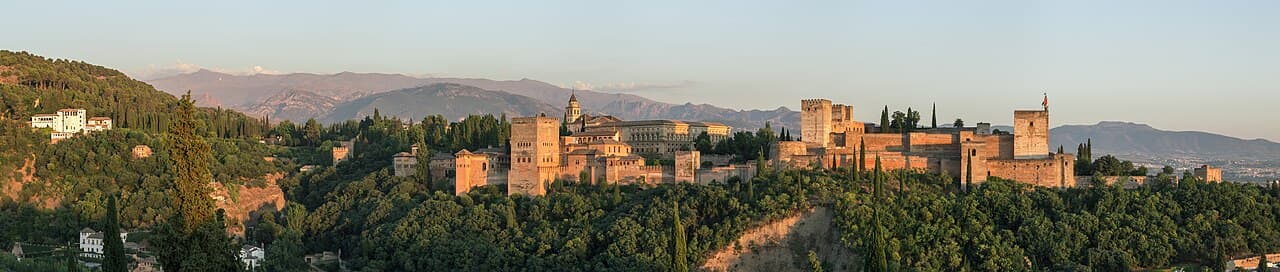
Can I easily visit Granada or Córdoba as day trips from Seville?+
What is Italica and is it worth visiting?+
Our verdict
Seville is one of the most complete and captivating cities in southern Europe — as long as you avoid midsummer. The combination of exceptional monumental heritage (three UNESCO sites in the historic centre), some of Spain's finest street food and a rare cultural intensity makes it a first-rank destination. Come in spring or autumn, book a flamenco tablao, cross the Guadalquivir to dine in Triana and rise early for the Alcázar before the groups arrive — Seville rewards the effort.
Réserver votre séjour
Liens partenaires — une commission peut nous être reversée, sans surcoût pour vous.
 HébergementAnnulation gratuite
Hôtels & paradores en Espagne
Paradores historiques (monastères, châteaux), boutique-hôtels d'Andalousie, riads de Grenade : l'Espagne au meilleur prix.
ActivitéSans queueActivités en Espagne
Sagrada Familia, Alhambra (réservation obligatoire), tablao flamenco, tour des tapas Madrid, surf Cantabrie.
VolComparateurVols vers l'Espagne
Paris-Madrid, Paris-Barcelone, Paris-Séville : low-cost et compagnies régulières comparés au meilleur prix.