ville
Porto
Porto is the home of Port wine, a UNESCO-listed medieval waterfront and an authentic working-city atmosphere found nowhere else in Europe — at one of the continent's lowest price points.
Porto is a city that resembles no other in Europe. Stacked on the steep banks of the Douro a few kilometres from the Atlantic, it combines the history of a medieval trading post and the wine trade with a remarkably dense azulejo architecture and a working-class authenticity that its southern neighbour, Lisbon, has partly traded away to mass tourism.
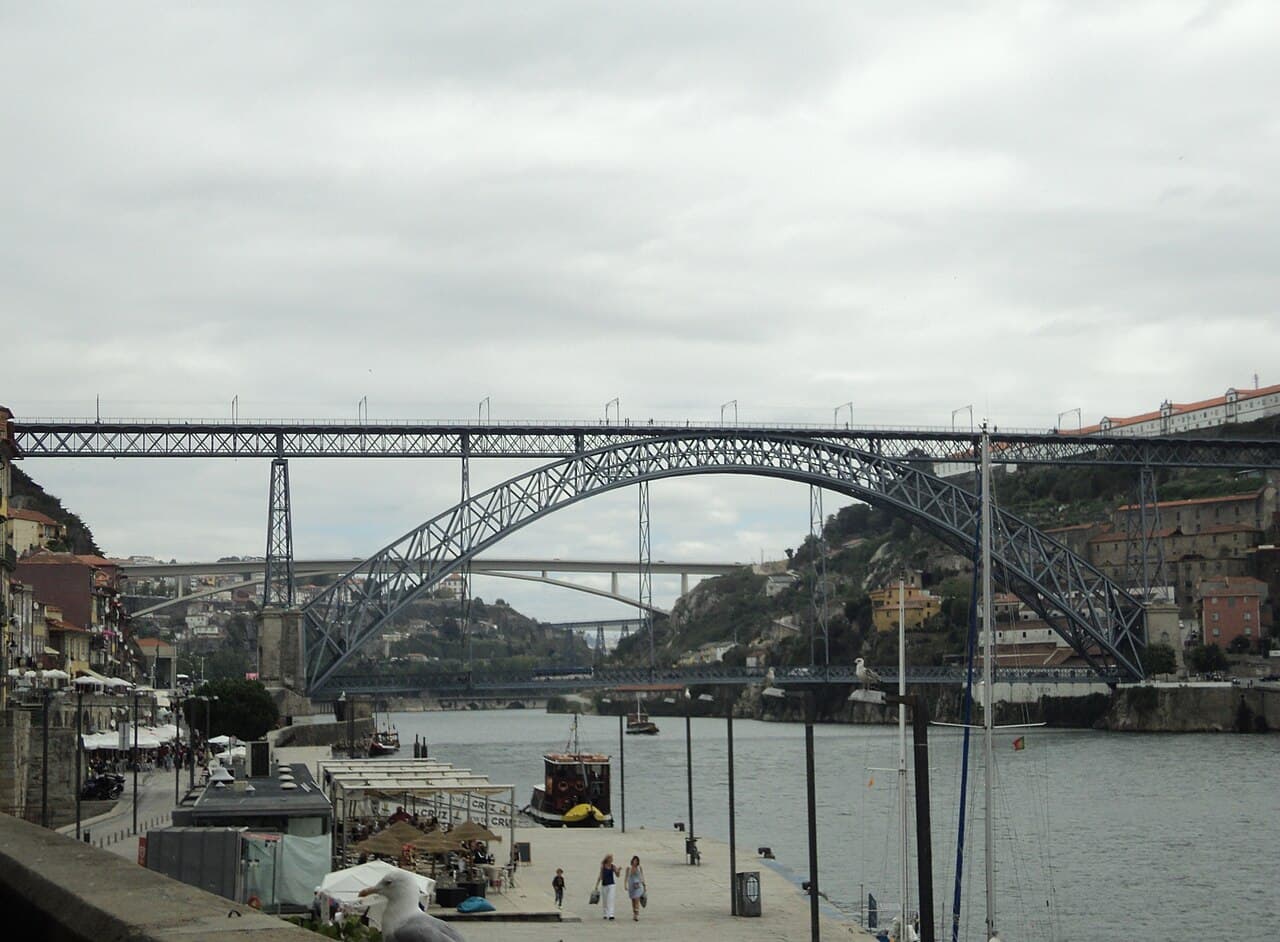
The historic heart of Porto — the Ribeira, the Douro-side quays, the lanes around the cathedral and the Palácio da Bolsa — has been a UNESCO World Heritage Site since 1996. On the opposite bank, linked by the spectacular Ponte Dom Luís I (Eiffel school, 1886), the city of Vila Nova de Gaia holds the lodges of the great Port wine houses: Taylor's, Sandeman, Graham's, Ramos Pinto. This is where the tawnies and vintages age in cellars of a unique atmosphere.
The Livraria Lello (1906), with its Art Nouveau spiral staircase and carved wood panelling, is one of the world's most beautiful bookshops — and one of J. K. Rowling's presumed inspirations for Hogwarts. The Cais da Ribeira, with its riverside terraces, is the social heart of the city. And ninety minutes south-east by train, the Douro Valley — the world's oldest demarcated wine region, UNESCO-listed — offers one of Europe's most spectacular day trips.
Porto is two hours from France by plane, no visa required, euros in pocket, and its daily budget is the lowest of any major European city with serious cultural credentials.
What we love
- ✅Ribeira and historic centre UNESCO-listed — one of Europe's best-preserved medieval waterfronts
- ✅Port wine cellars at Vila Nova de Gaia: the most singular wine experience on the continent
- ✅The most affordable major cultural destination in Western Europe
- ✅Douro Valley 90 minutes by train: one of Europe's finest day trips (UNESCO)
- ✅Genuine working-city atmosphere, not sanitised by mass tourism
What to know
- ❌Very rainy winters (November-March): among the highest winter rainfall in Western Europe
- ❌Livraria Lello is overwhelmed in peak season — tickets and advance booking required
- ❌No direct urban beach — Matosinhos and Foz do Douro require a bus or tram
- ❌Fewer individual landmark 'star' monuments than Lisbon or Rome
Situation
Où se situe Porto ?
Ouvrir la carte en grand sur OpenStreetMap →Frequently asked questions
How many days should I plan for Porto?+
Which Port wine cellars are worth visiting in Vila Nova de Gaia?+
How do I visit the Douro Valley from Porto?+
When is the best time to visit Porto?+
Is Livraria Lello worth the entry fee?+
What is Porto's unmissable food specialty?+
How do I get around Porto?+
Can I combine Porto and Lisbon in one trip?+
Our verdict
Porto is one of the great discoveries of contemporary European travel: an intact medieval city on a river, with Port wine, azulejos and one of the world's most spectacular wine valleys as its heritage. Its authenticity, accessible budget and unpretentious atmosphere make it the favourite city of travellers who come back from Portugal wondering why they didn't go sooner. Come in May or September, spend a night in the Douro valley and book your cellar tasting at Gaia as soon as you land.
Réserver votre séjour
Liens partenaires — une commission peut nous être reversée, sans surcoût pour vous.
 HébergementAnnulation gratuite
Hôtels & pousadas au Portugal
Lisbonne, Porto, pousadas historiques de l'Alentejo, surf camps de la côte vicentine : tout le Portugal couvert.
ActivitéSans queueActivités au Portugal
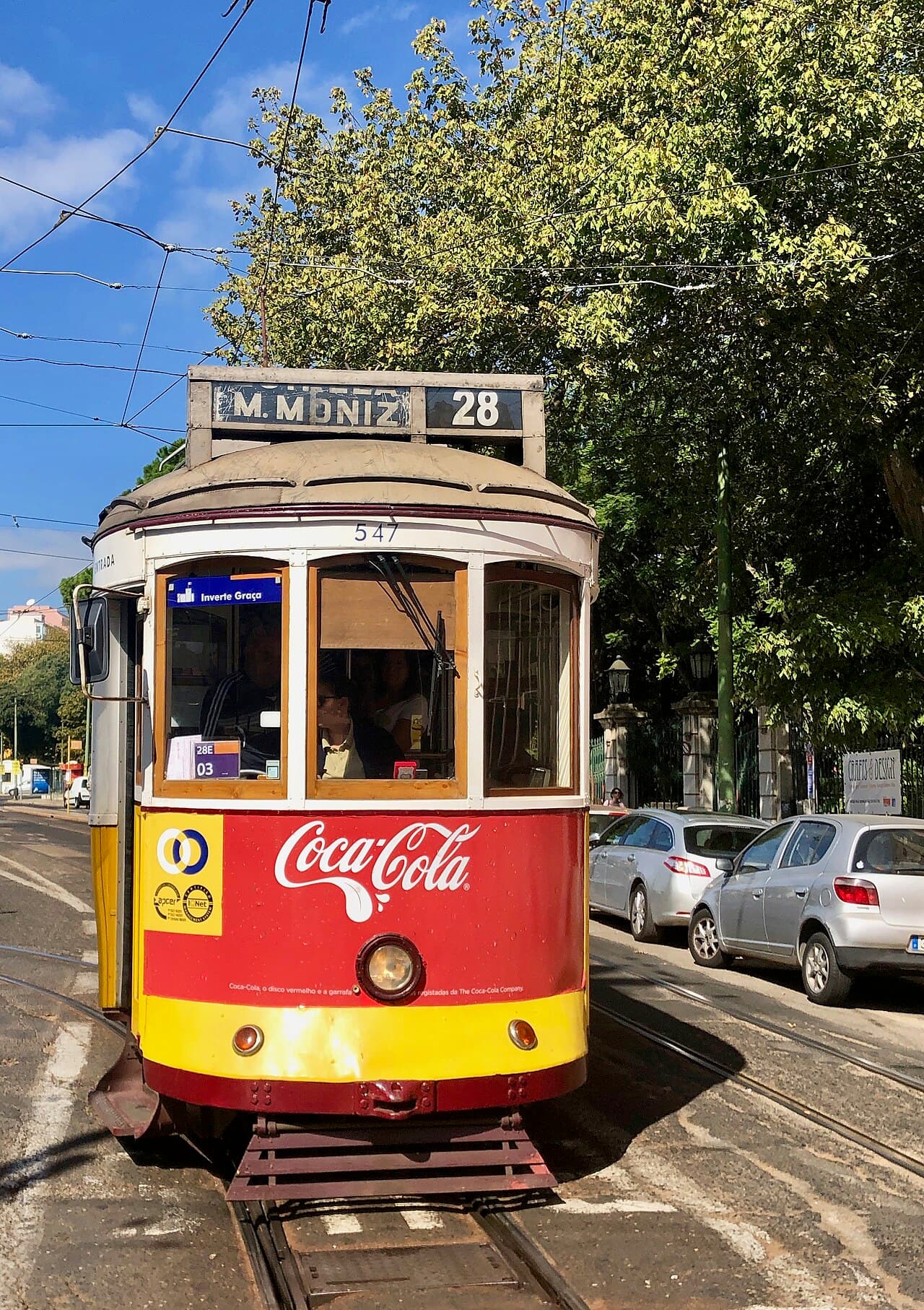
Tram 28, Sintra, dégustations de vin de Porto, croisière Douro, surf à Nazaré : réservez sans surprise.
VolComparateurVols vers le Portugal
Paris-Lisbonne et Paris-Porto à petit prix toute l'année. TAP, easyJet et Ryanair comparés.
Nearby



"Janvier est le mois le plus calme et le plus pluvieux à Porto. Les caves de Vila Nova de Gaia sont quasi vides, les restaurantes locaux servent les habitués, et le prix des hébergements est au plancher. Pour les amateurs de Porto et d'ambiances nordiques sous la pluie, c'est une expérience à part entière."
Expert on Porto · 1 contributions
 Mediterranean Desk — Mowando·Editor