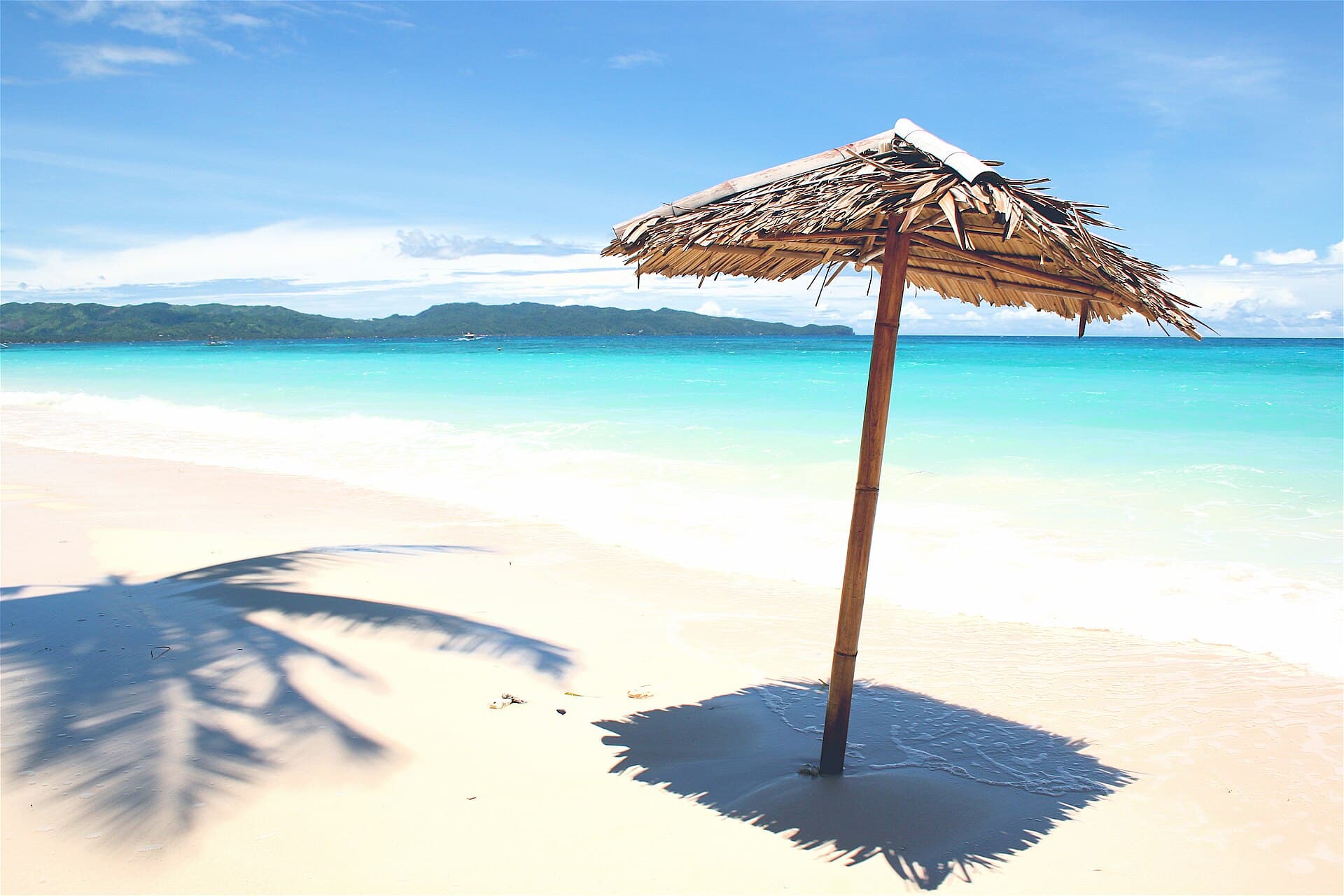
Boracay organizes itself around White Beach, its headline attraction and one of Asia's most beautiful beaches. Three kilometers long, it splits into three stations with distinctly different characters. Station 1 (north) is the quietest, lined with the bigger resorts and terraces on white sand; the sun sets straight out to sea here, delivering a sundown spectacle that is hard to top in the region. Station 2 is the nerve center: seafood restaurants, beach bars, souvenir shops, dive centers and massage stalls. The energy is steady from morning to night. Station 3 (south), more affordable and accessible, draws budget-conscious travelers and a more local atmosphere.
The sunset paraw sail is the unmissable Boracay experience. These traditional Filipino sailing outrigger boats carry passengers for an hour of sailing off White Beach, exactly as the sun touches the horizon. Count on PHP 300–500 per person (US$5–9) — one of the most beautiful and the cheapest activities on the island.
Bulabog Beach, on the east coast, is the kingdom of kitesurfing and windsurfing. During the amihan season, the steady 15–25 knot wind makes it one of Southeast Asia's most renowned spots. Around ten schools offer beginner classes (around €50 for a 3-hour introduction) and guided sessions for confirmed riders. In habagat, the situation reverses: the west coast catches the wind, and the kitesurfers migrate to White Beach.
Puka Beach, at the northern tip of the island, is the opposite of White Beach's energy: white sand peppered with seashells, calm water, palm trees and a handful of small food shacks. You get there by motorcycle taxi or tricycle, and spend a quiet half-day far from the crowds. The best option for travelers looking for a quiet corner of beach.
Diving and snorkeling are organized from Station 2, with boats running to Crocodile Island (coral reefs, parrotfish, moray eels), Laurel Island (fish schools and occasional sea turtles) or the wrecks on the north coast. Visibility hits 15 to 20 meters in high season. A discovery dive costs about €35 all in; a two-dive day for certified divers runs €40 to €55.
To explore the island differently, a tricycle or e-bike ride from Cagban (ferry terminal) to Puka Beach crosses the central hill and passes the Talipapa markets, where locals shop for tropical fruit, fresh seafood and artisan goods at local prices. In the evening, Station 2 concentrates a lively nightlife scene: cocktail bars with feet in the sand, fire shows and DJ sets late into the night. Boracay's beach-party culture is inseparable from the destination — provided you choose your accommodation accordingly.
Read also
- Bohol — Chocolate Hills, tarsiers and Panglao reefs — the other Visayan treasure.
- The Visayas — The central Philippine archipelago: islands, reefs and local cultures.
- The Philippines — Over 7,000 islands, from reefs to volcanoes — the complete country guide.