Peruvian gastronomy is today ranked in the world top 3 by the best guides and chefs since the 2010s — a phenomenon unique in Latin America. Lima hosts three restaurants in the World's 50 Best Restaurants top 10: Central (Virgilio Martínez, world #1 in 2023), Maido (Mitsuharu Tsumura, Peruvian-Japanese nikkei cuisine), Kjolle (Pía León). This excellence rests on an exceptional terroir — Peru is one of the world's eight centres of plant domestication (potato, corn, tomato, ají, coca, quinoa, kiwicha) and offers 84 micro-climates out of 117 listed globally.
Essential dishes: ceviche (national dish declared cultural heritage, raw fish marinated in lime with ají and red onion, accompanied by sweet potato and grilled corn), lomo saltado (wok-fried beef with ají, onion, tomato and fries, 19th-century Chinese nikkei heritage), ají de gallina (shredded chicken in creamy ají amarillo sauce, national comfort dish), causa (yellow potato terrine with lime, layered with tuna or chicken, colorful cold dish), tiradito (Peruvian sashimi equivalent with ají sauce), anticucho (grilled beef heart skewers, Lima street food), rocoto relleno (stuffed rocoto pepper, Arequipa specialty), pollo a la brasa (Peruvian rotisserie chicken, ubiquitous), Andean pachamanca (meats and tubers cooked underground in hot stones, Andean feast).
Key ingredients: potato (Peru counts over 4,000 varieties, world cradle), corn (yellow, white giant from Cusco, purple for chicha morada), ajíes (chili peppers — amarillo, panca, rocoto, mirasol, base of Peruvian sauces), quinoa (Andean superfood seed), camu-camu and açaí (Amazonian fruits), lúcuma (tropical fruit with orange flesh, traditional ice cream), chirimoya (creamy white fruit). Coca (chewed or in infusion, traditional in the Andes, legal and not to be confused with the drug requiring chemical processing).
Drinks: pisco sour (national cocktail: pisco grape brandy + lime + sugar + egg white + Angostura bitters, absolute must-try), chicha morada (purple corn drink, cinnamon, pineapple, lime — non-alcoholic and ubiquitous), chicha de jora (Andean traditional fermented corn beer), mate de coca (infusion against altitude sickness, traditional), pure pisco (national grape brandy, Quebranta, Italia, Mosto Verde — best in Ica wineries), Cusqueña or Pilsen beer (national beers), and of course Peruvian coffee (grown in the high Amazonian valleys, rising specialty quality).
Peru is also a global hotspot for nikkei cuisine (Japanese-Peruvian fusion, born from 19th-century Japanese immigration to Lima — Nobu Matsuhisa, trained in Lima, is its planetary ambassador) and chifa (Chinese-Peruvian cuisine, ubiquitous in cities). The Maido restaurant in Lima is the world ambassador of nikkei.
Read also
- Cusco and Machu Picchu — The former Inca capital (UNESCO 1983), the Sacred Valley and the lost Machu Picchu citadel.
- Lima and the Pacific coast — World gastronomic capital, Miraflores, Barranco and the Paracas-Ica-Nazca triptych.
- Peruvian Amazon — Iquitos, Puerto Maldonado and the ecotourism lodges of Tambopata and Manu.
- Arequipa and Titicaca — The White City, Colca Canyon and the world's highest navigable lake at 3,812 m.
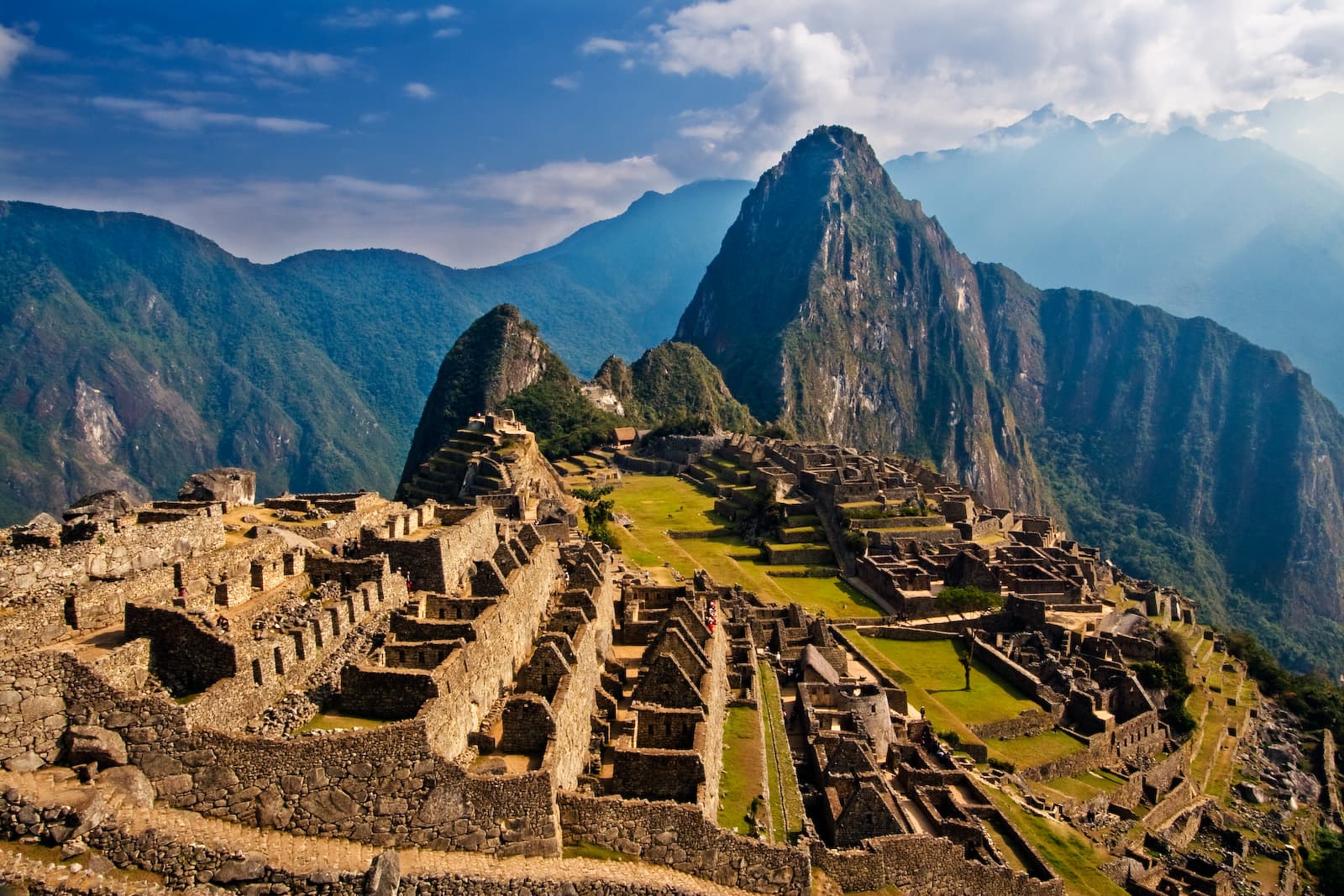
- Machu Picchu — The 1450 Inca citadel, UNESCO 1983, named among the New 7 Wonders of the World in 2007.