- Visa
- Not required
- Passport validity
- 6 months
- Safety level
- Modérée
- Recommended vaccines
- Hépatite A, Typhoïde, DTP, Fièvre jaune (zones amazoniennes), Hépatite B (séjours prolongés), Rage (treks et zones rurales prolongées)
Aucun visa préalable n'est nécessaire pour les ressortissants français et européens pour un séjour touristique inférieur à 90 jours. La durée exacte est accordée par l'agent migratoire à l'arrivée — demandez clairement 90 jours pour éviter les surprises (certaines arrivées ne reçoivent que 30 ou 60 jours par défaut). Le passeport doit être valide au minimum 6 mois après la date d'entrée prévue.
À l'arrivée, un tampon d'entrée (sello de entrada) est apposé sur le passeport — vérifiez qu'il indique bien le nombre de jours souhaités et conservez précieusement ce justificatif jusqu'au départ. Depuis 2023, la TAM (Tarjeta Andina de Migración) papier a été remplacée par une version électronique automatique — plus de formulaire à remplir, mais conservez votre tampon. Aucune taxe d'entrée n'est exigée pour les touristes.
Un billet de retour ou de continuation peut être demandé à l'embarquement par certaines compagnies aériennes, ainsi qu'une preuve de moyens de subsistance suffisants (rare en pratique pour les Européens). Prolongation possible sur place auprès de la Superintendencia Nacional de Migraciones pour 30 jours supplémentaires (frais ~30 USD), ou sortie-rentrée par la Bolivie/Chili/Équateur pour réinitialiser le compteur.
Aucune vaccination obligatoire pour entrer depuis la France. Le vaccin contre la fièvre jaune est cependant fortement recommandé si vous visitez l'Amazonie (Iquitos, Puerto Maldonado, Manu, Tambopata) — voire exigé pour les voyageurs ayant transité par certains pays sud-américains.
Peru is globally safe in classic tourist zones (Cusco, Sacred Valley, Machu Picchu, Arequipa, Puno-Titicaca, Amazon lodges, Miraflores and Barranco in Lima), but requires real vigilance in several urban contexts and during night travel. The country has a higher urban crime rate than Chile or Uruguay, without reaching the level of other South American capitals.
In Lima, stay in tourist neighborhoods (Miraflores, Barranco, San Isidro) which are safe and well-policed day and night. Absolutely avoid: Gamarra, La Victoria (except Tacna station access), some Callao neighborhoods (except airport route), San Juan de Lurigancho, Comas, Villa El Salvador. The historic centre (Plaza de Armas, cathedral, San Francisco monastery) is safe in daytime but requires caution after 8pm. Pickpocketing is frequent on urban buses and in markets — keep backpack in front, smartphones out of sight.
In Cusco, tourist zones (Plaza de Armas, San Blas, pedestrian streets, San Pedro market in daytime) are safe. Increased vigilance near the Poroy or Wanchaq railway station and Quillabamba bus station — thefts and scams reported. At night, take Uber/Cabify rather than walking in outer neighborhoods. Classic tourist scams (fake airport taxis, unfavorable exchange rates, unauthorized trek agencies) remain frequent.
Night transport: prefer premium companies Cruz del Sur, Oltursa, Movil Tours (luggage registered in sealed hold, on-board security). Avoid local low-end companies. For airport taxis, ONLY use official companies from the indoor counter or Uber/Cabify/InDriver — never touts at the doors. ATMs: withdraw in daytime in shopping centres or banks, never at night or isolated (cases of express kidnappings reported in Lima).
Natural risks: possible earthquakes (Peru in active seismic zone, last major Pisco 2007). Altitude sickness (soroche): main health risk — 1-2 days acclimatization at Cusco/Arequipa before any effort, mate de coca, hydration, prior medical consultation for seniors/cardiac. Landslides in wet season (December-March) on some Andean roads. Occasional El Niño (every 4-7 years) can affect coastal climate.
Health-wise, medical services are decent in major cities (Clinica Anglo Americana, Clinica Ricardo Palma in Lima — high costs, travel insurance mandatory). In Amazon, malaria and yellow fever (vaccine strongly recommended), dengue (DEET repellent mandatory). Tap water non-potable, sealed bottled water mandatory. Traveler's diarrhea: avoid ice cubes outside good restaurants, dubious raw salads, undercooked meat. Vaccinations recommended: hepatitis A, typhoid, up-to-date DTP, yellow fever if Amazon.
Social protests (paros) can affect Andean roads (notably Cusco-Puno, occasional Cusco airport road blocks). Check the French Foreign Affairs Ministry website (france-diplomatie) before departure and during the stay. Register on Ariane (free MAE service) to be contacted in case of crisis. In emergency in Peru: police 105, ambulance 106, fire 116. French embassy in Lima: Av. Arequipa 3415 San Isidro, +51 1 215 8400.
Read also
- Cusco and Machu Picchu — The former Inca capital (UNESCO 1983), the Sacred Valley and the lost Machu Picchu citadel.
- Lima and the Pacific coast — World gastronomic capital, Miraflores, Barranco and the Paracas-Ica-Nazca triptych.
- Peruvian Amazon — Iquitos, Puerto Maldonado and the ecotourism lodges of Tambopata and Manu.
- Arequipa and Titicaca — The White City, Colca Canyon and the world's highest navigable lake at 3,812 m.
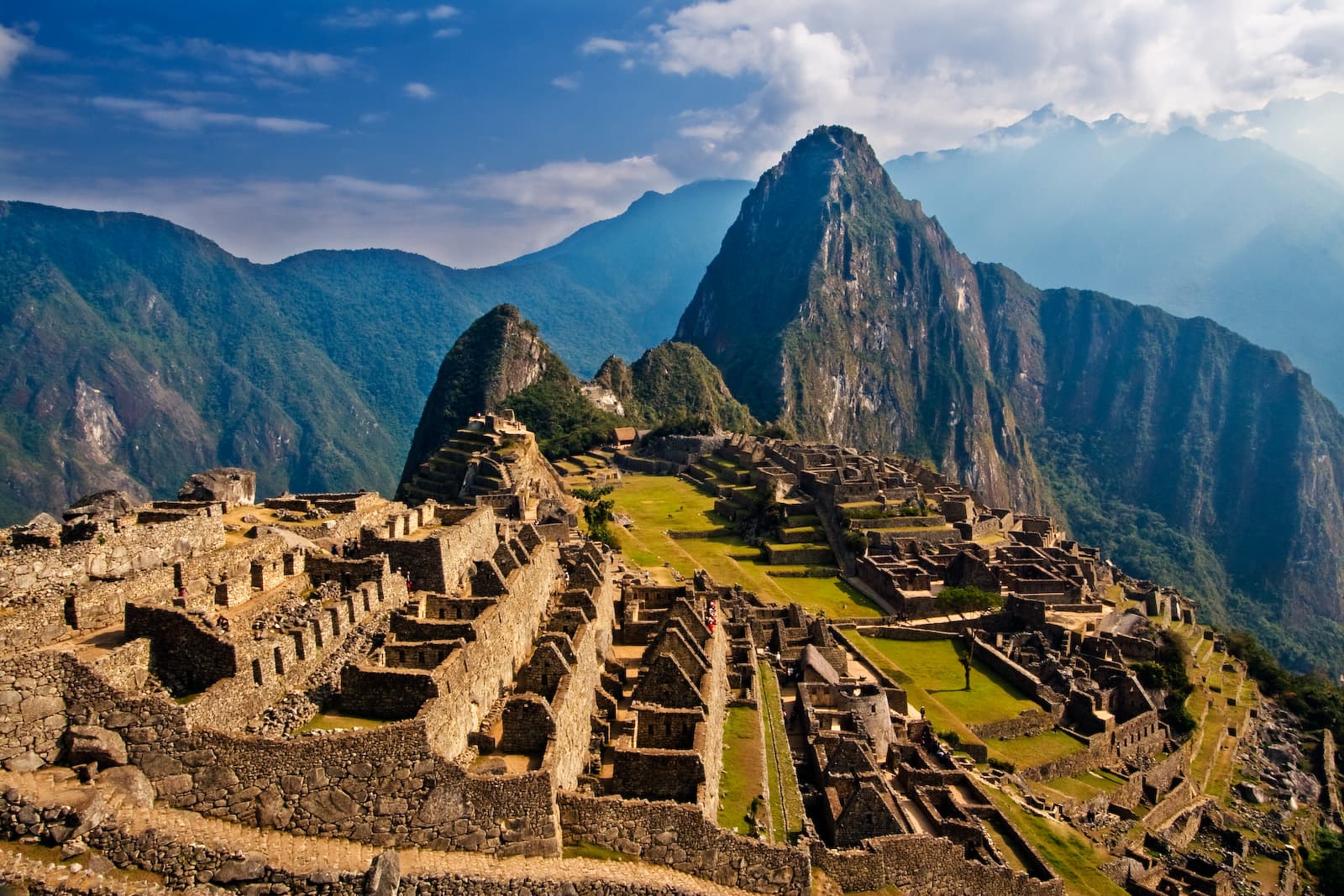
- Machu Picchu — The 1450 Inca citadel, UNESCO 1983, named among the New 7 Wonders of the World in 2007.