Region
Peruvian Amazon
One of the world's richest biodiversities over 60% of Peruvian territory — Iquitos the Amazon metropolis, Tambopata ecotourism lodges from Puerto Maldonado, and Manu National Park (UNESCO 1987) treasure of South American wildlife.
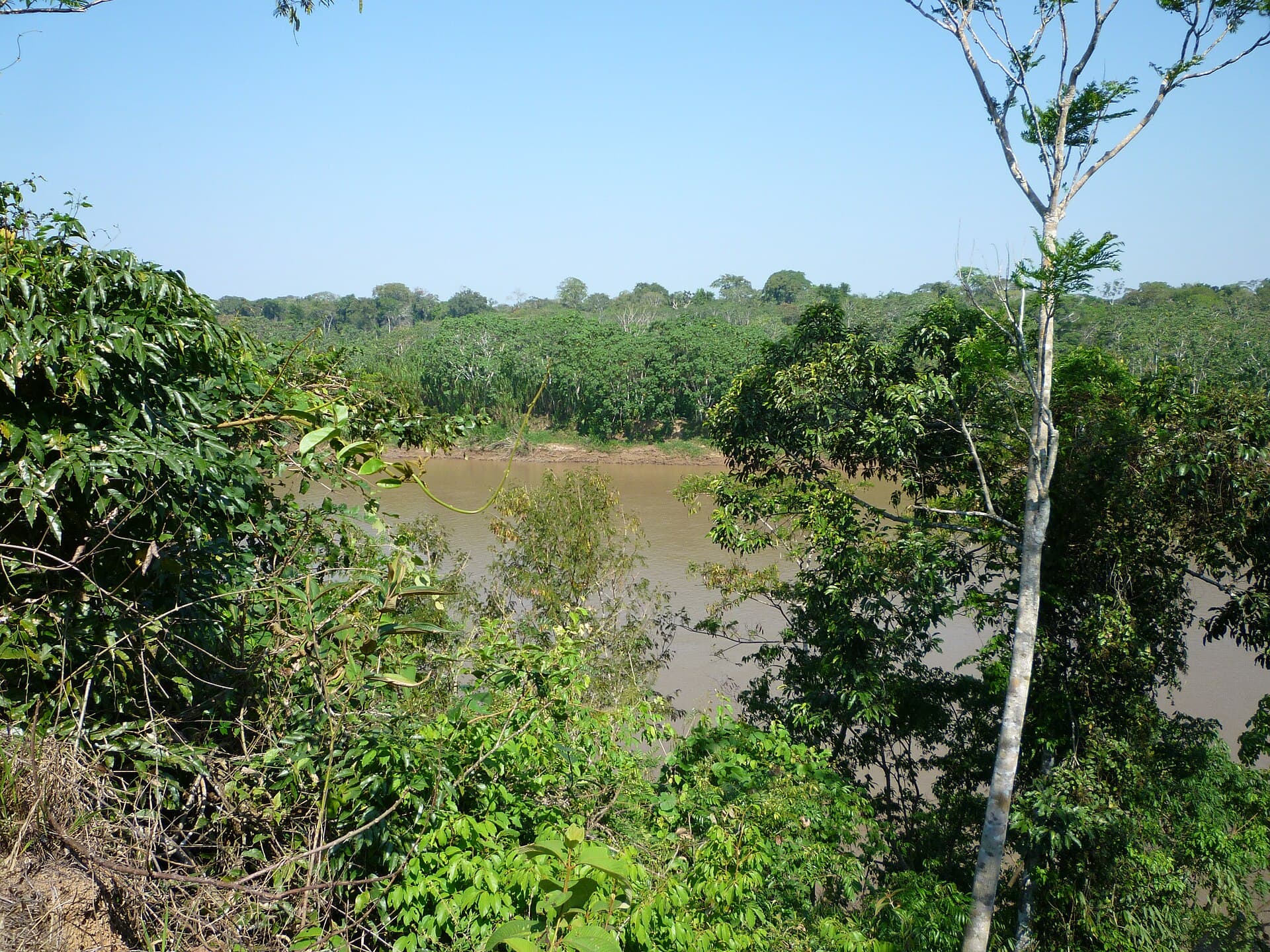
The Peruvian Amazon covers 60% of the national territory — i.e. 770,000 km², equivalent to Germany and France combined. It's the world's second largest portion of Amazon rainforest after Brazil, and one of the planet's richest biodiversities: over 1,800 bird species, 500 mammals, 4,200 butterflies, 1,200 reptiles and amphibians, and probably several million insects still to discover. The region remains largely preserved — only 5% of Amazonian territory is exploited, versus 20% in Brazil. Three main gateways structure the tourist offer.
Iquitos (north-east, on the Amazon River) is the world's largest city inaccessible by road — 500,000 inhabitants, founded by Jesuits in 1757, prospered in the early 20th century thanks to rubber (Casa de Fierro signed by Gustave Eiffel), accessible only by plane (Lima 2h, €120-250 return) or cargo boat from Pucallpa (4-7 days). It's the historical and urban Amazon — Belén floating quarter (stilt huts, shaman market, ayahuasca), Malecón Tarapacá promenade facing the river, departure for the river lodges of the Amazon River (Ceiba Tops, Heliconia, Treehouse Lodge — 3 to 7 nights, pink dolphins, wildlife observation, indigenous communities). Rates €350-700/person for 3 nights all-inclusive in mid-range lodge.
Puerto Maldonado and Tambopata reserve (south-east, easiest access from Cusco) is the Amazon gateway #1 for Peru-Machu Picchu travellers. Cusco-Puerto Maldonado flight in 50 min (€100-180 return), then 1-3h motorized boat on the Tambopata River or Madre de Dios River to ecotourism lodges. The Tambopata National Reserve (275,000 ha) and Bahuaja-Sonene National Park protect one of the world's largest biodiversities. Iconic lodges: Inkaterra Reserva Amazonica (luxury, Relais & Châteaux), Posada Amazonas (Rainforest Expeditions, community), Refugio Amazonas, Tambopata Research Center (deepest, 7h by boat, parrot clay lick observation), Sandoval Lake Lodge. Rates €400-1,200/person for 3 nights all-inclusive (transfers + meals + activities + guide).
Manu National Park (UNESCO 1987, exceptional biodiversity ranked in world top) — 1.7 million hectares from Andes (4,000 m) to lowland Amazon (300 m), covering all ecosystems. It's the wildest and least accessible Amazon — access from Cusco by bus (10-12h by road + 2 days by boat) or occasional charter flight. Reserved for adventurous travellers and wildlife observation enthusiasts (jaguars, spectacled bears, giant otters, over 1,000 bird species). High cost (€1,200-2,500/person for 5-7 nights) and complex logistics — prefer Tambopata for a first Amazon contact.
Explore Peruvian Amazon
Situation
Où se situe Peruvian Amazon ?
Ouvrir la carte en grand sur OpenStreetMap →Frequently asked questions
Iquitos, Tambopata or Manu: which to choose?+
How many days for a successful Amazon experience?+
What vaccines and health precautions for Peruvian Amazon?+
Which lodges to choose at Tambopata?+
How ayahuasca and Amazon shamanism?+
Our verdict
The Peruvian Amazon is Peru's nature experience par excellence — perfect complement to the cultural Cusco-Machu Picchu experience for travellers with 16-21 days. Our recommendation: Tambopata from Puerto Maldonado is the best gateway for a first Peruvian Amazon trip — direct flight from Cusco (50 min, €100-180 return), quality ecotourism lodges (Inkaterra Reserva Amazonica luxury, Posada Amazonas family, Refugio Amazonas authentic), 3-4 nights enough for significant experience (boat transfers + activities). Rates €400-800/person for 3 nights all-inclusive in mid-range lodge. Travel from May to October (dry season, fewer mosquitoes) for most, or December-March (high river waters) for maximum navigation and wildlife visible by boat. Yellow fever vaccine strongly recommended.