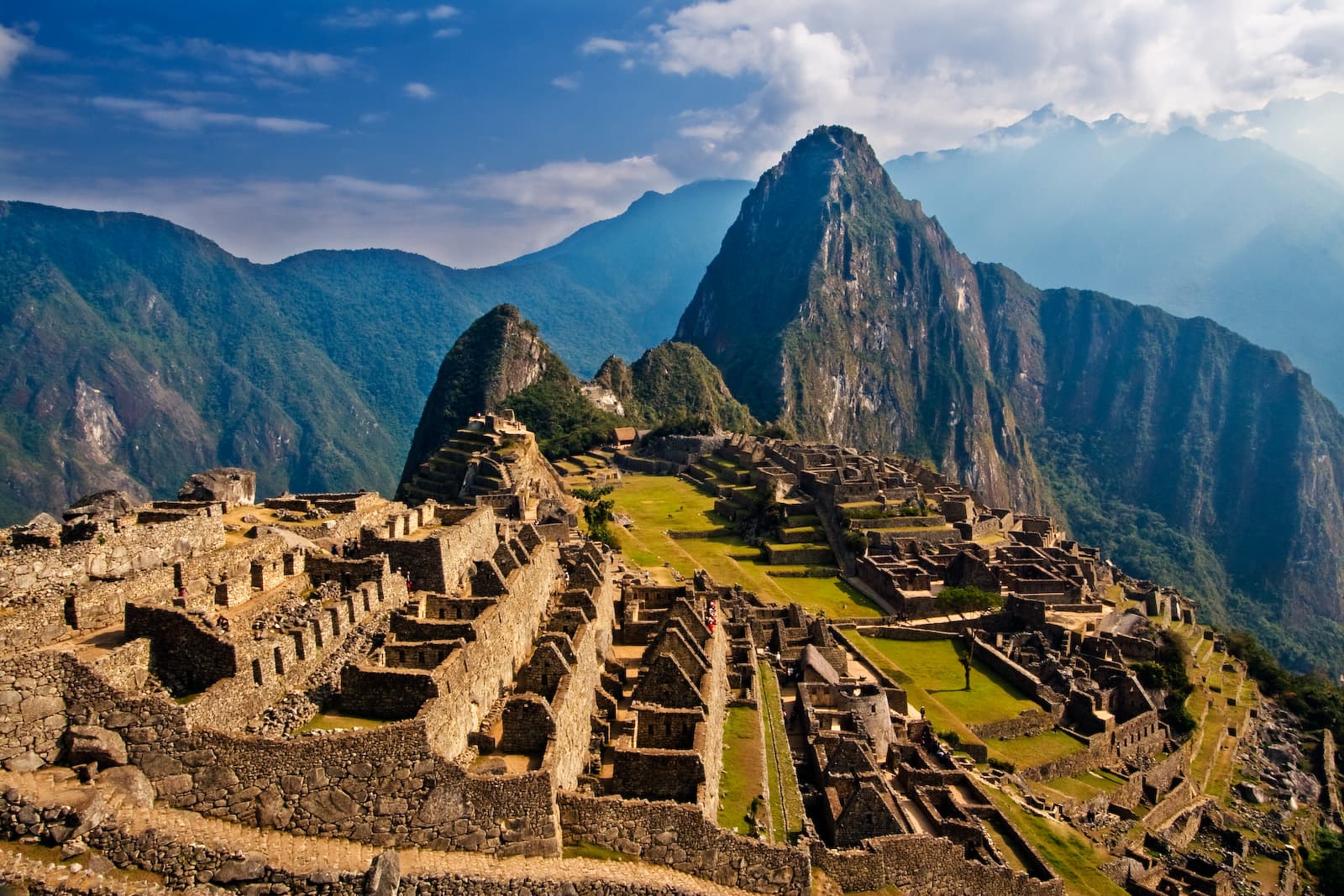
Peruvian culture is one of the deepest and most fused in Latin America — a millennial heritage layering pre-Columbian civilizations (Caral 3,000 BC, Chavín 1,200-200 BC, Paracas, Nazca, Moche, Wari, Chimú, and finally the Incas 1438-1533), Spanish colonization (1532-1821, Andean baroque and Catholicism), African contributions (slaves imported on the coast from the 16th to 19th century) and Asian (Chinese and Japanese immigration of the 19th century, which deeply marked gastronomy). This layering produces a cultural identity unique in South America.
The languages testify to this richness: three official languages coexist. Spanish is the dominant language (84% of the population), but Quechua (the Inca language, spoken by 4-5 million Peruvians in the Andes, mainly Cusco-Apurimac-Ayacucho-Puno) remains alive in Andean villages — learn a few basic words (Allillanchu = hello, Sulpayki = thank you) that immediately open hearts. Aymara (1 million speakers, Puno and Lake Titicaca region) is the third official language, shared with Bolivia.
Andean spirituality coexists with baroque Catholicism in a unique syncretism. The Pachamama (Mother Earth) remains revered — coca leaf offerings, chicha (corn beer) libations, small despacho ceremonies before sowing. Apus (mountain spirits) protect Andean communities. This spirituality is observed in the shamanic purification ceremonies of the Sacred Valley, in the rituals of Inti Raymi (sun festival, 24 June in Cusco, modern recreation of the great Inca winter solstice festival) and in the Fiesta de la Virgen de la Candelaria (Puno, February, one of South America's largest religious festivals, UNESCO intangible heritage).
Peruvian UNESCO heritage is exceptional — 12 sites listed. Besides Machu Picchu (1983) and Cusco (1983), mention Chavín de Huántar (1985, Chavín civilization 1,200-200 BC, monumental temple), the Nazca Lines (1994, desert geoglyphs 500 BC-500 AD, visible only from the sky), Lima historic centre (1991, colonial baroque), Huascarán National Park (1985, world's highest tropical mountain 6,768 m), Manu National Park (1987, exceptional Amazonian biodiversity), Chan Chan (1986, Chimú capital near Trujillo, largest adobe city in pre-Columbian world), the sacred city of Caral-Supe (2009, the oldest civilization in the Americas, contemporary with Egyptian pyramids), and the Qhapaq Ñan (2014, 30,000 km Inca road network listed transnationally with 6 Andean countries).
Traditional arts remain vibrant. Andean textiles (millennial weaving techniques on backstrap looms, geometric Inca motifs, alpaca, vicuña and llama wool) are a Peruvian signature — Cusco and the Sacred Valley (notably Chinchero) are epicentres of this art. Ceramics (Pucará, Quinua) and goldsmithing (Inca gold heritage, Larco Museum in Lima) are other vibrant expressions. Andean music (quena, zampoña, charango, bombo) accompanies all festivals.
Peruvian sociability is warm and hospitable, particularly in the Andes where Quechua communities maintain a traditional agro-pastoral lifestyle. Respect the codes: always ask permission before photographing (notably women in traditional dress, who sometimes ask for a sol or two in exchange), remove your headwear when entering a church, be patient with the sometimes slow Andean pace. Popular festivals are the most intense cultural experience — Inti Raymi (Cusco, 24 June), Virgen de la Candelaria (Puno, February), Qoyllur Rit'i (Cusco, May-June), Carnaval de Cajamarca (February), Señor de los Milagros (Lima, October).
Read also
- Cusco and Machu Picchu — The former Inca capital (UNESCO 1983), the Sacred Valley and the lost Machu Picchu citadel.
- Lima and the Pacific coast — World gastronomic capital, Miraflores, Barranco and the Paracas-Ica-Nazca triptych.
- Peruvian Amazon — Iquitos, Puerto Maldonado and the ecotourism lodges of Tambopata and Manu.
- Arequipa and Titicaca — The White City, Colca Canyon and the world's highest navigable lake at 3,812 m.
- Machu Picchu — The 1450 Inca citadel, UNESCO 1983, named among the New 7 Wonders of the World in 2007.