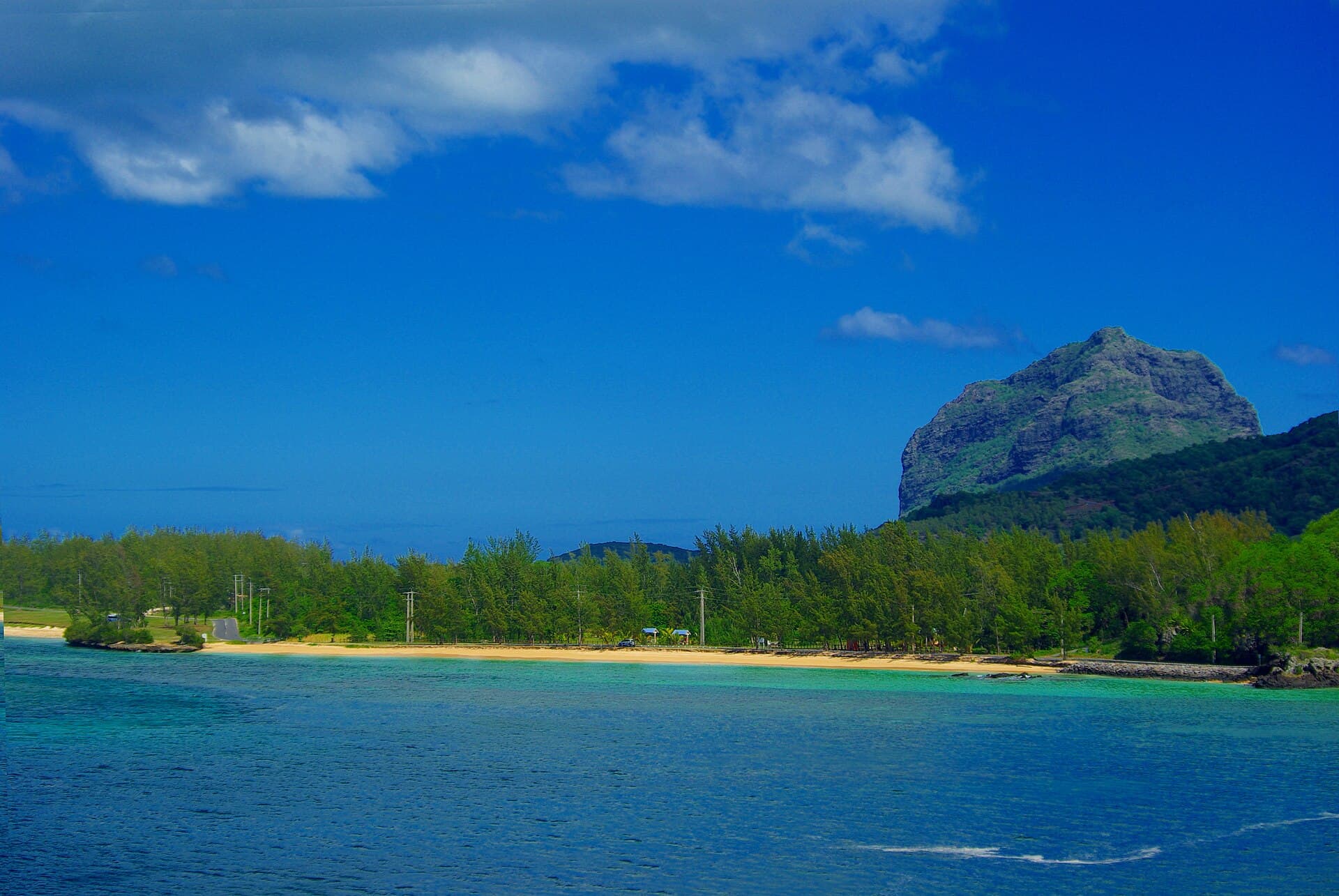
The food of Mauritius is a journey in itself, and one of the most underrated aspects of the island for first-time visitors. Five centuries of cultural mixing have produced a kitchen that fuses Creole, Indian, Chinese and French traditions with a confidence and depth of flavour few destinations in the world can match. In a single day on the island, you can graze on a hot dholl puri from a street cart, sit down to a slow-cooked octopus curry in a village kitchen and finish with a grilled lobster on a beachfront terrace — and all three meals will rank among the most memorable of your trip.
A few signature dishes deserve to be at the top of every traveller's must-try list. Dholl puri, a thin flatbread filled with yellow split pea purée and served with curry, pickled vegetables and tomato rougail, is the most iconic street food of Mauritius — typically priced under 50 rupees and best eaten from a roadside stall in Port Louis or Mahébourg. Rougail itself, a spiced tomato sauce, accompanies fish, smoked sausage or chicken in countless variations. Octopus curry, slow-braised with Madagascan spices, is a speciality of the sister island of Rodrigues and widely available on Mauritius. The Chinese heritage shines through in mine frite (stir-fried noodles), steamed dumplings and crisp samosas, while gâteaux-piments — crunchy chilli-spiked lentil fritters — are the morning snack of choice, paired with a cup of strong local tea.
Mauritius also enjoys a remarkable tradition of tropical fruit. Amélie mangoes ripen from October to January, lychees fill the markets from November to February, and jackfruit, longans and starfruit punctuate the calendar throughout the year. The central market of Port Louis is the best single address for tasting the abundance: spice stalls, pyramids of fresh ginger and rows of dried chillies sit alongside ready-to-eat snacks. The food courts of Grand Baie offer a slicker, more tourist-friendly version of the same repertoire.
Once the world's largest sugar producer, Mauritius has also developed a serious culture of agricultural rum. The Chamarel distillery, perched in the cool highlands of the south-west, and the Saint-Aubin estate offer guided tours with tastings; their aged rums infused with vanilla, coffee or passion fruit are among the most acclaimed of the Indian Ocean and make excellent gifts to bring home. To explore Mauritian gastronomy in its most authentic form, skip the all-inclusive resort buffets and book a few meals at family-run tables d'hôtes, where grandmothers' recipes are passed down with quiet pride and the wine flows generously.
Read also
- Indian Ocean destinations head to head — Mauritius vs Réunion vs Seychelles vs Madagascar.
- When to visit the tropics — A month-by-month calendar of the world's best tropical destinations.
- Discover the Seychelles — Our detailed guide to the Seychelles, the closest alternative to Mauritius.