- Visa
- Not required
- Passport validity
- 6 months
- Safety level
- sûr
- Recommended vaccines
- Mise à jour DTP, Hépatite A
Les ressortissants français bénéficient d'une exemption de visa complète pour l'Île Maurice. À l'arrivée à l'aéroport Sir Seewoosagur Ramgoolam, un permis de séjour touristique gratuit est tamponné dans le passeport, autorisant un séjour continu allant jusqu'à 90 jours. Aucune démarche préalable auprès d'une ambassade ou d'un consulat n'est nécessaire.
Votre passeport doit être valable au minimum 6 mois après la date de retour prévue en France. Il est recommandé de se munir à l'arrivée d'un justificatif de réservation d'hébergement (confirmation d'hôtel, location ou invitation chez un particulier) et d'un billet de retour ou d'une preuve d'onward ticket, même si ces documents sont rarement contrôlés en pratique. Les autorités mauriciennes peuvent également demander la preuve de moyens financiers suffisants pour couvrir le séjour. Aucun vaccin n'est obligatoire pour entrer sur le territoire, mais la mise à jour du DTP et la vaccination hépatite A sont recommandées par les autorités sanitaires françaises.
Mauritius is consistently ranked among the safest destinations in Africa and the Indian Ocean: violent crime is exceptionally rare, political stability is genuine, and both hotel and healthcare infrastructure are of a high standard. The Mauritian government actively protects the country's safety reputation, and international travellers tend to feel very much at ease here, including solo women, families with young children and older visitors travelling independently.
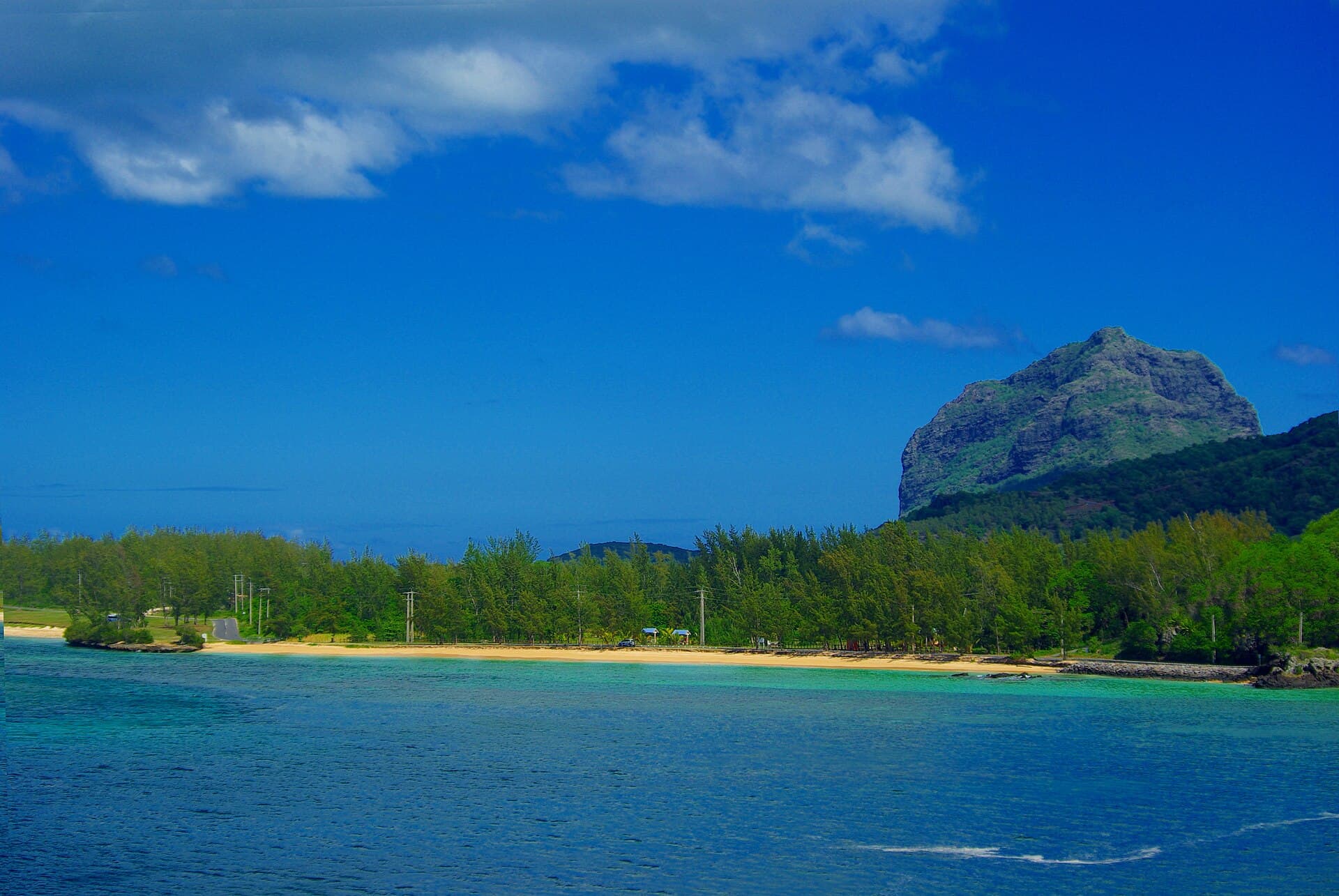
The rare incidents reported by tourists almost always involve petty theft and bag-snatching at busy public beaches (Grand Baie, Flic en Flac) and crowded markets such as the central market of Port Louis. A few common-sense habits are usually enough: do not leave phones, cameras or wallets unattended on the beach, use the in-room safe, and avoid poorly lit suburban streets after dark. At sea, always respect the beach flag system: most lagoons are sheltered and calm, but certain reef passes — particularly around Le Morne and the east coast in windy conditions — can produce strong rip currents that should never be underestimated.
On the health front, the major risks are limited. Mosquitoes are present, particularly in the wet season — pack repellent and cover up in the evening. Tropical sunshine is intense year-round, so SPF 50, a hat and rash vests for snorkelling sessions are non-negotiable. Tap water in Mauritius is treated and generally safe, although many travellers prefer bottled water. Pharmacies are well stocked in every main town; the private clinics (Wellkin, Apollo Bramwell) offer a level of care comparable to good European standards and are the first stop for any non-trivial medical issue.
The cyclone season runs from November to April, with the highest risk between January and March. Tropical cyclones remain rare — only one or two reach the island in a typical year — and infrastructure is well prepared, but an active system can disrupt flights, lagoon activities and excursions for 24 to 72 hours. In the event of an official alert, follow the instructions of local authorities via Radio Mauritius or MBC TV, and keep these emergency numbers handy: police 999, ambulance 114, fire brigade 995. Comprehensive travel insurance that includes medical evacuation is strongly recommended for any trip to Mauritius — not because the destination is dangerous, but because long-haul travel always benefits from a proper safety net.
Read also
- Indian Ocean destinations head to head — Mauritius vs Réunion vs Seychelles vs Madagascar.
- When to visit the tropics — A month-by-month calendar of the world's best tropical destinations.
- Discover the Seychelles — Our detailed guide to the Seychelles, the closest alternative to Mauritius.